
Why Learning Python from Too Many Resources Can Slow You Down
You save a tutorial for later, open a new Python course, then find a book that explains the same topic differently. Collecting resources can feel like progress—but it may leave less time for the part that builds skill: writing, running, and improving code.
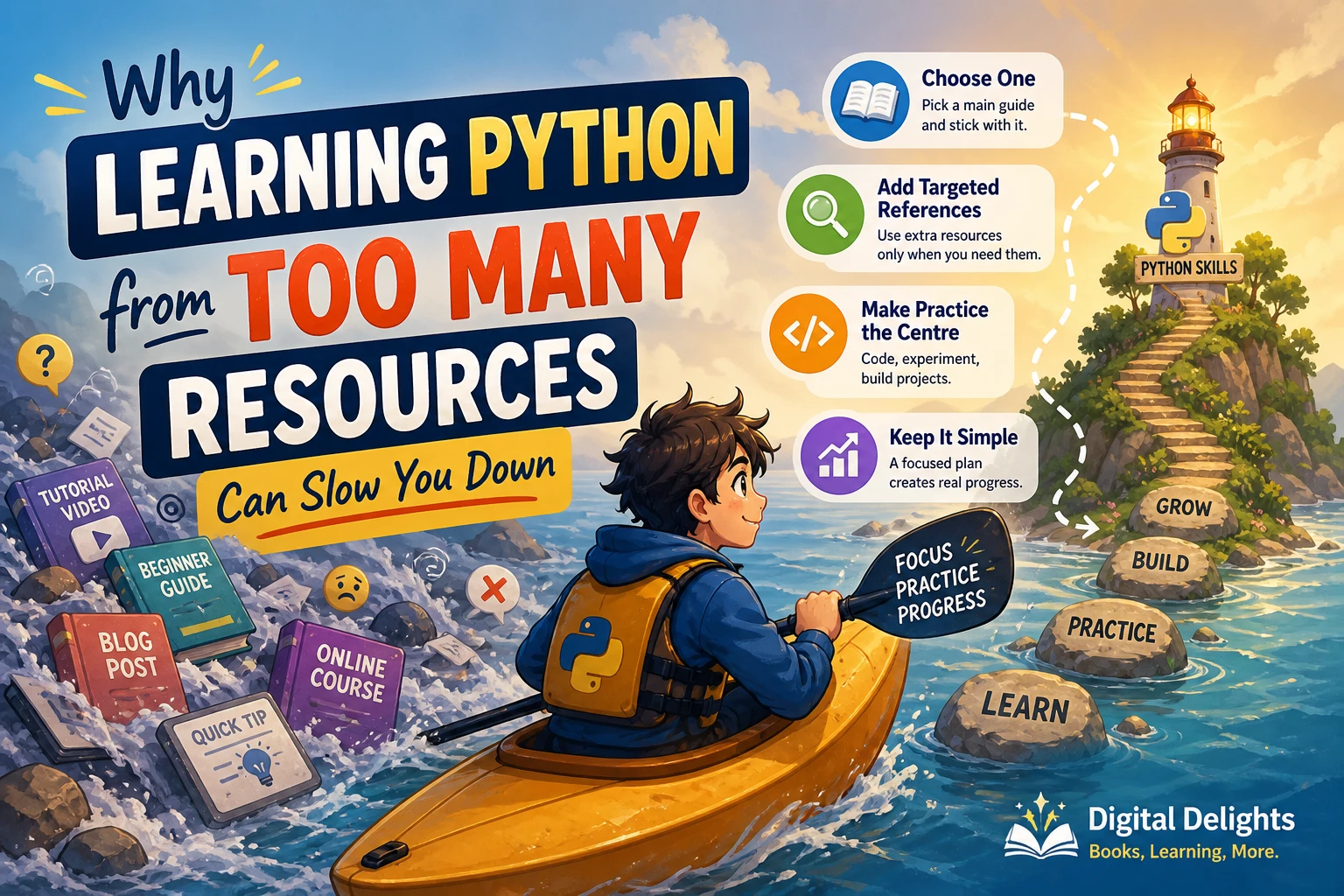
There is no evidence in the supplied research that using many resources universally causes slower learning. The practical risk is more specific: constantly switching can interrupt a learning sequence and make it harder to follow through on practice. A better approach is to choose one main guide, use other resources to answer particular questions, and judge progress by what you can make and explain.
Why More Python Resources Can Feel Like Progress
Finding a new tutorial gives you a quick sense of momentum. You may discover a clearer explanation, a more appealing project, or a course that promises a faster route. But browsing and learning are different activities. If most of your study time goes toward choosing the next resource, you may not spend enough time applying what you have just read.
Switching can also create a practical problem: two resources may introduce ideas in a different order or use different examples. That does not mean either explanation is wrong. It means you may spend extra effort reconciling their approaches before you have had a chance to practise the underlying concept.
For instance, after encountering loops in one guide, you might move to another that has already introduced functions and lists. Instead of completing a short loop exercise, you may feel you need to catch up on the second guide’s earlier material. Repeating that cycle can make a manageable topic feel larger than it is.
Is Using Many Resources Actually Slowing You Down?
It can be a risk, but it is not a proven rule. The available research describes what the Python tutorial covers and who it is designed for; it does not compare learners who use one resource with learners who use many. Treat “resource-hopping is slowing me down” as a useful possibility to investigate, not a diagnosis that applies to everyone.
The important distinction is between constant switching and planned supplementation. Constant switching means abandoning one path whenever a new resource looks attractive. Planned supplementation means keeping a main learning sequence and consulting another source for a defined reason: to clarify a confusing concept, check how a feature works, or find more practice.
The official Python tutorial makes the case for matching material to your starting point. It is intended for people who already know programming generally but are new to Python, and it notes that it is not comprehensive. If you are new to programming altogether, you may need a more introductory path; if you have programming experience, the official tutorial may suit you as a starting point.
Choose One Main Learning Resource
Think of your main resource as a route through the fundamentals—not the only source you are ever allowed to use. It should give you a sequence to follow, examples to inspect, and opportunities to try the ideas yourself.
Match the resource to your experience
- New to programming: Look for clear explanations of basic concepts and a gradual progression through variables, conditions, loops, collections, and functions. Avoid assuming that a Python-specific tutorial is designed for someone who has never programmed.
- Some programming experience: A Python-focused tutorial or guide may let you move faster through familiar concepts and concentrate on Python’s syntax and conventions.
- Learn best by doing: Choose a resource that includes exercises or projects, and make time to attempt them before reading the solution or moving to the next lesson.
For example, Python Programming Cookbook for Absolute Beginners is described in the catalog as a starting guide covering setup, core language concepts, and topics such as loops, functions, lists, and classes. It may be worth considering if you want an introductory sequence and setup guidance.
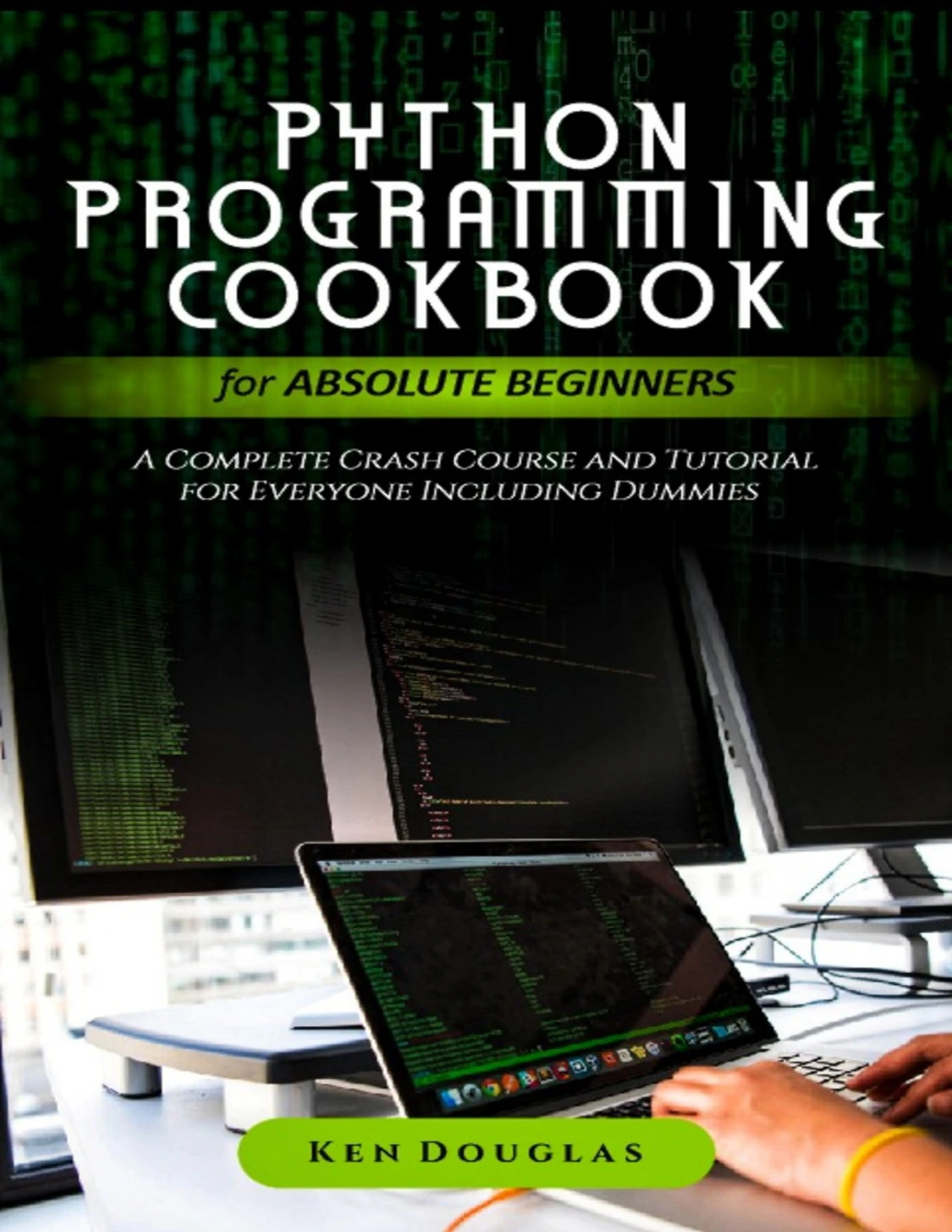
By Ken Douglas
Readers seeking introductory coverage of setup and Python fundamentals.
If you would rather have a fast-paced route with practice, Python Bootcamp: A Rapid Crash Course Featuring Q&A Sessions, Exercises, and Projects is described as a Python 3 introduction with questions, exercises, and projects. Choose one main guide for now; you do not need to study both at once.
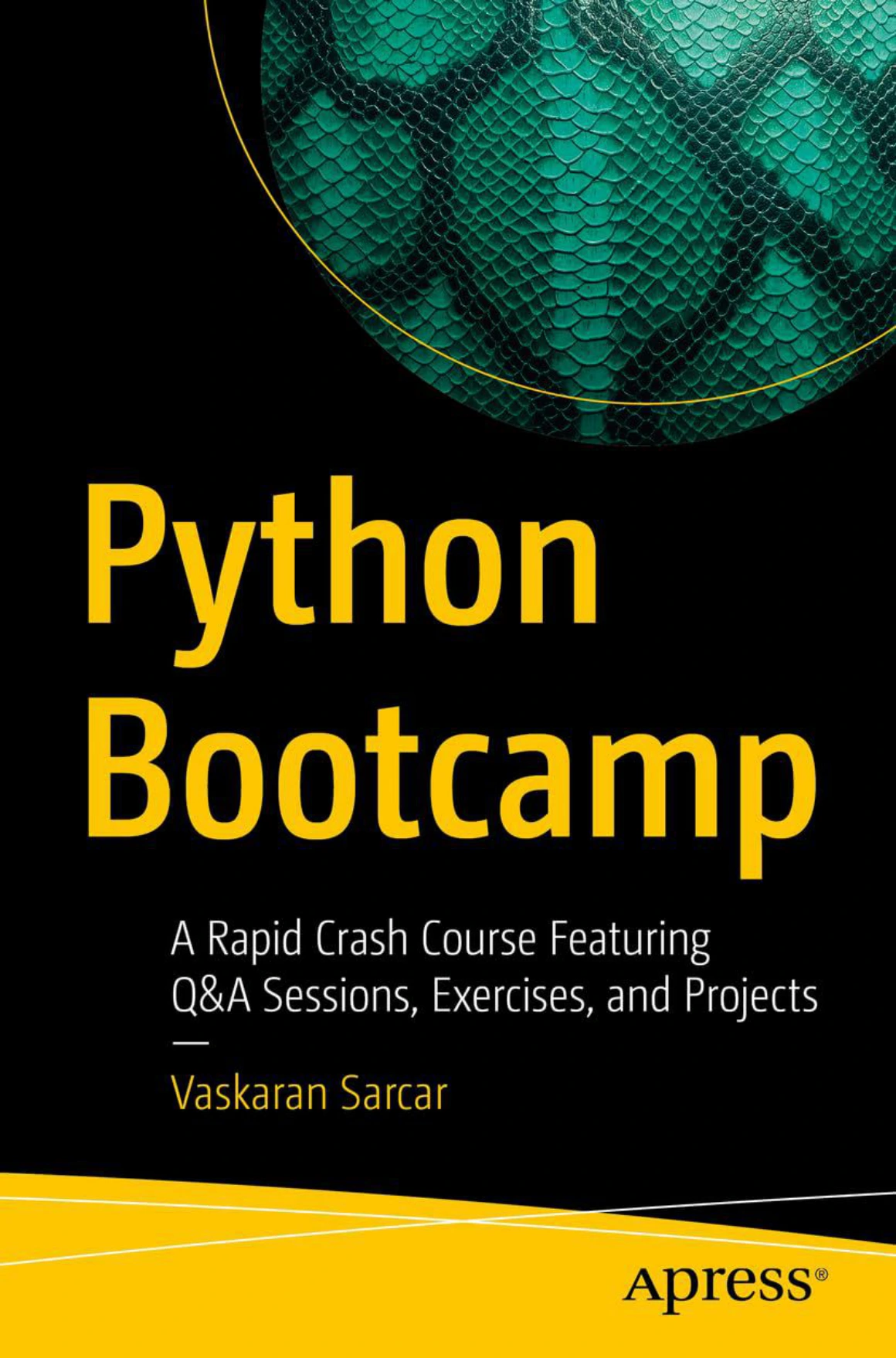
Python Bootcamp: A Rapid Crash Course Featuring Q&A Sessions, Exercises, and Projects
Learners who prefer a fast-paced introduction that includes questions, exercises, and projects.
Give your main resource a fair trial
Set a short, specific checkpoint rather than deciding after one difficult chapter that the whole resource is unsuitable. Work through a small section, attempt its exercises, and note where you get stuck. If the explanations consistently assume knowledge you do not have or do not match your learning needs, then reassess. A moment of confusion by itself is not always a reason to switch.
Add Other Resources for Specific Purposes
A focused plan still leaves room for other materials. The key is to know what job each resource is doing.
- Documentation: Look up a specific question about a built-in feature, syntax, or library rather than trying to read every reference page from start to finish.
- Exercises: Use extra problems when you understand a concept but need more chances to apply it.
- Projects: Make a small program that uses several ideas together. A project can reveal what you understand and what you need to review.
- Alternative explanations: Consult another explanation when a particular idea remains unclear, then return to your main path.
Before following a setup guide or copying an example, check that its instructions fit your Python environment. Installation steps, tool choices, and examples can differ across operating systems or Python versions. You do not need to chase every release to learn fundamentals, but you should notice when a guide’s instructions do not match the version you are using.
A Simple Way to Reset Your Python Learning Plan
- Pick one main resource. Choose a guide that suits your experience and gives you a sequence to follow.
- Choose one small project. Keep it simple enough to finish with the concepts you are studying. A number-guessing game, a basic calculator, or a script that organizes a small task can be a starting point.
- Keep a question list. When you hit a confusing detail, write down the question and continue if you can. Look it up during a set review period instead of opening a new course for every uncertainty.
- Practise before moving on. Try a short exercise or modify an example so that you are using the idea, not only recognizing it on the page.
- Review what you can do. Can you explain the code in your own words? Can you change it and predict what will happen? Those are more useful checks than the number of bookmarks or completed videos.
If you want more practice after working through a first sequence, Python Crash Course: A Comprehensive and Fast-Paced Introduction to Python Programming for Beginners and Experienced Developers Alike is catalog-described as covering fundamentals, data structures, functions, and projects. Consider it as a next structured route or a source of project ideas—not another resource you have to add immediately.
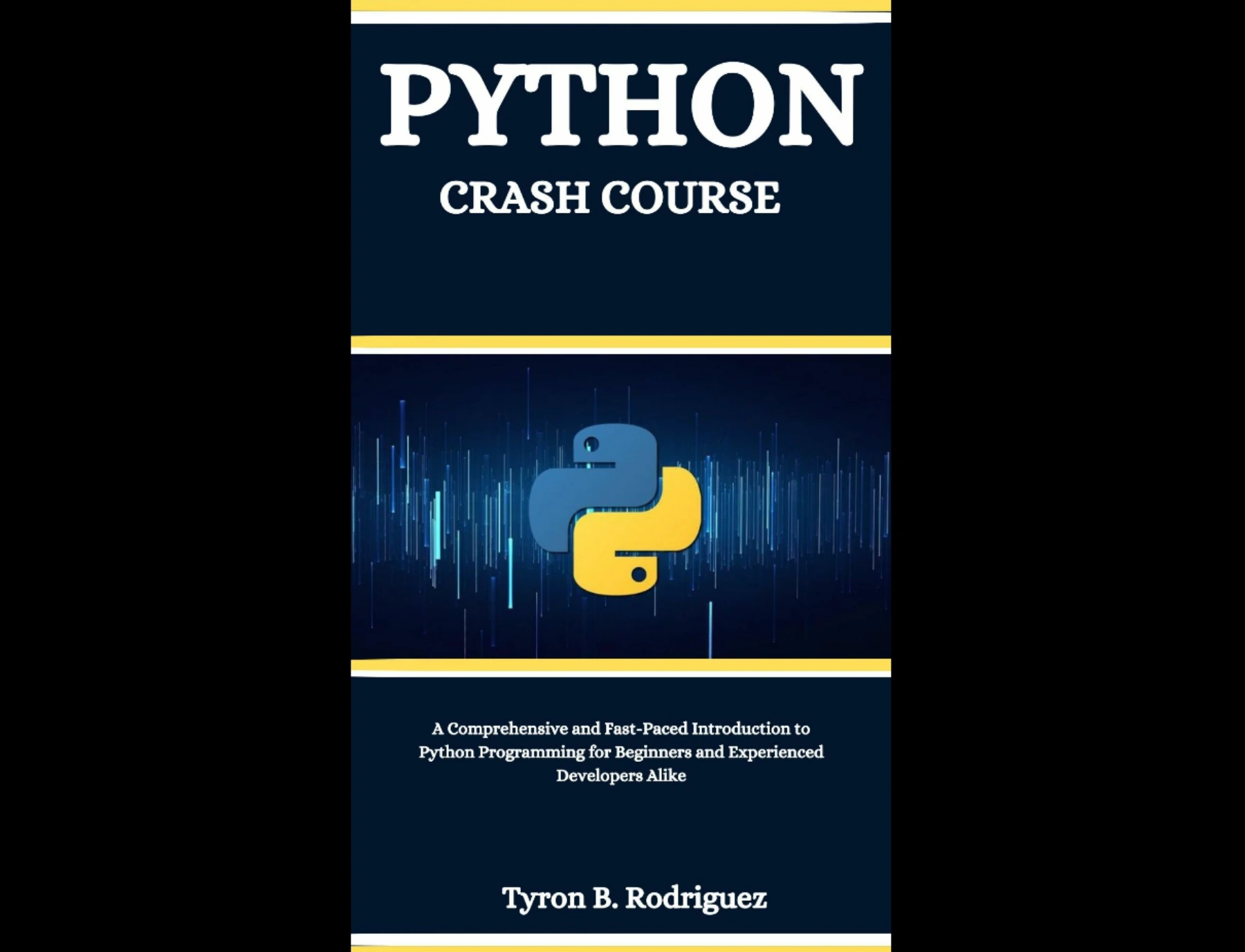
Readers looking for a guide that covers Python basics, data structures, functions, and project work.
Common Resource-Hopping Pitfalls
- Collecting materials instead of practising: Limit browsing time and reserve a regular portion of study time for writing code.
- Changing plans whenever a topic gets difficult: First try a small example, reread the explanation, or consult a targeted reference. Decide whether to switch after you have identified the actual problem.
- Starting several courses in parallel: Multiple sequences can compete for attention. Finish a useful section or project before adding another structured course.
- Assuming a new resource will remove all confusion: Programming concepts often take repeated attempts. A different explanation may help, but practice is still part of learning.
- Using material without checking its context: Confirm that setup instructions and examples fit your Python environment, and be cautious when an old guide relies on steps that no longer work for you.
Frequently Asked Questions
Should beginners use the official Python tutorial?
It depends on what “beginner” means. The official tutorial is aimed at readers who already understand programming generally but are new to Python, and it says it is not comprehensive. If you are new to coding, begin with material that introduces programming concepts from the ground up, then use the official tutorial as a reference when it fits your needs.
How many Python learning resources should I use?
There is no evidence-based number in the supplied research. A practical starting plan is one main learning resource, with documentation, exercises, or another explanation added for a specific purpose. The aim is not to restrict what you can read; it is to keep reading connected to practice.
When should I add another Python resource?
Add one when you can name the gap it will fill: perhaps you need a clearer explanation, more exercises, or help with a particular tool. If you cannot identify a specific need, continue with your current sequence and project before adding more material.
How can I tell whether a Python resource is outdated?
Check its publication or update information, the Python version named in its setup instructions, and whether the examples run in your environment. If a command or dependency does not work, verify it against current official documentation rather than assuming the whole resource is unusable.
Conclusion: Make Your Resources Serve Your Practice
More Python resources are not automatically a problem. The trouble starts when choosing what to study takes the place of studying, or when repeated switching keeps you from applying one idea before moving to the next. Choose a main path that matches your experience, use additional references to answer defined questions, and build small things as you go.
Your progress is not measured by how many tutorials you have saved. It is better reflected in the code you can write, adapt, and explain. When you are ready to explore more structured programming material, browse the Python learning resources and choose only what supports your next step.