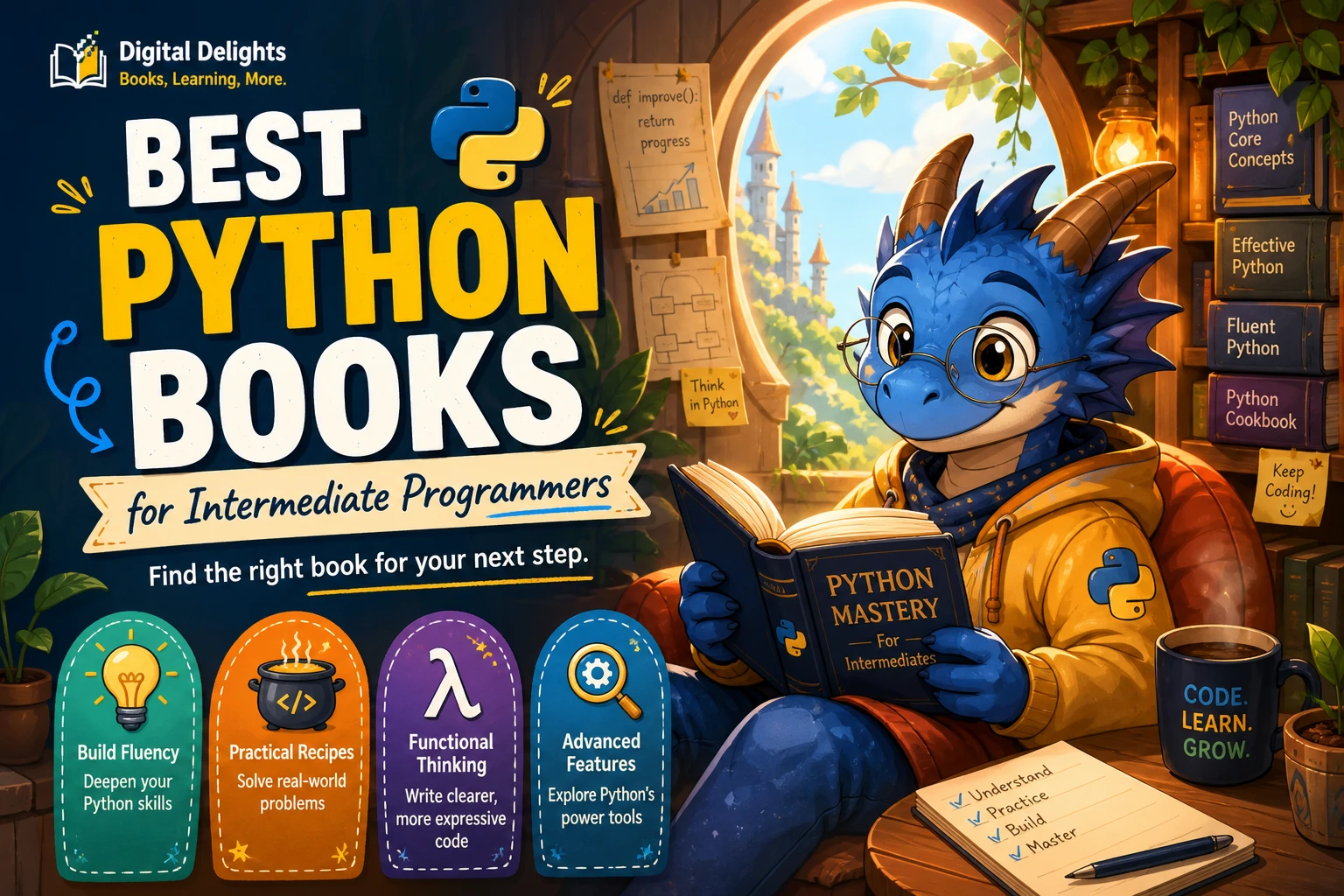
Best Python Books for Intermediate Programmers
Once you can write basic Python, choosing your next book gets less straightforward. You might need a stronger grasp of Python’s idioms, a practical collection of solutions, or a deeper look at topics such as functional programming and metaprogramming. Those are different learning goals, so there is no single book that is best for every intermediate programmer.
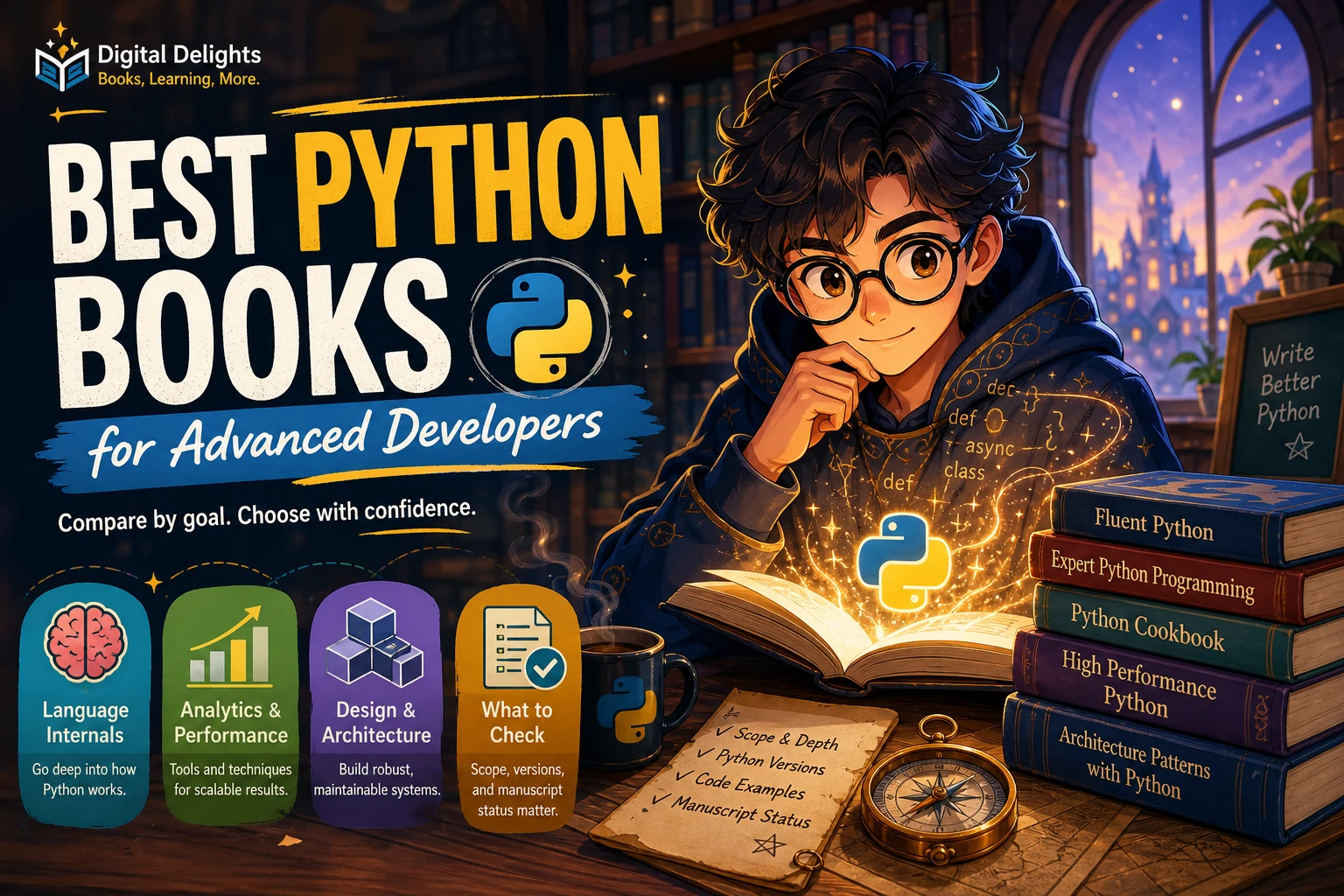
For language depth, consider Fluent Python, 2nd Edition; for practical examples, look at Modern Python Cookbook, Third Edition. If you are an experienced programmer who is new to Python, The Quick Python Book, Third Edition may be a better match. For focused study of functional programming, metaprogramming, or Python’s standard library, several catalog-listed titles offer narrower options. The guide below compares these choices by fit and points out what to check before you commit.
What should an intermediate Python book cover?
“Intermediate” is not a strict level. Some readers know another language well but are new to Python; others have written Python for years and want to understand its less obvious features. Before choosing a book, identify the gap you want it to fill.
- Python-specific fluency: Look for material on how Python’s data model, built-in structures, functions, and type system shape idiomatic code.
- Applied problem-solving: A cookbook or example-led book can help when you want to study practical techniques by topic.
- Structured review: If you know programming but need a systematic Python refresher, check the prerequisites and how much introductory material the book repeats.
- A particular paradigm or advanced feature: Functional programming, decorators, metaclasses, and descriptors are specialized subjects; a focused title may be useful, but it is not necessarily a broad intermediate course.
- Current examples: Check the edition and any stated Python version. Older examples can still explain concepts, but version-sensitive code may need adjustment.
Best Python books by learning goal
For deeper Python fluency: Fluent Python, 2nd Edition
O’Reilly positions Luciano Ramalho’s Fluent Python, 2nd Edition for intermediate-to-advanced readers. Its coverage includes data structures, type hints, protocols, asynchronous programming, concurrency, and metaprogramming. That breadth makes it a candidate for readers who already write Python and want to understand the language more deeply, rather than simply revisit introductory syntax. The publisher lists the second edition as released in April 2022; check the edition details and sample material to decide whether its treatment suits your current work. See the publisher’s description of Fluent Python, 2nd Edition.
For practical, topic-by-topic solutions: Modern Python Cookbook, Third Edition
A cookbook is useful when you prefer to look up a technique, inspect an example, and adapt it to a task. The publisher describes Modern Python Cookbook, Third Edition as covering topics such as testing, virtual environments, dependency management, and type hints, with recipes tailored to Python 3.12. It recommends prior knowledge of programming concepts and Python basics. This suggests an applied companion rather than a start-to-finish course. Confirm that the stated version and recipe topics align with your own environment. Read the publisher’s details for Modern Python Cookbook.
For programmers learning Python specifically: The Quick Python Book, Third Edition
If you already understand programming concepts but have limited Python experience, a book that quickly covers Python’s own foundations may be more useful than one aimed at advanced language internals. Manning’s description says The Quick Python Book, Third Edition assumes familiarity with concepts including control flow, object-oriented programming, file access, and exceptions, then teaches Python fundamentals. It may suit a language switcher who wants a focused orientation, but could repeat material for someone already fluent in Python. Check the publisher’s description and prerequisites.
For functional techniques: Functional Python Programming, Third Edition
Steven F. Lott’s Functional Python Programming, Third Edition is a focused option for Python programmers curious about a function-centered style. The catalog description covers pure functions, immutability, iterators, generators, lazy processing, decorators, concurrency, and web services. It is a better fit when you specifically want to explore functional techniques than when you need a general Python overview. Review the book’s listed topics and edition details before choosing it.
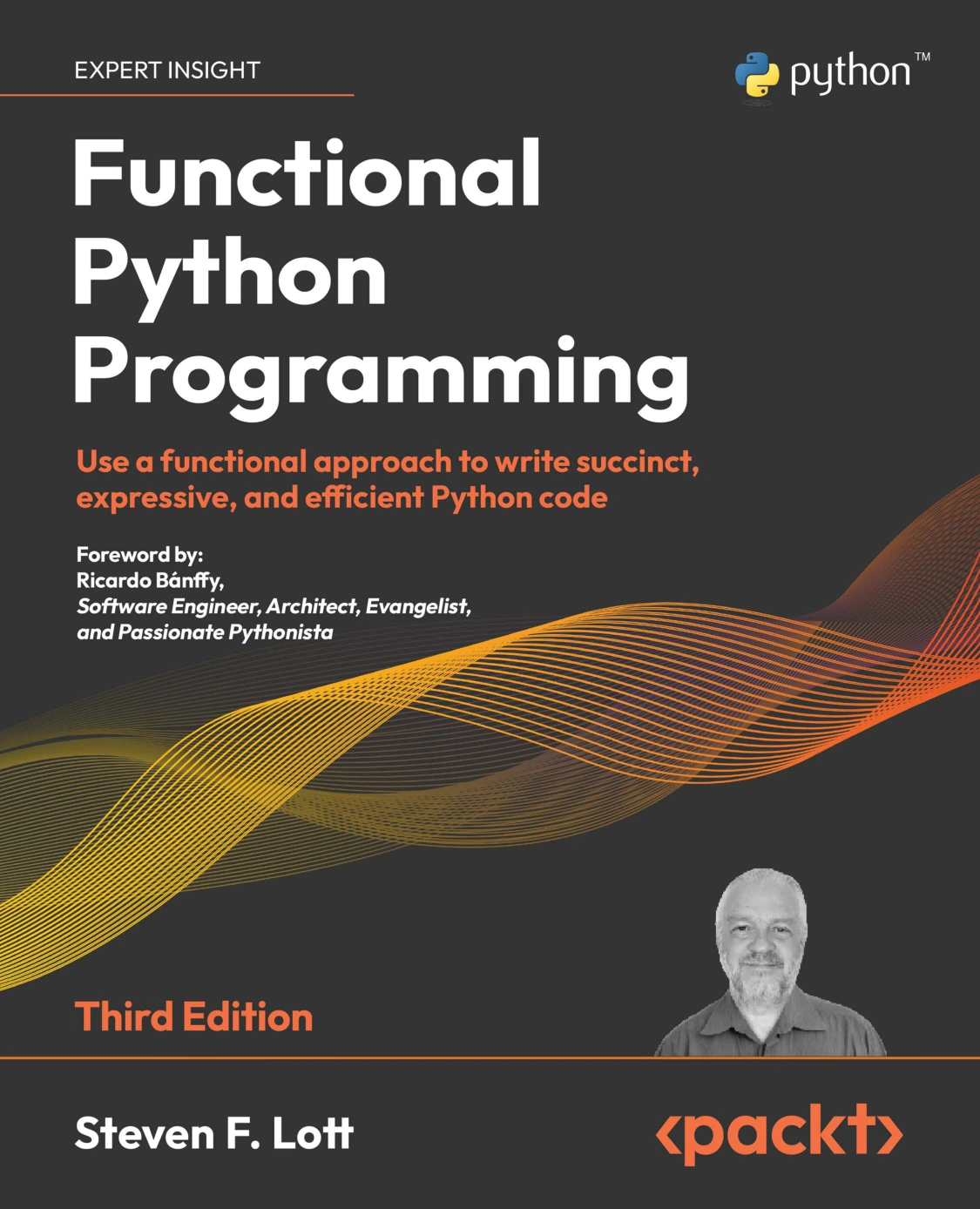
Python readers seeking focused coverage of pure functions, iterators, generators, and lazy processing.
For decorators, metaclasses, and runtime behavior: Metaprogramming with Python
Metaprogramming with Python by Sulekha AloorRavi focuses on tools for writing reusable, adaptable code. Its catalog description lists object-oriented foundations, decorators, metaclasses, introspection, reflection, generics, and typing. These are specialized areas, so this title is most relevant if you already feel comfortable with ordinary classes and functions and want to study how Python can inspect or shape program behavior. It should not be treated as a general-purpose intermediate curriculum. Review the Metaprogramming with Python catalog description.
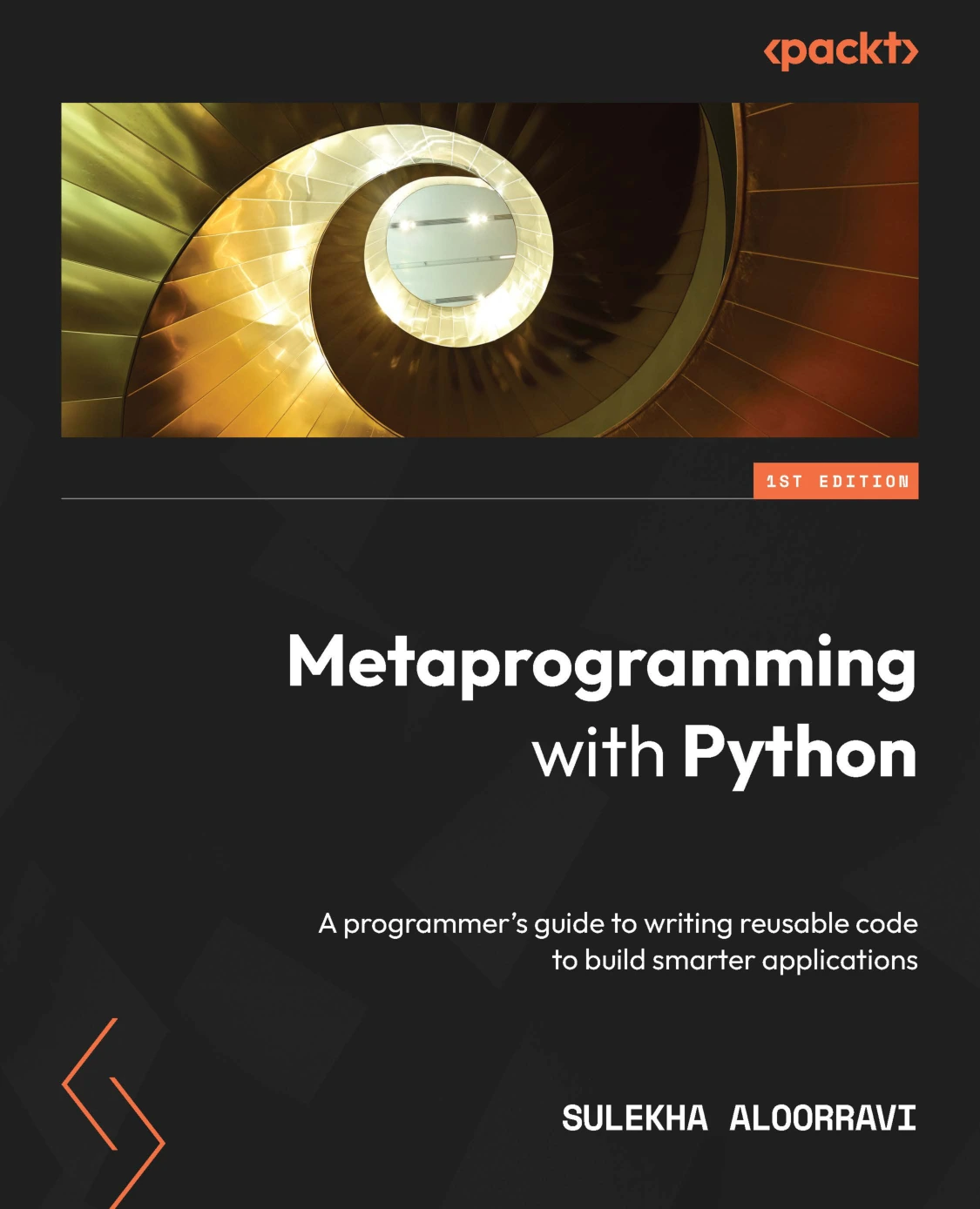
Programmers comfortable with Python basics who want to study decorators, metaclasses, introspection, reflection, and typing.
For advanced language internals: The Python Master
Robert Smallshire and Austin Bingham’s The Python Master is described in the catalog as the advanced volume in a Python trilogy. Its listed subjects include descriptors, metaclasses, byte-oriented programming, object internals, and class creation. That scope may appeal to a reader who wants to investigate Python’s deeper mechanics, but the title is a specialized advanced option—not an all-purpose next step for every intermediate programmer. See the listed topics for The Python Master.
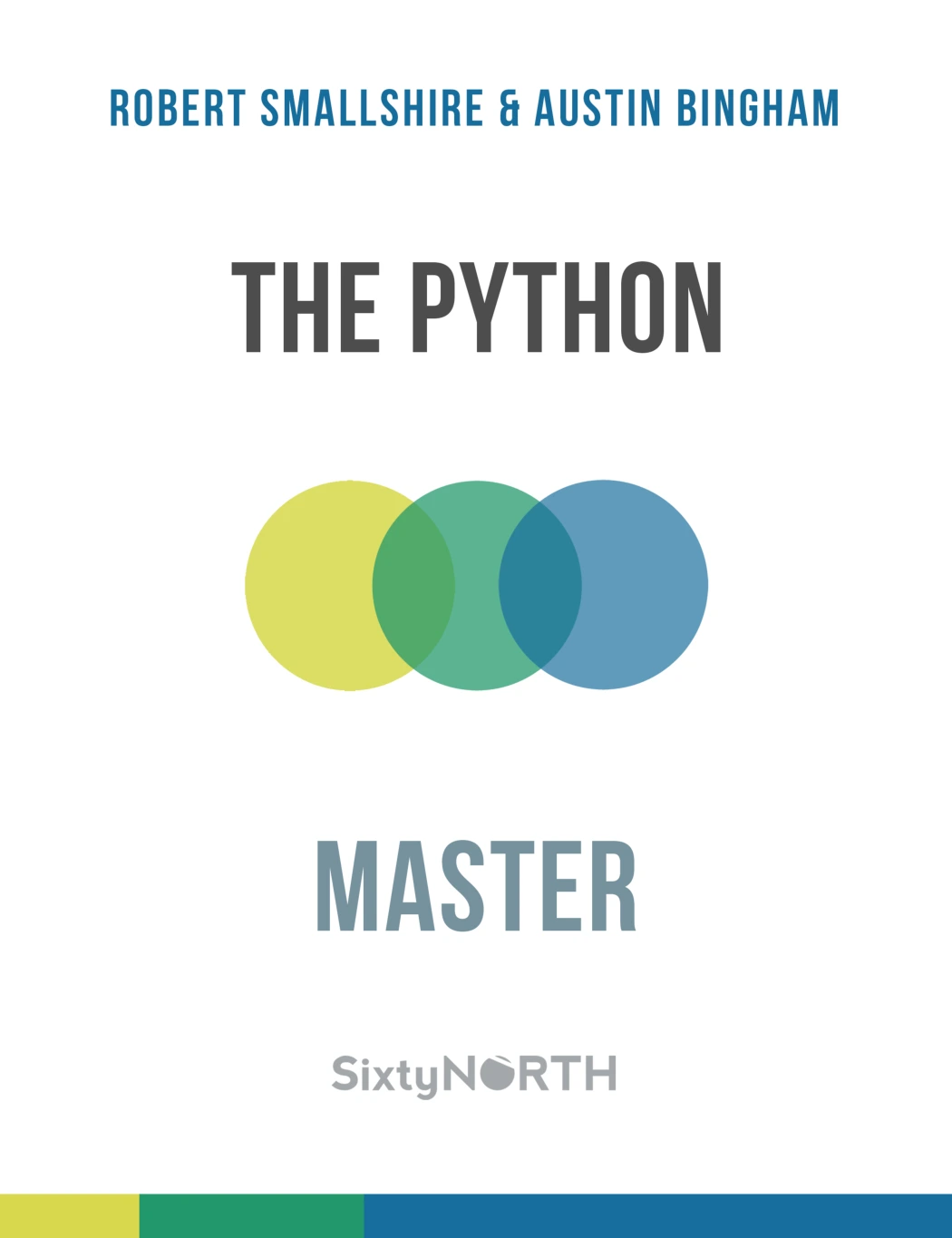
Readers looking for focused material on descriptors, object internals, metaclasses, and byte-oriented programming.
For a broad practical reference: Python 101
Michael Driscoll’s Python 101 spans introductory material and practical reference topics. The catalog description includes standard-library subjects such as CSV files, logging, SQLite, subprocesses, and threading, as well as debugging, profiling, testing, and packaging. This breadth may help readers who want to fill knowledge gaps or look up everyday tools. Because the catalog lists an edition updated in 2019, check whether its examples match your target Python version before relying on them unchanged. Review the Python 101 topics and edition information.
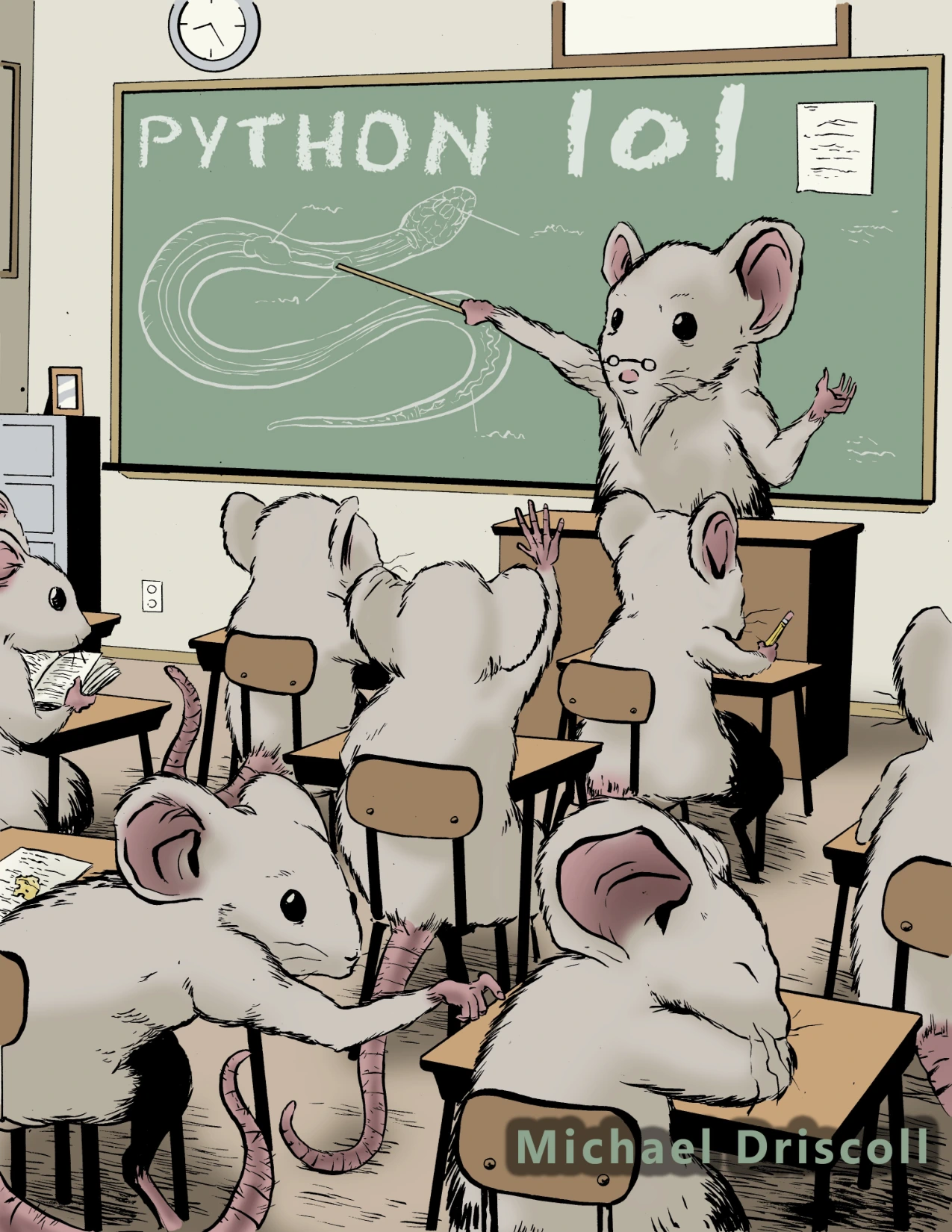
Learners who want to review practical Python tools, debugging, testing, and packaging while checking edition compatibility.
Quick comparison: which book fits your goal?
| Book | Best fit | Main focus | What to keep in mind |
|---|---|---|---|
| Fluent Python, 2nd Edition | Python users seeking greater language fluency | Data structures, typing, protocols, concurrency, and other Python-specific topics | Publisher positions it at intermediate-to-advanced level; check its edition and scope. |
| Modern Python Cookbook, Third Edition | Learners who prefer practical, modular examples | Recipes including testing, environments, dependencies, and type hints | Publisher describes recipes for Python 3.12; it is not necessarily a linear course. |
| The Quick Python Book, Third Edition | Experienced programmers who are new to Python | A focused route through Python fundamentals | May overlap with knowledge you already have if you use Python regularly. |
| Functional Python Programming, Third Edition | Python programmers exploring functional approaches | Pure functions, iterators, generators, and lazy processing | A specialized topic guide rather than a comprehensive Python survey. |
| Metaprogramming with Python | Readers ready to explore Python’s dynamic features | Decorators, metaclasses, introspection, reflection, and typing | Best considered after you are comfortable with ordinary Python and OOP. |
| The Python Master | Readers interested in advanced language internals | Descriptors, object internals, metaclasses, and byte-oriented programming | Its catalog description presents it as an advanced, focused volume. |
| Python 101 | Readers seeking a broad practical reference | Standard-library tools, debugging, testing, and packaging | Catalog edition information is older; verify version-sensitive examples. |
This is a fit-based comparison, not an objective ranking. Publisher descriptions and the supplied catalog establish stated coverage and intended audiences, but they do not establish that one title produces better learning outcomes than another.
How to choose the right book for you
- Name the problem you want to solve. Are you struggling to write idiomatic Python, looking for reusable recipes, or trying to understand a particular feature such as generators or metaclasses?
- Match the format to your learning style. A structured guide gives a more continuous path. A cookbook is easier to consult when you have a specific problem. A specialized book goes deeper in one area.
- Check the prerequisites. Look for whether the book expects Python experience, general programming knowledge, or familiarity with object-oriented design.
- Check the edition and examples. Compare the book’s stated Python version with the one you use. For older titles or version-sensitive examples, run code in your environment and consult current documentation when behavior differs.
- Use one main book at a time. Choose the resource that addresses your most important gap, then add a specialized reference if a project calls for it.
If you want to browse additional catalog options, visit the Python books and resources category.
How to get more from an intermediate Python book
Reading alone rarely reveals whether you can use a programming idea independently. Turn each chapter or recipe into a small practice cycle:
- Run the example. Confirm what it does before changing anything.
- Predict a change. Alter an input or condition and write down what you expect to happen.
- Modify the code. Adapt the example to a slightly different task rather than copying it into a project unchanged.
- Explain the trade-off. Note why this approach may be useful and what complexity it introduces.
- Apply it in a small project. A command-line tool, data-cleaning script, or simple file-processing task can give the technique a practical context.
For a cookbook, try to solve the problem before reading the recipe. For a conceptual book, write a small example that demonstrates the idea. Keep notes on concepts you can explain and use without looking at the page; those are better signs of progress than simply finishing chapters.
Frequently asked questions
Is an intermediate Python book useful if I already know another programming language?
It can be, but choose a book that teaches Python’s own conventions and features rather than spending most of its space explaining general programming concepts. A title aimed at experienced programmers learning Python may help with a transition; one focused on language depth may suit you if you already write Python.
Should I choose a Python cookbook or a structured guide?
Choose a structured guide if you want a planned progression through related concepts. Choose a cookbook if you prefer to consult examples by topic and already have enough background to adapt them. Some learners use both: one as the main learning path and the other as a practical reference.
How important is the Python version in a book?
It matters most when examples depend on version-specific behavior, libraries, or tooling. Check the edition and any stated Python version, especially for older books. You can still learn durable concepts from earlier material, but verify code against the version you use.
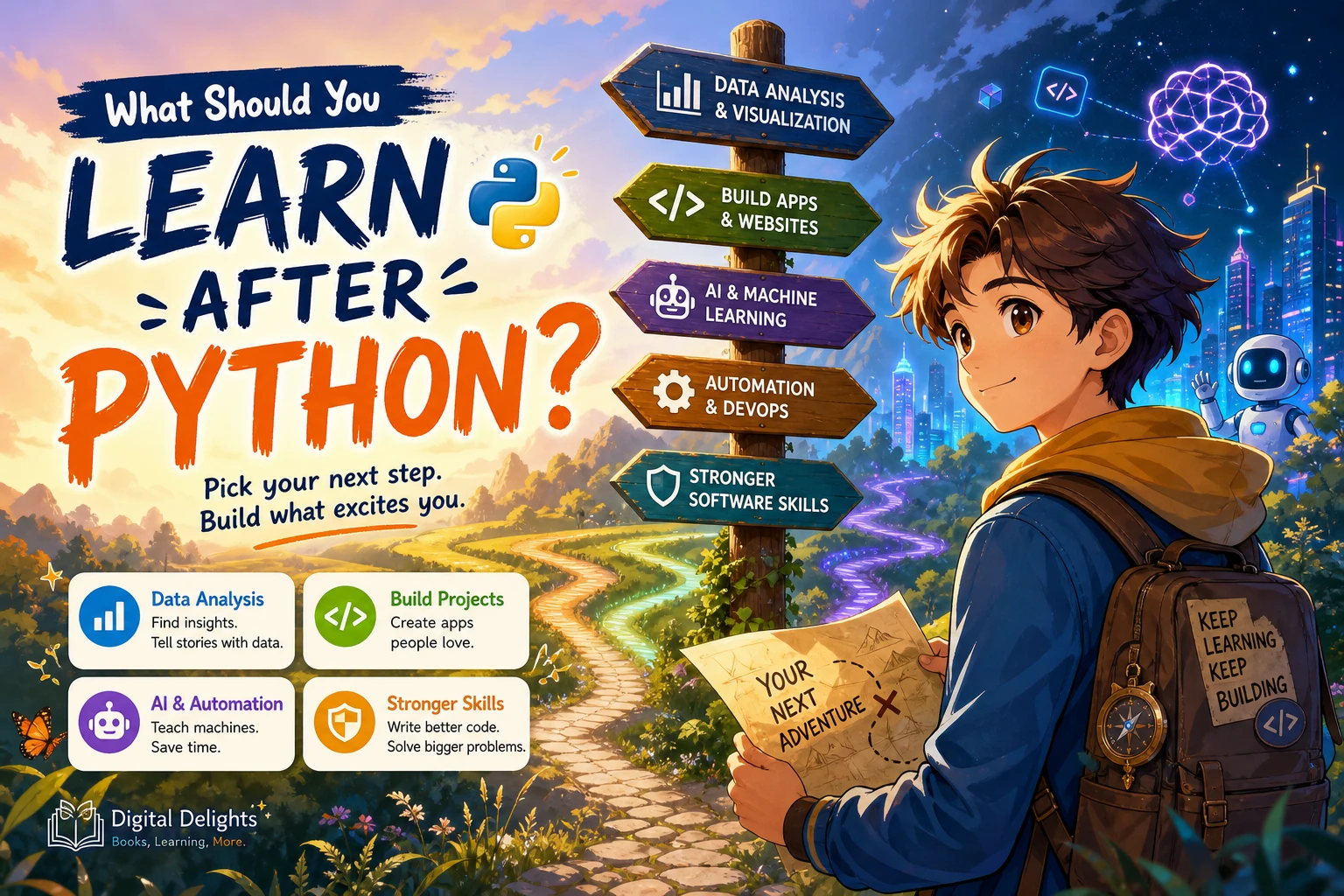
What should I study after Python basics?
Choose based on what you want to build. Strengthen language fluency if you want to write clearer Python; study testing, packaging, and debugging for more dependable projects; or explore a focused area such as data analysis, web development, or machine learning when you have a concrete reason to do so.
Final recommendation
For many intermediate programmers, the useful next step is not the most advanced book; it is the book that addresses a real skill gap. Consider Fluent Python for broader Python-specific depth, Modern Python Cookbook for applied recipes, or The Quick Python Book if you know programming but are still learning Python. If your goal is narrower, the catalog-listed books on functional Python, metaprogramming, advanced internals, and practical reference topics offer more focused paths. Check prerequisites, edition details, and example compatibility before choosing.