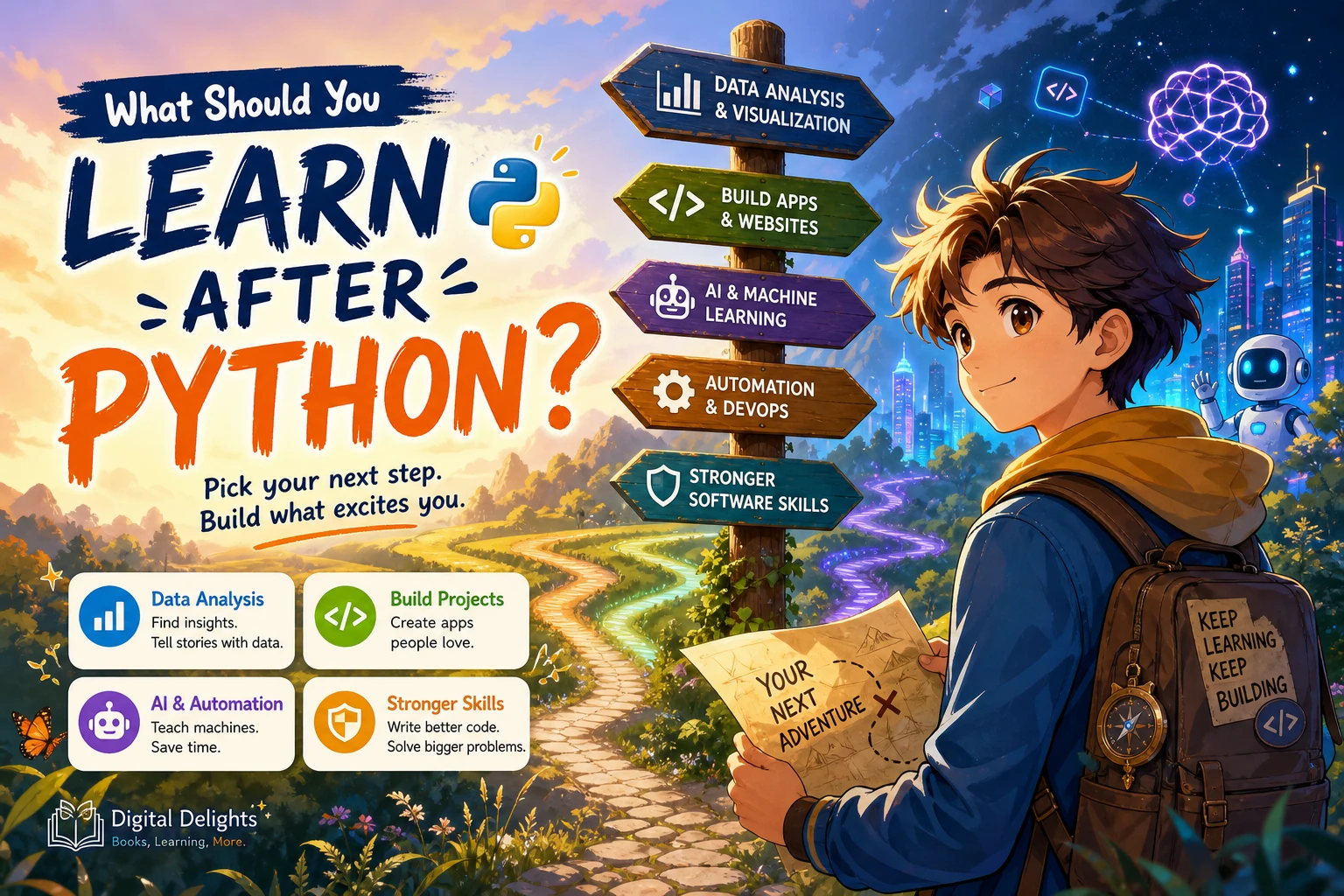
What Should You Learn After Python?
There is no single language or skill everyone should learn after Python. The right next step depends on what you want to make: analyze data, build an app, automate a task, explore AI, or develop more maintainable software. In many cases, the best move is to use Python for a complete small project before adding another language.
A practical starting point is to choose one goal, build something modest, and learn the tools you need as you meet real problems. If you are not sure which direction fits, use this quick guide:
- Want to understand information? Try a data analysis project and learn the relevant statistics as you go.
- Want people to interact with your work? Build a small web app, then learn the framework and deployment steps it requires.
- Want to save time on repetitive work? Turn one recurring task into a reliable Python script.
- Curious about AI? Start with a narrow, testable project and fill in missing concepts along the way.
- Want to become a stronger programmer? Focus on testing, readable code, project structure, and version control before switching languages.
First, check that your Python foundation is ready
You do not have to know every corner of Python before choosing a specialty. But it helps to be comfortable with the building blocks that let you solve problems without following a tutorial line by line.
As a quick self-check, can you:
- Write functions and choose useful names for them?
- Work with strings, lists, dictionaries, and other common collections?
- Split a program into modules and import code where it is needed?
- Handle likely errors with exceptions?
- Read an error message, investigate the cause, and make a correction?
- Build a small program whose parts work together?
If one or two areas feel unfamiliar, you can practise them inside your next project rather than pausing all progress. A structured introduction such as Think Python: How to Think Like a Computer Scientist, 3rd Edition covers core programming concepts, including functions, collections, files, and object-oriented programming. For practice built around exercises and case studies, Python Bookcamp: Exercises and Projects is another catalog option.
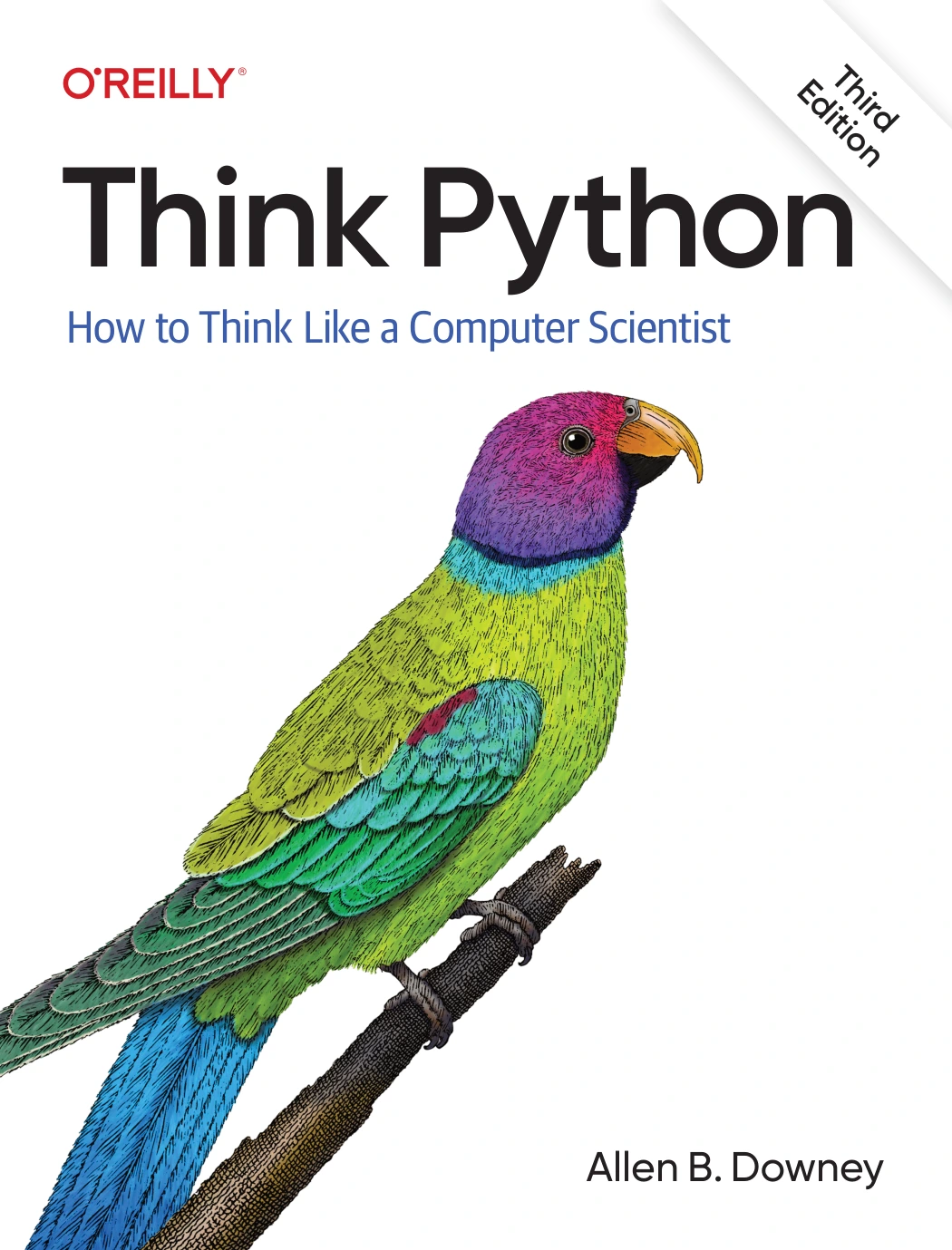
Think Python: How to Think Like a Computer Scientist, 3rd Edition
Learners who want structured coverage of functions, collections, files, and object-oriented programming.
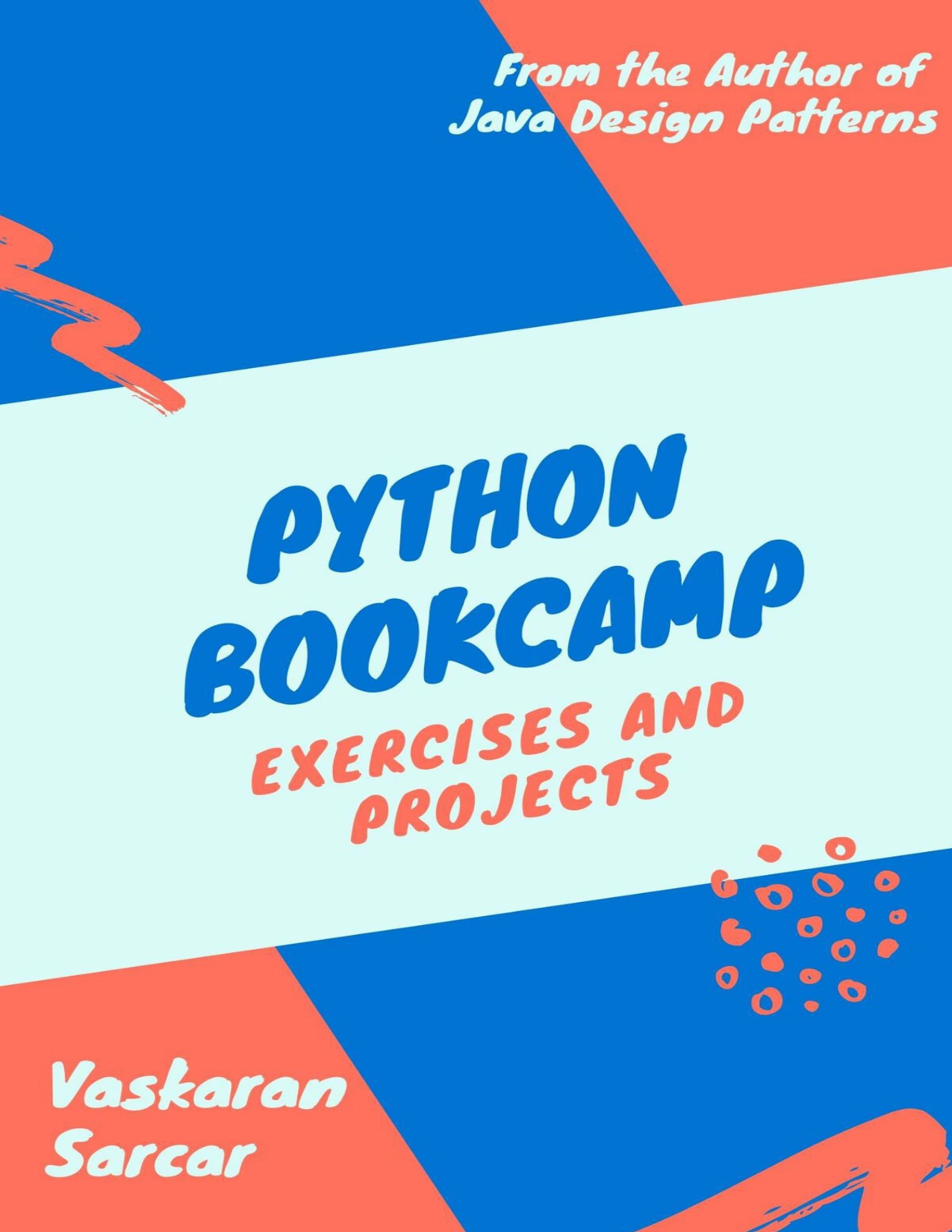
Python Bookcamp: Exercises and Projects
Learners who want to reinforce Python fundamentals by writing and modifying programs.
Build good project habits as you learn
Beyond syntax, a few habits make it easier to work on projects that are more than one-off scripts:
- Use virtual environments: Keep a project’s installed packages separate from other projects. The Python documentation for venv explains how Python’s standard-library tool creates virtual environments.
- Organize code into modules: Separate distinct jobs so a project is easier to understand and change. The Python Tutorial covers modules and packages as well as core language features.
- Test important behavior: Check that key functions produce the results you expect, including when inputs are unusual.
- Keep changes traceable: Learn the basic workflow of version control so you can review changes and return to a known working version.
These are useful next skills, not a checklist you must finish before specializing. Add them when they help your current project.
Choose a path based on what you want to build
Think of the options below as starting points rather than fixed career tracks. You can move between them, and one small project may help you decide what to explore next.
Data analysis and data science
If you want to answer questions with data, start with a dataset that interests you. Inspect its fields, check for missing or inconsistent values, summarize what it contains, and make a few clear visualizations. Then write down what the results do—and do not—support.
A sensible learning sequence is:
- Practise loading and inspecting a dataset.
- Learn to clean and reshape the information you need.
- Build a grounding in relevant statistics, such as averages, variation, and how samples can mislead.
- Present your findings with charts and a short explanation.
Keep the first project focused. For example, compare a few categories in a public dataset rather than trying to build a predictive model immediately. This lets you practise the complete analysis process and notice which skills you need next.
Web applications
If your goal is to let someone use a program through a browser, make a small application with a clear purpose: a searchable list, a simple calculator, or a form that returns a useful result. Python can handle the application logic; the exact framework and any additional browser technologies depend on what the app needs.
For a route that keeps the app-building work in Python, Web App Development Made Simple with Streamlit is a relevant catalog resource. Its description covers creating interactive apps, working with interface elements, and deployment. Treat deployment as a later step: first make the app useful on your own machine, then work out how to share it.
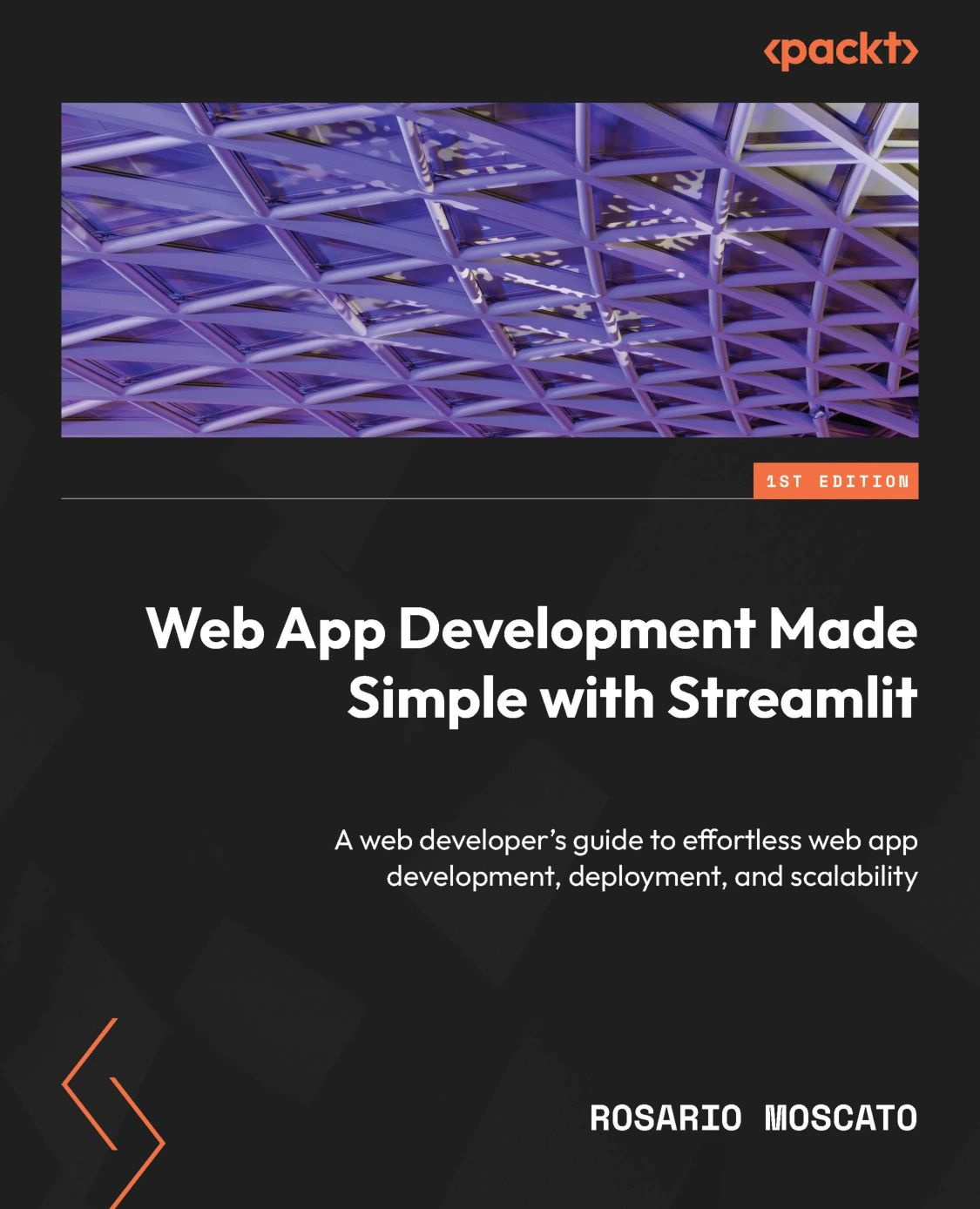
Web App Development Made Simple with Streamlit
Python learners interested in building and deploying interactive applications.
Automation
Automation is a practical choice if you repeatedly rename files, combine reports, transform spreadsheet data, or perform another predictable series of steps. Write down the task, identify the inputs and expected outputs, and automate one part at a time. Include checks for missing files or unexpected values so the script does not silently produce bad results.
If spreadsheet work is your starting point, Python for Excel Users: Know Excel? You Can Learn Python is aimed at readers who want to connect existing spreadsheet knowledge with Python fundamentals and automation. A small first project might create a consistent summary from a workbook you already use.
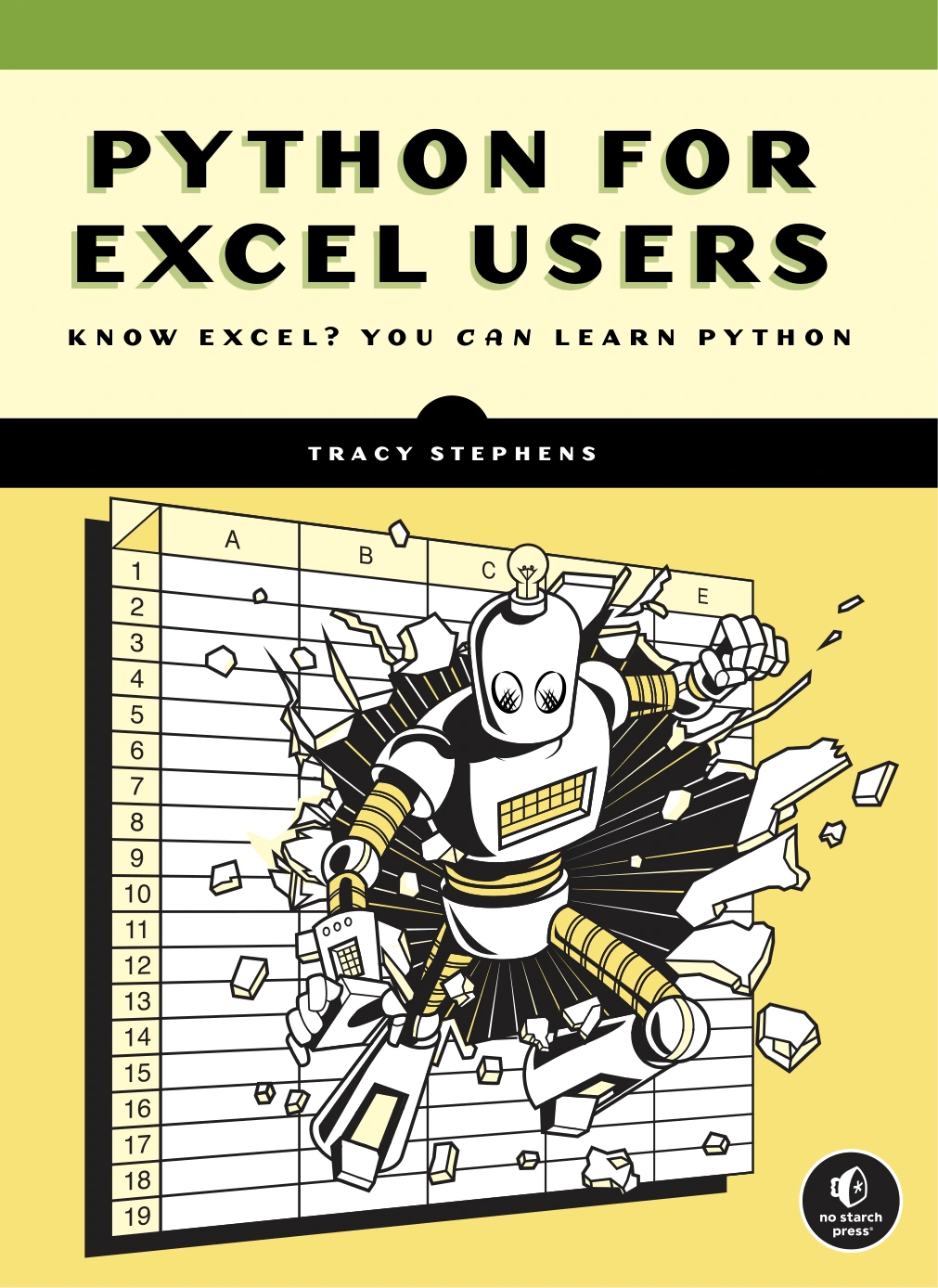
Python for Excel Users: Know Excel? You Can Learn Python
Excel users interested in learning Python through spreadsheet-related work.
AI and machine learning
AI is one possible direction, not an automatic next chapter for every Python learner. Begin with a concrete question: do you want to classify items, make a chatbot, or explore a model running locally? Then identify the programming and subject knowledge that particular project requires. A working, limited example is usually a clearer learning target than trying to study every AI topic at once.
For an introductory chatbot-oriented project, the catalog includes The Beginner’s Guide to Creating AI Chatbots, which describes topics including chatbot types, natural language processing, and development with Python. Use a resource like this to explore a specific application area, while checking its prerequisites and tools against your own goals.

The Beginner’s Guide to Creating AI Chatbots
Learners exploring chatbot types, NLP, and Python-based development.
Broader software development
If you enjoy building programs but have not chosen a domain, deepen your general development skills. Practise breaking a problem into smaller functions, giving modules clear responsibilities, handling errors, and testing important behavior. Learn to read and improve code you wrote earlier, not just to produce new code.
When you can maintain a small Python project, algorithms and data structures are a useful area to explore. They help you reason about how solutions work and how different approaches compare. The Bible of Algorithms and Data Structures: A Complex Subject Simply Explained covers topics including runtime complexity, sorting, graph theory, and common data structures.
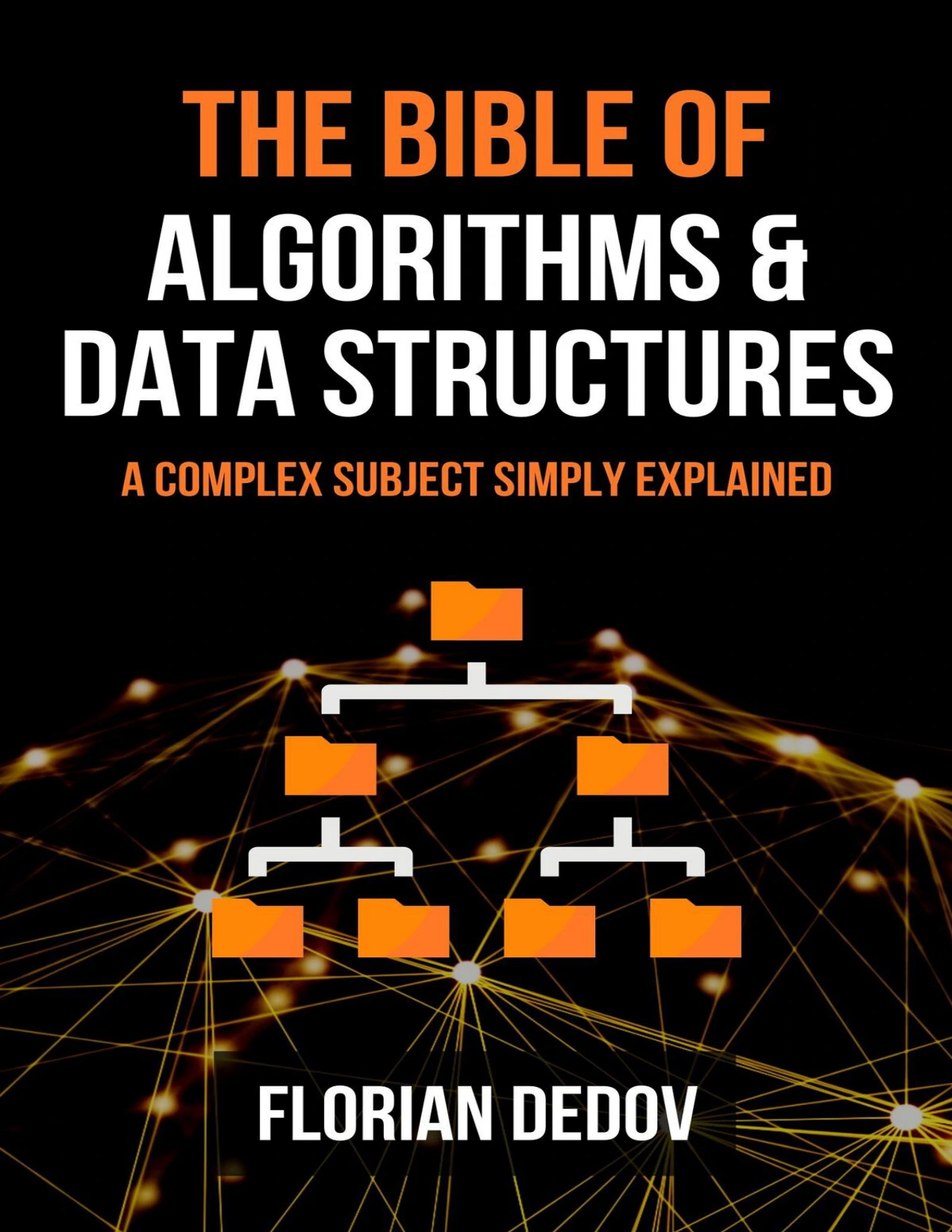
The Bible of Algorithms and Data Structures: A Complex Subject Simply Explained
Python learners ready to explore complexity, sorting, graphs, and core data structures.
Should you learn another programming language?
Only if it helps with something you want to build. You can learn a great deal by taking Python further: organizing a project, using packages, testing behavior, and making a useful tool. Moving to a new language before applying what you know can add more syntax to learn without making your goal clearer.
A second language or technology can make sense when a specific project calls for it. For example, a browser interface may require tools beyond Python, while a data project may need a way to query a database. Those are project-dependent choices, not a universal sequence of subjects everyone should study after Python.
Ask yourself: What would this tool let me do that I cannot do comfortably with my current approach? If you have a concrete answer, learn enough to try it. If not, build a project in Python first.
A simple next-step plan
- Choose one outcome. Pick something you would like to analyze, automate, or make usable by another person.
- Make the first version small. Define one clear input and one useful output.
- Build before collecting more tutorials. Work through the parts you understand and note specific questions when you get stuck.
- Identify the missing skill. Is the obstacle data cleaning, organizing code, building an interface, or something else?
- Learn that skill in context. Use documentation or a learning resource to solve the problem in front of you.
- Review and improve the result. Test it, make the code easier to follow, and record what you would change in a second version.
Before following a course or installing a library, check which Python versions its instructions support. The version listed as current by a download page may not match the version supported by every project dependency or learning resource.
Common mistakes to avoid
- Collecting tutorials without building: Watching or reading can introduce ideas, but a project shows where your understanding is incomplete.
- Starting several specializations at once: Switching between data science, web development, and AI can make it hard to finish anything. Choose one small experiment first.
- Assuming there is one correct next language: A language is a tool for a purpose. Let the project guide the choice.
- Making the first project too ambitious: Reduce its scope until you can describe a useful first version in a sentence.
- Skipping maintenance: A script that works once may still need error handling, clear instructions, and checks before it is dependable.
Frequently asked questions
Do I need to master Python before specializing?
No. You need enough foundation to understand and modify the code involved in your first project, but you can learn additional Python concepts as they become relevant. Start with a manageable goal and strengthen gaps as you encounter them.
Should I learn SQL or JavaScript after Python?
It depends on the project. SQL can be useful when you need to work with data stored in a relational database. JavaScript may be relevant when you want to create behavior in a web browser. Neither is a required next step for every Python learner; choose based on what you want your project to do.
Is Python enough to build a complete project?
Python can be enough for many useful tools and scripts. A project with a browser-based interface, database, or external service may need other technologies too. Define what “complete” means for your project, then add tools only when that definition requires them.
What should I learn after Python if I’m interested in AI?
Choose one specific AI-related application, such as a chatbot, and build a small version. Learn the Python libraries and underlying concepts that the project needs, and check the resource’s prerequisites. You do not need to study every part of AI before trying a focused project.
Conclusion: let your next project choose the next skill
The most useful answer to “what should you learn after Python?” is the skill that helps you finish something you care about. Deepen your Python, try a focused project in data, apps, automation, or AI, and add another language only when your goal gives you a reason. One completed project will give you a clearer sense of what to learn next than a long list of technologies.