
Python vs Java: Which Should Beginners Learn First?
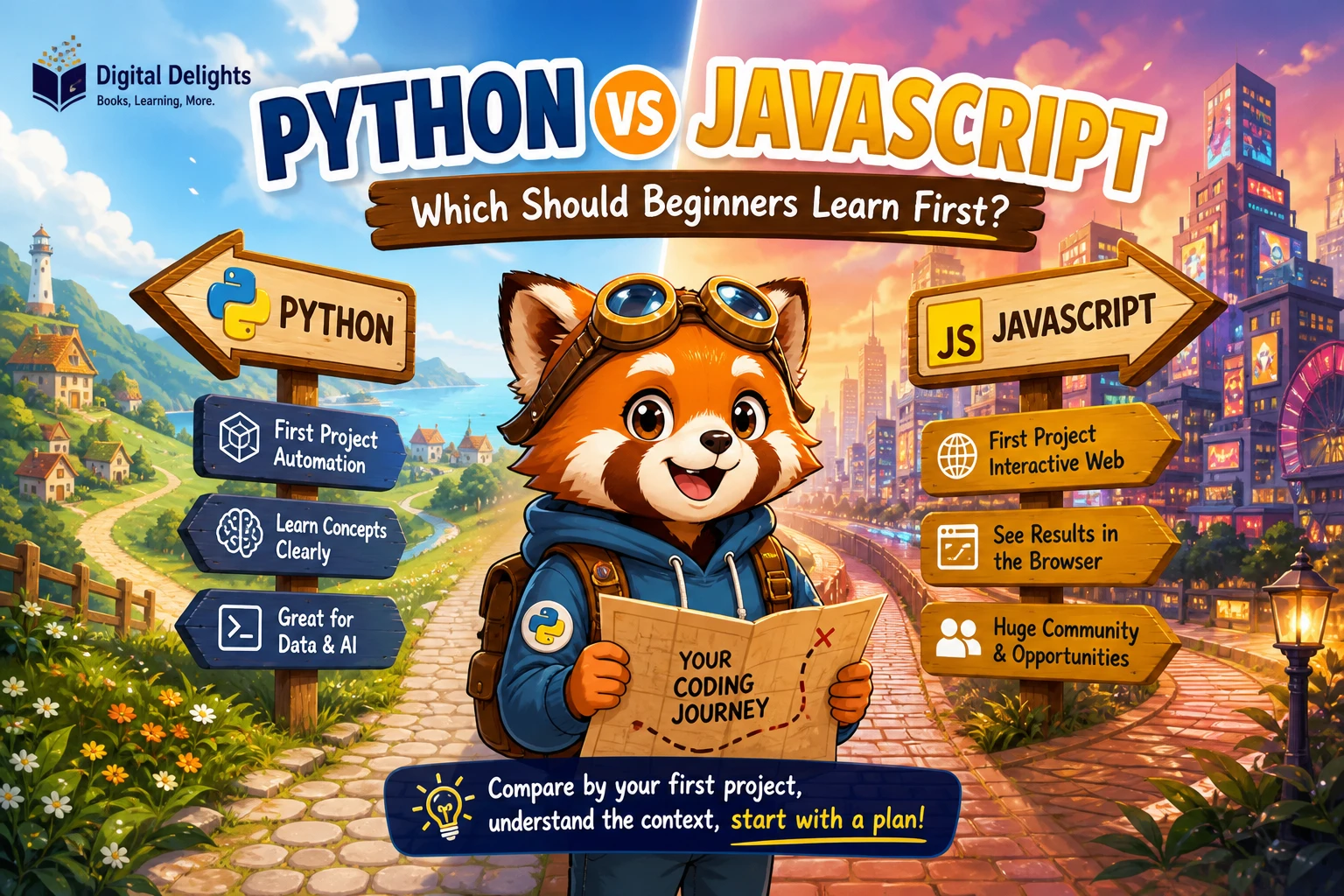
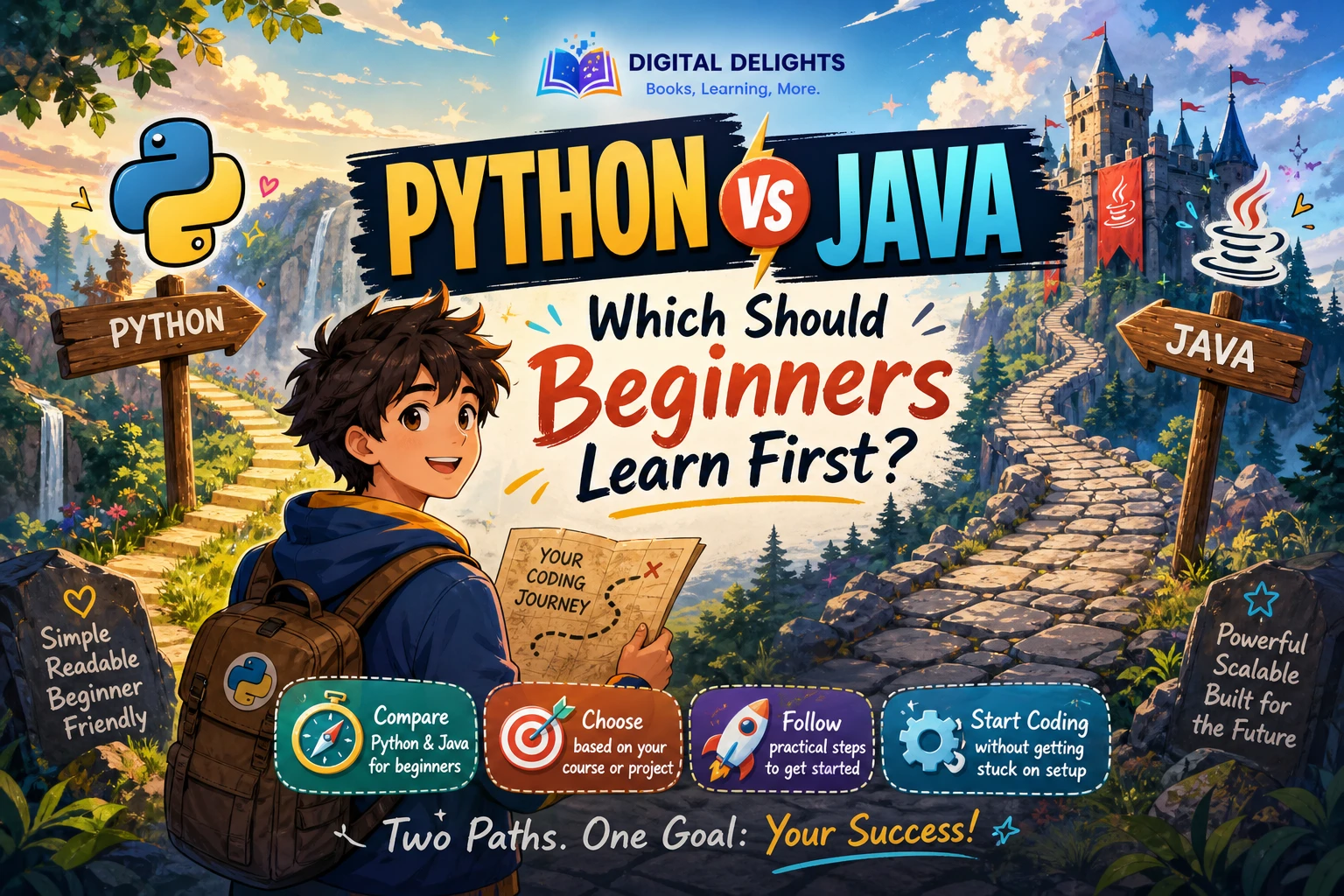
If you are choosing your first programming language, Python is a sensible default when you have no specific course or project requirement. Choose Java first if your class, project, or learning materials expect you to use Java. That is practical advice—not proof that one language teaches programming better.
The useful question is not simply which language is easier. It is which one helps you start making progress toward your goal with the least friction. This guide compares the first steps, offers a way to decide, and explains how to begin without getting stuck in setup or switching languages too soon.
Python vs Java for beginners: the short answer
Start with Python if you are exploring programming and do not yet have a particular language requirement. Its official tutorial describes Python as interpreted and dynamically typed, and introduces the language’s basic concepts. These characteristics help explain its style, but do not establish that every beginner will learn faster with Python.
Start with Java if a course, assignment, or project specifically uses it. Following the language your materials expect avoids translating examples while you are also learning programming fundamentals. Java can be taught to newcomers; a beginner guide, for example, starts with creating, compiling, and running a program.
There is no need to treat this as a permanent choice. Learning one language first does not prevent you from learning the other later.
What differs in the first learning experience?
Both languages can take you from basic instructions to useful programs. The difference for a new learner is partly how you encounter and run your first code, and partly what your course or guide expects you to do.
| Decision point | Python | Java |
|---|---|---|
| First steps | The official tutorial introduces core language concepts and describes Python as interpreted and dynamically typed. | A beginner learning path may start by creating, compiling, and running a Java program. |
| What to follow | Use the setup and version specified by your chosen course or guide. | Check which JDK, development environment, or command-line workflow your course or project requires. |
| Good reason to choose it first | You want a general starting point and have no language requirement. | Your class, assignment, or intended project specifically uses Java. |
| What the comparison cannot tell you | It cannot establish which language will be easier or more effective for you personally. Learner experience depends on the materials, practice, and goal. | |
These are differences in language characteristics and common learning steps, not a ranking of educational outcomes. The Python tutorial explains Python’s basic features, while an O’Reilly Java beginner guide illustrates a create-compile-run starting workflow. The latter is tied to Java SE 17, so follow current instructions from your course or another up-to-date source for installation details.
Choose the language that fits your goal
Use this quick decision guide before downloading tools or choosing a book:
- Your class specifies a language: Begin with that language and follow the instructor’s version and setup instructions.
- Your project already has a language requirement: Choose the required language so your learning matches the work you want to do.
- You are exploring programming with no specific destination: Python is a reasonable first choice. Pick a beginner resource and focus on learning the fundamentals rather than comparing languages indefinitely.
- You have learning materials for only one language: A clear, consistent course is often a better starting point than trying to combine unrelated tutorials. Use its recommended tools and sequence.
Different teaching sequences are used: for instance, one textbook teaches Python before Java, while other beginner resources start with Java. Those examples show that either sequence can be used; they do not demonstrate that one approach produces better learning outcomes. See Programming in Two Semesters: Using Python and Java for an example of a Python-then-Java sequence.
Can you learn Python and Java both?
Yes. You can learn one language first and the other later. A practical approach is to stay with your first choice long enough to understand basic programming ideas—such as storing information, making decisions, repeating actions, and organizing code—then revisit those ideas in the second language.
Resist the urge to switch every time a new tutorial calls another language easier or more powerful. Changing languages before you have had time to practise can leave you repeatedly restarting at the same introductory concepts. If a course requires a switch, make it; otherwise, pick one path and give it a fair try.
A practical first step: choose a resource and write a small program
- Choose one language. Use the decision guide above rather than trying to predict which language you will use forever.
- Pick one beginner guide or course. Follow its sequence rather than jumping between several different explanations.
- Check its setup instructions. Use the language version and tools that the course or project specifies. For Java, check whether the instructions use an IDE or command line; for Python, use the course’s installation guidance.
- Run a small first program. Begin with a short task, such as displaying a message or asking for a simple input. The immediate goal is to get code running and understand what each line does.
- Change one thing at a time. Edit the message, input, or result and run the program again. Small experiments help you connect a change in code to a change in behavior.
- Keep a note of errors and fixes. Record what went wrong and how you resolved it. That turns setup and debugging into part of your learning rather than a reason to abandon it.
If you want a structured Python starting point, A beginner’s guide to Python covers foundational topics including variables, conditionals, loops, functions, and practice problems. For a guide whose listed coverage includes exercises and hands-on projects, see Learn Python: Step-By-Step Guide to Master Python Quickly With Clear Exercises and 3 Hands-On Projects. If you want to think about habits that transfer across languages, How to Write Good Programs: A Guide for Students includes examples in Python, Java, and Haskell, with coverage of testing, debugging, and code clarity.
Beginners who want a focused introduction to Python basics, functions, data structures, and practice.
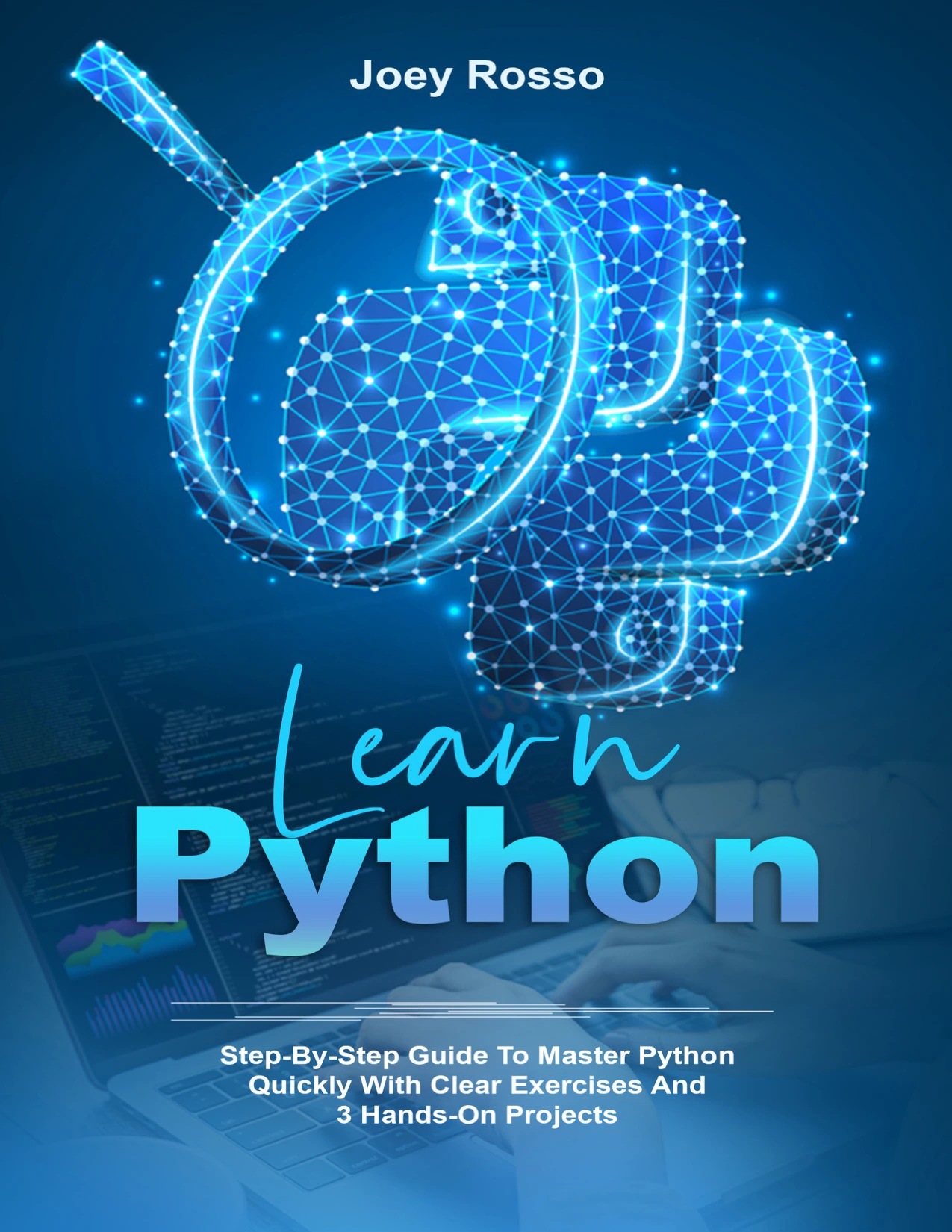
By Joey Rosso
Learners who want to connect Python fundamentals with exercises and project work.
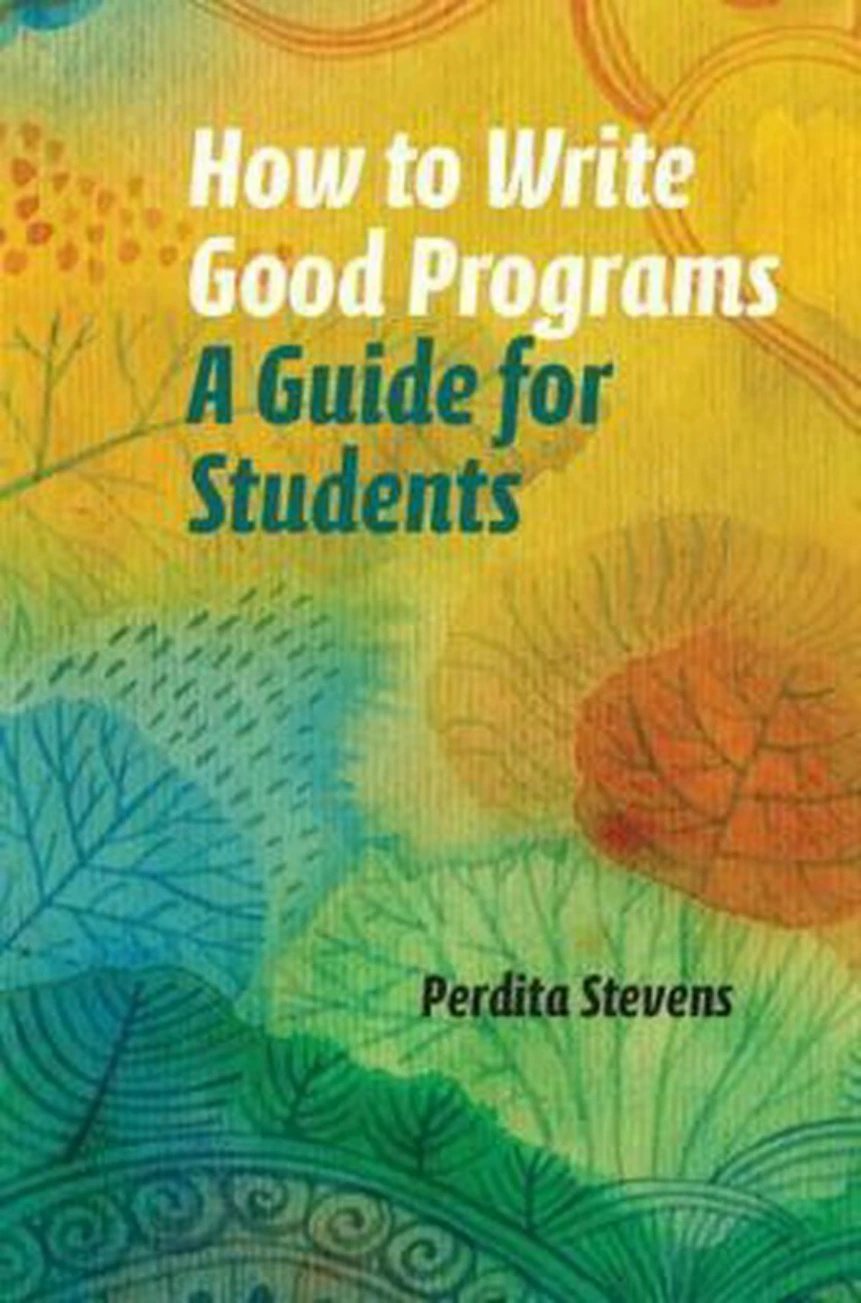
How to Write Good Programs: A Guide for Students
Students who want guidance on testing, debugging, code clarity, and other programming habits beyond syntax.
You can also browse Python learning resources if you are comparing beginner materials. Check each resource’s subject and learning approach against your goal before choosing one.
Common beginner pitfalls to avoid
- Choosing only by claims that one language is “easy.” Ease is personal, and promotional comparisons are not evidence that one language works better for every beginner. Consider your goal and materials instead.
- Switching languages before practising. Staying with one language long enough to write and adjust small programs gives you a better chance to learn the underlying ideas.
- Installing tools before checking the course. Instructions can depend on the language version and whether the course uses an IDE or command line. Check those requirements first, especially for Java.
- Expecting setup to be identical across computers. Installation steps vary by operating system and learning resource. Follow current official or course-specific directions rather than relying on an unrelated older guide.
- Reading without writing code. Use a tutorial or book as a guide, but make time to run examples, change them, and investigate errors.
Frequently asked questions
Is Python easier than Java for beginners?
Python is a reasonable default for someone exploring programming because its official tutorial describes it as interpreted and dynamically typed. That does not prove that everyone finds it easier, or that it teaches programming more effectively. Your course, goals, and practice matter too.
Should I learn Java if my class teaches Java?
Yes. If your class uses Java, starting with Java lets you follow its examples and requirements directly. Use the version and tools specified by your instructor or course.
Can I learn Python and Java at the same time?
You can, but most beginners will find it simpler to focus on one language first, especially while learning basic programming ideas and setup. Add the second language when you have a clear reason or have made a start with the first.
What should I check before installing either language?
Check your course or project instructions for the required version, operating-system steps, and preferred tools. Java materials may specify an IDE or command-line workflow; Python materials may also expect a particular version. Avoid treating an older book as the final word on current installation steps.
Conclusion: make the choice that helps you start
If you have no particular requirement, start with Python as a practical default. If your class or project calls for Java, start with Java. Neither choice closes the door to the other language, and the supplied evidence does not establish that either one is objectively better for learning.
Choose one resource, follow its setup instructions, and write a small program. Getting started and practising consistently will help you more than spending too long trying to find a universally perfect first language.