Is Python Easy to Learn for Complete Beginners?
Yes, Python can be approachable for complete beginners—but learning to program still takes practice. Its syntax is designed to be readable, and you can try short instructions and see what they do. That can make the first steps feel less intimidating than they might with a language whose examples look more cluttered.
But “easy” can mean different things: understanding a line of code, getting a first program to run, or becoming confident enough to solve unfamiliar problems. The first steps may come quickly; building lasting programming skills means learning concepts, practising, and getting comfortable with mistakes. Here’s what to expect and how to begin without taking on too much at once.
Why Python can feel beginner-friendly
Python is often introduced as a first language because its syntax is relatively readable. You can write a small instruction, run it, and observe the result without first building a large program. The official Python beginner page describes the language as suitable for beginners, while the documentation explains its design and introduces simple expressions early.
For example, this prints a message:
print("Hello, world!")And this performs a basic calculation:
price = 12
quantity = 3
print(price * quantity)
The code gives you a first look at a few useful ideas: a function call, values stored in variables, and an arithmetic operation. You do not need to understand every detail immediately. Run the examples, change a value or message, and notice how the output changes.
Readable code helps, but it does not teach every programming idea automatically. You still need to learn how instructions fit together and how to break a larger problem into smaller steps.
What complete beginners may find difficult
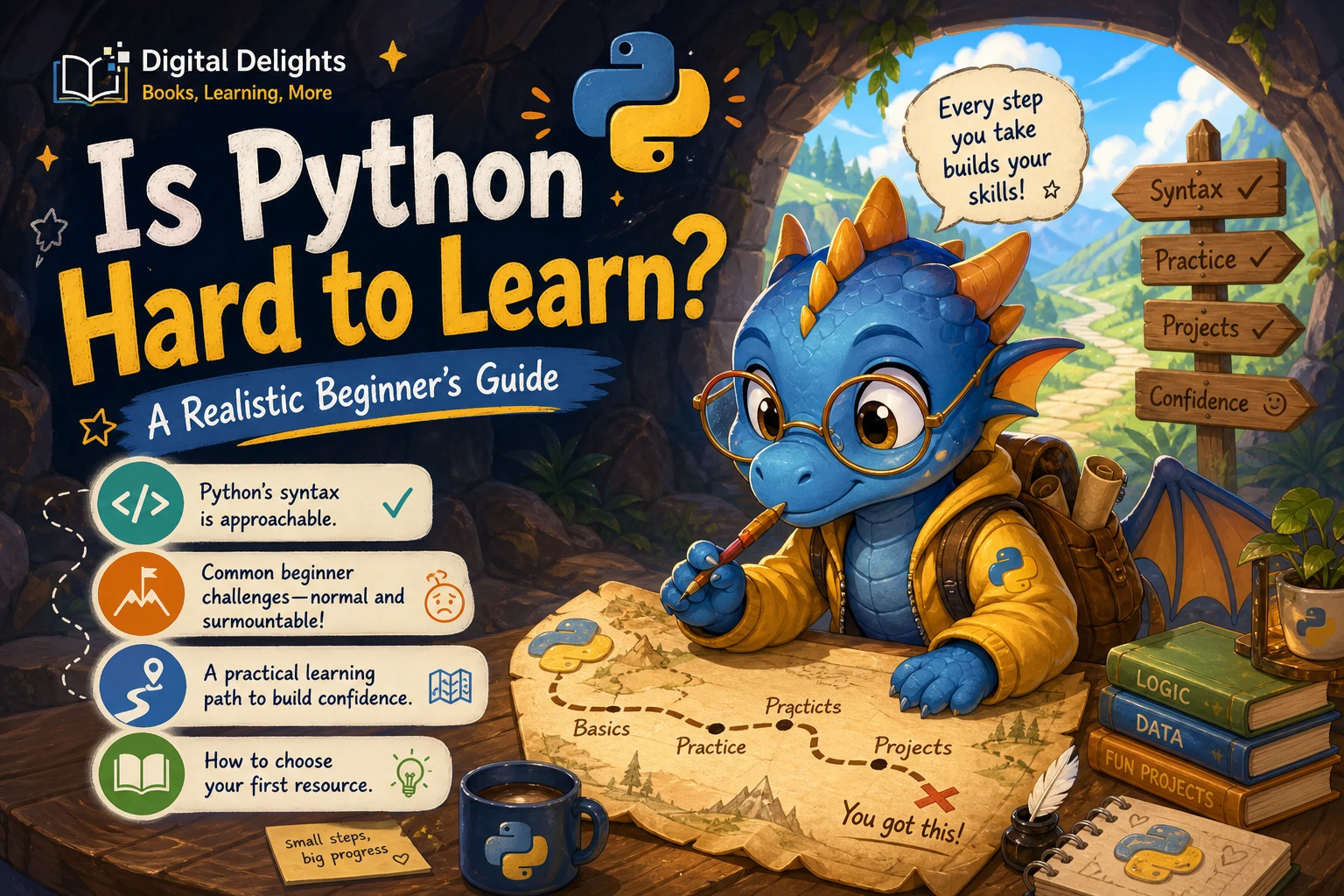
Some early challenges have less to do with Python’s syntax and more to do with learning how to think through a program. These topics are easier to handle one at a time:
- Variables and values: Learning how a program stores information and how different kinds of values behave.
- Conditionals: Giving a program a choice, such as displaying one message if a condition is true and another if it is false.
- Loops: Repeating an instruction without writing the same line over and over.
- Functions: Grouping instructions so you can use them in an organized, reusable way.
- Debugging: Reading an error message, finding the relevant part of your code, and testing a possible fix.
- Setup: Installing or opening Python and following instructions that match your computer and learning resource.
Errors are a normal part of writing code. A misspelled name, missing punctuation, or unexpected value can stop a program from working. Instead of treating an error as proof that you cannot code, read it carefully, check the nearby lines, and change one thing at a time.
A practical way to start learning Python
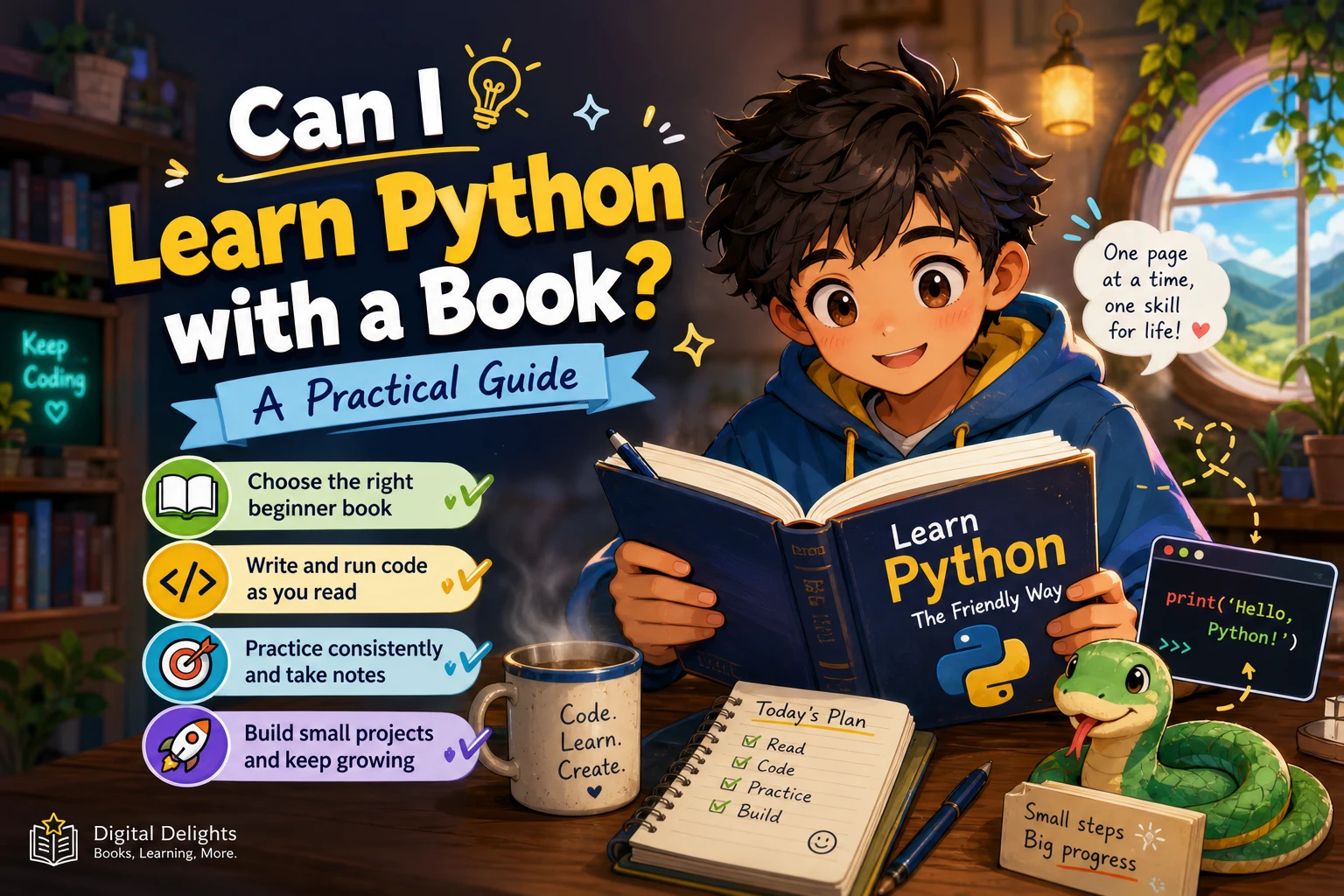
A simple, steady learning path is more useful than collecting lots of tutorials and tools before you begin. Try this sequence:
- Choose one resource for complete beginners. Look for lessons that explain programming ideas as well as Python syntax, rather than assuming you already know how to code.
- Get a working place to run code. Follow the setup instructions in your chosen course or book. Match its version and tools where possible so your screen and examples make sense together.
- Type and run each example. Reading code can help you recognize it, but writing it yourself lets you see how small changes affect the result.
- Practise one concept at a time. After a lesson on conditionals, for example, write a small program that makes a choice based on a value you enter.
- Build a small project from familiar parts. A number-guessing game, simple calculator, or quiz can help you combine input, conditionals, loops, and functions.
- Review and revise. If your code does not work, compare what you expected with what happened. Try a small fix, run it again, and keep notes on what you learned.
Python’s official tutorial includes introductory examples and encourages trying code with an interpreter. However, the tutorial also states that it expects a basic understanding of programming. If you have never coded before, begin with material that teaches those general concepts along with Python, then use the official documentation as a reference when it fits your level.
How to choose a beginner Python resource
A good starting resource should make its intended audience clear. If you have no coding experience, look for explanations that introduce basic ideas, a gradual sequence, practical examples, and exercises that let you check your understanding. Avoid starting with a resource that quickly moves into advanced libraries or assumes you already know how to install and run programs.
For a gentle introduction, Python for the Greenhorns Book-1 is described in the catalog as being for people who have never coded. Its listed topics include getting started with Thonny, variables, constants, and exercises. For a broader introduction to Python fundamentals, Python Programming for Beginners: Learn Python in a Step by Step Approach, Complete Practical Crash Course to Learn Python Coding covers topics including data types, control flow, data structures, functions, classes, and file handling.
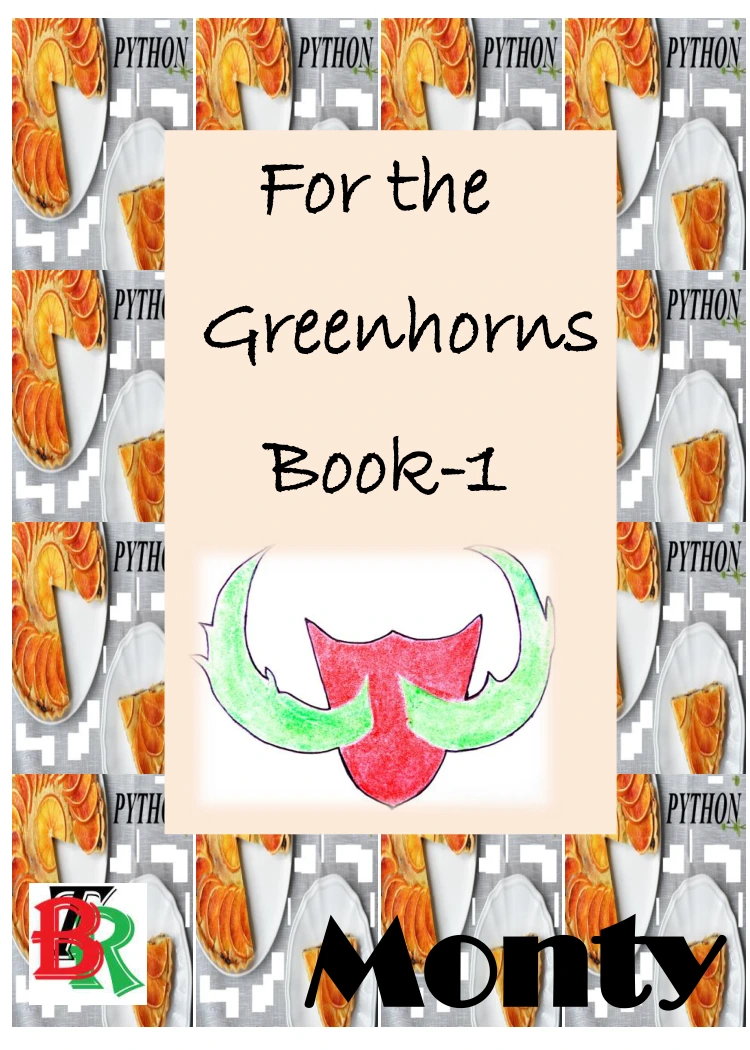
Python for the Greenhorns Book-1
By Monty
Readers who have never coded and want an introduction covering Thonny, variables, constants, and exercises.
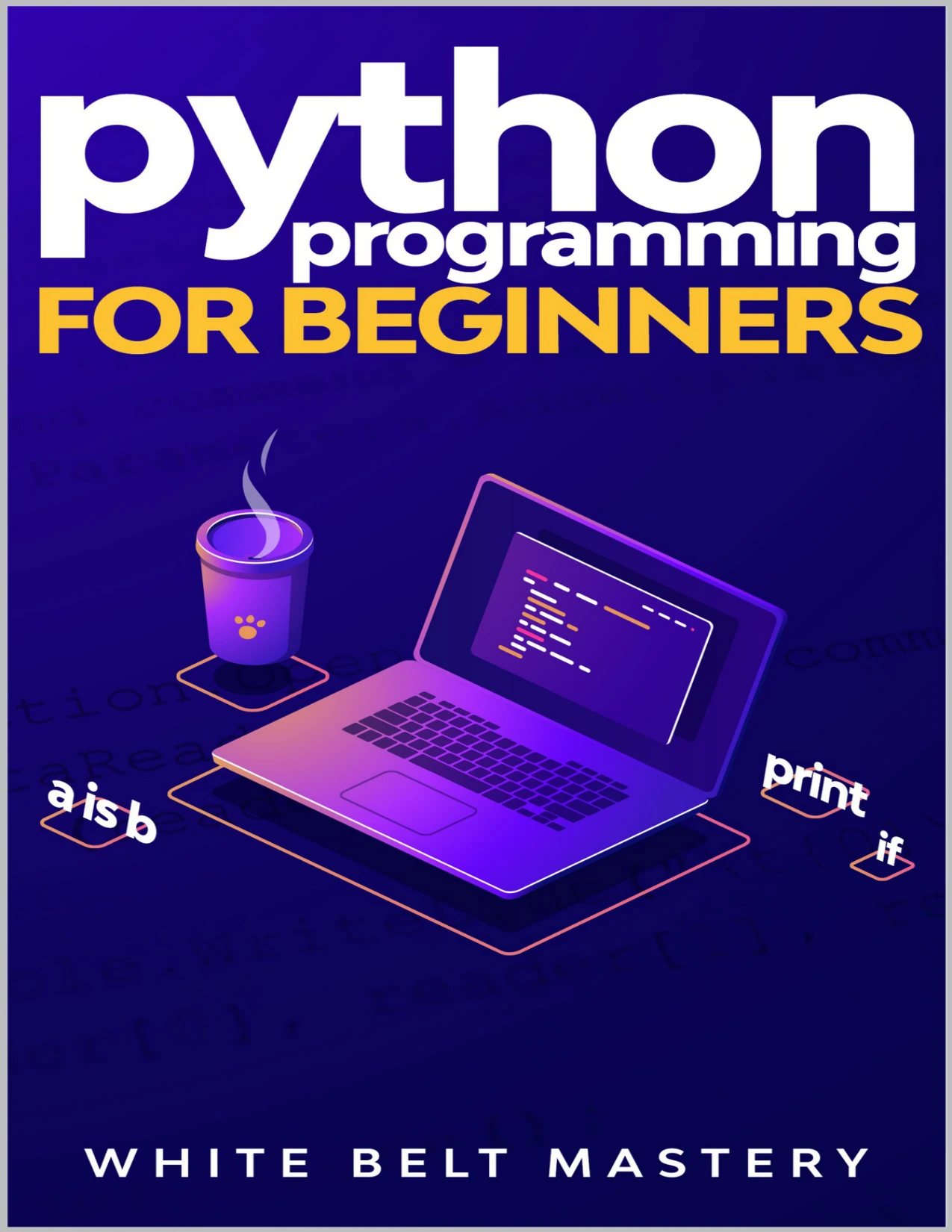
Beginners looking for coverage that includes data types, control flow, data structures, functions, classes, and files.
| What you need | Catalog resource | Why it may fit |
|---|---|---|
| A gentle first introduction | Python for the Greenhorns Book-1 | Its catalog description says it is written for people new to coding and includes basic exercises. |
| A wider tour of Python fundamentals | Python Programming for Beginners: Learn Python in a Step by Step Approach, Complete Practical Crash Course to Learn Python Coding | The listed material spans foundational concepts such as loops, functions, data structures, and files. |
These are different starting points, not a ranking. Choose the one whose pace and coverage match what you need now. You can also browse the Python books and resources category to explore other options.
Common beginner mistakes to avoid
- Reading without writing code: Pause after an example and type it yourself. Then change something and run it again.
- Switching between too many resources: Follow one clear sequence long enough to build a foundation before adding another course or book.
- Trying several languages and tools at once: Keep your early focus on Python and the setup needed for your chosen lessons.
- Copying a fix without understanding it: When you solve an error, work out which change helped. That makes the next debugging problem easier to approach.
- Expecting instant fluency: Understanding an example is not the same as being able to create a solution independently. Give yourself room to repeat and revisit concepts.
Frequently asked questions
Can I learn Python with no coding experience?
Yes. Choose a resource that explicitly starts from the beginning and explains programming concepts as well as Python. The official Python tutorial is useful, but it says it assumes some programming knowledge, so it may not be the best first lesson for every complete beginner.
Is Python easier than other programming languages?
Python’s readable syntax can make some examples easier to follow, but there is no single answer for every learner or comparison. Difficulty also depends on what you are trying to build, how the material is taught, and whether you are new to programming itself.
Do I need to be good at maths to learn Python?
You do not need advanced mathematics to begin learning basic Python. You will encounter arithmetic and logical thinking, but early exercises can focus on simple tasks such as displaying text, working with values, and making decisions. More specialized work may call for additional maths later.
How should I start practising Python?
Run short examples, change their values or instructions, and write small programs that use one new idea at a time. Once you have practised the basics, try a small project such as a quiz or calculator and use errors as clues while you debug.
So, is Python easy to learn?
Python can be an approachable first programming language, but “easy” does not mean effortless or instant. Its readable syntax can help you get started; practice is what helps you understand variables, decisions, repetition, functions, and debugging.
Begin with one resource made for people new to coding, run the examples yourself, and build a small project from the ideas you have learned. If you want to compare learning materials, explore the Digital Delights Python category.