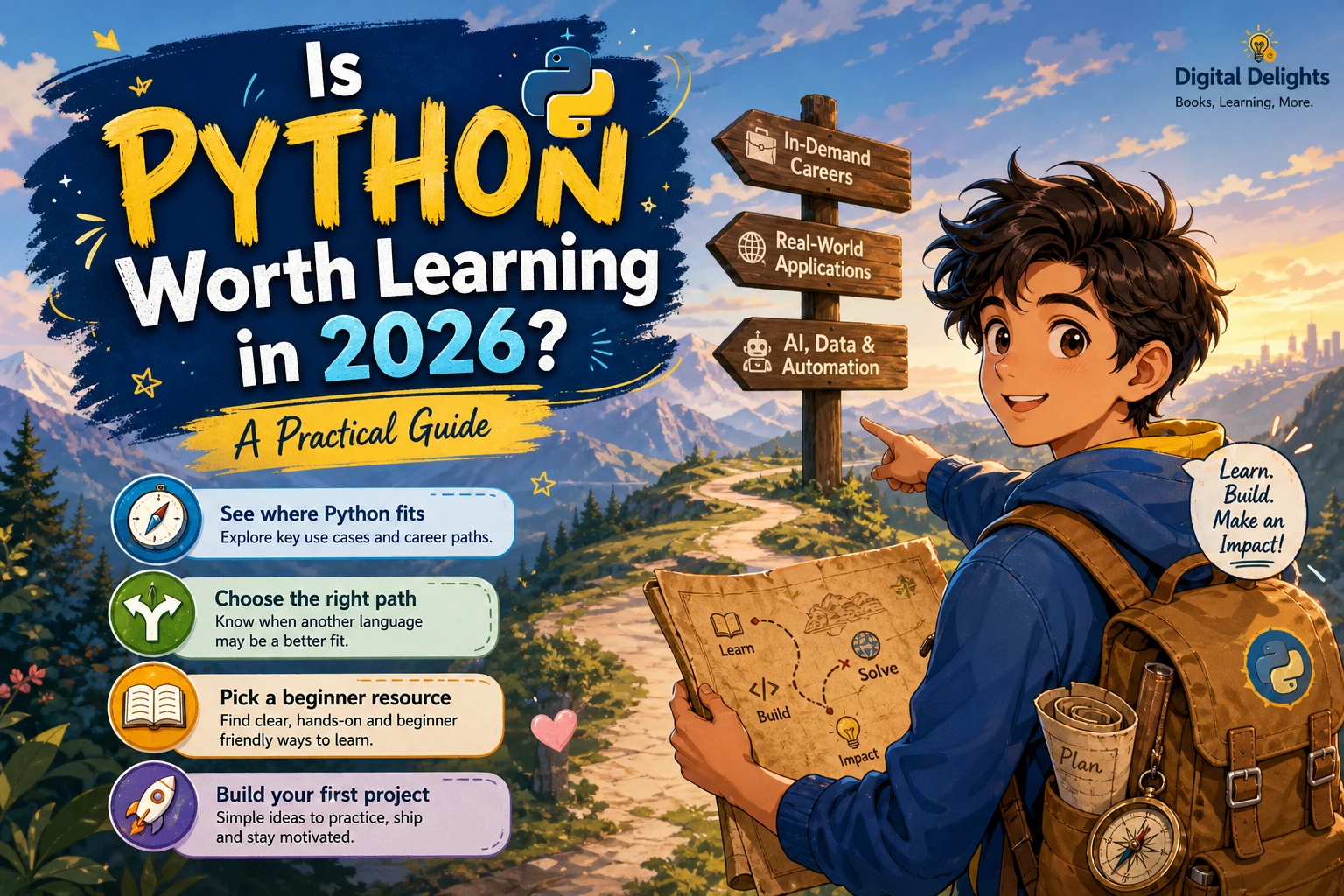
Is Python Worth Learning in 2026?
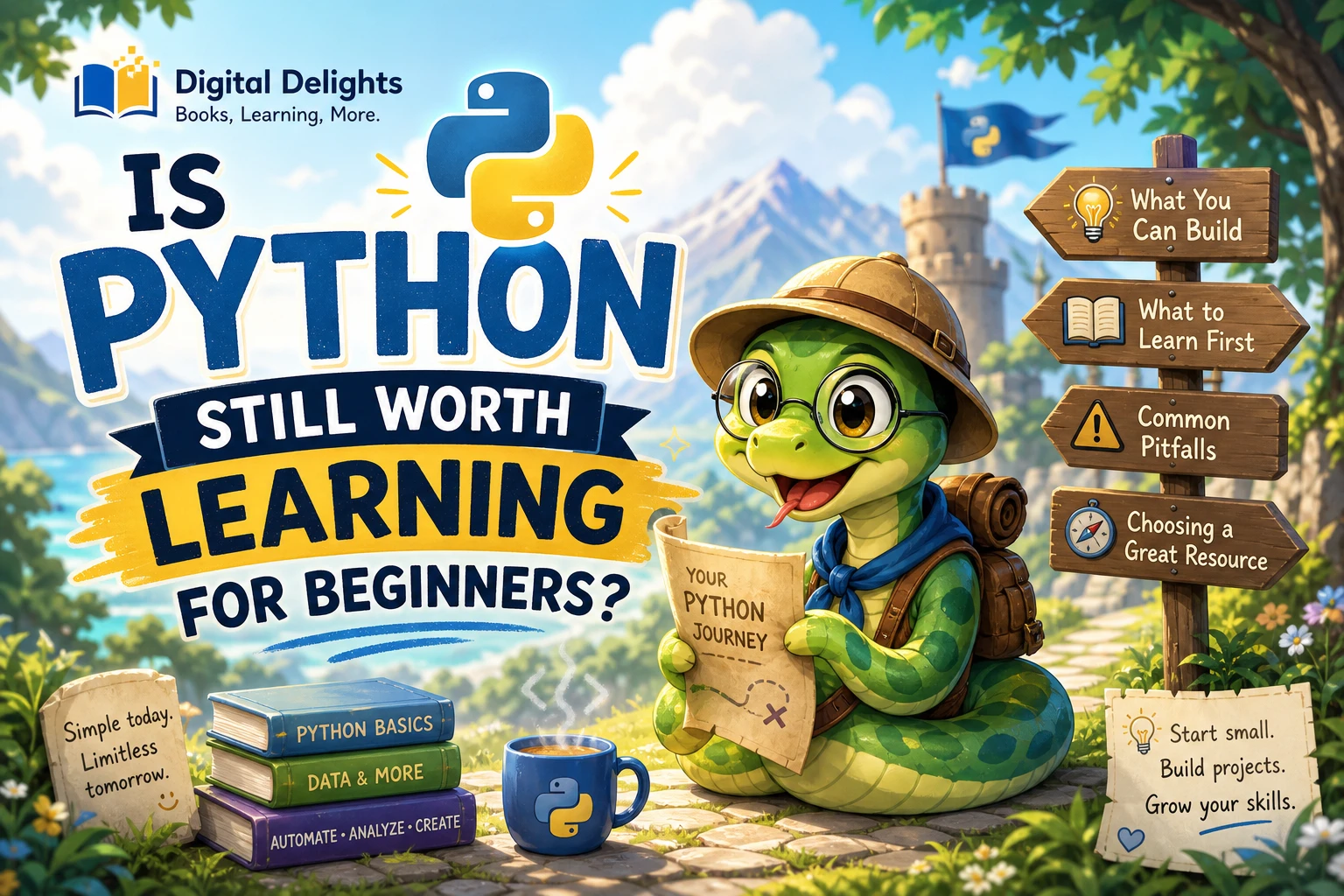
Yes—if Python fits what you want to make or do. It is a general-purpose language used for tasks including automation, data and scientific computing, artificial intelligence, and web development. That range makes it a sensible option for many self-directed learners, but it does not make Python the right tool for every project or guarantee a particular career outcome.
The best way to decide is to start with a goal, not a claim about which language is “best.” This guide looks at where Python can be useful, what beginners should know before starting, and how to choose a first learning resource and project.
Where Python can be useful
Python’s official website describes applications across areas such as web development, scientific and numerical work, artificial intelligence, software development, and system administration. The language’s standard library and third-party packages also let developers add capabilities without building every tool from scratch. These examples show breadth, not that Python is automatically the best option for every task. Python.org’s overview of Python and the official Python FAQ provide more detail.
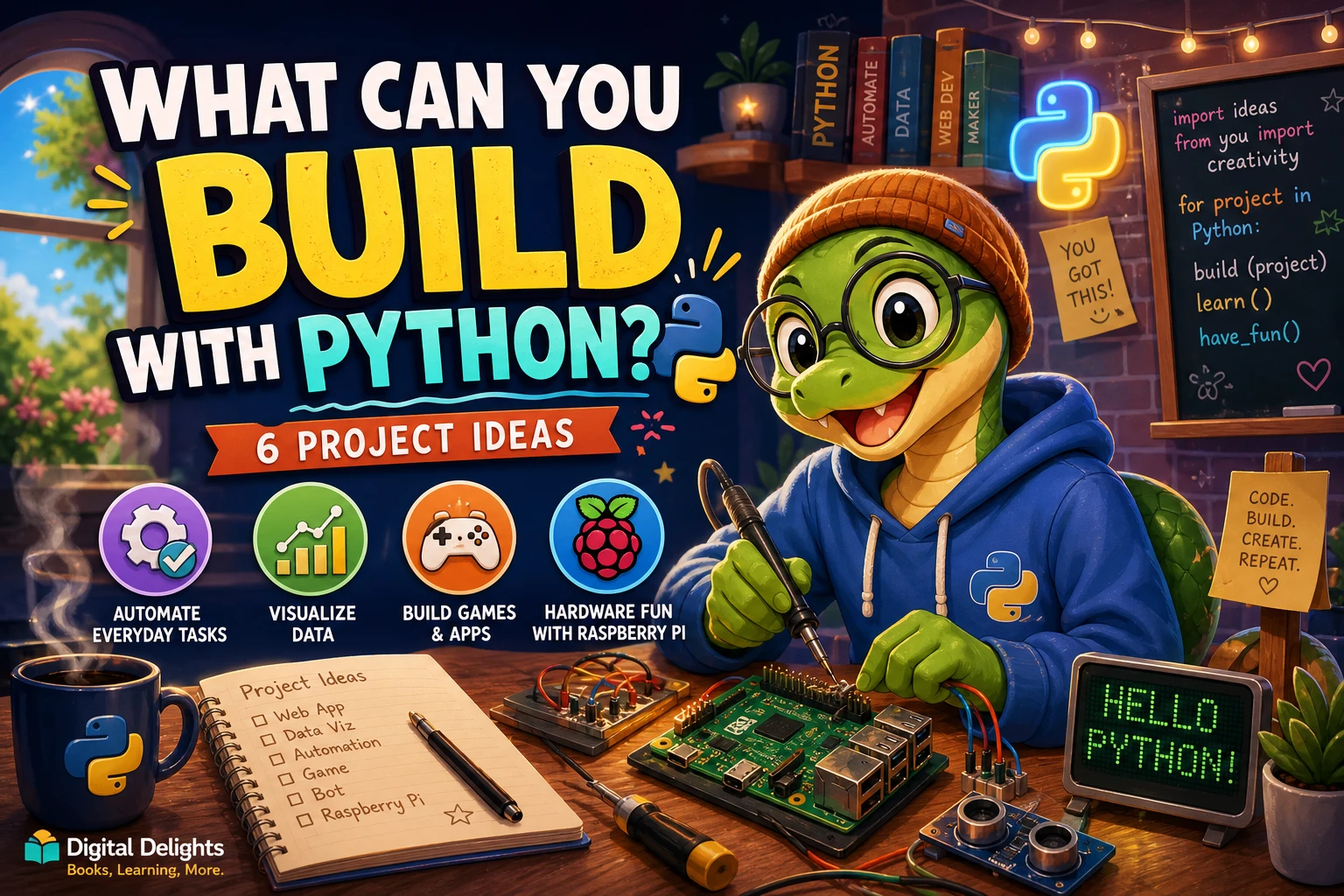
- Automation: Write scripts to handle repetitive file, text, or data tasks. Start with a small routine you understand well, then automate one step at a time.
- Data and scientific work: Python can be used to load, organize, analyze, and visualize data with libraries and interactive tools.
- AI and machine learning: Python is used in machine-learning workflows, though learning the language alone is not the same as learning statistics, model evaluation, or a specialist field.
- Web development: Python can be part of applications and web services. A real project may also require a framework, databases, deployment, and other skills.
- General software tasks: Its uses include scripting and software development, so it can be a useful language for exploring programming fundamentals.
Python’s interpreter and standard library are available for major platforms, according to the official tutorial. That makes it possible to begin without buying a language license; particular tools, services, or courses may have their own costs or terms.
When Python may not be the right fit
A language should serve the work you want to do. If a class, workplace, existing codebase, or project specifies another language, learning that language may be the more direct route. Similarly, a tool that fits one task may be less convenient for another. The supplied official sources describe Python’s uses, but do not establish that it outperforms alternatives in particular fields.
Be cautious about choosing Python solely because someone promises a job, a salary increase, or a fixed route into technology. The evidence available for this article does not establish current hiring demand, pay outcomes, or a guaranteed career benefit from learning Python. If employment is your goal, research roles in your location and check the languages and broader skills they actually ask for.
Is Python suitable for a complete beginner?
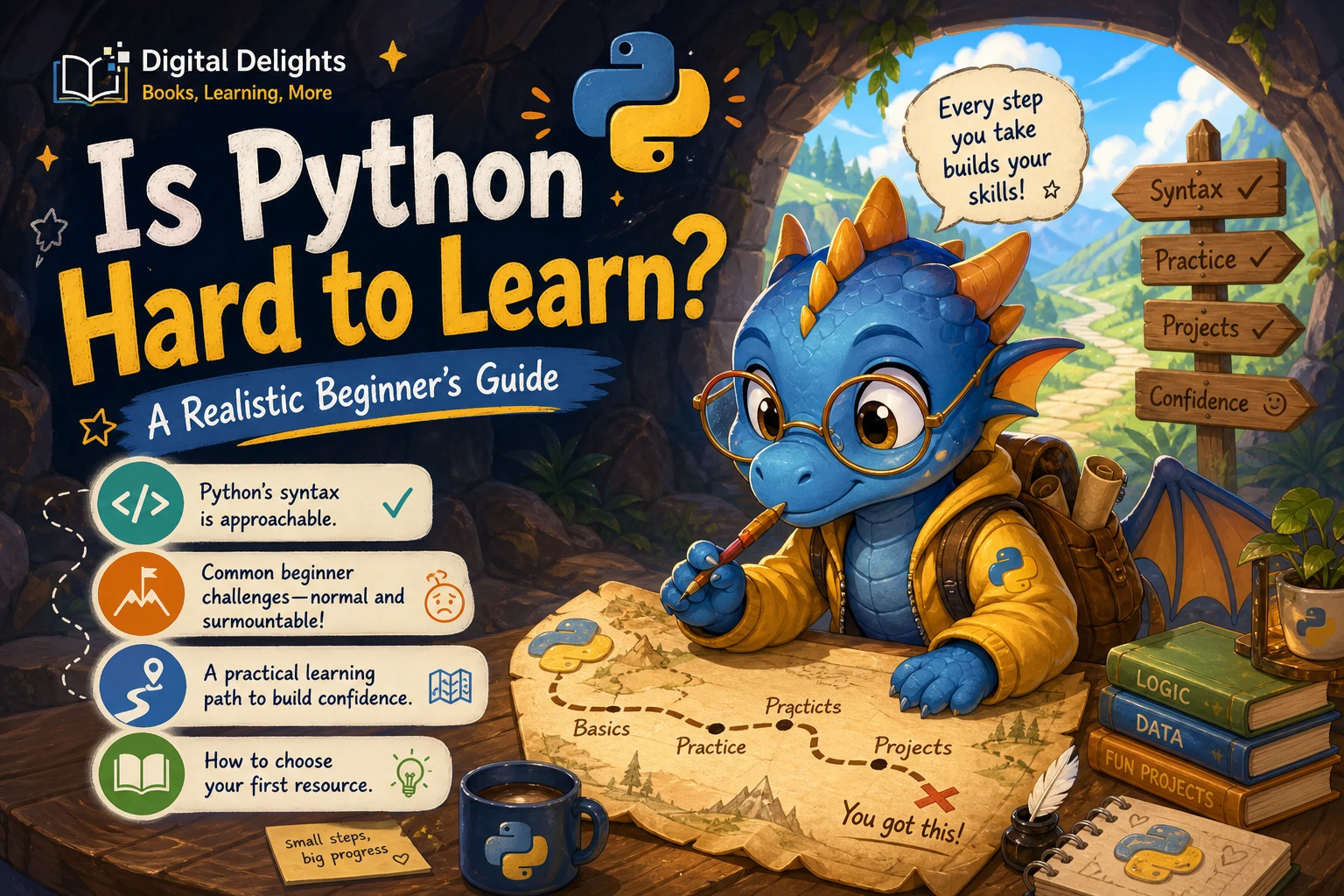
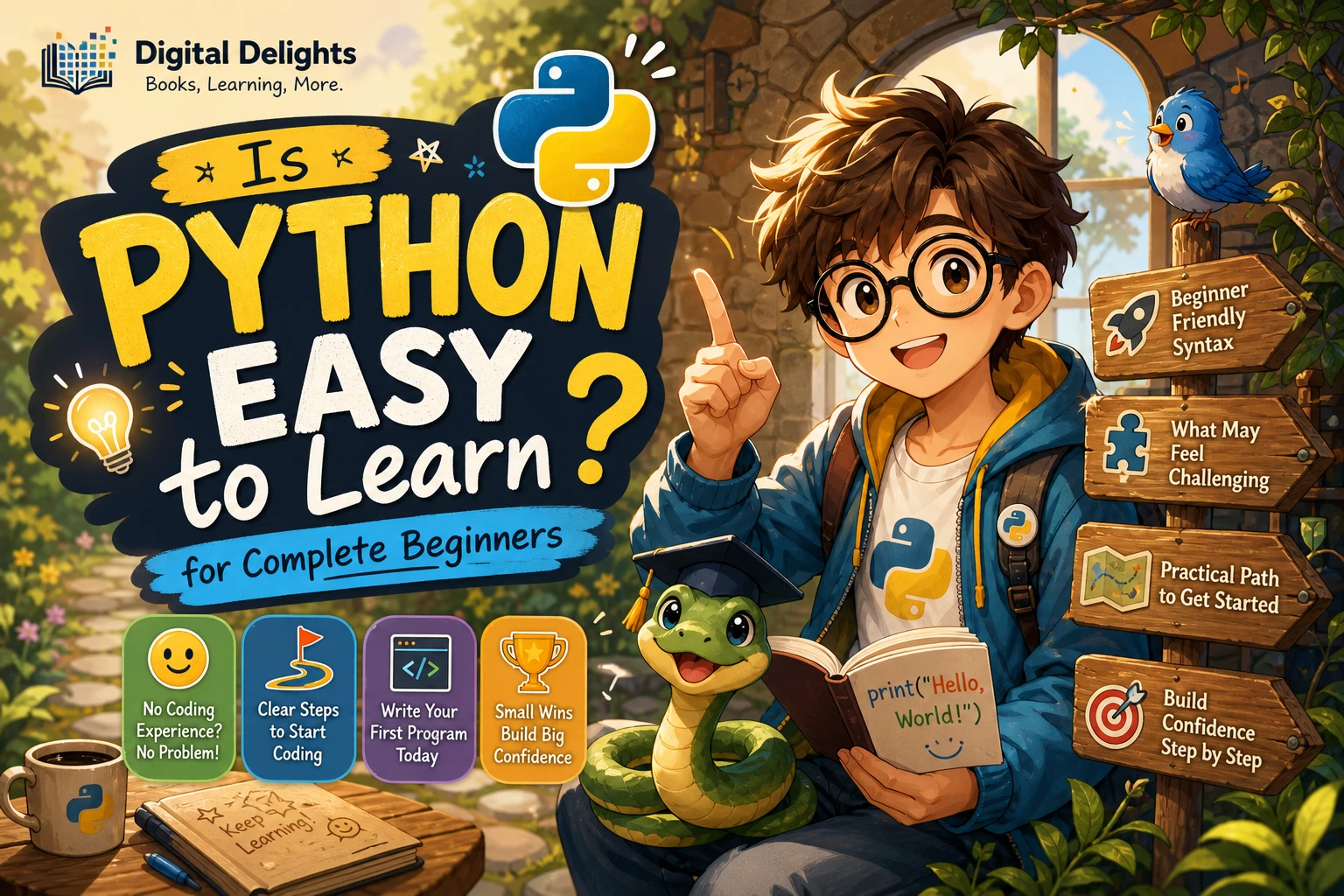
You can start without previous programming experience, but choose materials written for first-time programmers. Python.org provides a beginner starting point, while the formal Python tutorial says it is for people who are new to Python but already have some basic programming understanding. Those resources serve different starting points; the distinction is useful rather than contradictory. See Python.org’s beginner guidance.
For a first introduction, Python Programming for Beginners covers setup and core topics such as variables, strings, loops, and functions. If you prefer a broader manual with fundamentals and practical projects, Python The Complete Manual includes Python basics and project material, including Raspberry Pi examples. Check the contents and edition details against your needs before choosing any book.
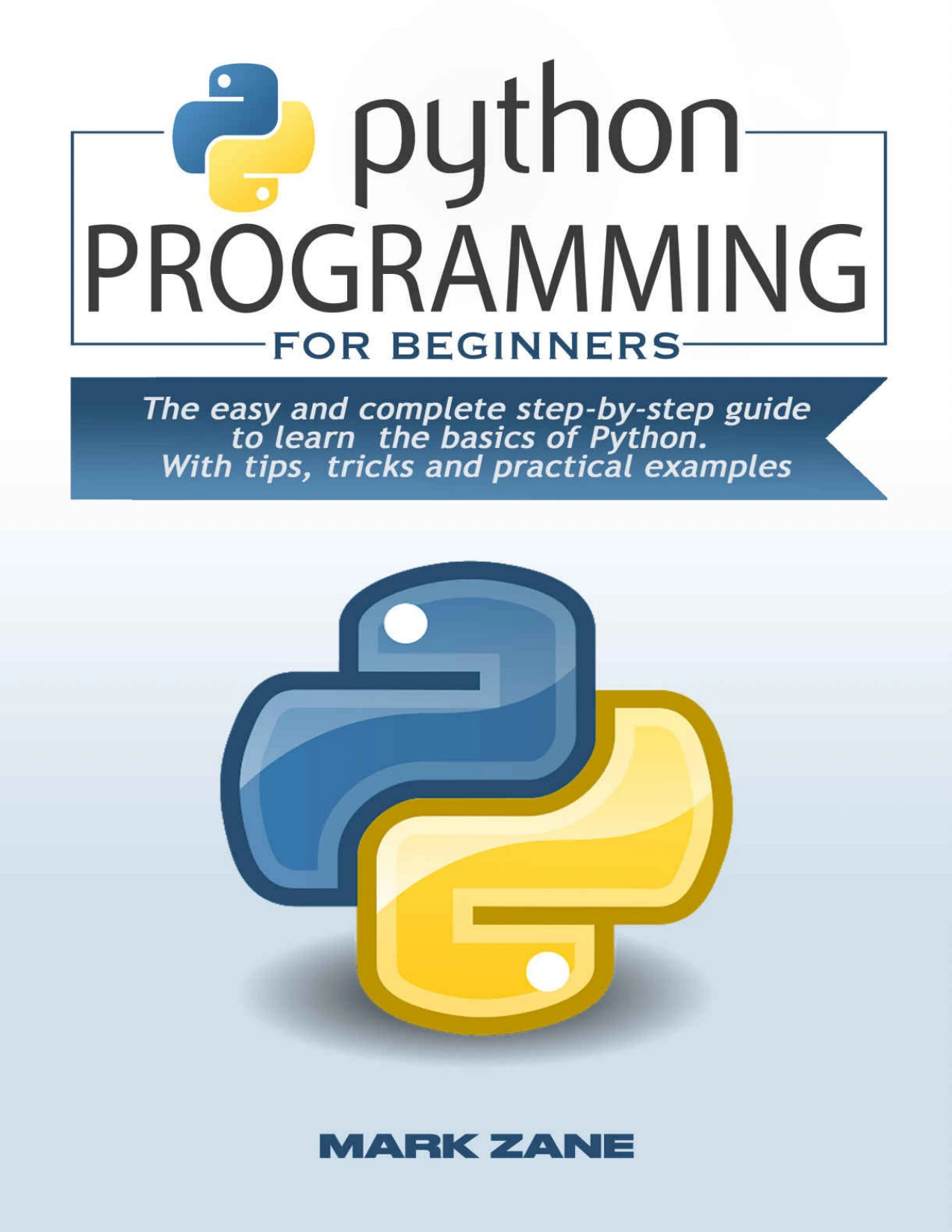
By Mark Zane
New learners looking for setup guidance and instruction on Python fundamentals.
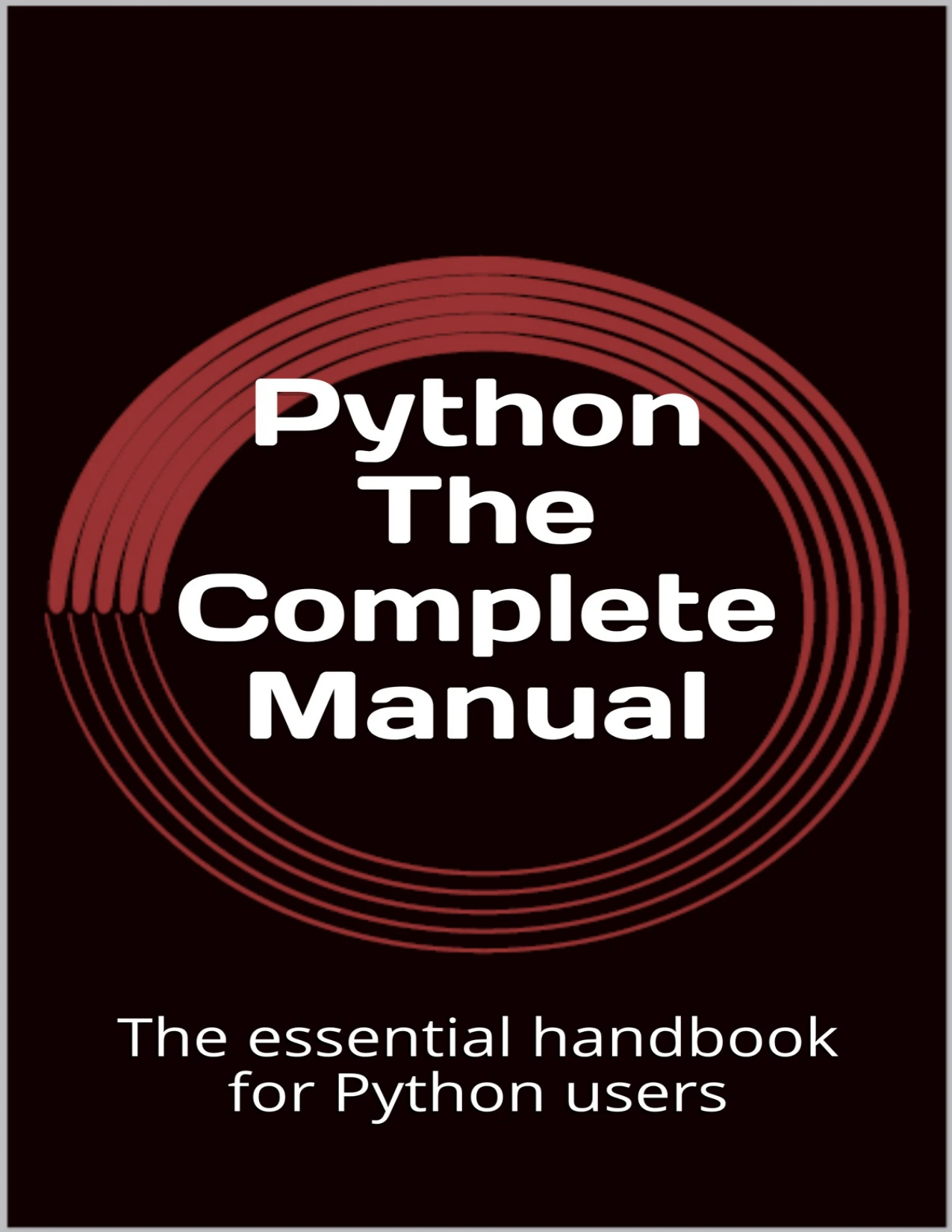
Python The Complete Manual: The essential handbook for Python users | Python The Complete Manual
Readers seeking fundamentals alongside practical projects, including Raspberry Pi examples.
How to decide whether Python is worth learning for you
- Name a task you want to complete. Examples might be organizing a folder, analyzing a spreadsheet export, or building a small web feature.
- Check whether Python fits the task. Look at the tools and language requirements of the project, course, or role rather than relying on general popularity claims.
- Choose beginner-appropriate instruction. If this is your first language, select material that explains programming ideas as well as Python syntax.
- Practise one concept at a time. Try changing a small example, predict what it will do, run it, and investigate errors rather than only reading code.
- Build a small, useful project. Keep the scope limited enough to finish. A working script that solves one real problem is more informative than a long list of tutorials you have only watched.
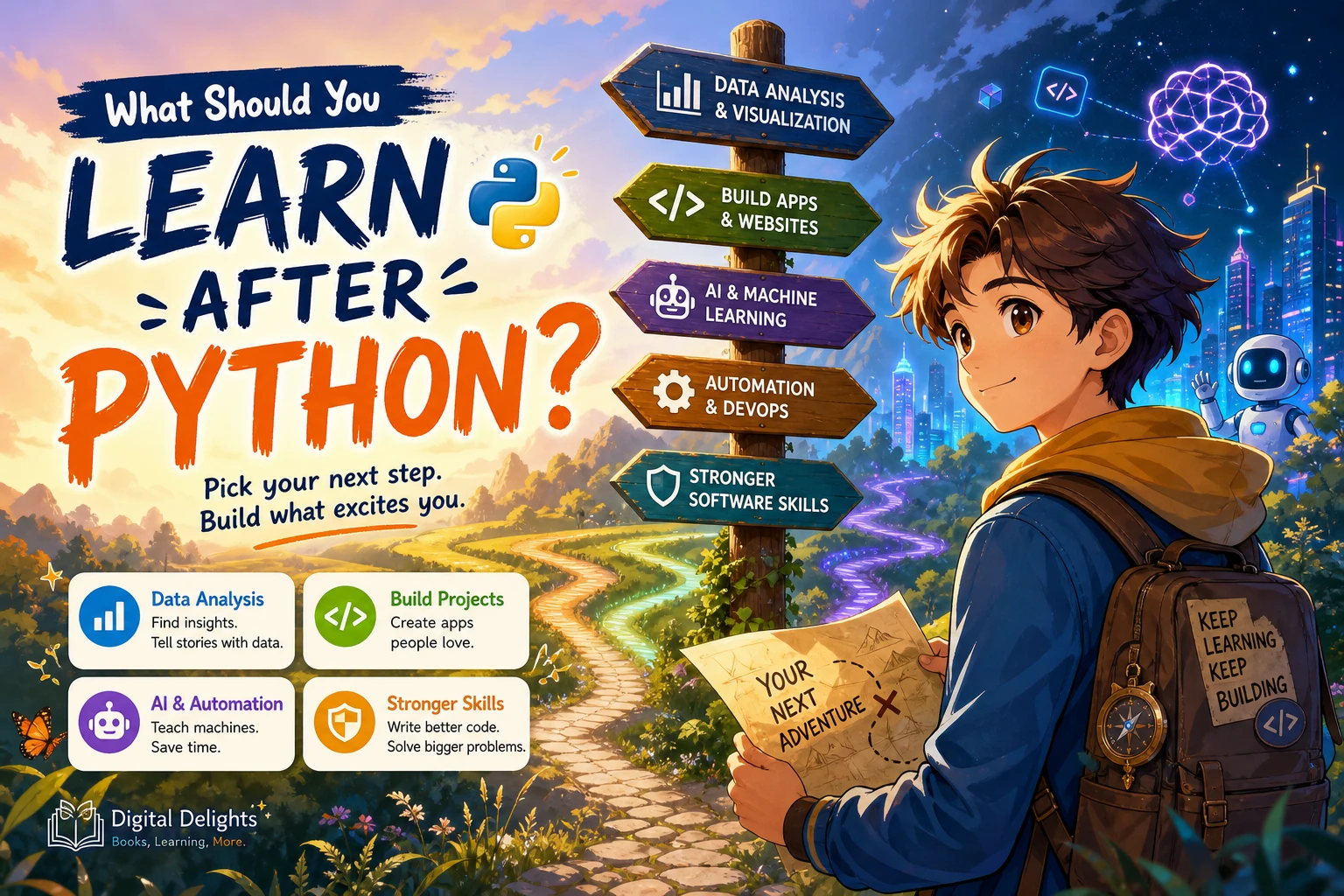
- Choose a direction after the basics. Explore data analysis, automation, web development, or another area based on what you want to build next.
For example, a learner interested in data can begin with basic Python, then practise loading a small dataset and answering a question with it. Practical Data Analysis Using Jupyter Notebook covers Python data work with Jupyter, NumPy, pandas, and Matplotlib. For a wider tool-focused reference after learning some Python, Python Data Science Handbook covers tools including IPython and Jupyter, NumPy, pandas, Matplotlib, and Scikit-Learn.
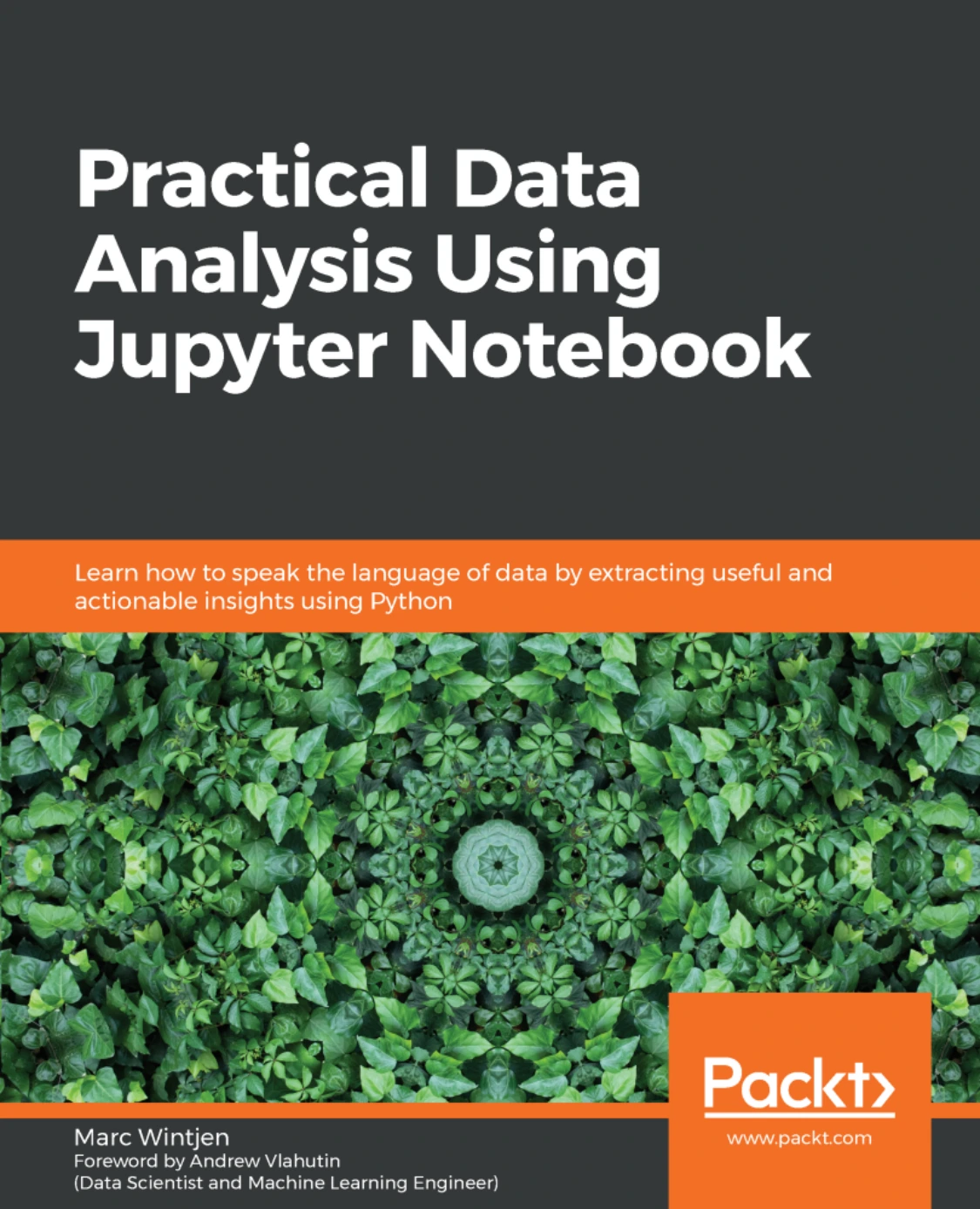
Practical Data Analysis Using Jupyter Notebook
By Marc Wintjen
Learners interested in Jupyter-based analysis using tools such as NumPy, pandas, and Matplotlib.
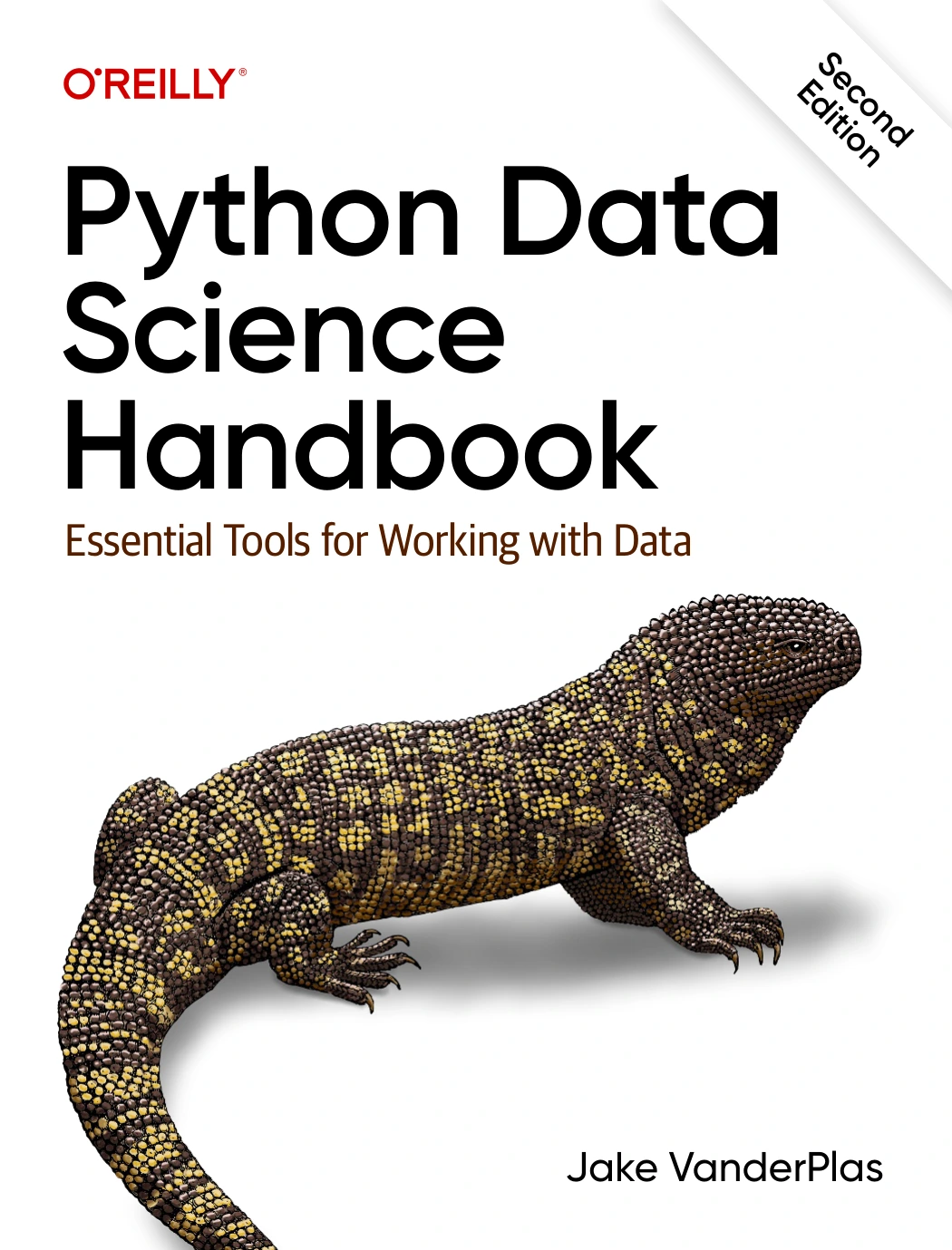
Python Data Science Handbook: Essential Tools for Working with Data, Second Edition
Readers with some Python experience who want to explore common data-science tools and workflows.
A simple way to choose a learning resource
| Your starting point or goal | Possible resource | Why it may fit |
|---|---|---|
| New to programming | Python Programming for Beginners | Its catalog description covers setup and core beginner concepts. |
| Want a broad introduction with project examples | Python The Complete Manual | It includes fundamentals and practical projects, including Raspberry Pi material. |
| Interested in applied data analysis | Practical Data Analysis Using Jupyter Notebook | It focuses on Python-based analysis with Jupyter and common data tools. |
| Already know some Python and want a data-science reference | Python Data Science Handbook | It covers a broader set of data-science libraries and workflows. |
These are examples of resources, not rankings or claims of independently assessed effectiveness. Browse the Python book collection to compare other available titles and choose one that matches your experience and goal.
Which Python version should a beginner use?
Use a stable version unless a course, workplace, or project calls for something else, and follow installation instructions that match that version. The version information supplied for this article listed Python 3.14 as the latest stable feature series and Python 3.15 as prerelease on October 9, 2026. Release information can change, so check the Python version listing before installing or following version-specific instructions.
Common mistakes when learning Python
- Starting with a goal that is too large: Break an ambitious idea into a tiny first version you can finish and test.
- Reading without writing code: Use examples as a starting point, then change them and try your own small variations.
- Collecting tutorials instead of practising: Pick one structured beginner resource and work through it rather than switching whenever a concept becomes difficult.
- Expecting the language to teach the whole field: Data analysis, web development, and machine learning each involve additional tools and subject knowledge.
- Assuming learning guarantees a job: Treat Python as one possible skill within a larger learning or career plan, not as a promise of an outcome.
Frequently asked questions
Is Python still relevant in 2026?
Python’s official materials describe uses in areas including web development, scientific computing, AI, software development, and system administration. That supports its relevance for people working toward those tasks, but it does not prove that Python is the right choice for every project or measure job demand.
Do I need prior coding experience to learn Python?
No. Python.org provides guidance for people who are new to programming. Choose a beginner course or book designed for that starting point; the formal Python tutorial assumes some basic programming understanding.
How long does it take to learn Python?
There is no single reliable timeline. It depends on your starting point, how often you practise, what you mean by “learn,” and what you want to build. Instead of treating a deadline as a guarantee, set a small outcome—such as writing and explaining a simple script—and build from there.
Can learning Python help me get a job?
Python may be relevant to some roles, but learning the language alone does not guarantee employment. Check current job listings in your location and identify their requirements, which may include domain knowledge, projects, other technologies, or experience as well as Python.
Should I learn Python for AI or data science?
Python can be a useful starting language for these areas, but the language is only one part of the work. You may also need to learn data handling, statistics, evaluation methods, and relevant libraries. Start with programming fundamentals, then choose material focused on the particular kind of analysis or model you want to explore.
Evidence and further reading
- Welcome to Python.org — examples of Python application areas.
- General Python FAQ — general-purpose language context and standard-library information.
- Python For Beginners — guidance for people starting programming.
- The Python Tutorial — intended audience and tutorial material.
- Python documentation by version — release information; check for updates before relying on it.
So, is Python worth learning in 2026?
It is worth considering if Python matches a project, subject, or skill path you want to pursue. Its documented uses span several areas, and beginners can find material designed for people starting from scratch. But the useful question is not whether everyone should learn Python; it is whether Python helps you do the thing you care about.
Choose one modest goal, start with learning material suited to your experience, and write code as you go. Once you have a working first project, you will be in a better position to decide what to learn next.