Is Python Still Worth Learning for Beginners?
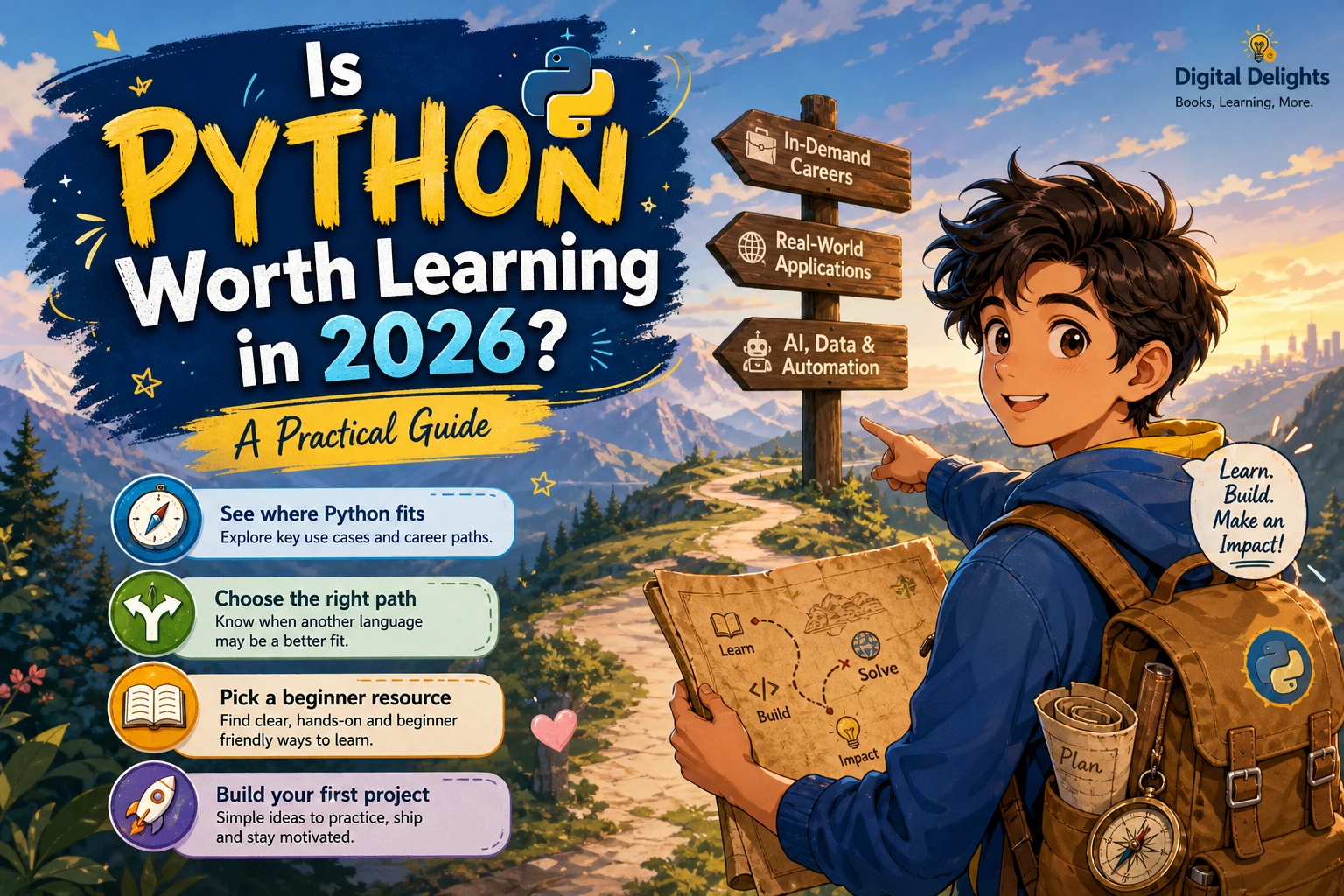
If you are deciding whether to learn Python, the practical answer is yes—provided it connects to something you want to do. Python can be used for tasks such as automation, data work, web development, and learning programming fundamentals. But learning the language by itself does not guarantee a job or make you ready for every technical role.
The better question is not simply whether Python is still worth learning. It is whether Python fits your goal, and whether you are ready to practise by writing and improving code. This guide explains what beginners can do with Python, what to learn first, how to choose a resource, and which common learning traps to avoid.
What can beginners use Python for?
Python is a general-purpose programming language with uses across several fields. Python.org describes applications including web development, scientific and numeric work, education, software development, and business applications. Those examples show the range of possible uses, but they do not mean that Python is the only tool you will need for any one path. (Python applications)
- Automation: Write scripts to handle repetitive steps, organize information, or work with files. The exact tools depend on the systems and data involved.
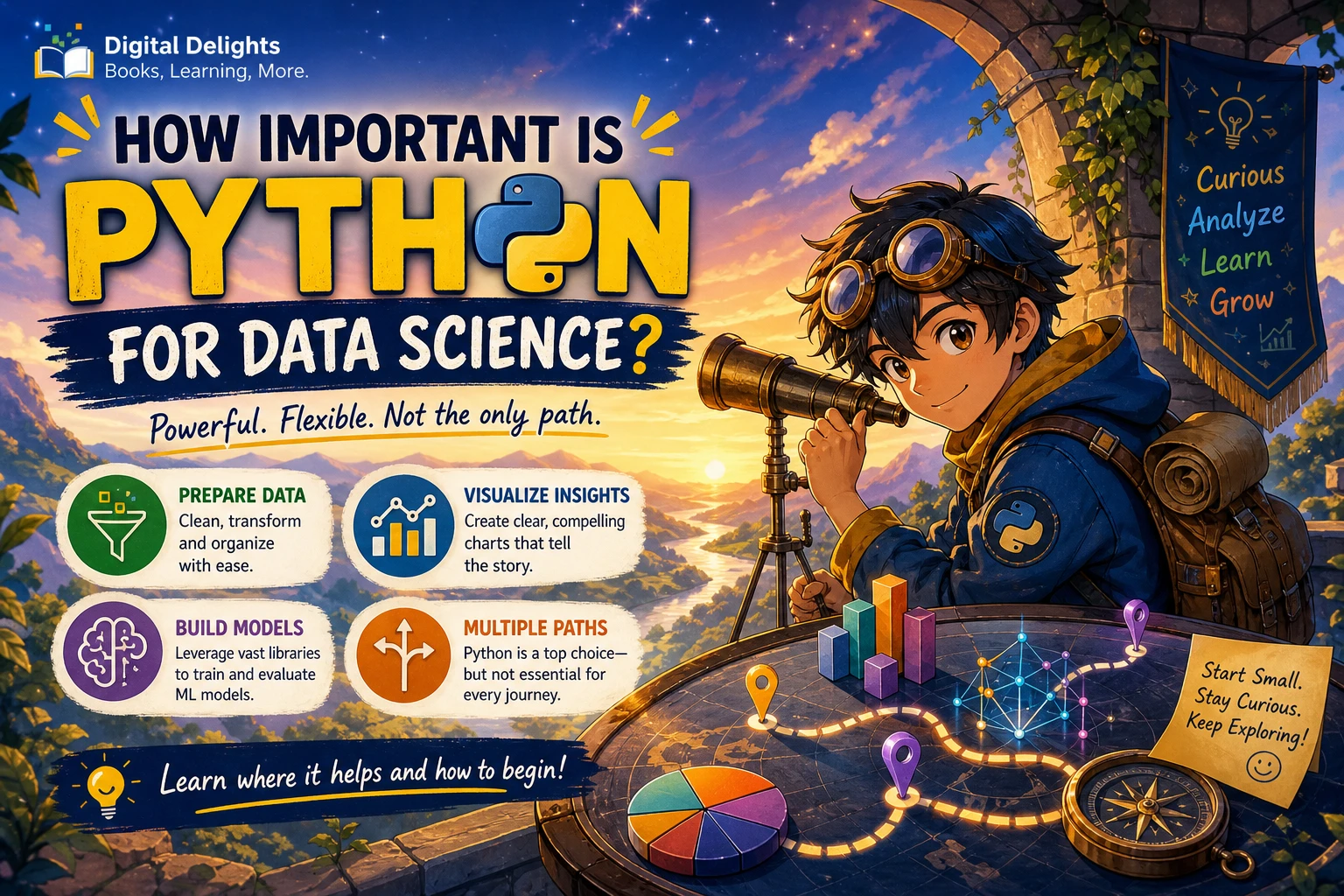
- Data work: Use Python to explore, transform, and analyze data. A role or project may also require statistics, domain knowledge, and specific libraries.
- Web development: Python can be part of a web application, alongside frameworks, databases, and front-end technologies where needed.
- Programming fundamentals: Learn how programs use values, make decisions, repeat tasks, and organize instructions into functions.
These possibilities make Python a useful starting point for learners whose interests overlap with programming, data, or automation. Before choosing it, look at the actual tools required for your goal: a different language or platform may be more relevant for a particular project.
Who is Python a good fit for?
Python may be a sensible choice if you want to explore programming without committing immediately to one narrow specialization. It can also suit people who have a concrete small task in mind—such as processing a file or automating a repeated workflow—and want to learn by building toward it.
It may not be the most direct starting route if your goal specifically calls for another language or tool. For example, if you want to build interactive web interfaces, you will need to learn the relevant front-end technologies too. If you are following a course, school curriculum, or work project, use the language and version that its instructions require.
In short, treat Python as a practical option, not a universal answer. Choose based on what you want to make or understand, rather than popularity alone.
What does learning Python actually involve?
Learning Python is more than memorizing punctuation and commands. Beginners gradually learn to break a task into steps, express those steps in code, run the program, understand errors, and revise their approach. Core topics usually include:
- Variables and values: Store and work with information such as text and numbers.
- Conditionals: Make a program choose what to do based on a condition.
- Loops: Repeat an operation while a condition holds or for each item in a collection.
- Functions: Group reusable instructions into named parts of a program.
- Debugging: Find out why code behaves differently from what you expected, then fix or refine it.
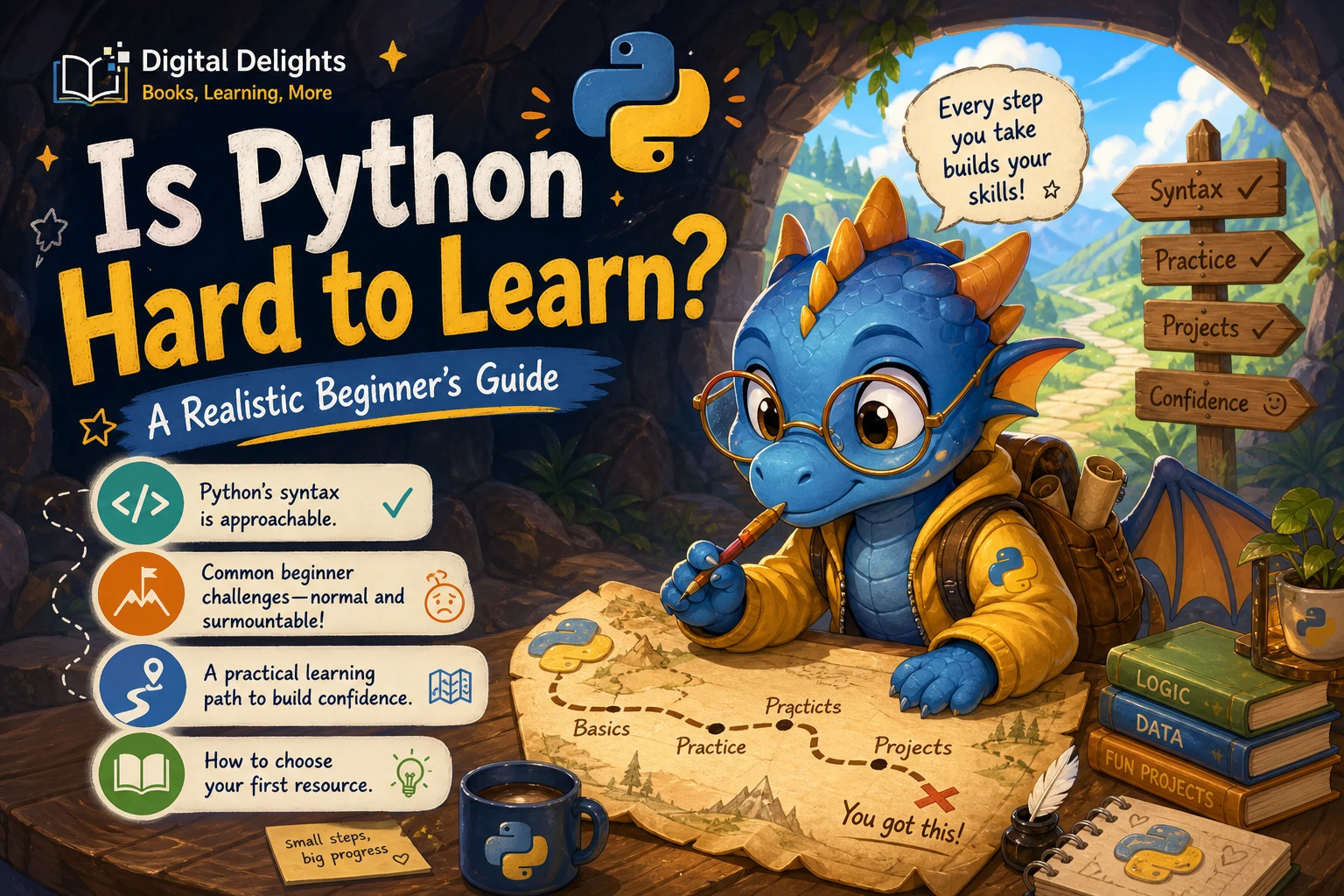
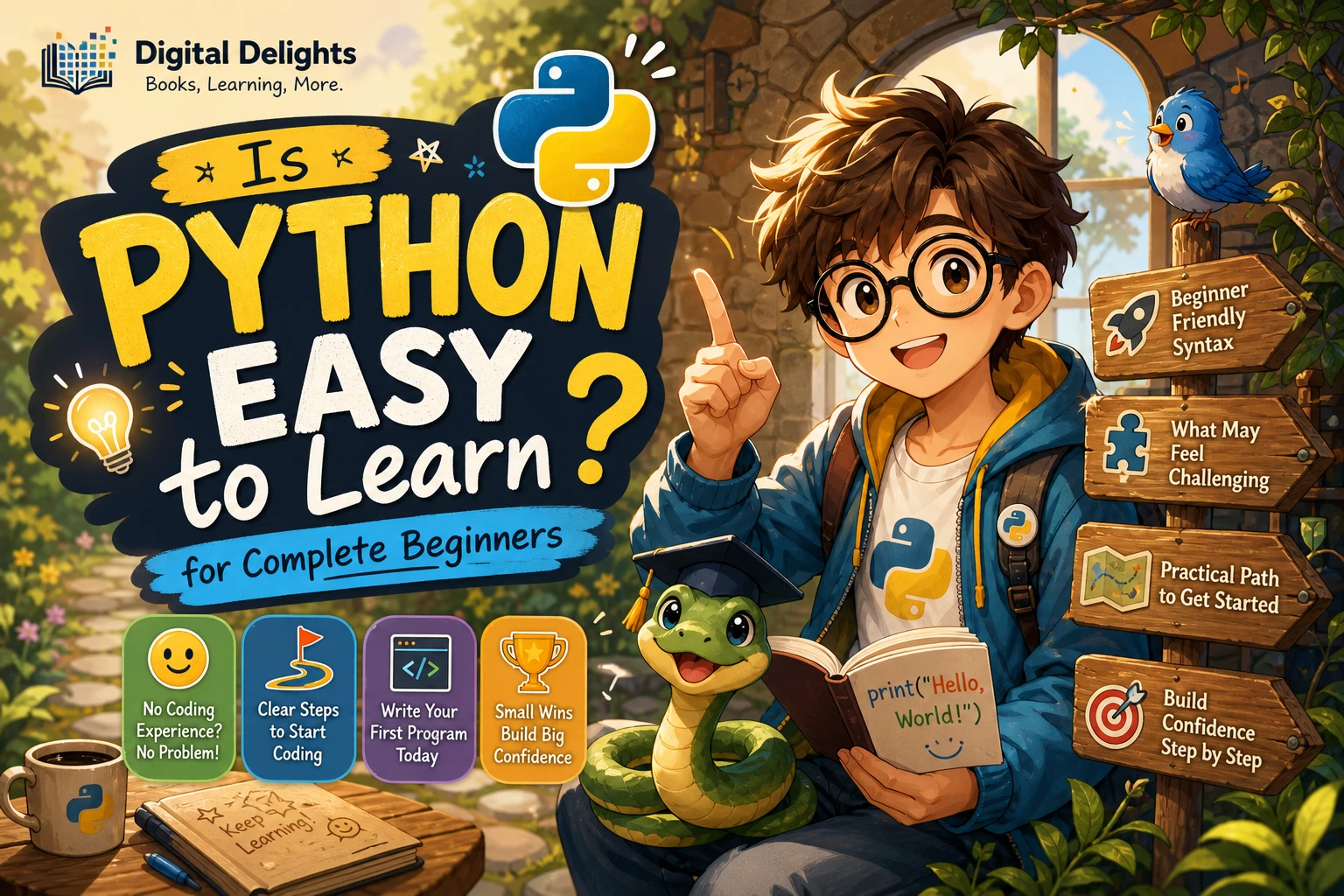
Python.org presents the language as approachable for people starting to program. Its official tutorial, however, says it is aimed at people new to Python rather than people new to programming, and assumes some basic programming knowledge. That distinction matters: absolute beginners may find it helpful to start with a resource that explains programming concepts as well as Python syntax. (About Python; The Python Tutorial)
A practical path for learning Python
- Pick a specific first goal. Aim to understand basic programming, automate a small task, or explore data—not to master every part of Python at once.
- Set up a working environment. Follow a current, reliable installation guide or the setup instructions in your chosen course. Use a current stable Python 3 release unless your course, project, or workplace specifies a different version. Check the official version information when you install; versions and compatibility change over time. (Python documentation by version)
- Learn the fundamentals in sequence. Work through variables, conditionals, loops, functions, basic data structures, and debugging. Try each example in your own environment instead of only reading it.
- Build small, complete programs. Start with something manageable: a command-line quiz, a simple calculator, a text-based to-do list, or a script that organizes files. The point is to practise turning a clear problem into working steps.
- Use errors as information. Read the error message, identify the line or operation involved, and test one change at a time. Looking up a specific error is part of normal programming practice.
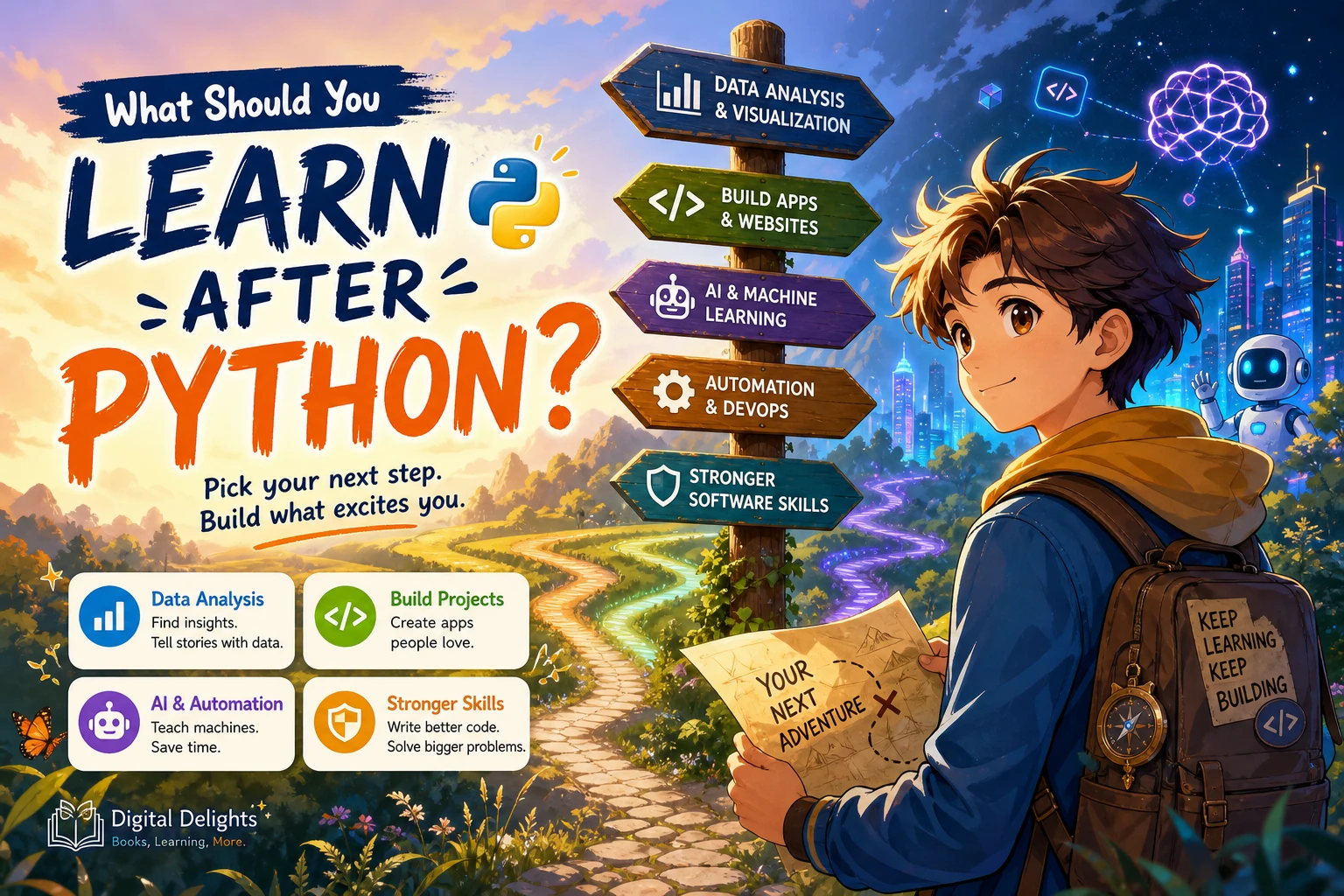
- Choose a direction after the basics. For data work, explore relevant data tools and basic statistics. For web applications, learn the framework and web concepts your project needs. For automation, practise with the files and systems you actually want to handle.
There is no single practice schedule or fixed timeline that suits everyone. A more useful measure of progress is whether you can explain what your code is doing, change it deliberately, and build a small project without copying every step.
Common beginner pitfalls to avoid
- Jumping between tutorials: Switching resources whenever a topic feels difficult can leave gaps. Choose one main learning path and use other references to clarify specific questions.
- Reading without writing code: Code can look clear on a page and still be confusing when you run it. Type examples, change them, and observe what happens.
- Starting with a specialty too early: Machine learning and data science can be motivating goals, but beginners benefit from basic programming skills first. Build a foundation before taking on tools and concepts that depend on it.
- Expecting syntax alone to make you job-ready: Programming is one part of a broader skill set. Career requirements vary, and the supplied evidence does not establish that learning Python by itself leads to employment or a particular salary.
- Copying solutions without understanding them: When you use a sample, explain each part in your own words and then make a small change. That helps turn a copied result into practice.
How to choose a Python learning resource
Look for a resource that matches both your starting point and how you prefer to practise. A complete beginner may need guided explanations of programming fundamentals and setup. Someone who already understands basic syntax may benefit more from exercises or project work. Check the table of contents and description for the topics you need; a title alone cannot show whether its teaching style will suit you.
| What you need | Catalog resource | What the listing says it covers |
|---|---|---|
| A guided introduction to fundamentals | Python Programming for Beginners: The Easy and Complete Step-by-Step Guide | Python setup, core concepts, and practical examples for new coders. |
| A broad starter guide with data topics | Python for Beginners | The listing covers setup, programming basics, and an introduction to data analysis and machine learning. |
| More deliberate problem-solving practice | Python Workout, Second Edition (MEAP V03) | An exercise-focused resource covering topics such as strings, collections, files, and functions. The catalog identifies it as an early-access MEAP edition. |
| A structured route based on projects | Python Projects for Beginners: A Ten-Week Bootcamp Approach to Python Programming | The listing describes a bootcamp-style sequence with setup and practical programming tasks. |
| Moving toward data science after learning basics | Python for Data Science | The listing covers Python foundations, data-science topics, scikit-learn, and practical exercises. |
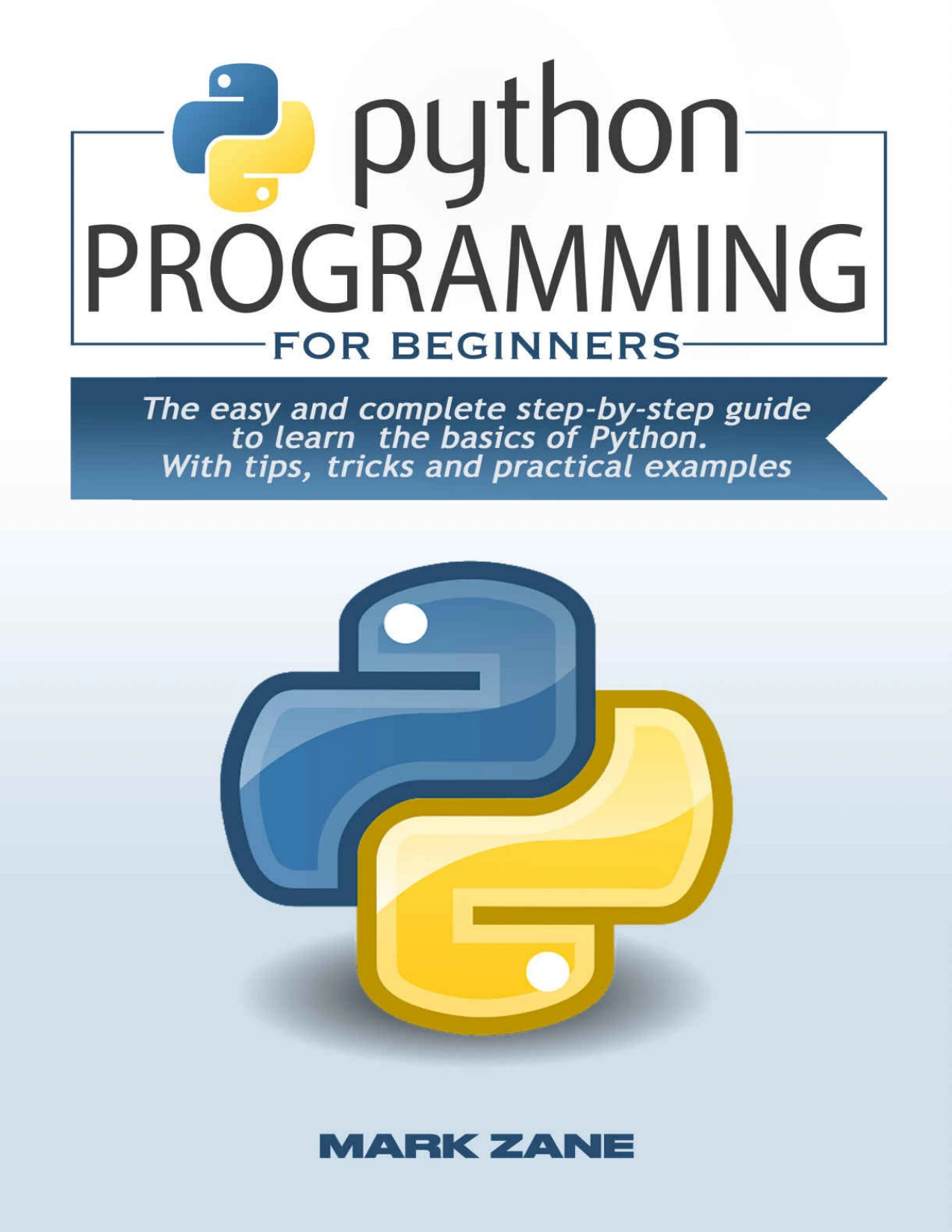
By Mark Zane
A newcomer looking for a step-by-step resource covering Python setup, core concepts, and practical examples.
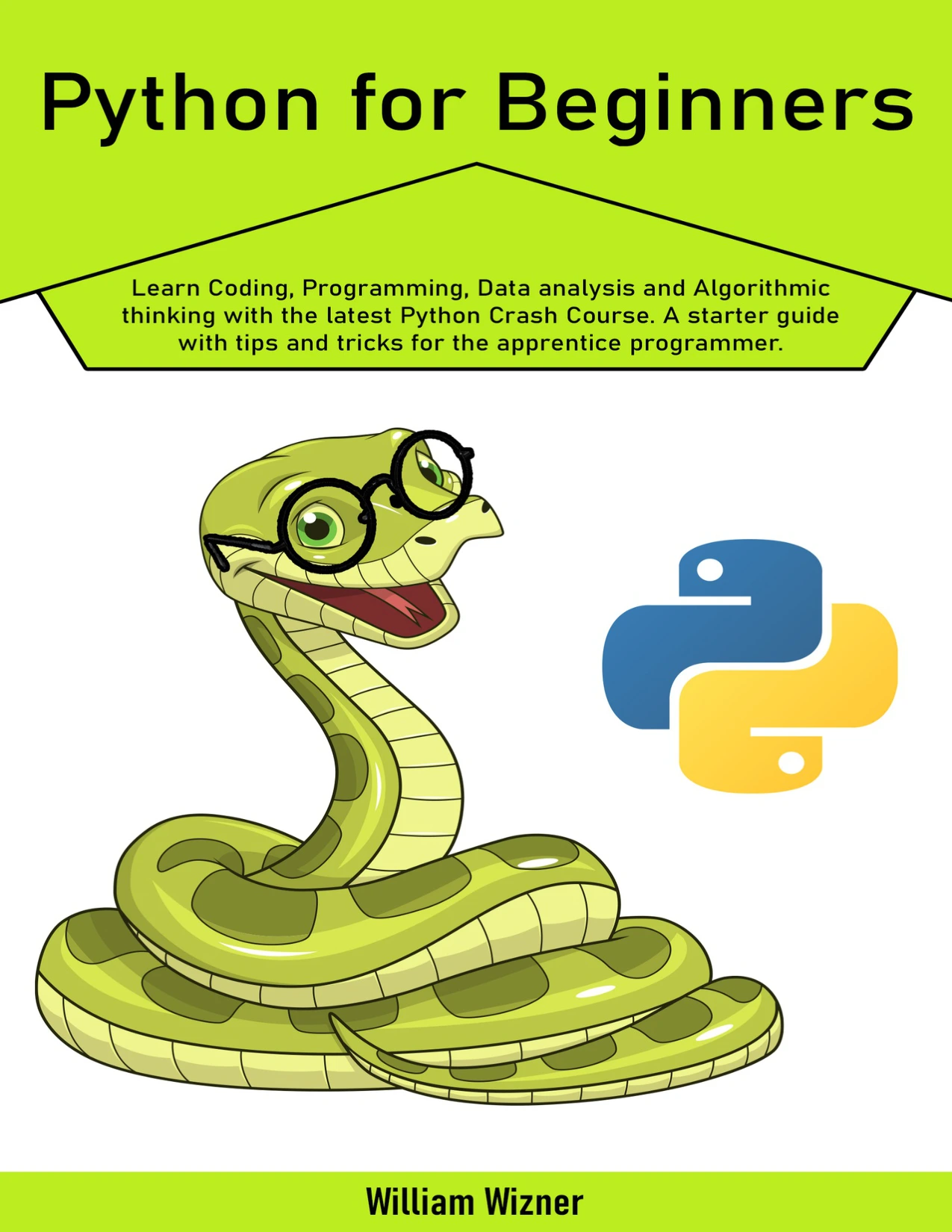
A beginner who wants programming foundations alongside an introduction to data analysis and machine learning.
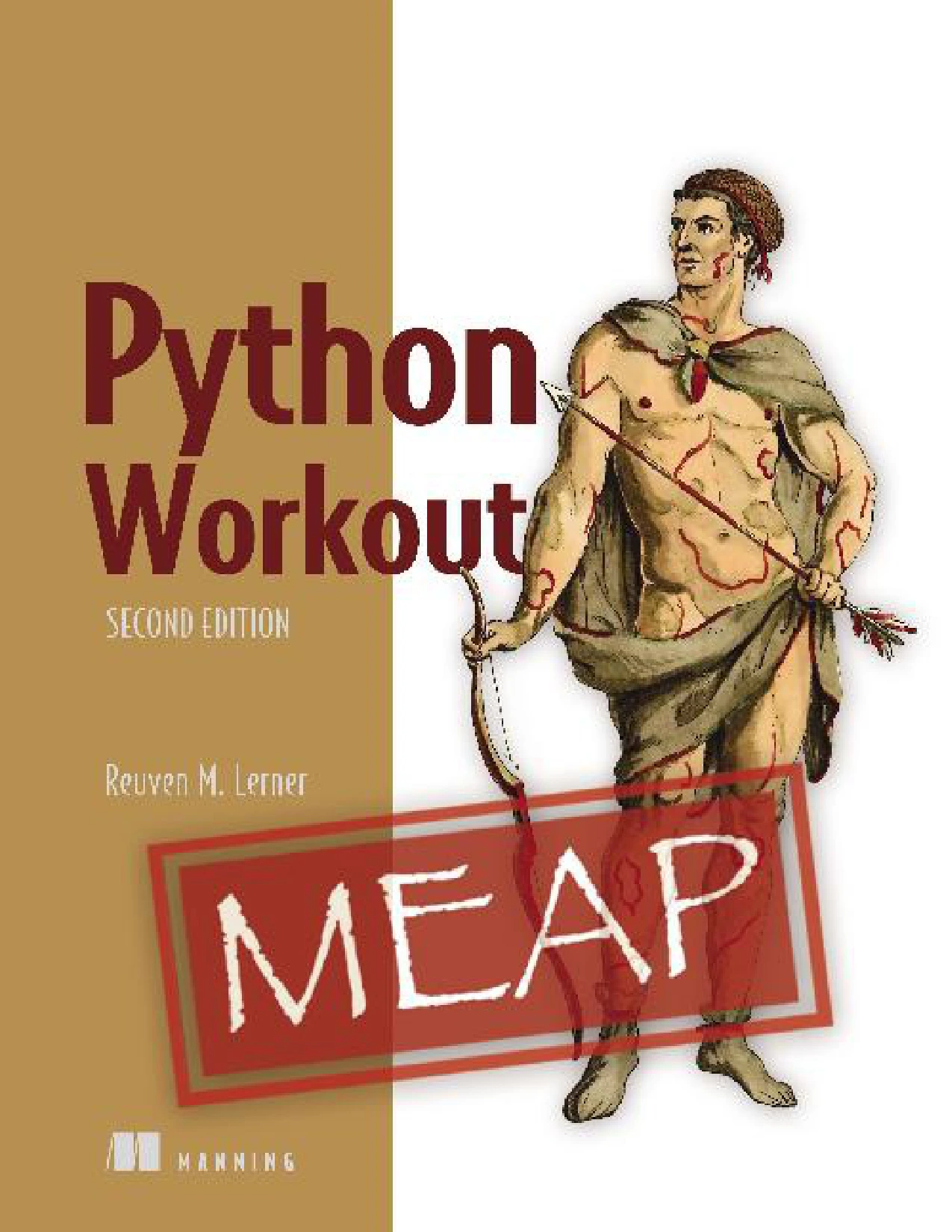
Python Workout, Second Edition (MEAP V03)
A learner ready to apply Python concepts through exercises; the catalog identifies this as an early-access MEAP edition.
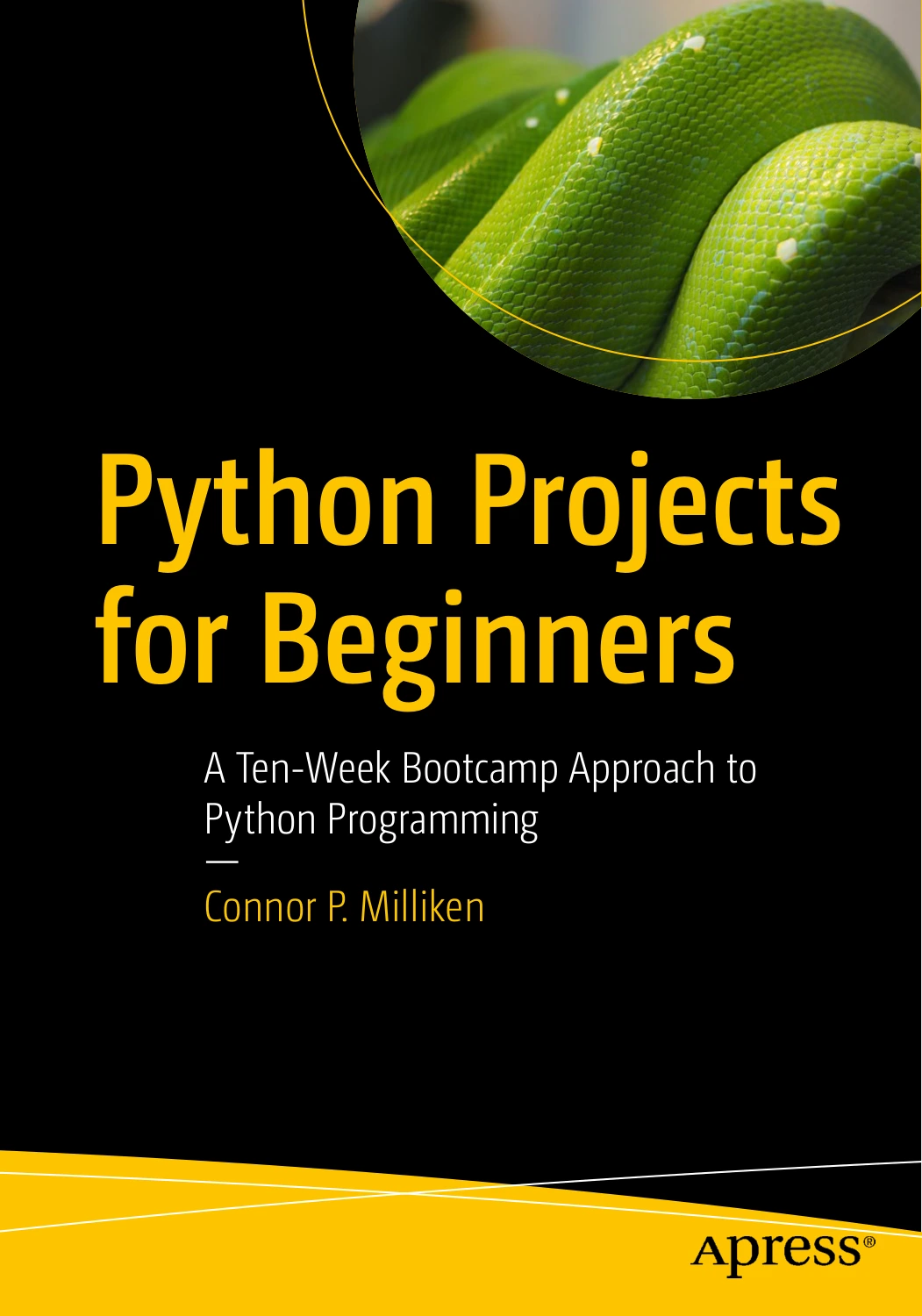
Python Projects for Beginners: A Ten-Week Bootcamp Approach to Python Programming
A beginner who prefers a bootcamp-style sequence of practical programming tasks.
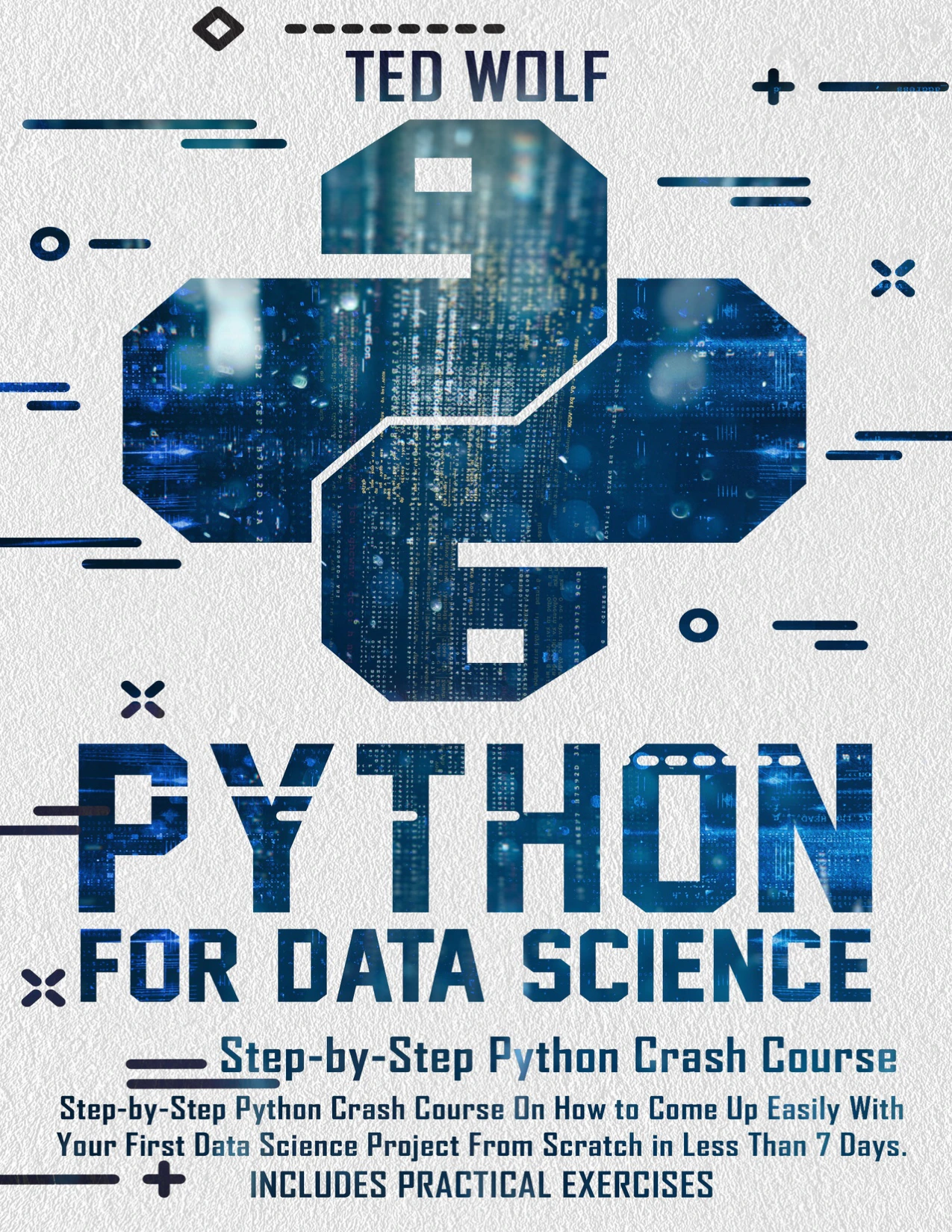
By Ted Wolf
Someone with interest in data work who wants a resource listing Python foundations, scikit-learn, and practical exercises.
These are examples of different resource types, not a ranking or a claim about learning outcomes. If you want to browse more titles, see the Python collection. Choose one resource that fits your next step, then spend as much attention on writing and modifying code as on reading.
Frequently asked questions
Can I learn Python with no programming experience?
Yes, you can begin without prior experience. Choose a beginner resource that explains programming fundamentals as well as Python. The official Python tutorial is useful documentation, but it says it assumes basic programming knowledge, so it may not be a complete first course on its own.
What should my first Python project be?
Pick a small task with a clear result: a quiz, a calculator, a to-do list, or a file-organizing script. Keep the first version simple. You can add features after the basic program works.
Will learning Python guarantee a programming job?
No. Learning Python is not a guarantee of employment, a salary, or career progression. Job requirements differ by role and employer, and often involve skills beyond a programming language. Research the requirements for the specific work you want to pursue.
Should I learn Python or another language first?
That depends on what you want to build and what your course or project requires. Python is a reasonable option for broad programming fundamentals, automation, and data-related learning, but there is no supplied comparative evidence proving it is the best first language for everyone.
Is Python still worth learning in 2026?
It can be, if it supports a goal you care about. Python.org documents uses in areas including web development, scientific and numeric work, and software development. Check the tools and version requirements for your intended project, and remember that learning Python alone does not guarantee a career outcome.
The bottom line
Python is still a worthwhile option for many beginners—not because one language suits every goal, but because its documented uses span several practical areas and it can provide a route into programming fundamentals. Start with a clear purpose, learn the basics in order, and practise by building small programs. Once you know what interests you, add the tools and subject knowledge required for that direction. That gives you a more useful measure of progress than collecting tutorials or memorizing syntax.