
Can You Learn Machine Learning Without Knowing Python?
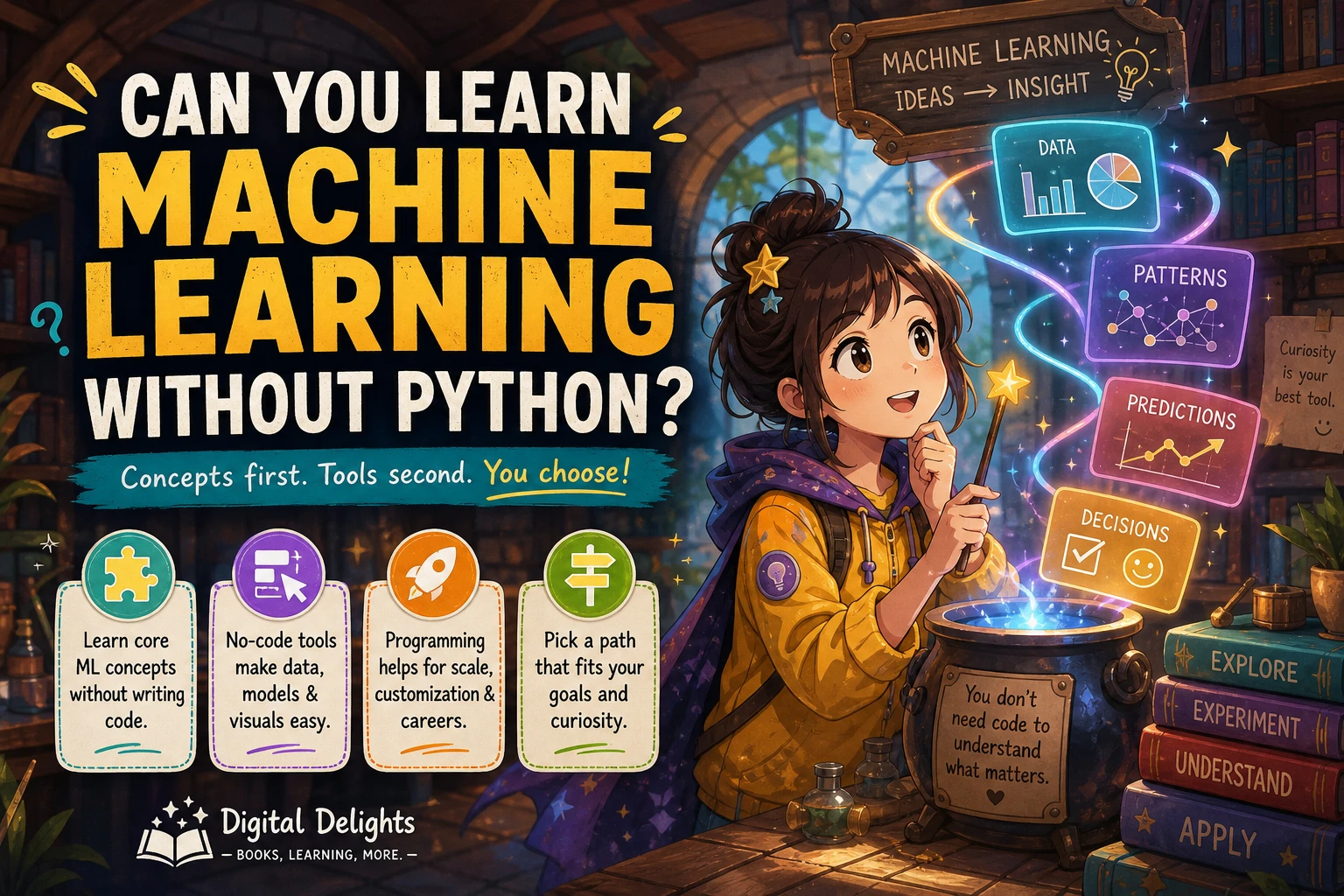
Yes. You can start learning machine-learning concepts and try guided, visual activities without knowing Python. But there is a difference between understanding how models learn and independently building, changing, or troubleshooting code-based machine-learning systems. For that practical work, programming becomes useful—and Python is a common language in the learning resources and examples covered here.
You do not need to become an experienced programmer before you can explore machine learning. The sensible starting point depends on what you want to do: understand the ideas, experiment with a no-code tool, or work directly with data and model code. This guide explains what each route can teach you and how to move from one to another.
What Does It Mean to Learn Machine Learning?
“Learning machine learning” can describe several different goals. They overlap, but they do not all require the same tools or skills.
- Understanding the ideas: Learn what training data is, how a model makes predictions, and why its predictions may be wrong.
- Experimenting with a guided tool: Change examples or settings in a visual activity and observe how the result changes.
- Building or modifying a model in code: Prepare data, run a model, inspect its output, change the workflow, and investigate errors.
You can begin with the first two without Python. The third involves programming when the work is code-based. A no-code activity can introduce useful concepts, but it does not automatically provide the experience needed to write or debug an implementation.
How to Learn Machine Learning Without Python
A beginner can start by exploring the relationship between examples, model choices, and predictions. A visual or block-based activity can make this concrete: provide examples, observe a result, then change the examples or settings and compare what happens.
For instance, imagine sorting examples into two groups. Ask what information distinguishes the groups, whether the examples are representative, and what happens when an unusual example appears. These questions help build intuition about data and prediction without requiring you to write code.
No Starch Press describes Machine Learning for Kids as a Scratch-based introduction that does not require coding experience. That makes it an example of a guided starting route, not evidence that a no-code activity teaches the same implementation skills as programming practice. Read the publisher’s description of Machine Learning for Kids.
What to pay attention to during no-code experiments
- The examples: What information is being used, and what might be missing?
- The prediction: What does the model produce, and does the output make sense?
- The errors: Which examples lead to incorrect or uncertain results?
- The changes: Does changing the examples or settings alter the results?
Try to explain what you observed in your own words. That habit helps you learn more than simply clicking through an activity, and it prepares you to ask better questions when you later work with code.
When Does Python Become Useful?
Python becomes useful when you want to work directly with a code-based machine-learning workflow. That may mean loading and examining data, changing how a model is used, testing a different approach, or tracing why a program produced an unexpected result. Code gives you more control, but it also means you need to read and understand the instructions the computer is following.
Course requirements vary. For example, a Manning course on machine learning with scikit-learn lists basic Python and basic mathematics as prerequisites; it says prior statistics experience is not required. That is one course’s stated entry point, not a universal rule for all machine-learning study. Check the course description and prerequisites.
If you are new to programming, note that the official Python tutorial expects readers to have a basic understanding of programming. It may therefore be more suitable after an introductory programming resource than as a first-ever coding lesson. See the Python tutorial’s stated prerequisites.
A Practical Learning Path for Beginners
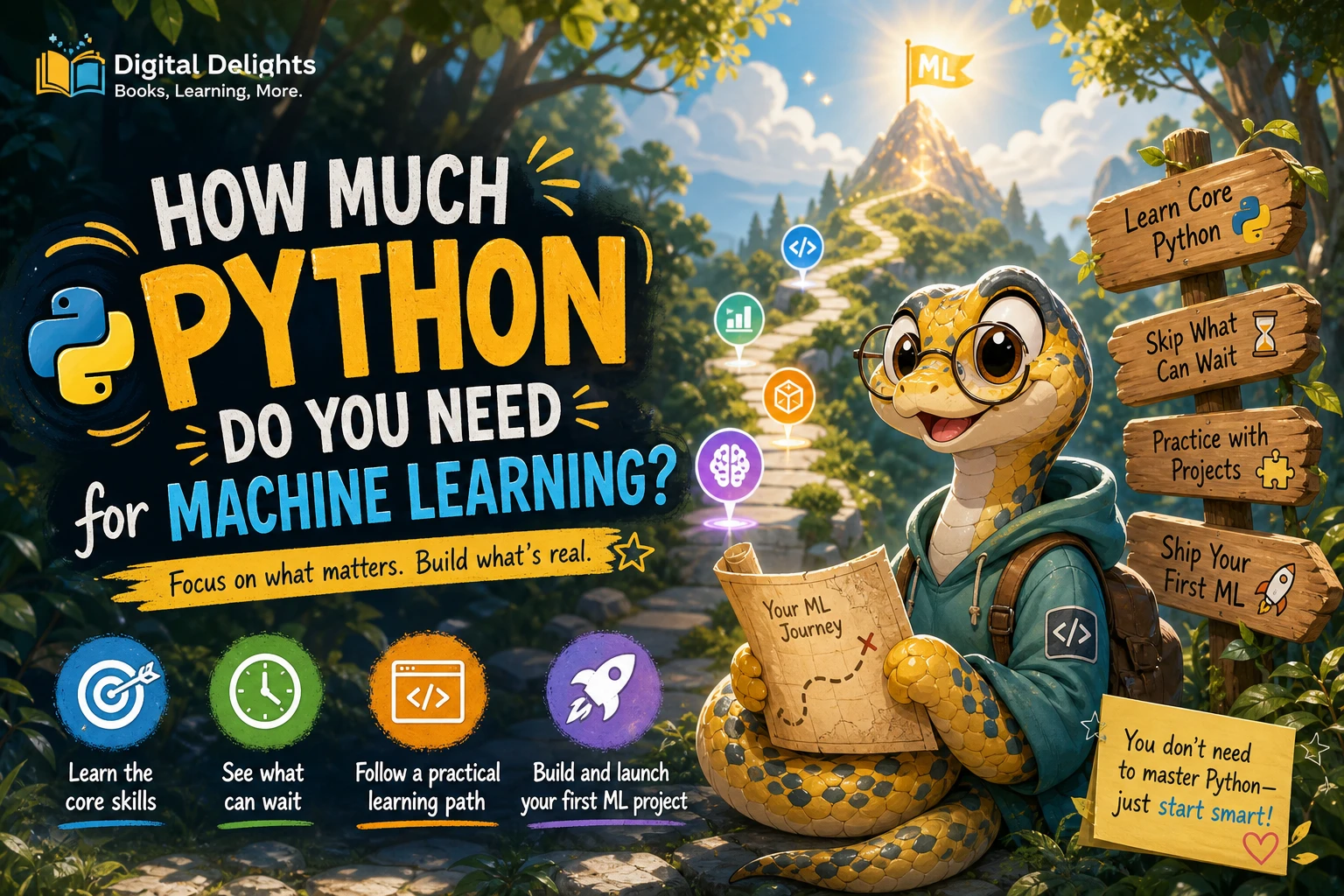
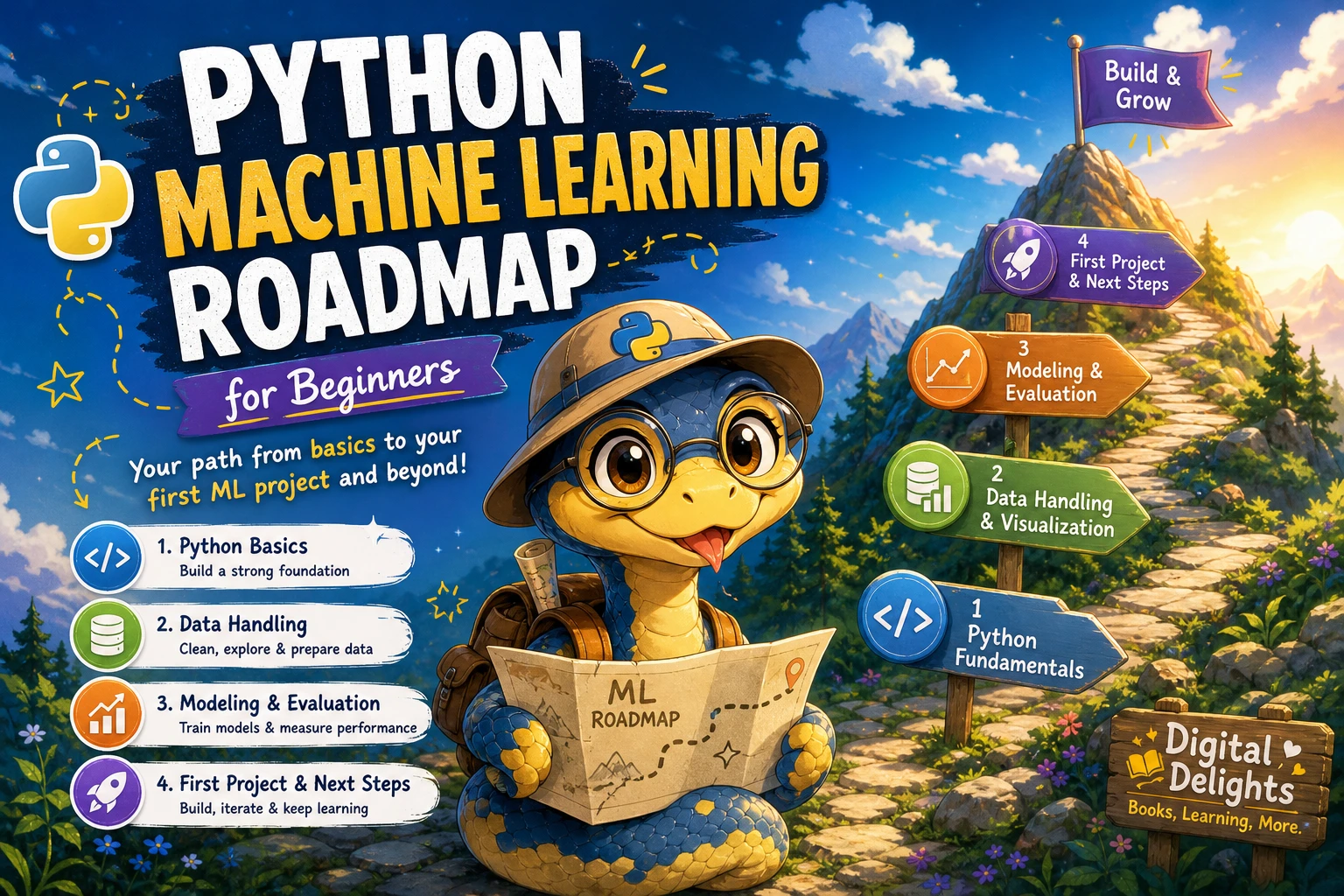
- Start with the core ideas. Learn the basic roles of data, a model, a prediction, and evaluation. Use plain-language explanations and guided examples.
- Experiment before worrying about syntax. Use a visual activity to explore how changing examples or settings can affect results. Record what you expected and what happened.
- Decide whether you want to build with code. If your goal is to understand concepts, you can keep learning through guided activities. If you want to run and adapt code-based workflows, begin learning programming.
- Learn Python fundamentals in context. Practise variables, data types, conditions, loops, functions, and reading errors. Write small programs rather than only reading about syntax.
- Move to a small machine-learning task. Follow one structured example, examine its inputs and outputs, and change one element at a time. This makes it easier to see what your changes do.
- Follow the setup instructions for your chosen resource. Use the Python version and software environment specified by the course or tools. Do not assume that the newest language release is automatically supported by every library or lesson.
The transition does not have to be a strict “Python first, machine learning later” sequence. You can learn basic concepts and programming alongside each other, as long as the coding material is appropriate for your current level.
Common Misconceptions About Learning Machine Learning
“I must master Python before I can learn anything about machine learning.”
You can begin with the concepts and guided experiments first. Python is not a prerequisite for every way of learning about machine learning. It matters more when you want to implement or adapt a code-based workflow.
“A no-code introduction teaches me everything I need to build models.”
No-code activities can help you explore ideas, but they do not, by themselves, demonstrate that you can write, modify, or debug code. Treat them as an entry point rather than a substitute for every kind of practical work.
“Every machine-learning course requires advanced mathematics and statistics.”
Do not assume that every course has identical prerequisites. The sampled Manning course asks for basic mathematics and Python, while stating that prior statistics experience is not required. Check the requirements of the specific course you plan to take; the available evidence does not establish one universal mathematics threshold.
Choosing a Learning Resource That Fits Your Goal
Before choosing a book or course, decide what you want to be able to do next. A resource aimed at complete programming beginners serves a different purpose from one focused on implementing machine-learning techniques in Python.
| Your immediate goal | Look for a resource that | Example from Digital Delights |
|---|---|---|
| Begin learning Python from the basics | Introduces programming foundations and beginner-level practice | Python for Beginners: A Complete Beginner’s Guide to Learning Python Quickly |
| Study Python and then explore machine learning | Combines introductory Python material with a machine-learning section | Python: 2 Books in 1: Python Programming + Python Machine Learning |
| Explore Python and AI topics together | Covers Python foundations alongside machine-learning topics | Python & AI For Dummies |
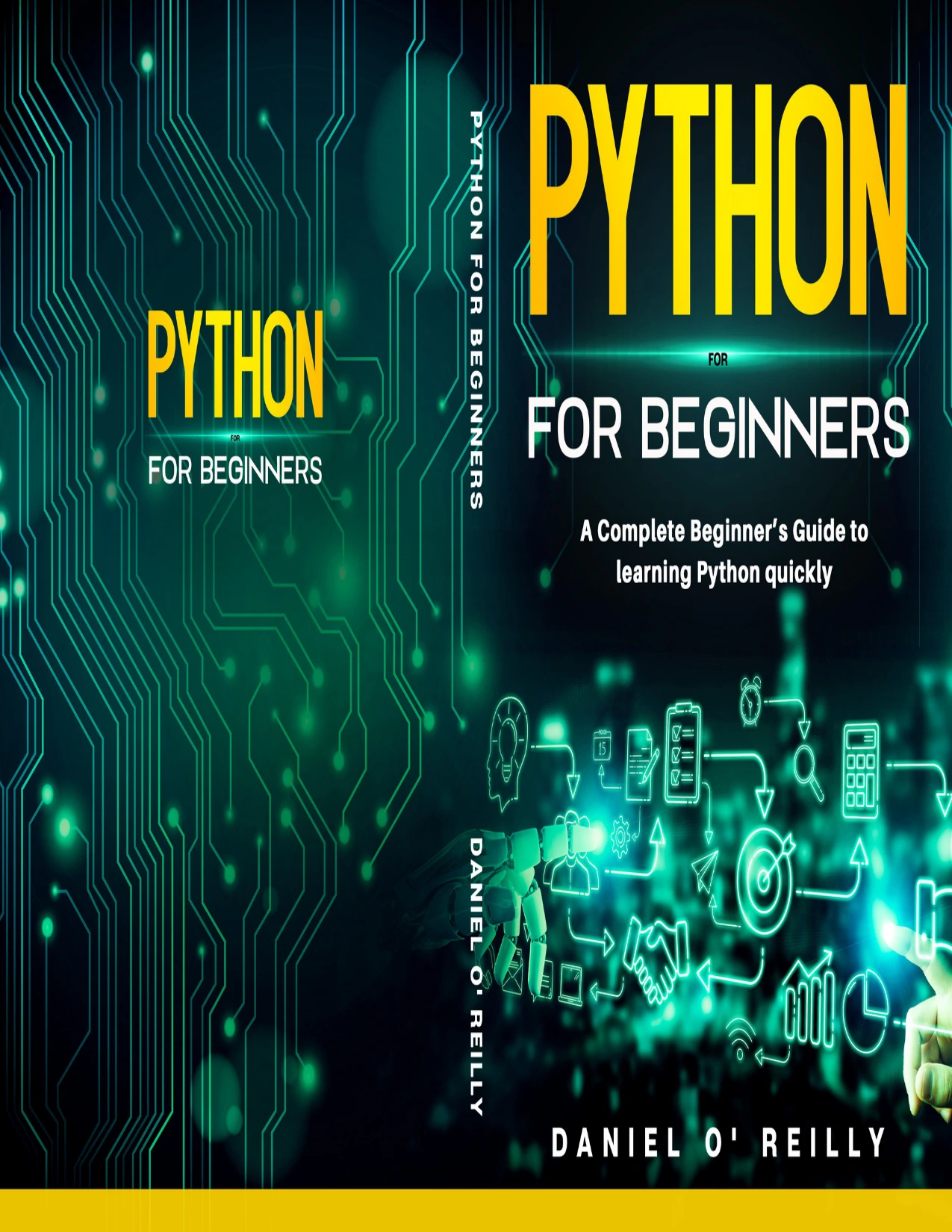
Python for Beginners: A Complete Beginner’s Guide to Learning Python Quickly
Beginners looking for a guide whose listing covers Python setup and programming foundations.
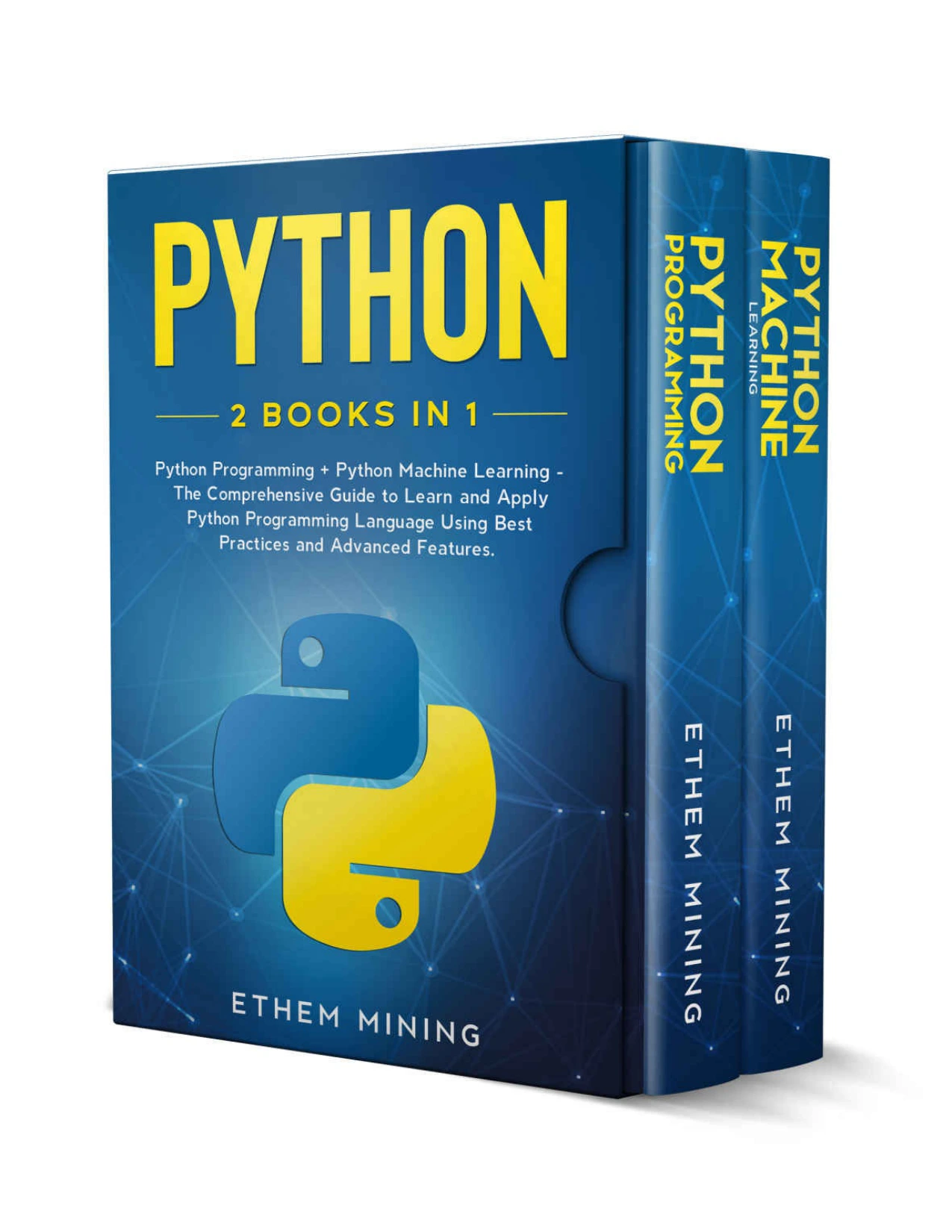
By Ethem Mining
Learners who want to explore Python basics and Python machine learning in one combined title.
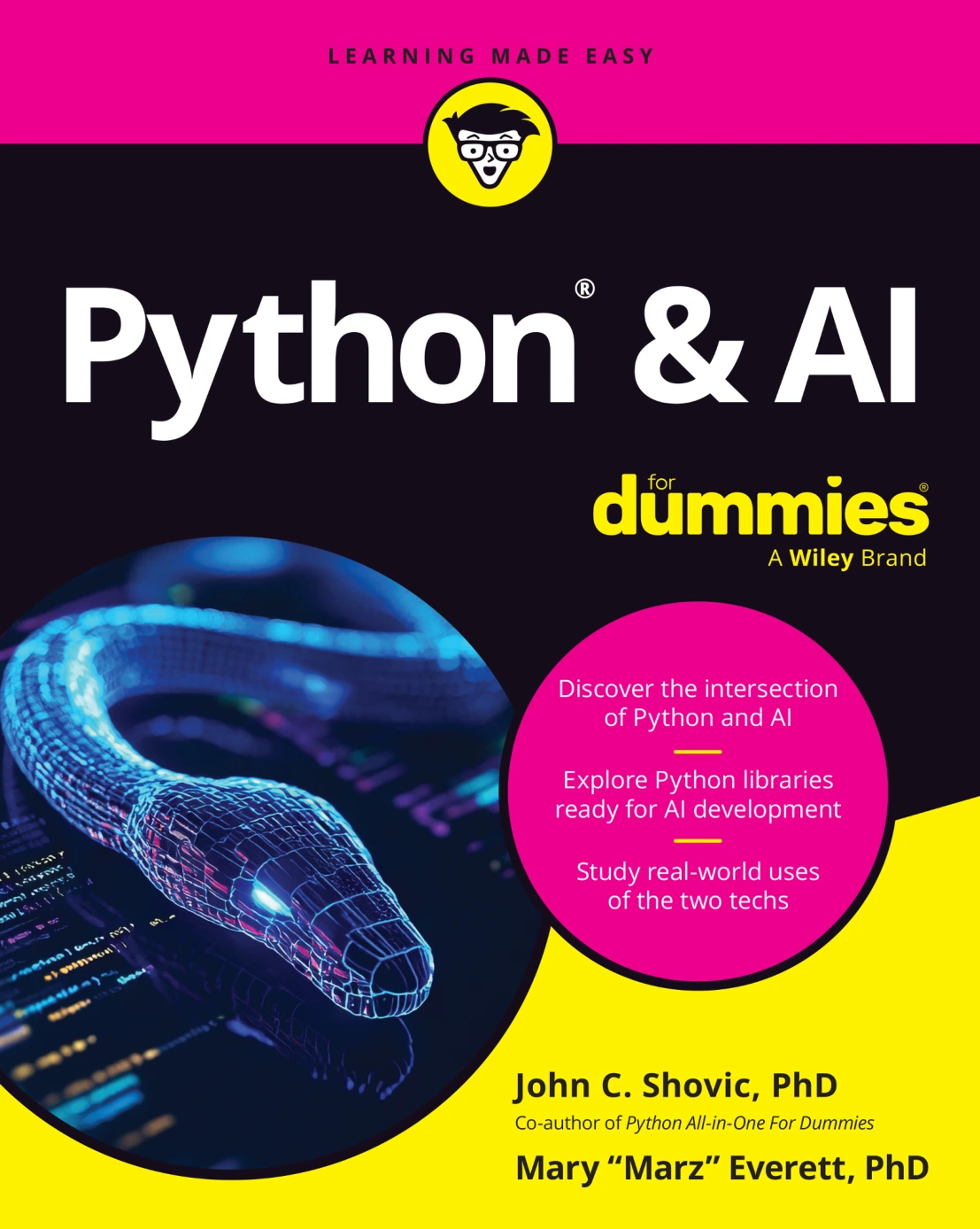
Readers seeking an introductory resource that connects Python foundations with AI subjects.
These catalog descriptions can help you compare subject coverage, but they do not establish how effective a resource will be for a particular learner. Check the listing and its stated contents against your own starting point and goals. If you are not ready to code, begin with conceptual or visual learning; if you want to implement models, choose material that introduces the Python skills you need.
Frequently Asked Questions
Can I learn machine-learning concepts without coding?
Yes. You can study ideas such as training examples, predictions, and model evaluation, and use guided visual activities to experiment. Coding becomes necessary for code-based implementation, but it is not required to begin understanding the subject.
Do I need Python to build machine-learning models?
For a Python-based workflow, yes: you need enough Python to follow, run, and eventually adapt the code. Other learning materials may use different approaches, so check the language and prerequisites of the specific resource you choose.
Should I learn Python before or alongside machine learning?
Either order can make sense. If you are entirely new to programming, learning the basics first can make code-heavy lessons easier to follow. You can also study introductory machine-learning ideas while building Python skills, then move into implementation when you are ready.
Do I need advanced maths to get started?
Not necessarily for every introductory resource. Requirements differ, so check the course description rather than assuming advanced mathematics or statistics is always required. You may encounter more mathematical detail as you pursue particular methods or projects.
Sources and Further Reading
- Machine Learning for Kids | No Starch Press — publisher description of a Scratch-based introduction.
- Python for Machine Learning: The Complete Beginner’s Course | Manning — example of course-specific prerequisites.
- The Python Tutorial | Python documentation — notes the tutorial’s expected programming background.
The Bottom Line
You can learn machine-learning concepts without knowing Python, and guided visual tools offer one way to begin. Python becomes important when your goal shifts to writing, adapting, or troubleshooting code-based models. Start with the outcome you want, choose learning material that matches your current level, and add programming when it helps you take the next step.