Can I Learn Python with a Book? A Practical Guide
Yes, you can learn Python with a book. A well-structured book can guide you from basic syntax to small programs, but reading alone is unlikely to build the practical skill you want. Plan to type the examples, run them, change them, and solve exercises as you go.
A book works best as the backbone of a study routine: it gives you a sequence to follow, while hands-on practice helps you check whether you can use each idea yourself. This guide explains what books can and cannot offer, how to choose one that matches your starting point, and how to turn chapters into a steady Python practice habit.
What a book can—and can’t—do
A beginner Python book can organize unfamiliar ideas into a sensible progression. Instead of jumping between isolated tips, you can learn variables, conditions, loops, and functions in a planned order. Many books also provide examples, exercises, and projects that let you apply what you have read.
Books are also useful as references. If you forget how a concept works, you can return to the relevant chapter and review it in context. This can be more helpful than relying on a short answer that explains one line of code without showing how it fits into a larger program.
However, a book cannot run your code or diagnose every problem in your setup. You may need to consult official documentation, a tutorial, or a knowledgeable community when an example behaves differently from what you expected. The official Python tutorial is useful reference material, but it says it is intended for people who already have some basic programming understanding; a complete beginner should choose learning material that explicitly starts at their level. Read the official Python tutorial’s introduction.
In short, think of the book as a guide—not a substitute for writing programs and working through questions.
How to choose a beginner Python book
Before committing to a title, check whether it matches your experience, preferred learning style, and reason for learning Python. A book aimed at readers who have programmed before may move too quickly for a first-time learner, while a very introductory text may not provide enough depth if you already know another language.
- Check the assumed experience. Look for clear language about whether the book is for people with no coding background or for readers who know programming already.
- Look for a useful progression. A first book should explain core concepts in an order you can follow, rather than presenting a collection of disconnected techniques.
- Check for exercises or projects. Practice prompts and small builds give you a reason to apply each chapter’s concepts instead of only recognizing them on the page.
- Review the Python version and tools. Check which version and software the book uses. If examples do not match your setup, look for the book’s updates or consult current documentation rather than assuming your code is wrong.
- Match the book to your goal. A general introduction is a sensible starting point; a book about data analysis or machine learning may expect Python fundamentals already.
- Preview the format. Clear examples, readable explanations, and a chapter structure you can sustain matter more than an impressive-sounding promise.
For example, the Digital Delights catalog describes Getting Started with Python as covering fundamentals, exercises, debugging, and later topics such as files and databases. Its listed scope makes it one title a beginner could assess against their needs; that description is not an independent evaluation of its teaching quality.
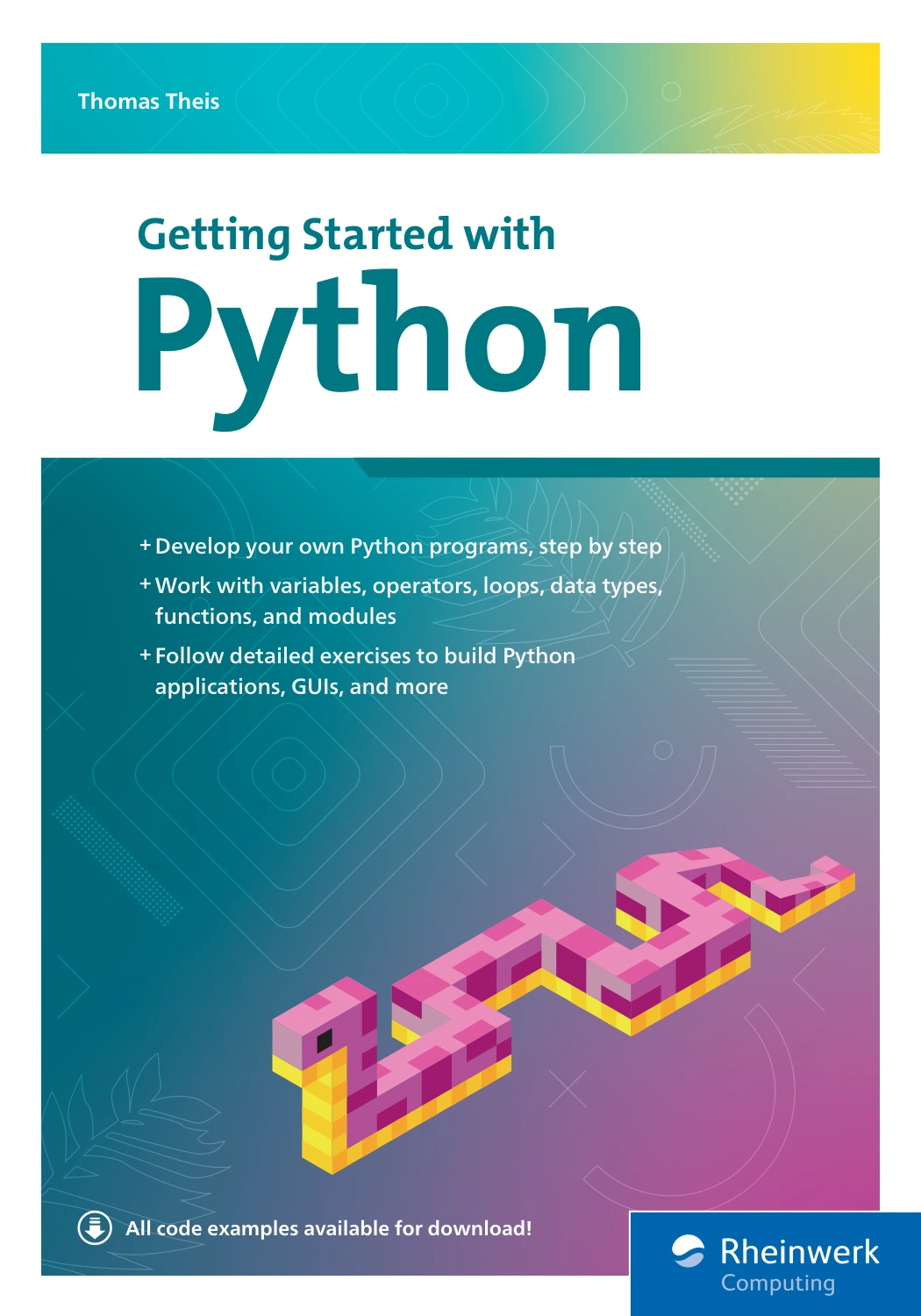
By Thomas Theis
Readers assessing a structured introduction with exercises, debugging, and topics beyond basic syntax.
Compare learning needs, not book rankings
There is no single title that suits every learner. Use a comparison like this to narrow the type of book you need, then inspect its description and sample material where available.
| What you want from a book | Catalog title to evaluate | Scope indicated by the catalog |
|---|---|---|
| A guided introduction with practice and broader follow-on topics | Getting Started with Python | Fundamentals, exercises, debugging, file handling, databases, and GUI topics |
| More emphasis on exercises and small builds | Python Bookcamp: Exercises and Projects | Core Python concepts, case studies, exercises, and projects |
| A structured introduction that also points toward data science | Introduction to Python Programming | Python fundamentals, programming practice, file handling, and an introduction to data science |
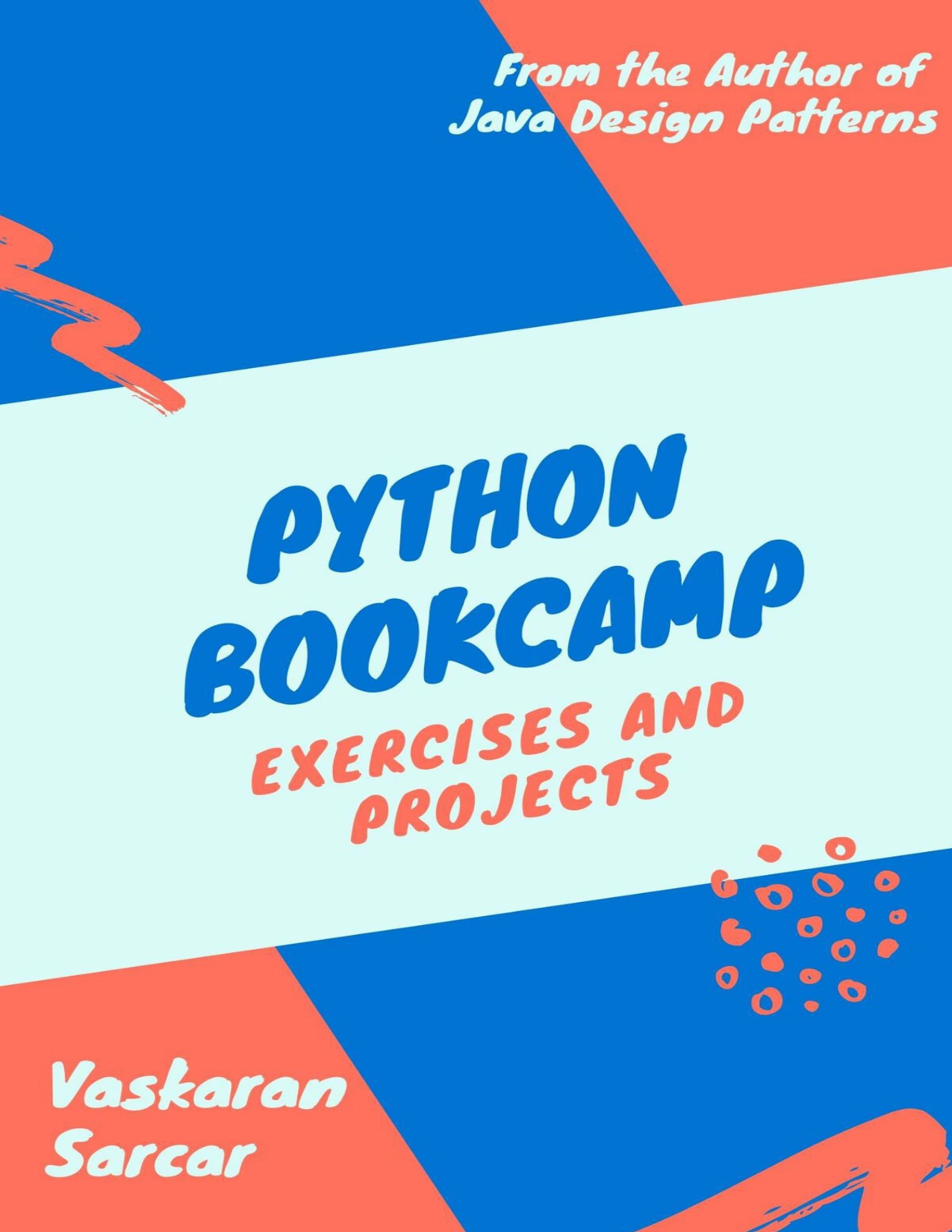
Python Bookcamp: Exercises and Projects
Learners who want exercises and small projects alongside core Python concepts.
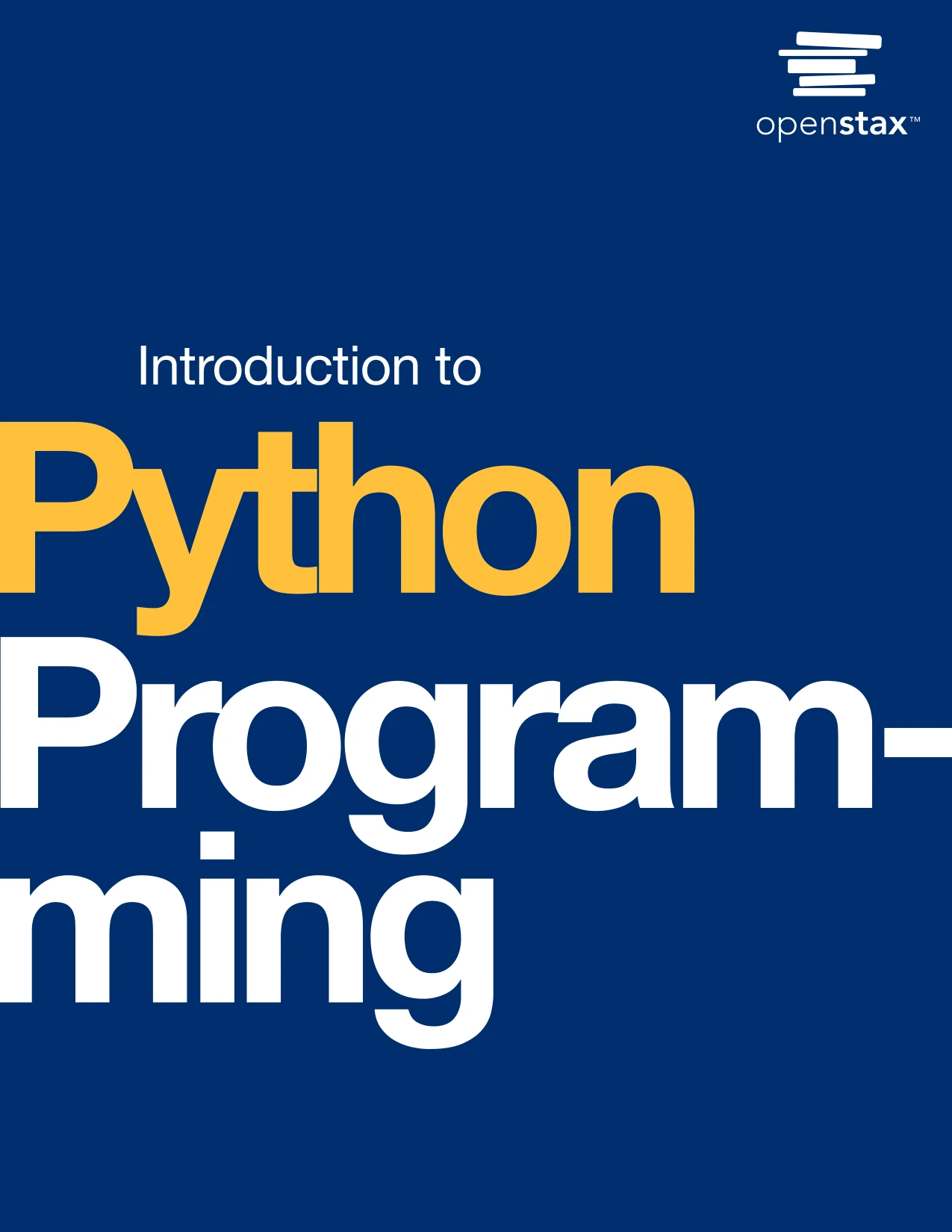
Introduction to Python Programming
By Udayan Das
Readers looking for a broad programming introduction that includes a pathway toward data topics.
This table compares the stated subject coverage, not ratings or independently measured outcomes. You can browse Python books and resources to explore more catalog options.
A practical routine for learning Python with a book
Use a repeatable routine that turns each reading session into code you can run. You do not need to race through chapters. Aim to understand one concept well enough to explain what it does and use it in a small example.
- Read a short section. Focus on one idea, such as strings, loops, or functions. Pause when the book introduces a new term or code pattern.
- Type the example yourself. Avoid copying and pasting at first. Typing helps you notice punctuation, indentation, and variable names.
- Run the code and predict the result. Before executing it, make a guess about what will happen. Compare your prediction with the output.
- Change one thing at a time. Edit a value, condition, or input. Observe how the result changes, and try to explain why.
- Attempt the exercise without looking at the solution. If you get stuck, return to the relevant explanation, then try again.
- Keep an error notebook. Record the message, what caused it, and how you fixed it. This creates a personal reference for recurring problems.
- Make a small project from the chapter. Use the new concept in a simple program of your own, even if it is only a few lines long.
Python’s official learning pages point beginners toward tutorials and other learning material, while its tutorial introduction notes that a Python interpreter is helpful for trying examples as you read. Use documentation to clarify a feature or check a detail, then return to your book’s learning path. See Python.org’s getting-started resources.
A simple path from first steps to small programs
Most beginners benefit from building a foundation before choosing a specialization. Your book may arrange topics differently, but this sequence gives you a practical way to check that you are progressing beyond isolated examples.
- Set up Python and run a first program. Learn how to start the interpreter or run a script in the environment your book uses.
- Learn basic syntax and values. Practise variables, strings, numbers, Boolean values, input, and output.
- Add decisions and repetition. Use conditional statements to choose what happens, then loops to repeat actions.
- Organize information. Work with common collections such as lists and dictionaries, and learn when each is useful.
- Write reusable functions. Break a program into smaller tasks, pass information into functions, and use return values.
- Work with files and errors. Practise reading or writing simple files and use error messages to find and correct problems.
- Build a small project. Combine several concepts in a program, such as a quiz, a simple text-based tracker, or a script that organizes sample data.
Keep early projects small enough that you can explain each part. The aim is not to create a polished product immediately; it is to connect concepts and learn how to make a program behave as intended.
Common pitfalls when studying from a book
Reading without writing code
Understanding an explanation while reading is different from producing a working program yourself. After each short section, close the book and try to recreate the idea in a fresh file or explain it in your own words.
Skipping exercises because the examples seem clear
Examples show one route through a problem. Exercises ask you to make decisions, spot missing steps, and apply ideas in a different context. If an exercise feels difficult, reduce it to a smaller task rather than skipping it altogether.
Copying code without understanding it
When you paste a long example, it is easy to miss the role of individual lines. Type smaller examples, add comments in your own words, and change one part at a time. If you cannot explain what a line does, pause and investigate it before building on it.
Assuming every version difference means your work is broken
Books and software tools can differ in the versions they cover. Read the setup instructions carefully, confirm which version the book expects, and check official documentation when a feature or instruction does not match. Avoid making a specific version change just because a new release exists; first establish what your learning resource supports.
Starting with a topic that assumes too much
Specialist books on data analysis, machine learning, or natural language processing can be interesting, but they may rely on language basics or other technical knowledge. If you are new to programming, build core Python skills first, then move toward a focused subject.
When should you add other learning resources?
Supplement a book when it does not answer a specific question, when your environment behaves differently from its examples, or when you want another explanation of a confusing concept. Official documentation can clarify language features and tools. A beginner tutorial can offer a different presentation, and peer discussion can help you compare approaches when you have already tried to diagnose a problem.
Use additional resources selectively. Jumping between several books, tutorials, and videos at once can make it harder to see a clear progression. Keep one primary learning path, and use supplementary material to answer a defined question or practise a skill.
If your interests turn toward data work after the fundamentals, Python for Data Science: A Hands-On Introduction is a catalog title whose described scope includes Python data structures, data sources, analysis, and related tools. It is a possible next subject to investigate, not a replacement for checking whether you have the prerequisite skills it expects.
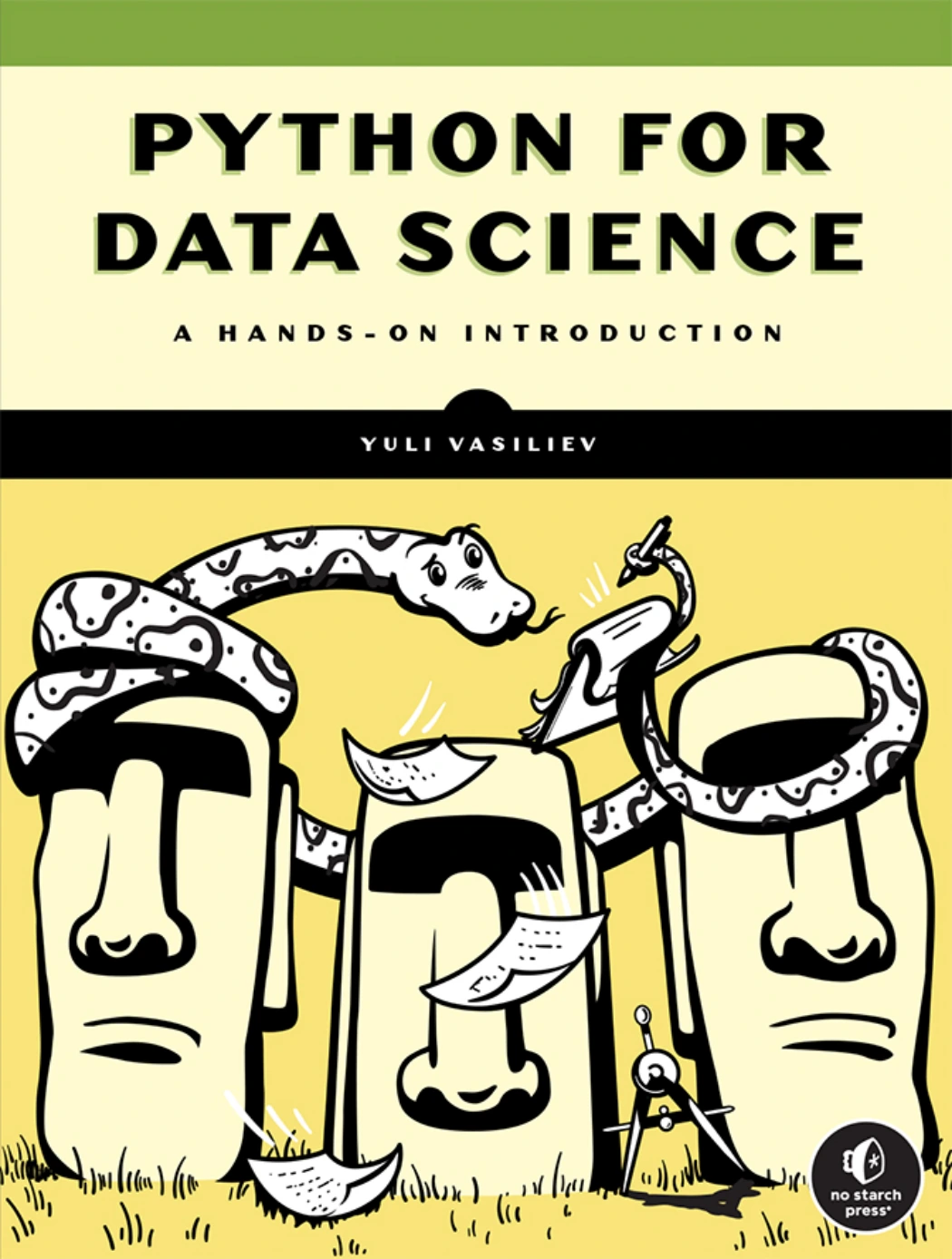
Python for Data Science: A Hands-On Introduction
Learners interested in using Python for data work who have checked that the book’s prerequisites suit them.
Frequently asked questions
Can a complete beginner learn Python from a book?
Yes. Choose a book that explicitly starts with little or no programming experience, and make sure it explains setup as well as language basics. The official Python tutorial assumes some basic programming knowledge, so it may work better as a reference or supplement for a total beginner than as their only introduction.
Is one Python book enough?
One well-matched book can provide a coherent foundation, but it may not cover every question, tool, or goal you encounter. Work through its examples and exercises first, then add documentation or another resource where you have a specific gap.
Should I read a Python book from start to finish?
Follow its intended sequence for foundational topics, but do not treat finishing every page as the measure of learning. Pause to practise, revisit sections that remain unclear, and use reference chapters when you need to look up a concept later.
How should I practise while reading?
Type and run examples, predict their output, change small details, and complete exercises before checking solutions. Then make a small program that combines the concepts you have studied.
What should I learn after Python basics?
Choose a next step based on what you want to make. You might explore automation, data analysis, web development, or another application area. Before starting a specialist book, check its stated prerequisites and make sure you can use the Python fundamentals it relies on.
Conclusion: use the book as a guide, not a spectator sport
You can learn Python with a book if you pair its explanations with regular, active practice. Choose material that matches your starting point, work through the examples yourself, and build small projects as your skills grow. When a book leaves a gap, use official documentation or another focused resource to resolve it rather than abandoning your learning path.
The most useful next step is simple: choose one beginner-friendly resource, set up the tools it expects, and write your first small program while you read.
Sources and further reading
- The Python Tutorial — official documentation; its introduction describes the tutorial’s assumed programming background.
- Python For Beginners — official Python.org starting resources.