
Digital art books online can support many creative goals, from learning fundamentals to studying color, composition and character design. A good choice begins with the problem you want to solve. These six questions will help you compare creative eBooks thoughtfully before adding one to your study plan.
- What skill do I want to improve?
- Does the level match my experience?
- Is the subject focused enough?
- Can I follow the visual examples?
- Will the format work on my device?
- How will I apply the lessons?
Why choose digital art books online?
Digital resources are searchable, portable and easy to keep close to your drawing setup. They can be especially practical when you want to zoom into a visual example or switch between reading and working. The value still depends on the book’s content, language, file format and relevance to your goal.
1. What specific skill do you want to improve?
Replace a broad goal such as “get better at art” with a smaller target: understand light, draw convincing poses, practice perspective or organize a page. A specific outcome helps you recognize which description is genuinely relevant.
2. Does the level match your experience?
Beginner resources should define core terms and build skills gradually. Intermediate books may assume you already understand form, proportion and basic perspective. Advanced references often focus on refinement rather than foundational instruction. Check the listing instead of judging by the cover.
3. Is the subject focused enough?
A general survey can introduce several areas, while a focused book can explore one technique in greater depth. Digital art books online cover drawing, painting, illustration, design, comics and many related subjects. Choose breadth when exploring; choose depth when solving a known problem.
4. Can you learn from the examples?
Look for clear images, demonstrations, diagrams or structured exercises where the description indicates they are included. Ask whether the book explains decisions as well as showing results. Process is often more educational than a collection of finished images.
5. Will the file work for your reading setup?
When reading digital art books online, detailed artwork may be more comfortable on a tablet or larger screen. PDF commonly keeps a fixed page design, while EPUB can reflow in a compatible app. Every product can differ, so confirm the format on its listing and consult the Download Guide. For technical background, the W3C EPUB overview explains the publishing standard.
6. How will you apply what you read?
Decide on an output before you begin: a page of gesture studies, a color chart, a redesigned character or a small composition. Digital art books online become more useful when every reading session produces a visible experiment.
Compare creative subjects before buying
Use the Art & Design eBooks guide as your starting point. Then compare the live Art, Design and Comic collections. Readers searching for digital art books online should verify the language, format and description on each product page.
Turn an art eBook into a repeatable routine
- Preview the lesson and identify one key idea.
- Copy the exercise once to understand the steps.
- Apply the same idea to a new subject.
- Record what worked and what remains unclear.
- Revisit the exercise after several days.
Digital art books online support practice best when paired with action. A short, repeated routine is more valuable than passive reading. Keep your notes beside the book and build a small archive of dated studies.
Explore the creative catalogue
Find digital art books online for your next project and check every listing for current product details.
Browse Art eBooksBrowse Design eBooks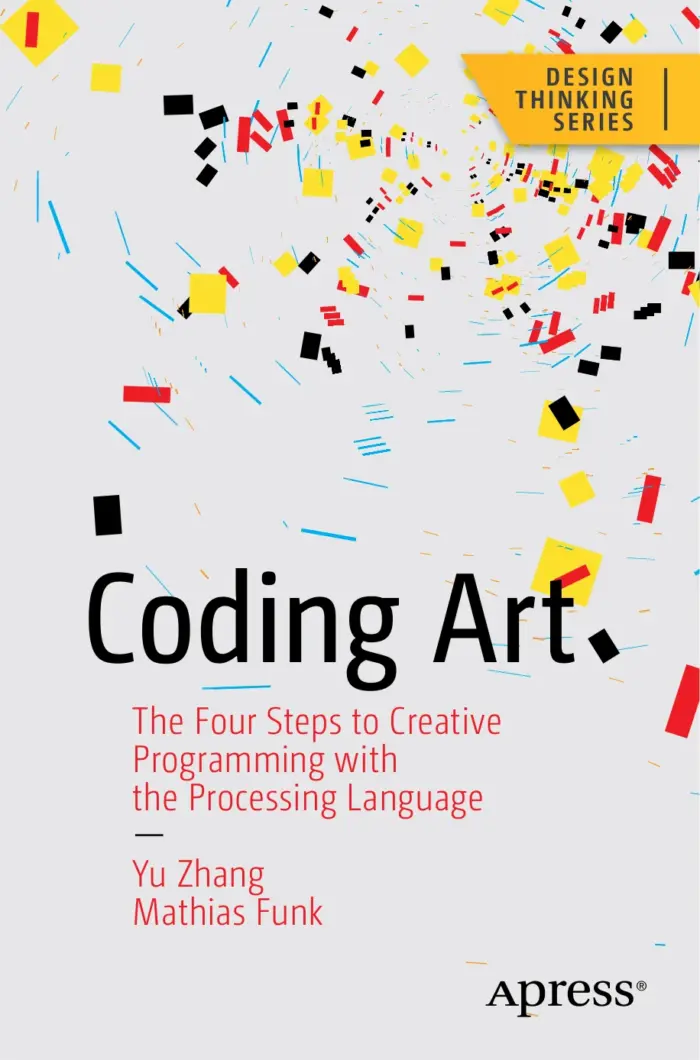
Coding Art: The Four Steps to Creative Programming with the Processing Language
101 Random UX Tips: Practical bits for novices and experts

Design Thinking for Food Well-Being