
Drawing books for beginners are most useful when they turn a large subject into a clear sequence of manageable skills. The right book should help you practice—not simply show polished artwork. This guide explains seven qualities to check before choosing a drawing resource and shows how to build a study routine around it.
- Clear fundamentals
- Progressive exercises
- Useful demonstrations
- A suitable subject
- Readable presentation
- Accurate format details
- A practical study plan
What makes a beginner drawing book useful?
The best drawing books for beginners explain why a technique works, shows the process in stages and gives you something specific to draw. It does not assume that you already understand perspective, proportion or value. Before buying, compare the book’s stated subject and level with the skill you want to develop.
1. A foundation in shapes, line and observation
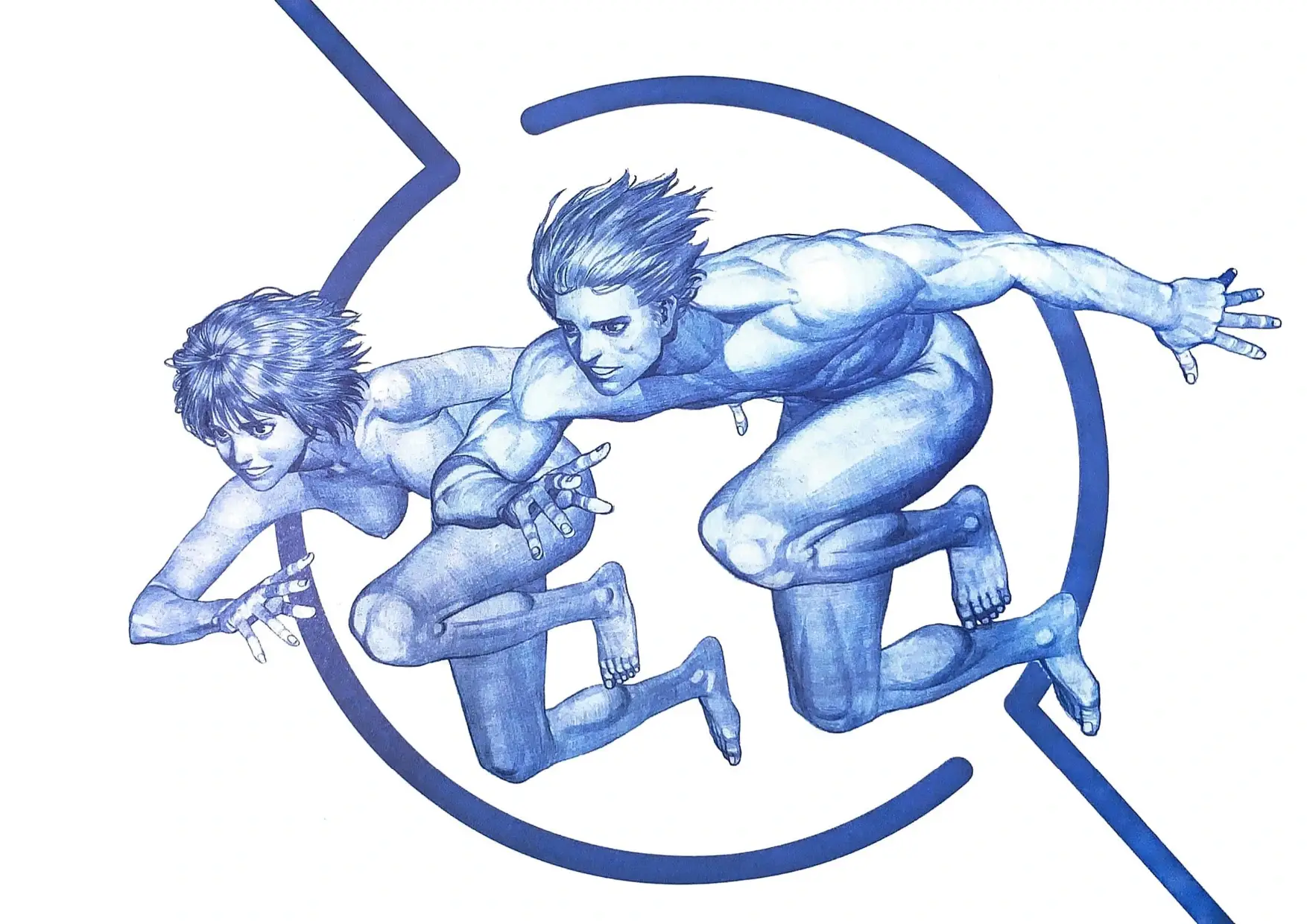
Many complex drawings can be simplified into basic forms. Look for instruction that helps you see boxes, cylinders, spheres, angles and negative space. Lessons in line control and observation can make later subjects—figures, environments and objects—less intimidating.
2. Exercises that increase in difficulty
A useful sequence begins with small tasks and gradually introduces more variables. For example, a lesson may move from a simple form to light and shadow, then to a group of objects. Progressive exercises let you notice improvement and reveal which fundamentals need more practice.
3. Step-by-step demonstrations
Finished artwork can inspire you, but intermediate stages teach you. Good demonstrations show construction lines, corrections and decisions. Check whether the listing describes tutorials, exercises, studies or process images rather than assuming every illustrated book is instructional.
4. A subject connected to your goal
“Learn to draw” can mean very different things. Some readers want portraits or anatomy; others want manga characters, architecture, nature or watercolor. Start broad if you need fundamentals, then choose a focused title once you know the subject that keeps you practicing.
5. A presentation you can follow
For drawing books for beginners, page layout, language and image clarity matter. A book that is technically advanced or written in an unfamiliar language may not fit a first study plan. Review the product title and description carefully, and remember that the cover alone cannot confirm the level or language.
6. A file format suited to your device
Digital drawing books often rely on detailed images, so screen size and zooming can affect the experience. Check the individual listing for the supplied format. PDF usually preserves page layout, while EPUB may reflow in compatible readers. The Digital Delights Download Guide explains general access and format considerations.
7. A realistic practice structure
Drawing books for beginners work best alongside regular practice; no book replaces drawing time. A simple plan is more sustainable: read one short section, repeat its exercise, apply the idea to a new subject and write down one question. The National Gallery of Art learning resources can provide additional ideas for observing and discussing visual art.
How to compare drawing books for beginners
When comparing drawing books for beginners, shortlist books by subject, then compare the stated language, format and description. Choose the option that addresses your next skill rather than the title with the broadest promise. If you are still exploring, browse the wider Art & Design eBooks guide, the Art collection and the Design collection.
A four-week beginner study plan
- Week 1: line confidence, basic shapes and observation.
- Week 2: form, perspective and simple objects.
- Week 3: light, shadow and value grouping.
- Week 4: apply the fundamentals to one subject you enjoy.
Use drawing books for beginners actively: repeat difficult lessons instead of rushing through the book. The goal is not to finish pages quickly; it is to understand and apply the underlying idea.
Explore creative learning resources
Browse current Art listings, verify the details on each product page and choose a digital resource for your next practice session.
Browse Art eBooksVisit the Shop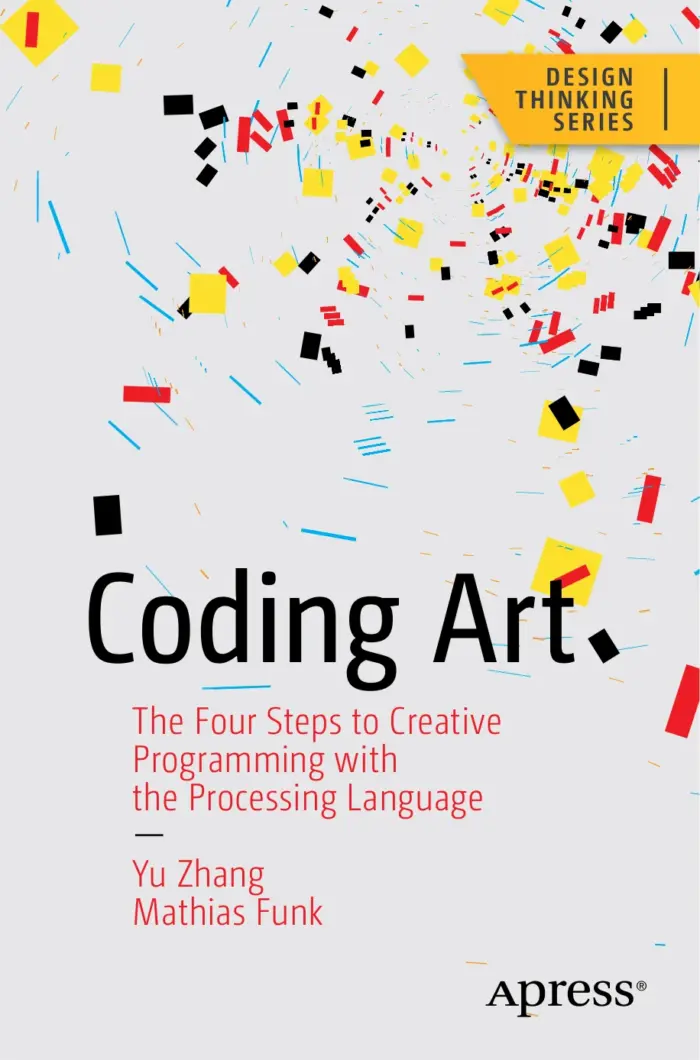
Coding Art: The Four Steps to Creative Programming with the Processing Language
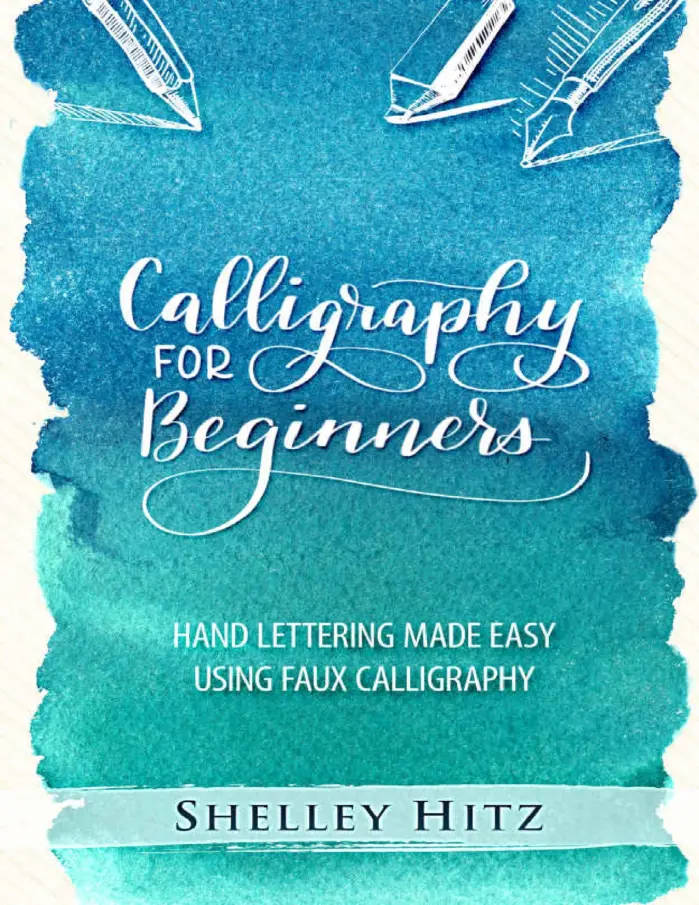
Calligraphy for Beginners: Hand Lettering Made Easy Using Faux Calligraphy
Prompting for Prompts: Unlocking Ai Art with Meta Prompting | Prompting for Prompts