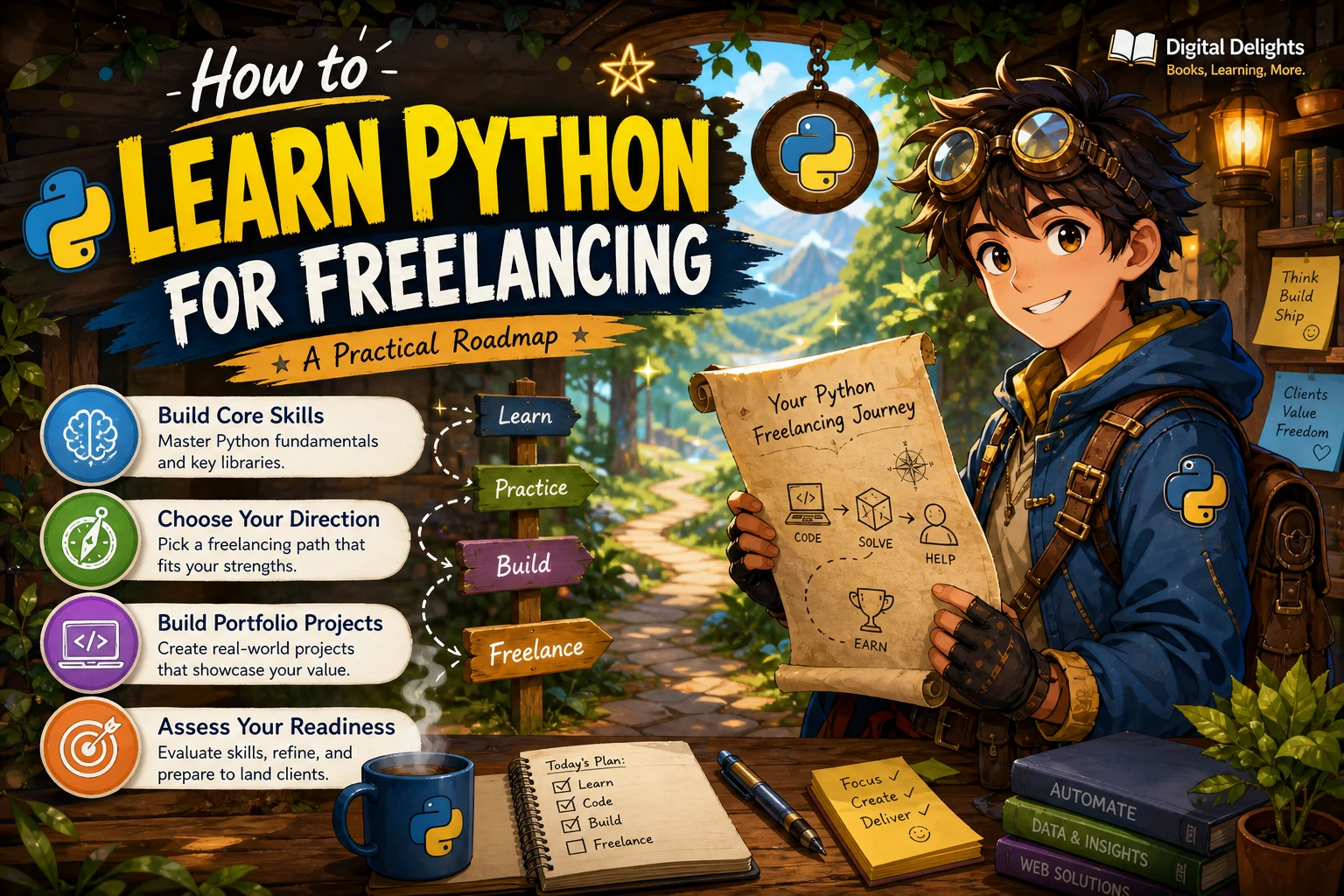


To freelance with Python, you need more than the ability to write a script that works once. You need solid programming fundamentals, habits that make your work dependable, and a clear service area—such as automation, web development, data work, or testing. You do not need to learn every framework before taking a first step.
Start by learning to read and change existing code, handle data and errors, test your work, and explain how someone else can run it. Then build one small project that demonstrates a service you want to offer. The right tools beyond those foundations depend on the client’s project and existing setup.
Core Python skills to build first
Freelancers often need to work within an existing codebase or make a program useful to someone else. These transferable skills help whether you choose automation, APIs, data analysis, or testing.
Read, organize, and modify code
Be comfortable with variables, conditionals, loops, functions, modules, and common data structures such as lists and dictionaries. Practice breaking a task into small functions with clear inputs and outputs. Just as important, learn to follow unfamiliar code, identify where a change belongs, and avoid altering unrelated behavior.
Work with files, data, and errors
Many practical Python tasks involve reading or writing files, transforming information, or exchanging data with another system. Get comfortable with text files, CSV and JSON, and the basics of handling exceptions. A useful script should respond sensibly when a file is missing, a field is blank, or input is not in the expected format—not simply stop with an unexplained error.
When projects involve spreadsheets, the cataloged resource Python for Excel Users: Know Excel? You Can Learn Python is specifically described as connecting Python fundamentals with spreadsheet work and automation. For work that involves saving or exchanging data across files and databases, Python Data Persistence: With SQL and NoSQL Databases covers file handling, serialization, and database topics.
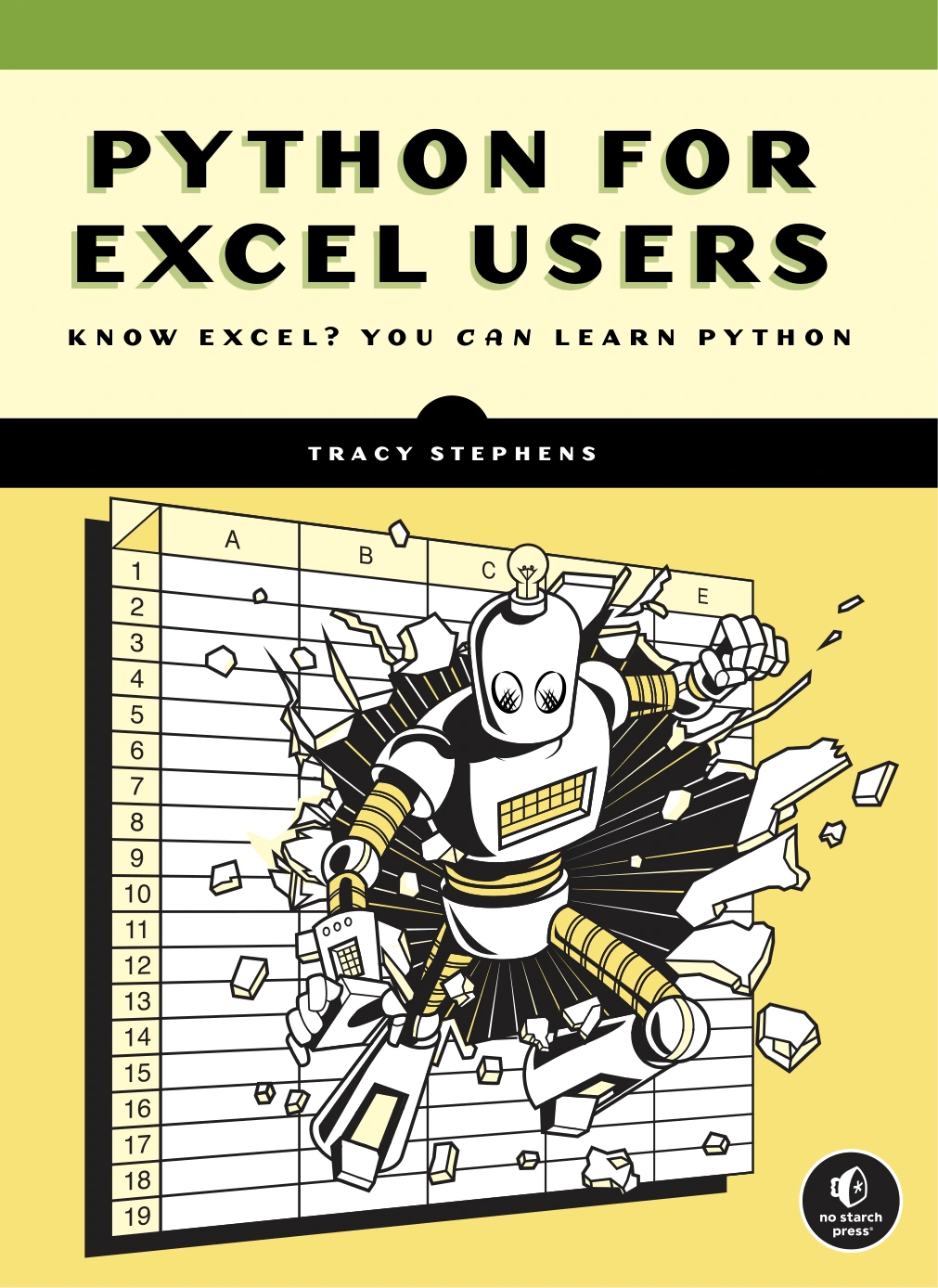
Python for Excel Users: Know Excel? You Can Learn Python
Excel users who want a bridge into Python fundamentals and spreadsheet automation.
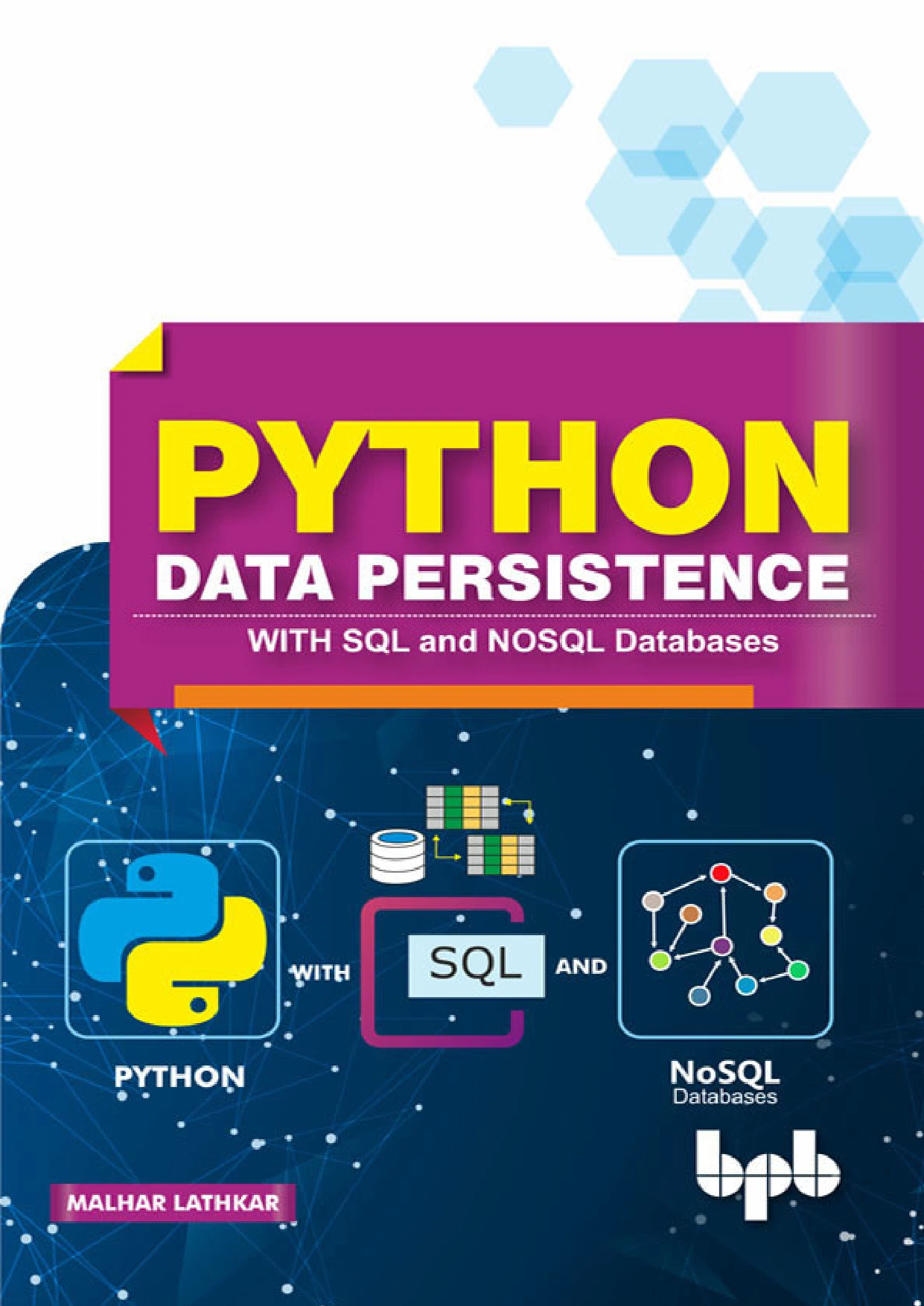
Python Data Persistence: With SQL and NoSQL Databases
Learners interested in Python tasks that store or exchange data.
Debug, test, and manage project dependencies
Learn to reproduce a bug, inspect the relevant inputs and output, and narrow down the cause instead of changing code at random. Write basic tests for important behavior and run them after changes. Python’s standard library includes unittest for automated tests, though a client may use a different testing framework or conventions. The Python unittest documentation describes its test cases, fixtures, suites, and command-line runs.
Also learn Git basics: check the status of a project, review changes, commit work, and use the client’s repository workflow. For dependencies, practice creating a virtual environment and recording what a project needs. Python’s venv module isolates a project’s packages; its documentation explains that environments can be recreated and should not be treated as portable copies of a project. See Python’s virtual environment documentation.
Follow the client’s supported Python version and dependency constraints rather than upgrading a project without agreement. The appropriate version and tools depend on the project; Python’s version documentation provides release-status information.
Use type hints and documentation appropriately
Type hints can make code easier to understand and help editors or external checking tools catch some mistakes. They do not validate inputs or enforce types at runtime, so they are not a replacement for tests or checks on user-supplied data. The distinction is explained in Python’s typing documentation.
Write concise setup instructions and explain any assumptions that matter. A client should be able to understand what the program does, how to run it, and what information it expects without relying on your memory.
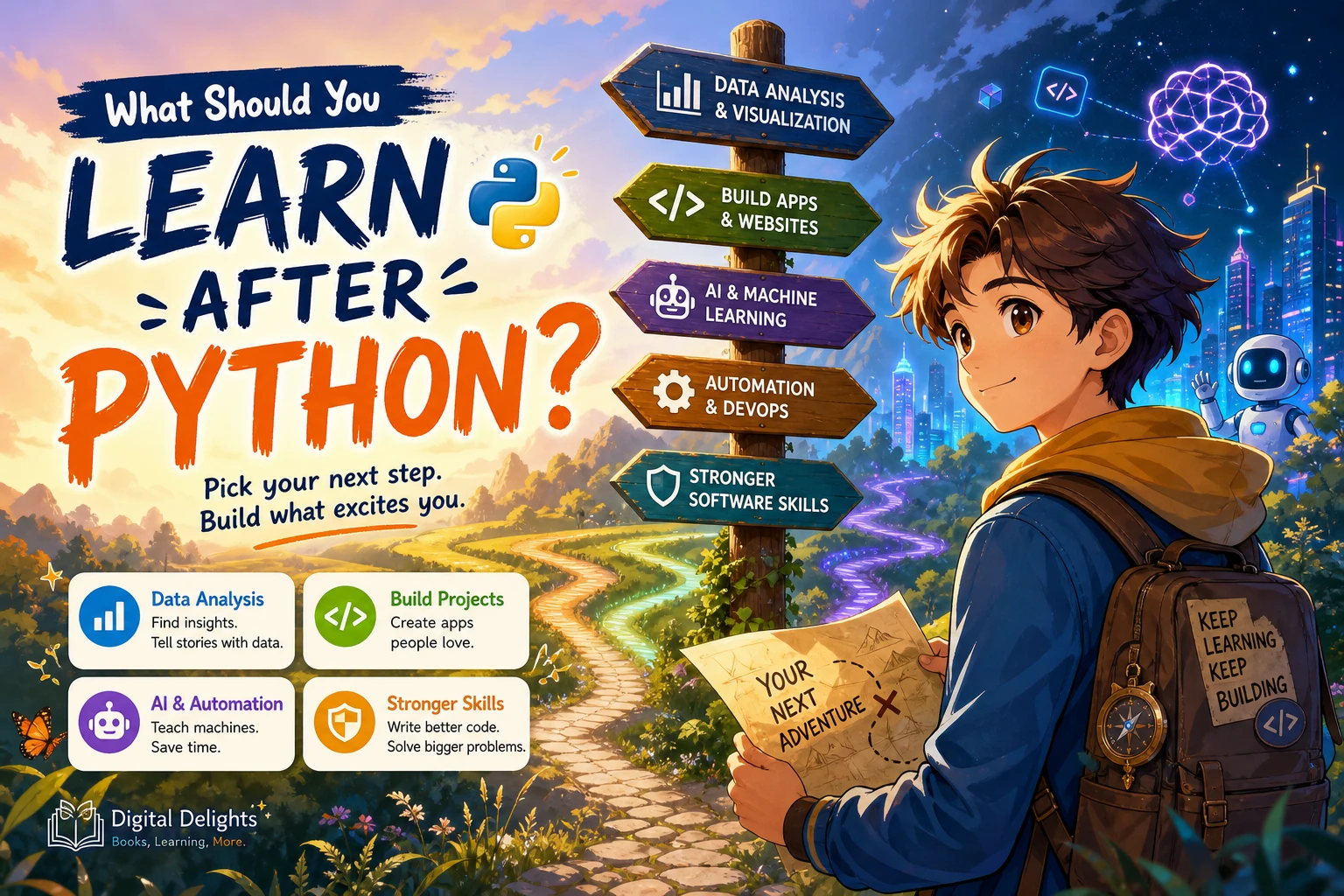
Choose a Python service area
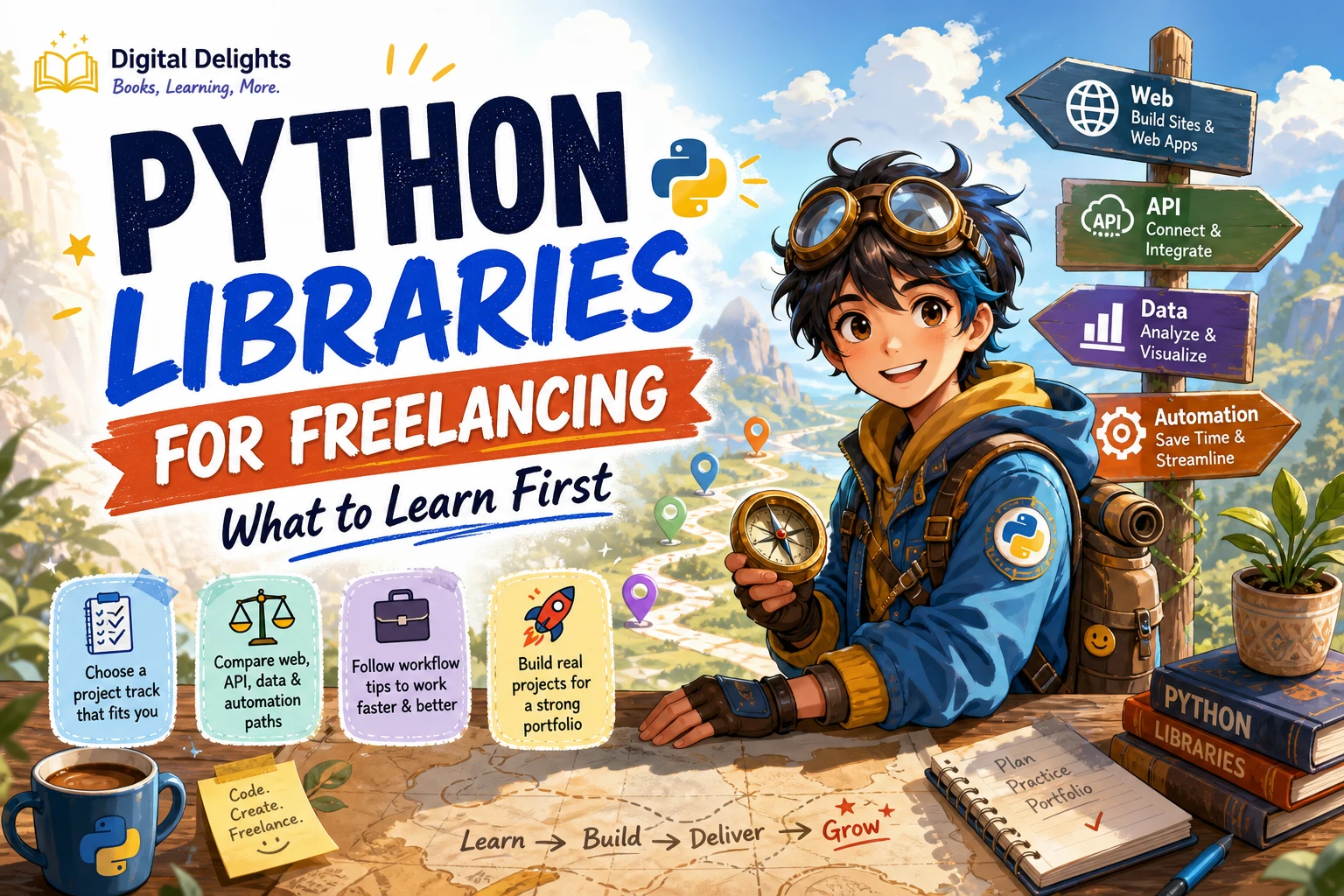
Once the foundations are in place, choose a type of problem to practise solving. The examples below are possible directions, not a ranking of freelance demand; the supplied research does not establish which services are most popular or best paid.
| Service direction | Example work | Skills to add |
|---|---|---|
| Automation and scripting | Repetitive file tasks, spreadsheet workflows, or routine data transformations | File paths, CSV or spreadsheet handling, error reporting, and careful treatment of source data |
| Web applications and APIs | A small backend feature or a service that exchanges data with another application | A suitable web framework, HTTP and API basics, data validation, and the client’s deployment approach |
| Data cleaning and reporting | Preparing a dataset, summarizing it, or producing a repeatable report | SQL where relevant, data-cleaning methods, analysis libraries, and clear presentation of results |
| Browser testing and integrations | Automated checks for a website or connections between existing tools | Test design, reliable selectors and workflows for browser testing, or the relevant service’s API |
Pick a path based on the kind of problem you want to work on. For example, Python Testing with Selenium focuses on Python-based Selenium WebDriver techniques. If you are exploring data tasks, Python Data Science: The Ultimate Guide on What You Need to Know to Work with Data Using Python covers Python foundations alongside tools and topics including NumPy, pandas, data preparation, and visualization. These are learning resources for different directions, not prerequisites for every Python project.
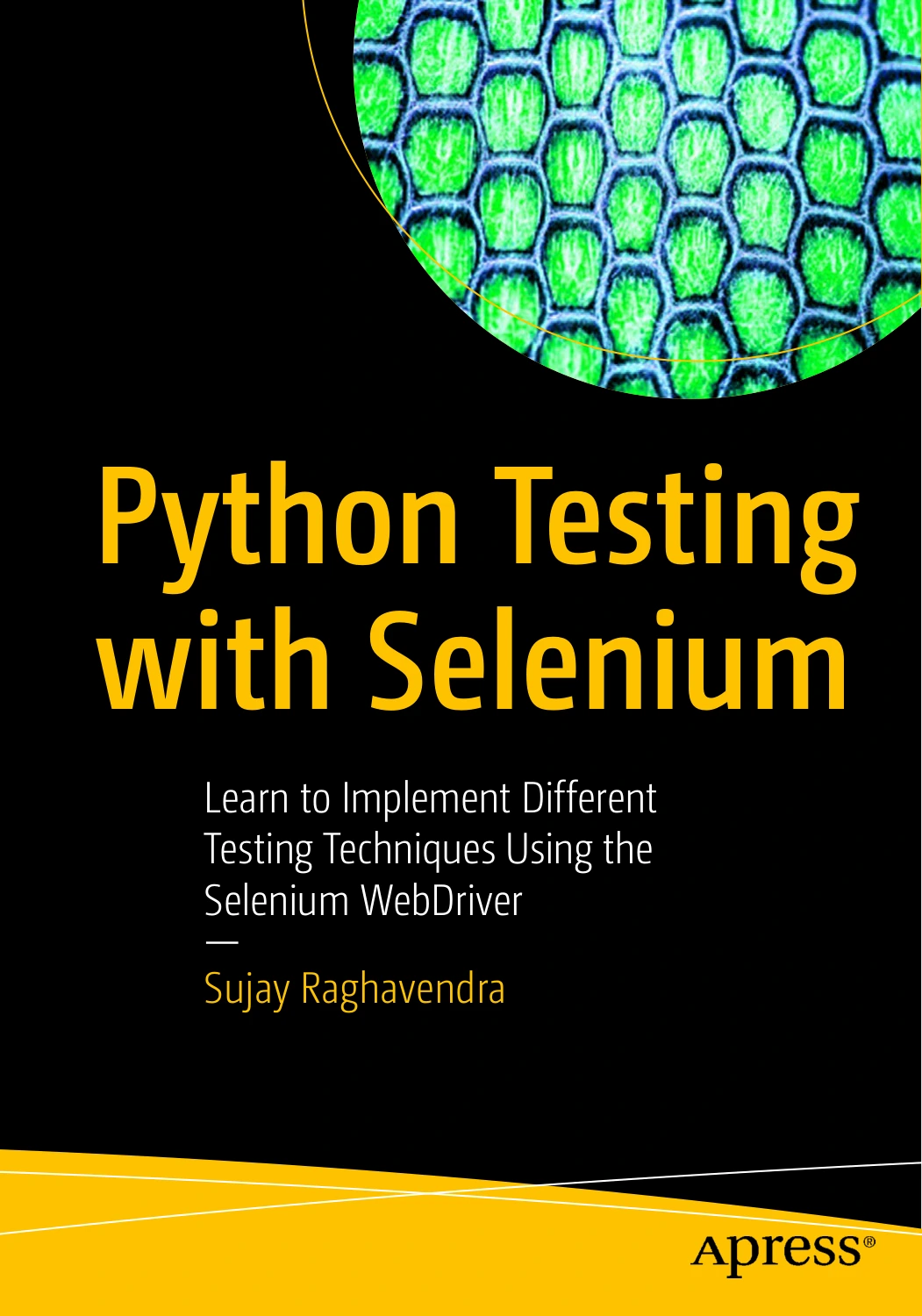
Learners exploring Selenium WebDriver testing techniques with Python.

Python Data Science: The Ultimate Guide on What You Need to Know to Work with Data Using Python
Python learners exploring data preparation, NumPy, pandas, and visualization.
You can browse the broader Python collection to compare resources by topic. If you already program in another language, Python for Professionals: Learning Python as a Second Language is described as aimed at developers and other technical professionals learning Python as an additional language.
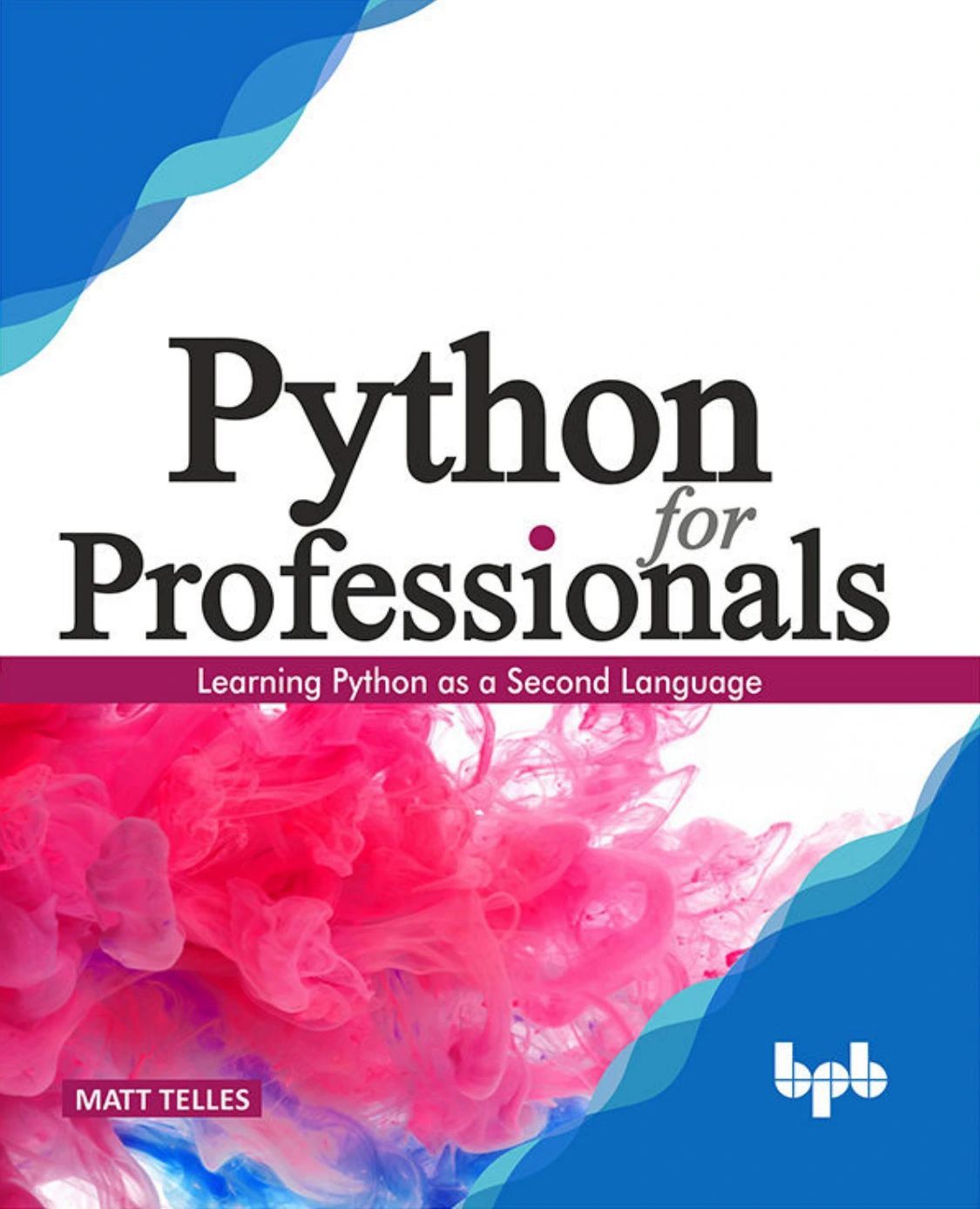
Python for Professionals: Learning Python as a Second Language
By Matt Telles
Developers and technical professionals who already have programming experience.
Turn code into a dependable deliverable
Before writing code, agree on what the work should do. Clarify the inputs, expected outputs, edge cases, how success will be checked, and what is outside the agreed scope. If access to data, credentials, or an existing system is needed, identify that early.
For example, “automate the monthly report” is not yet a clear specification. Ask which source files to use, which columns or calculations matter, what format the finished report should have, where it should be saved, and what should happen when a file is missing. Confirm a sample output or acceptance checklist before building the full workflow.
During the work, share concise progress updates and flag uncertainties while there is still time to resolve them. At handover, include the code, setup steps, dependencies, any tests or checks, and known limitations. These are practical recommendations for making work understandable; the supplied research does not quantify their effect on freelance outcomes.
Python freelancing readiness checklist
Before presenting yourself for a particular kind of work, see whether you can complete a small project in that area and explain how it works. Use this checklist as a self-assessment, not as a universal qualification threshold:
- I can read a small Python project and make a focused change without rewriting unrelated parts.
- I can use functions and common data structures to organize the solution.
- I can handle expected errors and check that inputs are usable.
- I can use Git to track changes and follow the repository’s instructions.
- I can set up dependencies in a project environment and state the Python version used.
- I can run tests or other agreed checks and describe what they cover.
- I have a short README or equivalent that explains setup, inputs, outputs, and how to run the project.
- I can explain what is complete, what assumptions I made, and what remains outside the scope.
A useful practice project should resemble the service you want to offer. For automation, make a script that processes sample files and reports invalid rows. For data work, produce a repeatable summary from a small dataset. For browser testing, write a small test for a public demonstration site. Keep the project modest, finish it, and document it rather than starting several projects you do not complete.
Common mistakes to avoid
- Learning tools without choosing a problem. A long list of frameworks is less useful than being able to complete one relevant task from start to handover.
- Calling a script finished because it ran once. Check expected inputs, likely failure cases, repeatability, and the agreed outcome.
- Assuming every client should use the newest Python version. Ask about the existing environment and supported dependencies before changing it.
- Treating type hints as input validation. Use explicit checks and tests where correctness depends on data or runtime behavior.
- Promising work beyond your demonstrated ability. Be clear about what you can deliver, what you need to investigate, and when you will report back.
Frequently asked questions
Is Python alone enough to start freelancing?
Knowing Python syntax is a starting point, not a complete service. You also need to solve a defined kind of problem, test and explain your work, manage the project setup, and agree with the client on what completion means. The tools needed beyond that depend on the work.
Do beginners need to learn a framework before freelancing?
Not every beginner needs a framework. Learn one when it supports the service you have chosen—for example, a web framework for a web application project. First build confidence with Python fundamentals and a small project that has a clear purpose.
Which Python version should freelancers use?
Use the version supported by the client’s project and its dependencies. For personal practice, choose a currently supported release, but do not change a client’s environment without agreement. Check the official Python version status page for current release information.
Choose one path and build one complete example
The most useful next step is specific: choose one service area, make a small project that demonstrates it, and check the result against the readiness list. That gives you a concrete way to find gaps in your Python skills for freelancing without trying to learn every tool at once. For further study, explore Digital Delights’ Python resources by the skill or project type you want to practise.