
What Jobs Can You Get with Python?
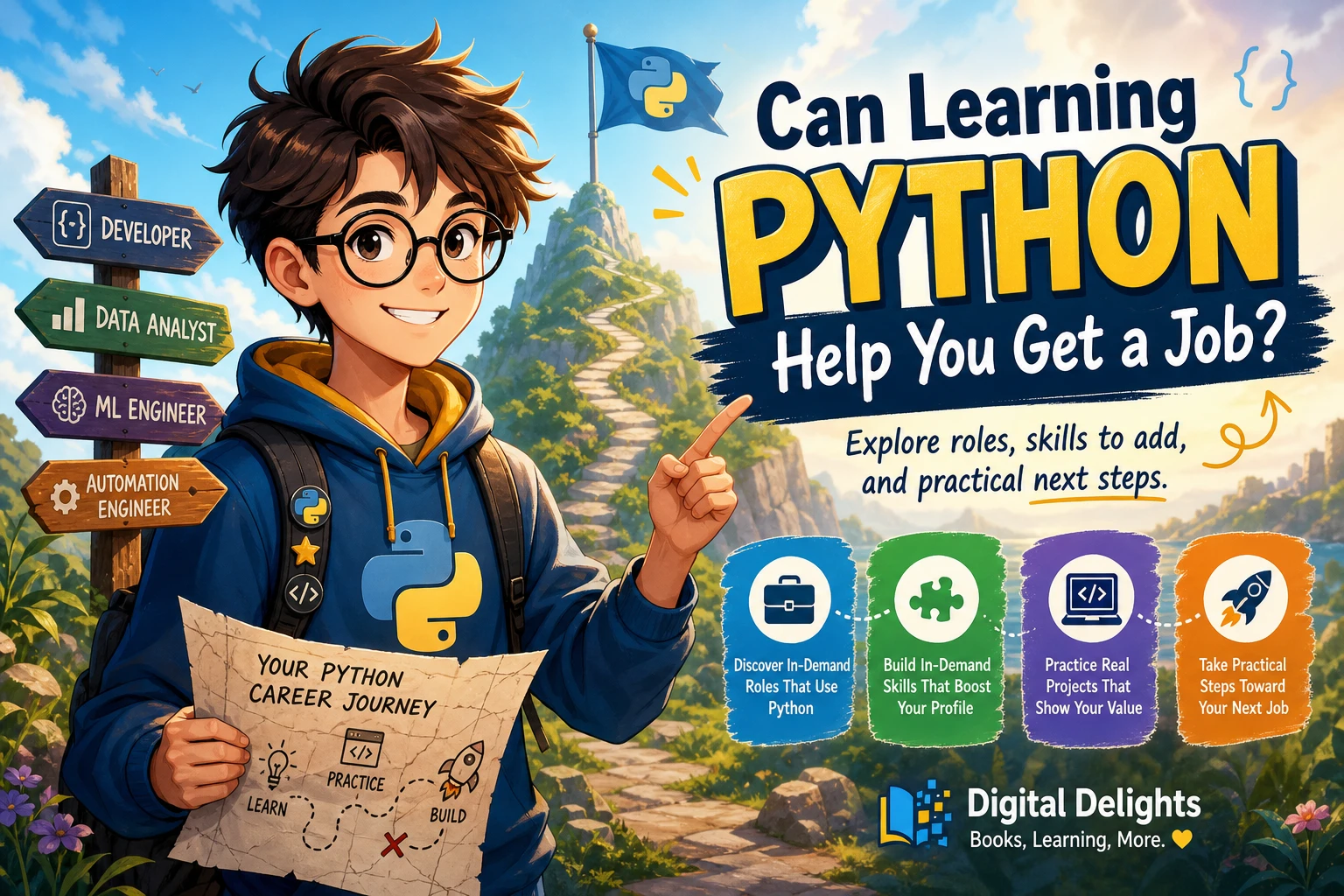
Python can be useful in software development, data work, machine learning, test automation, and technical operations. But learning Python syntax on its own does not qualify someone for every role that uses the language. Employers hire for a broader set of abilities: solving problems in a particular area, working with relevant tools, and showing that you can apply your skills.
The right next step depends on the kind of work you enjoy. This guide explains common Python-related job paths, the skills that can complement Python, and practical ways to explore a direction. The examples describe possible career paths, not a ranking of job demand or a promise of employment.
Quick answer: What jobs can you get with Python?
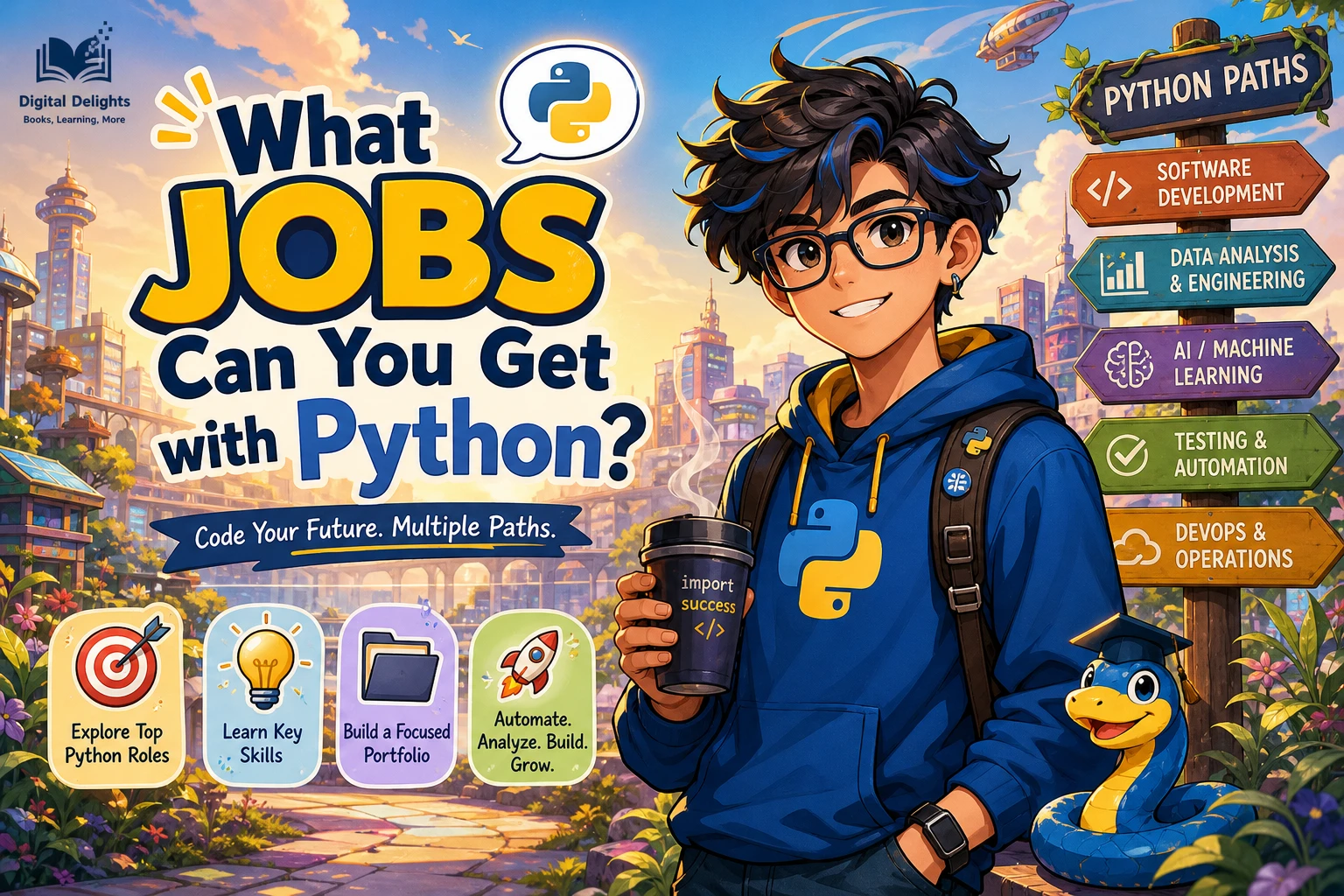
Python may feature in jobs such as:
- Backend, web, or general software developer
- Data analyst, data engineer, or data scientist
- Machine-learning engineer
- Test automation engineer or software tester
- DevOps or cloud engineer
- Automation or scripting specialist
These job titles can describe different work at different employers. Python may be a central tool in one position and one of several languages in another. Python.org’s job board, for example, includes listings categorized across areas such as backend, web, cloud, databases, systems, and testing; those listings are examples, not a representative survey of the job market (Python Job Board).
Software development roles
Software development is a natural direction if you like designing features, writing application code, and fixing problems in software. Python can be used in backend and web development as well as broader software engineering work. A role’s exact tools and responsibilities depend on the product and team.
Backend and web developer
Backend developers build or maintain the parts of an application that run behind its user interface. Typical tasks can include implementing application logic, connecting to databases, building or using APIs, and investigating errors. Python is one possible language for this work, but a job may also involve a web framework, database technology, testing, and deployment tools.
Web development roles vary. A backend-focused position may concentrate on server-side features, while a full-stack position can include both server-side and browser-facing work. Do not assume that a Python job title means the work will involve Python exclusively.
General software engineer
Software engineers may use Python to build applications, internal tools, services, or components of larger systems. Beyond writing code, the work can involve understanding requirements, reviewing changes, testing behavior, documenting decisions, and maintaining existing software. Version control and collaboration are useful preparation for this kind of work.
Data and AI roles
Python can also support work with datasets and machine-learning systems. These paths overlap in tools, but their day-to-day goals are not identical. A Pearson career resource names data engineer and machine-learning engineer roles and discusses programming languages used in data science, including Python, R, and SQL (Emerging careers). Treat this as a description of possible paths, not evidence of current hiring demand or universal qualifications.
Data analyst
A data analyst works with data to answer questions, prepare reports, or help people understand patterns. Python can assist with cleaning, organizing, and analyzing datasets. SQL, spreadsheets, visualization tools, and clear communication may also matter, depending on the position.
A useful practice project might start with a small, publicly available dataset, document how you cleaned it, and present a few findings with charts and a plain-language explanation. The important part is making your reasoning understandable—not just showing code.
Data engineer
Data engineers focus on making data available and usable for other people or systems. The work can involve moving, transforming, validating, or organizing data. Python may be one part of that toolkit, alongside SQL and data platforms or infrastructure chosen by the employer.
Data scientist
Data scientists use data to investigate questions and build or assess analytical approaches. Depending on the organization, that may include statistical analysis, experimentation, predictive modeling, or presenting results to colleagues. Python can support analysis and modeling, but it does not replace the need to understand the question, the data, and the limits of a conclusion.
Machine-learning engineer
Machine-learning engineers work on implementing machine-learning systems and helping them function in an application or production environment. Python may be used for model development, while testing, software engineering, data handling, and deployment practices can also be relevant. The role can overlap with data science, but the balance between experimentation and building dependable software varies by team.
If you want to explore text-focused data work, Mastering Text Analytics: A Hands-on Guide to NLP Using Python covers topics including text preprocessing and natural language processing with Python. For a deeper-learning direction, Practical Deep Learning, 2nd Edition: A Python-Based Introduction is a more specialized resource. Neither title by itself establishes readiness for a job; use learning materials alongside practical projects and the requirements you see in relevant postings.
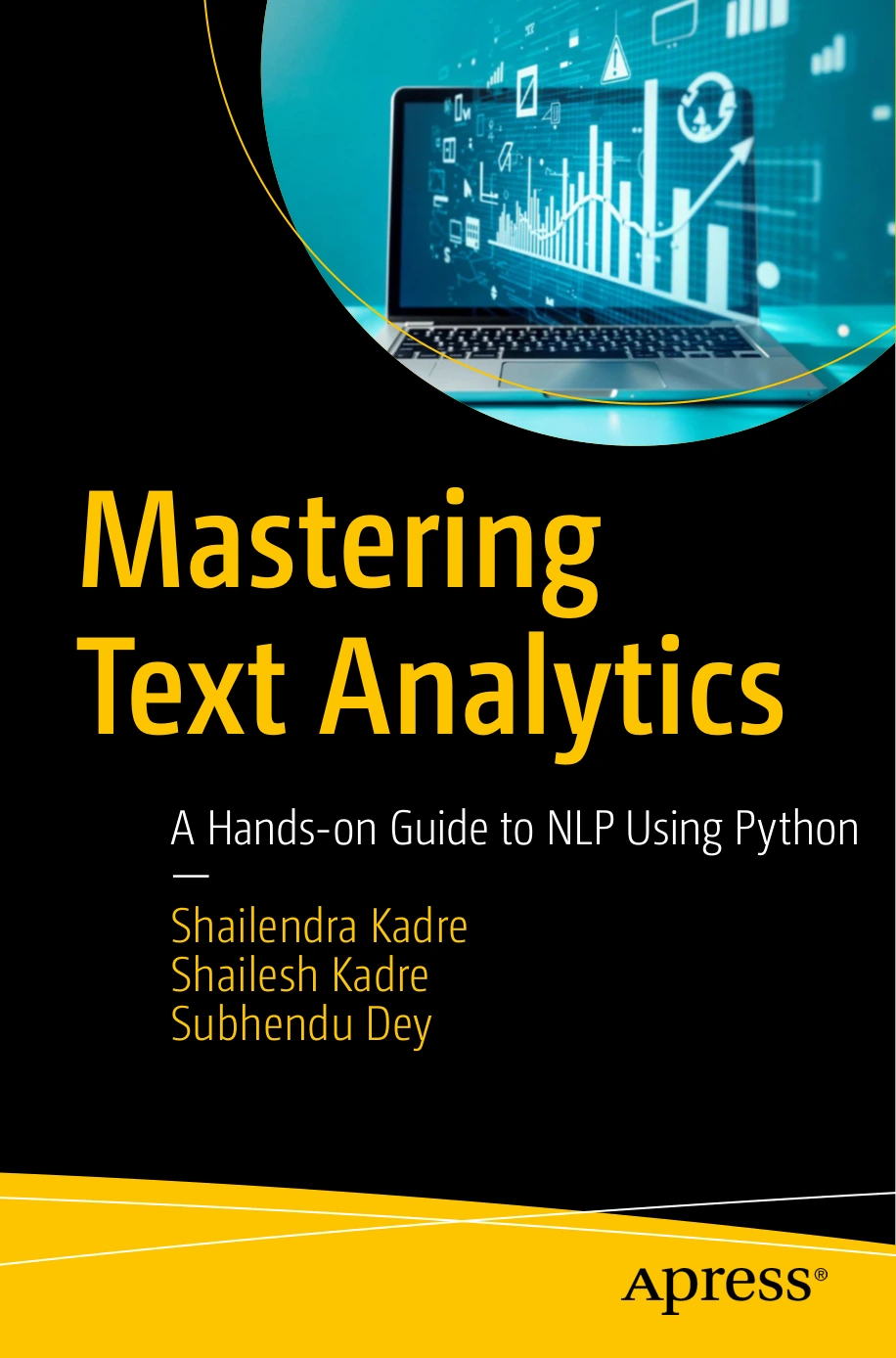
Mastering Text Analytics: A Hands-on Guide to NLP Using Python
Learners interested in Python text preprocessing, NLP, and text analysis.
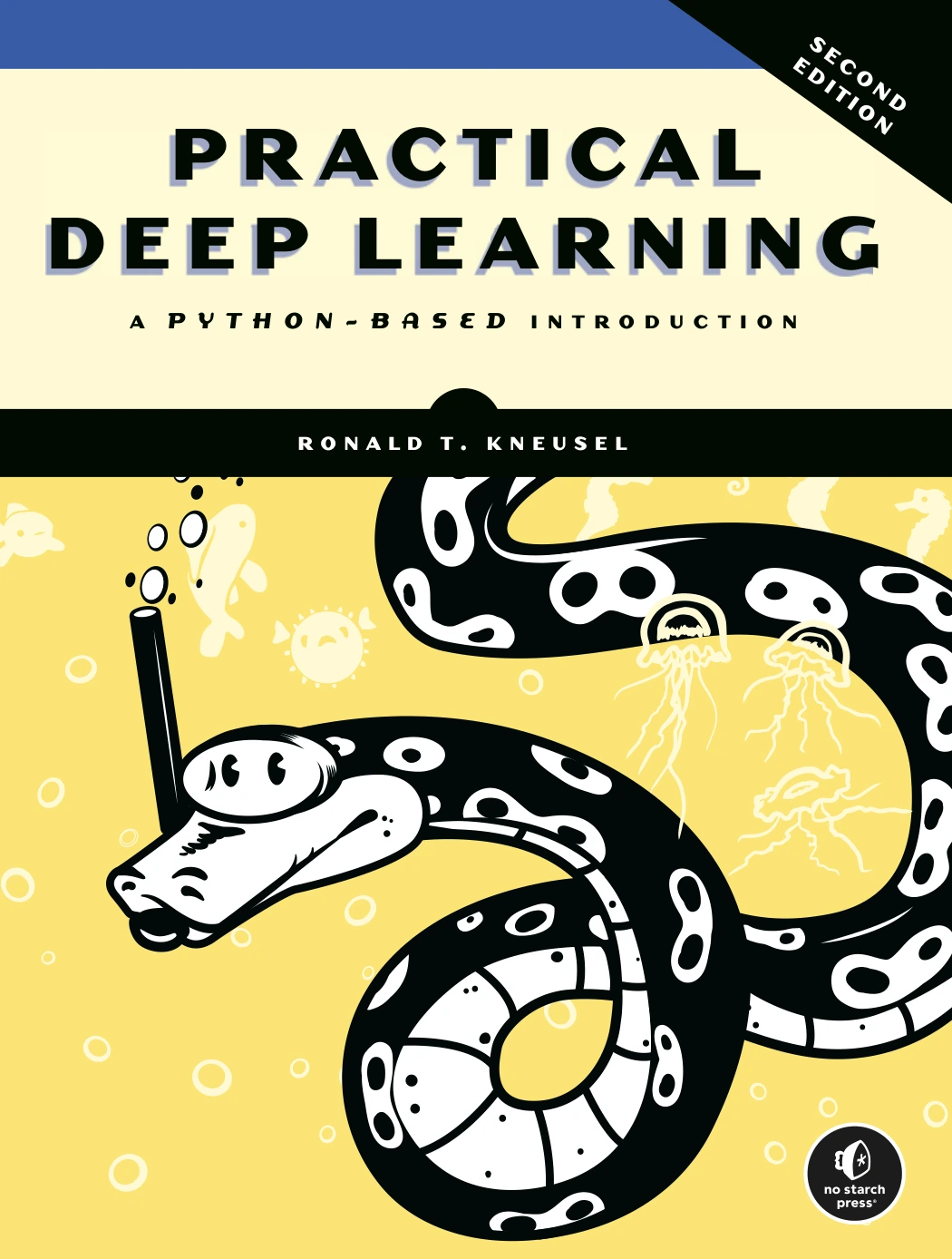
Practical Deep Learning, 2nd Edition: A Python-Based Introduction
Readers ready to explore deep-learning concepts and Python implementations.
Automation, testing, and operations roles
Python can be useful in roles where the goal is to reduce repetitive work, check software behavior, or support technical systems. The Python.org job board includes examples in testing and cloud-related categories, but that should not be taken as a measure of how common those jobs are.
Test automation engineer
Test automation engineers write or maintain code that checks whether software behaves as expected. Python may be used to automate browser interactions, verify application behavior, or support a testing process. Useful preparation can include understanding test cases, debugging failures, and working with the tools used by a particular team.
For a focused introduction to browser-based testing, Python Testing with Selenium covers Python and Selenium WebDriver techniques. It is most relevant to learners exploring browser test automation, rather than a general first book on programming.
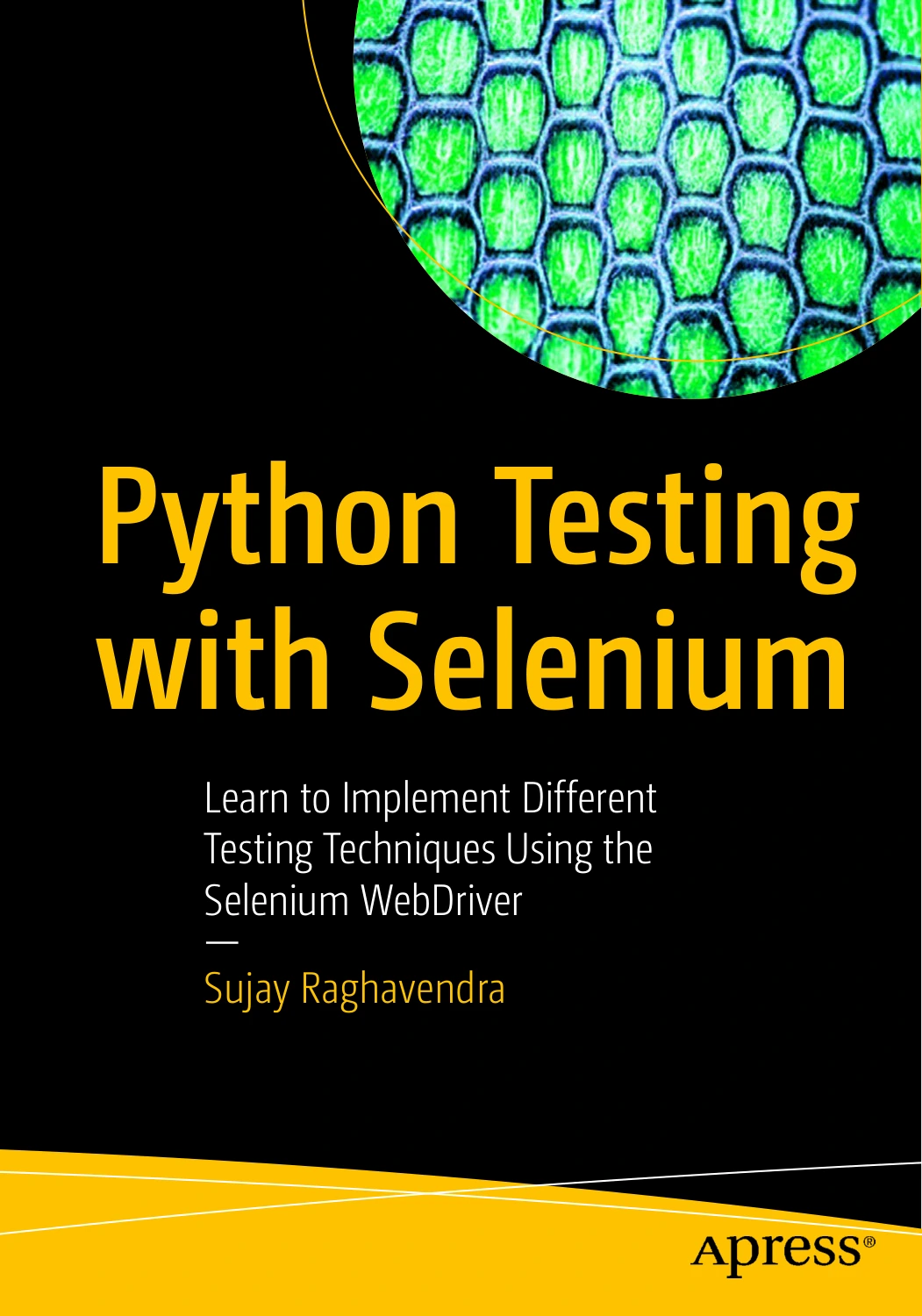
Learners interested in browser testing and test automation techniques.
Automation and scripting
Some teams use Python scripts to handle recurring tasks, process files, or connect steps in a workflow. The job title might not include “Python”; scripting can be one responsibility within another technical role. To demonstrate this kind of work, build a small tool that solves a clear problem, explain what it automates, and show how it handles errors or unexpected input.
DevOps and cloud work
DevOps and cloud roles focus on how software is built, deployed, and operated. Python may help with automation or supporting tools, but it is only one possible component. Linux, cloud platforms, infrastructure tooling, and an understanding of how applications run can also be useful areas to investigate. These are practical learning suggestions, not a universal list of employer requirements.
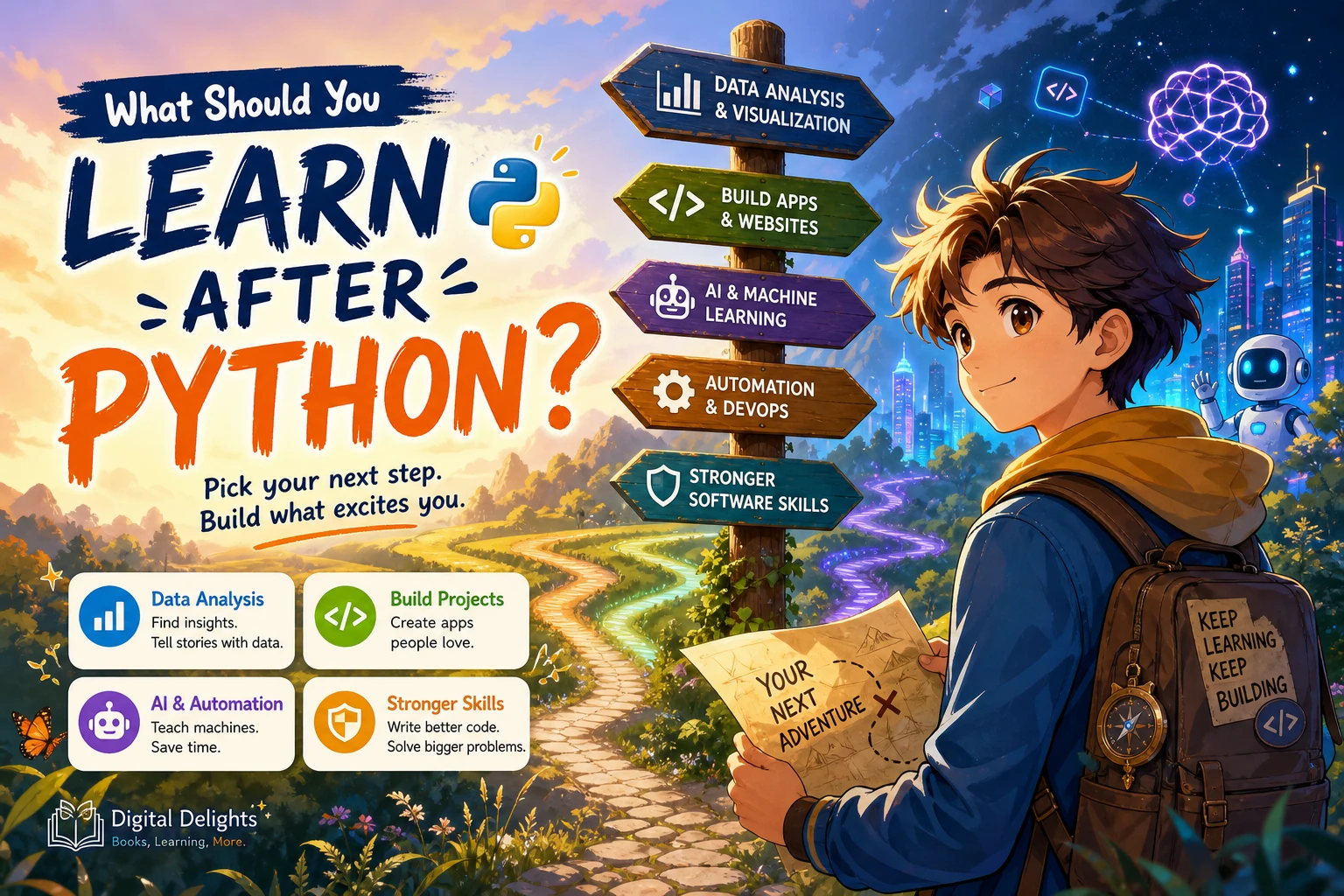
How to choose a Python career path
Instead of trying to learn every Python-related technology at once, start by choosing the kind of work you want to try. Use your answer to guide what you learn next.
- Like building features and applications? Explore software development, web work, and backend projects.
- Enjoy finding patterns and explaining results? Try data analysis and practice communicating what the data does—and does not—show.
- Are you curious about predictive systems? Explore machine learning after building a foundation in programming and data handling.
- Prefer making repetitive tasks easier? Try scripting and automation projects.
- Like checking whether systems work reliably? Explore software testing and test automation.
- Are systems, deployment, and infrastructure more interesting? Investigate Linux, cloud platforms, and operations alongside Python.
Then review current job postings for your location and experience level. Note which skills appear repeatedly in the roles you actually want, and distinguish between essential-looking tools and items that appear in only one listing. Job requirements vary by employer, seniority, location, and industry, so local postings are more useful for planning than a generic checklist.
A practical learning-to-portfolio roadmap
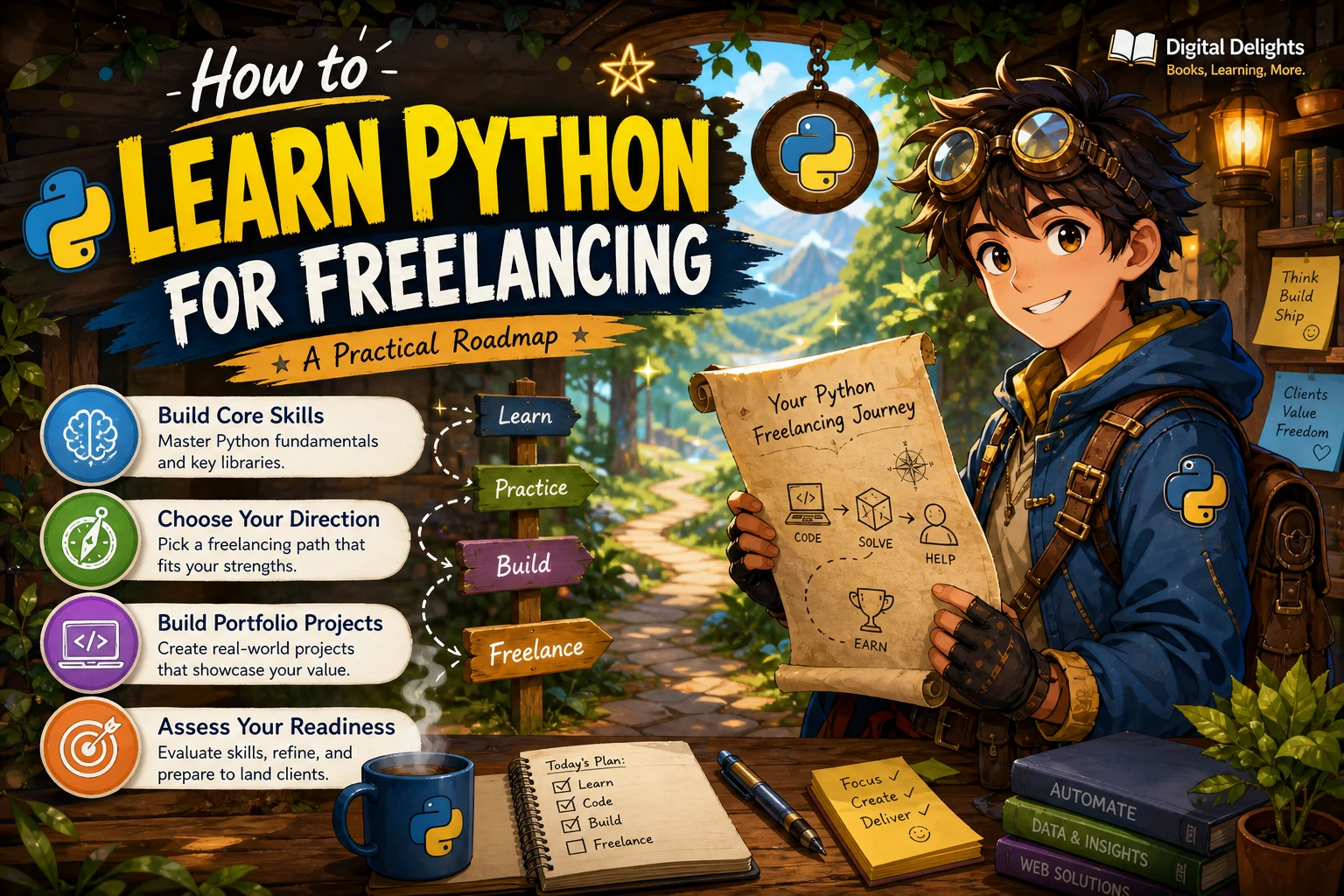
A portfolio cannot guarantee an interview or job, but it can give you a concrete way to practise and show how you approach problems. Build toward the work you want to do rather than collecting unrelated certificates or projects.
- Learn core Python. Practise variables, data types, conditions, loops, functions, collections, files, errors, and importing modules. Write small programs yourself rather than only reading examples.
- Practise consistently. Work through exercises and explain why your solution works. Python Workout, Second Edition is exercise-focused and covers areas such as strings, collections, files, and functions; note that the catalog identifies it as a MEAP early-access edition.
- Choose one pathway. Add relevant tools gradually—for example, web technologies for an application project, SQL for data work, or Linux and infrastructure concepts for operations. These are suggestions for exploration, not a fixed employer checklist.
- Build a small, complete project. Make it solve a specific problem and include instructions, example input and output, and notes about decisions or limitations.
- Improve and explain it. Test the important behavior, fix confusing parts, and write a short explanation of what you built, what you learned, and what you would improve next.
- Compare your work with real postings. Use current listings to identify a manageable next skill, then repeat the process with a more relevant project.
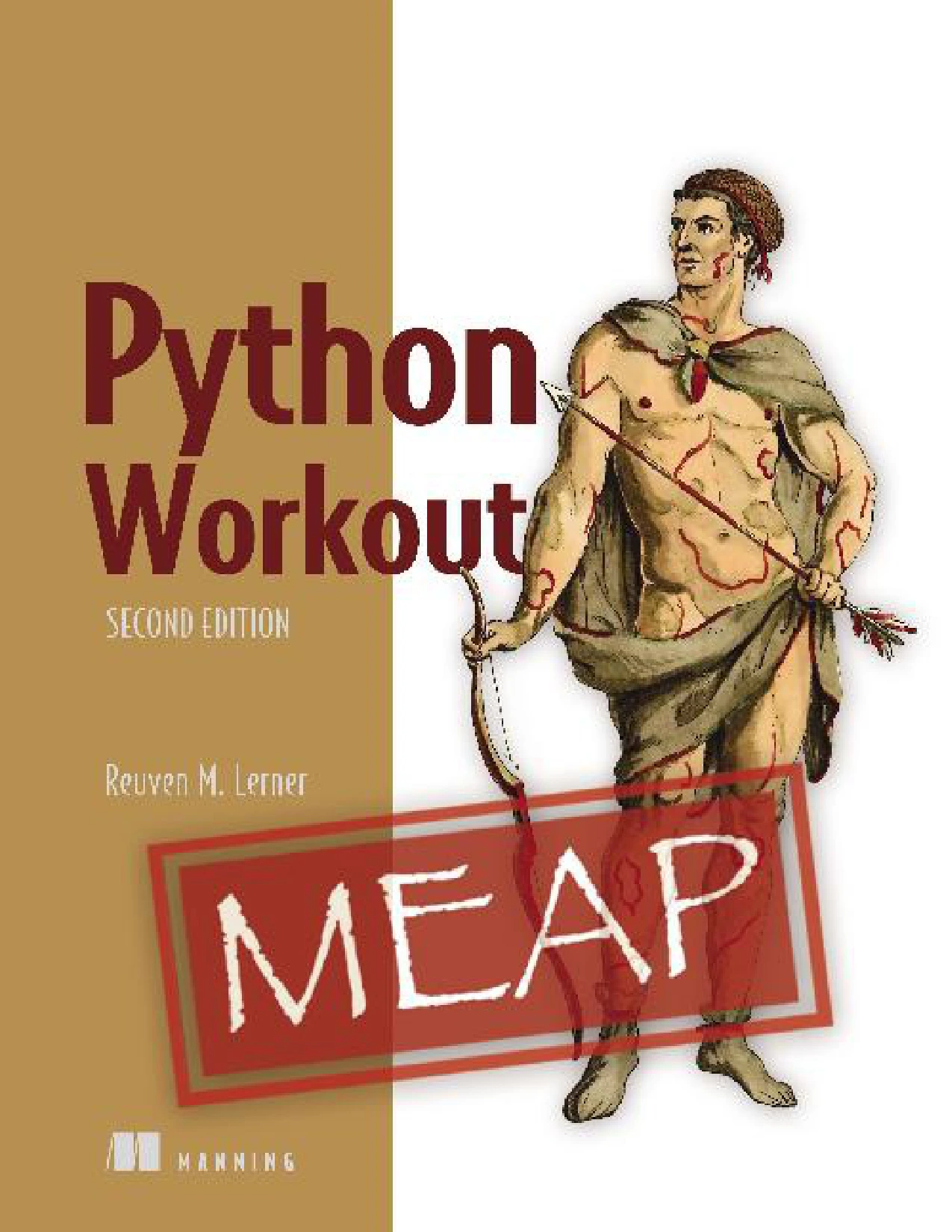
Python Workout, Second Edition (MEAP V03)
Learners who know some Python and want exercise-led practice; the catalog identifies this as a MEAP early-access edition.
Beginners can start with a structured introduction before selecting a specialty. Python Programming for Beginners covers foundations including variables, control flow, data structures, functions, classes, files, and modules. Use it as a learning resource, then write and adapt code independently so you can apply the concepts to your chosen path.
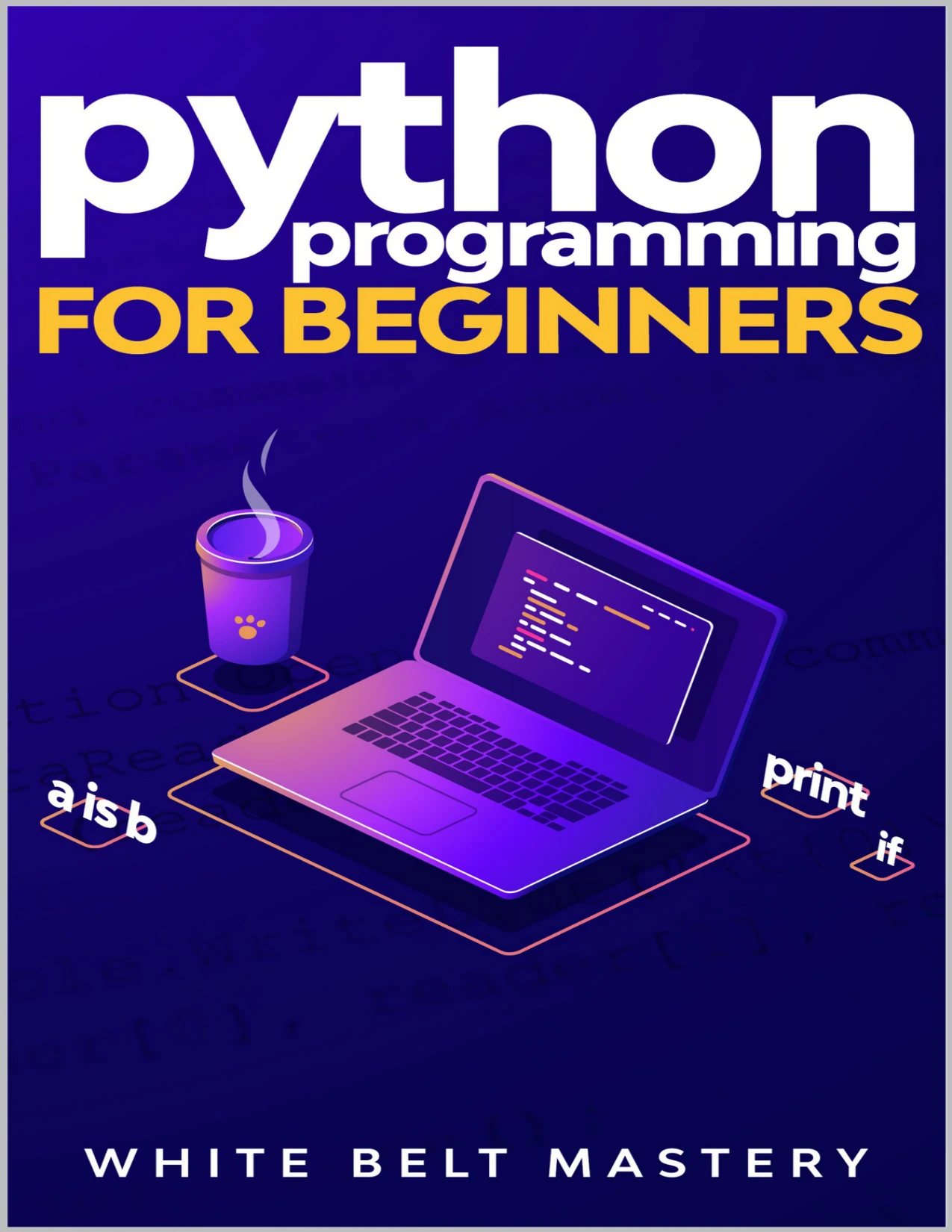
New programmers looking for step-by-step coverage of Python basics and core programming concepts.
Frequently asked questions
Is Python alone enough to get a job?
Usually, knowing Python alone is not enough to demonstrate readiness for a particular role. You will need to apply it to the work involved and may need complementary skills such as databases, testing, statistics, web technologies, or infrastructure tools. Which ones matter depends on the job; compare current postings for your target roles.
Do you need a degree for a Python job?
The available research here does not establish whether a degree is required across Python-related jobs. Requirements vary by employer and role. Read the qualifications in relevant local listings and look for ways to demonstrate the skills they emphasize, such as practical projects or relevant experience.
Which Python jobs are accessible to beginners?
No role can be described as universally accessible to beginners on the evidence available here. Entry requirements vary, and a job title alone does not reveal the experience expected. Beginners can make a more informed plan by comparing junior or entry-level listings in their area and building projects related to the tasks described.
How can I tell what skills a Python job requires?
Read several current postings for the same type of role and similar seniority. Record recurring tools, responsibilities, and experience expectations. Then choose a small number of gaps to address through study and projects. Requirements can differ across employers, so avoid treating one listing as a universal standard.
Conclusion
Python can be part of work in software development, data and machine learning, testing, automation, and technical operations. The best path to explore depends on the tasks you enjoy—not simply on the language itself. Build Python fundamentals, choose a role family, practise with relevant tools, and create projects that show how you solve problems. Use current job listings to refine your plan, while remembering that they are employer-specific examples rather than guarantees about the wider market.
Sources
- Python Job Board | Python.org — examples of Python-related job categories and listings.
- Emerging careers | Pearson — a career resource naming data-related roles and programming languages associated with data science.