Can Learning Python Help You Get a Job?
Yes, learning Python can help prepare you for work that uses it—but Python alone is not a job guarantee. The language may be useful in software development, data-related work, automation, and machine learning. What employers need, however, depends on the specific role, and being able to write basic Python is different from being able to build and explain a useful solution.
A more practical goal is to learn Python alongside general programming concepts, then use it to make a small project relevant to the kind of work you want. This guide explains where Python may fit, what to learn next, and how to turn study into evidence of your skills without assuming that a certificate or one book can secure employment.
Can learning Python help you get a job?
It can be a useful part of preparing for a job that uses Python. It may also help you apply programming to tasks in a field you already know. But learning the language by itself does not show that you can handle all the work a role involves.
Python.org’s job board is one indication that Python-related positions exist, but the presence of listings does not establish how many jobs are available or what employers require. Requirements vary, so treat Python as a tool to develop—not a promise of a particular career outcome.
The distinction matters: knowing how to write a loop or define a function is a foundation. A stronger demonstration is a project that solves a clear problem, uses appropriate tools, and is understandable to another person.
What kinds of work may use Python?
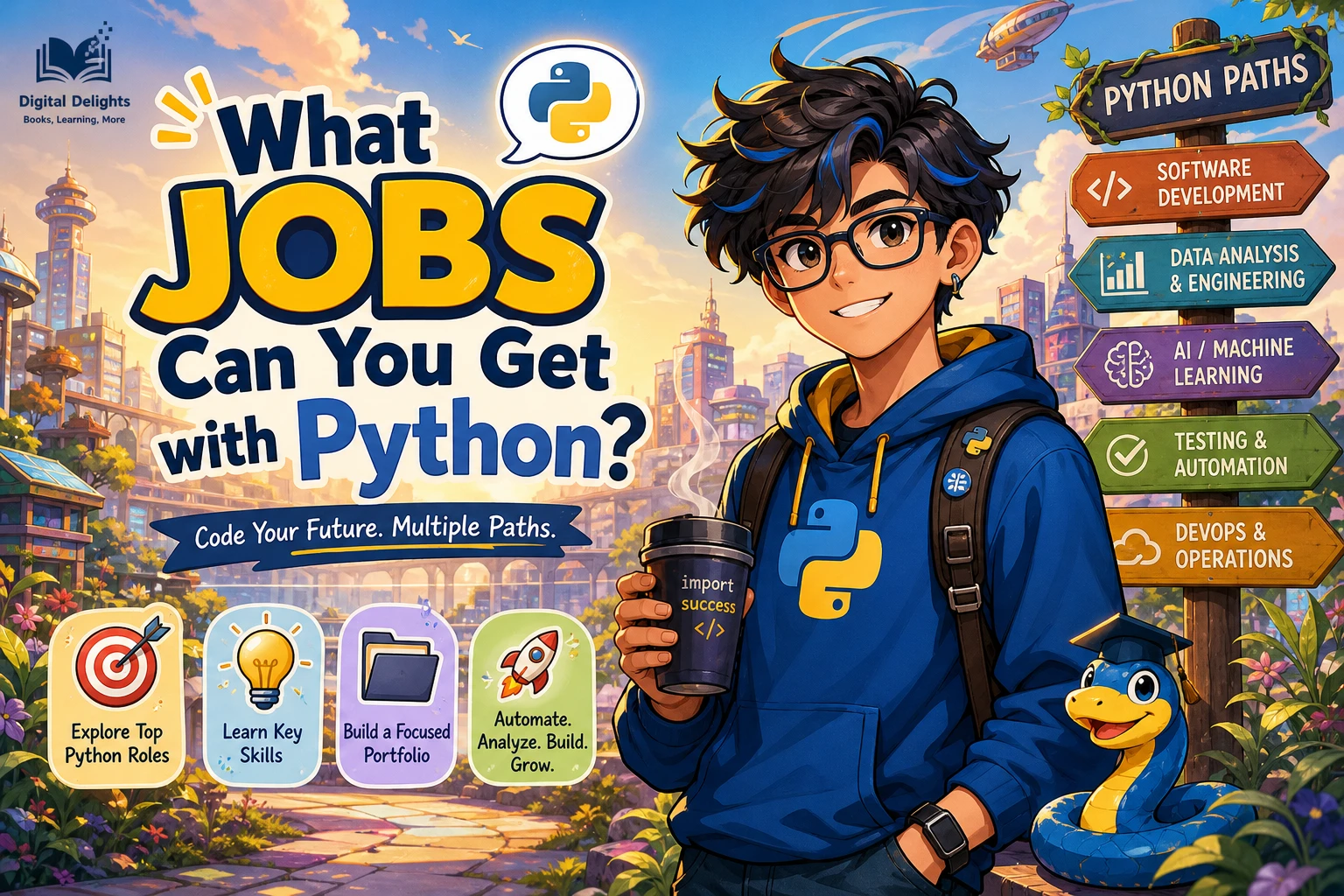
Python is used in different technical contexts. The examples below are possible directions to investigate, not a claim that Python alone qualifies someone for these roles.
| Area to explore | Possible Python use | What to investigate next |
|---|---|---|
| Software development | Writing application code, scripts, or web backends | What kinds of applications the role builds and what tools its listings name |
| Data work | Cleaning, organizing, analyzing, or visualizing data | Which data formats, libraries, and communication skills fit the work |
| Automation | Reducing repetitive file, reporting, or system tasks | The systems and workflows that need to be automated |
| Machine learning | Preparing data and working with model-building tools | The role’s expectations for mathematics, data, and machine-learning methods |
Choose a direction based on the problems you want to work on, then review current listings for that specific kind of role. Do not assume that every job with Python in its description asks for the same skills.
Python is a starting point, not a complete job qualification
Syntax is only one part of programming. To make a useful program, you also need to understand how to break a problem into steps, work with data, handle unexpected cases, and check whether your solution behaves as intended.
The official Python tutorial is designed for people who are new to Python, but it assumes some basic programming knowledge. That is a useful reminder for complete beginners: learning Python often means learning general programming ideas at the same time, not just memorizing Python commands.
Practical project work also introduces topics such as organizing code into modules, using packages, and managing project environments. Python’s documentation describes modules, packages, and virtual environments as part of working with Python projects; these are useful concepts to explore as your programs grow beyond one short script (Python documentation on modules).
What should beginners learn alongside Python?
There is no single checklist that applies to every Python job. Use this framework to build a foundation, then add skills that match the work you are targeting.
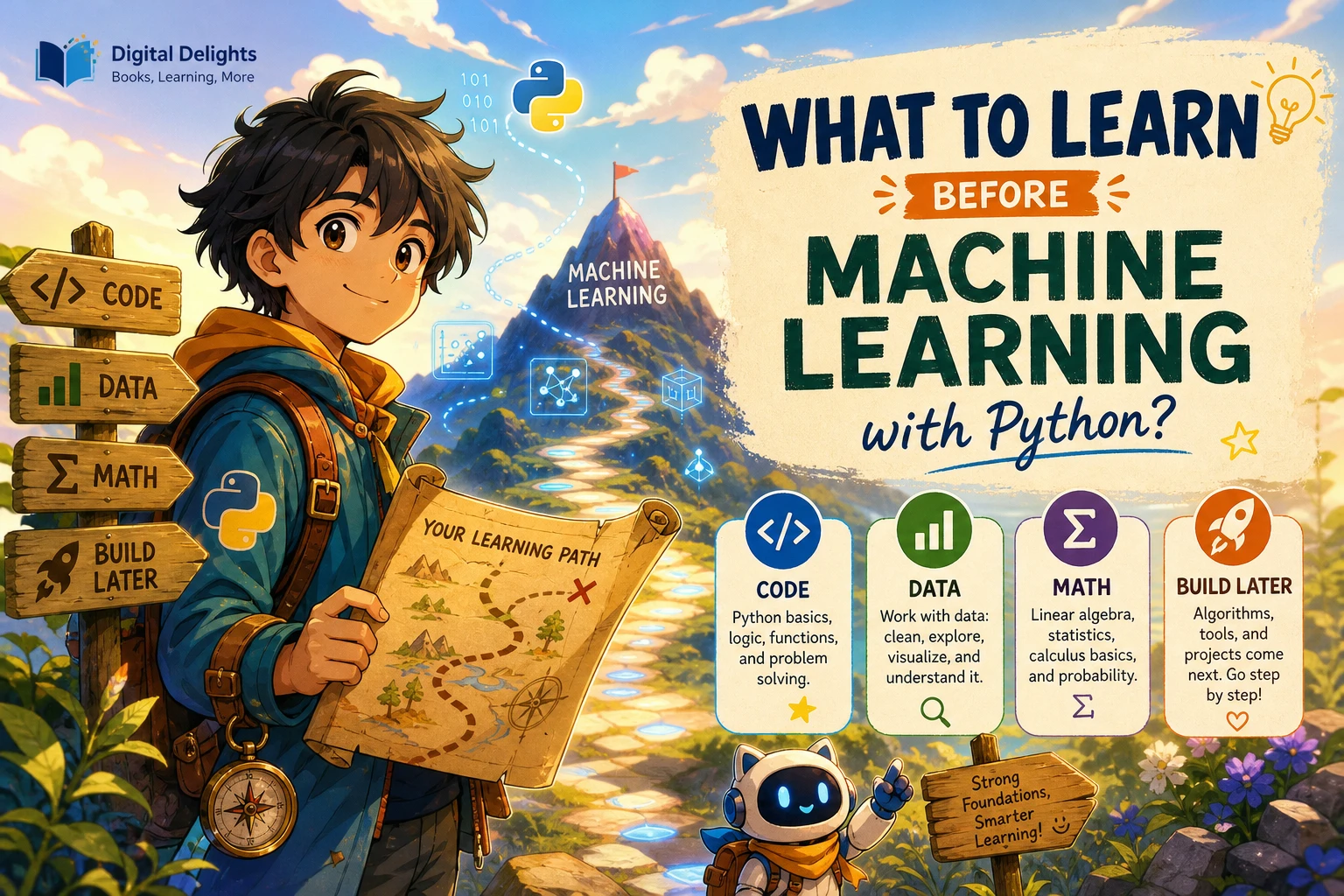
- Programming fundamentals: variables, data types, conditions, loops, functions, collections, and basic problem-solving.
- Debugging and testing habits: learn to reproduce a problem, inspect what your code is doing, and check important cases rather than assuming the first version is correct.
- Code organization: practice splitting a larger task into functions and files, and learn when packages or a virtual environment are useful.
- Role-specific tools: investigate the languages, libraries, platforms, or data tools mentioned in current listings for your chosen area.
- Communication: prepare to describe what a project does, how you approached it, and what you would improve.
If you are starting from scratch, a structured introduction can help you work through the basics in order. For example, Python Programming for Beginners: Learn Python in a Step by Step Approach, Complete Practical Crash Course to Learn Python Coding covers fundamentals including variables, control flow, data structures, functions, files, and exception handling. It is a learning resource, not a substitute for building and explaining your own work.
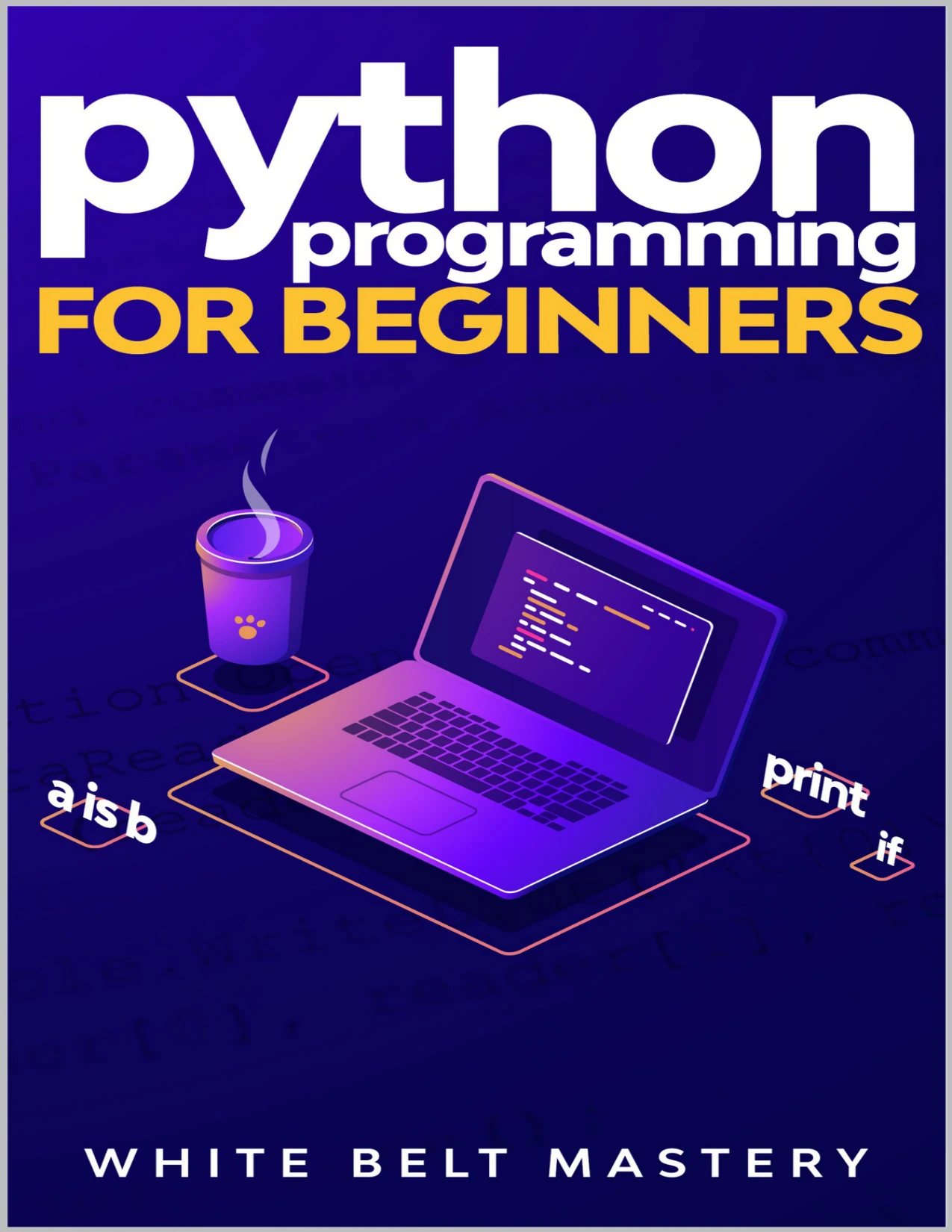
New learners seeking a structured introduction to variables, control flow, data structures, functions, and files.
How to turn Python study into evidence of skills
A project can make your learning concrete. It does not guarantee an interview or improve hiring outcomes by itself, but it gives you something specific to discuss and a way to practice applying concepts.
- Choose a target role or problem area. Decide whether you are more interested in applications, data, automation, or another direction.
- Review current job listings. Note recurring tools and responsibilities in listings for the roles you want. Treat each listing as role-specific evidence, not a universal checklist.
- Pick a small, relevant problem. Keep the scope manageable. A focused script that solves one real task can be easier to complete and explain than an unfinished, ambitious app.
- Build and revise it. Write the code, test normal and unusual inputs, and improve confusing parts. Record any limitations honestly.
- Make your work understandable. Explain the problem, your approach, how to run the project, and what you learned. Be ready to discuss decisions and possible next steps.
- Compare your skills with the role. Identify gaps between your project and the work described in listings, then choose the next skill or project accordingly.
For example, someone interested in automation could create a script that organizes a set of sample files or summarizes information from a permitted data source. Someone interested in data work could explore a dataset, explain how they cleaned it, and present a few clear findings. These are practice ideas, not prescribed employer tests.
A realistic learning-to-application path
Use this sequence as a flexible plan rather than a fixed timetable:
- Learn the fundamentals: get comfortable reading and writing small Python programs.
- Practice actively: modify examples, solve small problems, and investigate errors instead of only reading explanations.
- Choose a direction: use your interests and current role research to decide which tools or concepts to study next.
- Complete a relevant project: build something small enough to finish, test, and explain.
- Review job requirements: compare your current skills with current listings for the roles you are considering.
- Apply and keep learning: apply when your experience is relevant enough to make a credible case, and continue addressing gaps you identify.
The time this takes varies with your starting point, study routine, and target role. The supplied evidence does not establish a typical timeline for getting hired after learning Python, so be cautious of any promise that a particular course or schedule will lead to a job by a specific date.
Common misconceptions about Python and employment
“A Python certificate guarantees a job.”
A certificate may document that you completed a course or assessment, but it cannot guarantee employment. Consider it alongside practical work and the requirements of the jobs you want to pursue.
“One portfolio project qualifies me for every Python role.”
A project can demonstrate particular skills, but different roles involve different problems and tools. Choose projects that help you practice the kind of work you are targeting, and be clear about what your project does and does not show.
“I only need to memorize Python syntax.”
Syntax is necessary, but useful programming also involves reasoning about problems, testing behavior, organizing code, and explaining decisions. Build these habits as you learn the language.
“Python guarantees a career change.”
Python may be relevant to a career change, but the outcome depends on the role, your broader experience, and how closely your skills match its needs. Research the target job before treating Python as the whole plan.
Frequently asked questions
Can a beginner get hired with Python?
A beginner may work toward roles that use Python, but the language alone does not establish readiness for a specific job. Learn core programming concepts, build relevant practice projects, and compare your skills with current role requirements.
Is Python alone enough to get a job?
Not necessarily. Python is one skill; roles may also involve other tools, technical knowledge, or communication tasks. The combination depends on the job, so check listings for the specific work you want.
Should I learn Python for a career change?
It may be worth learning if Python connects to the work you want to do. First investigate the roles you are considering, including their responsibilities and listed skills. Then use Python study and projects to address relevant requirements rather than assuming the language itself will produce a career change.
Do I need to know another programming language first?
No single rule applies to every learner. Python can be a first language, but programming concepts still need to be learned. The official Python tutorial assumes basic programming knowledge, so a complete beginner may benefit from studying those concepts alongside Python.
Conclusion: treat Python as a tool to build with
Learning Python can help you prepare for work that uses the language, but it is not a standalone employment guarantee. The most useful next step is to choose a role or problem area, learn the relevant foundations, and build a small project you can explain. Use current job listings to guide what you study next, and keep your expectations grounded: the available sources do not quantify how learning Python changes a person’s chances of being hired.
Sources and further reading
- The Python Tutorial — Python 3.14.7 documentation
- 6. Modules — Python 3.13.16 documentation
- Welcome to Python.org — relevant as evidence that Python-related job listings exist, not as a measure of job availability or hiring requirements.