
Do You Need to Know Python Before Learning Data Science?
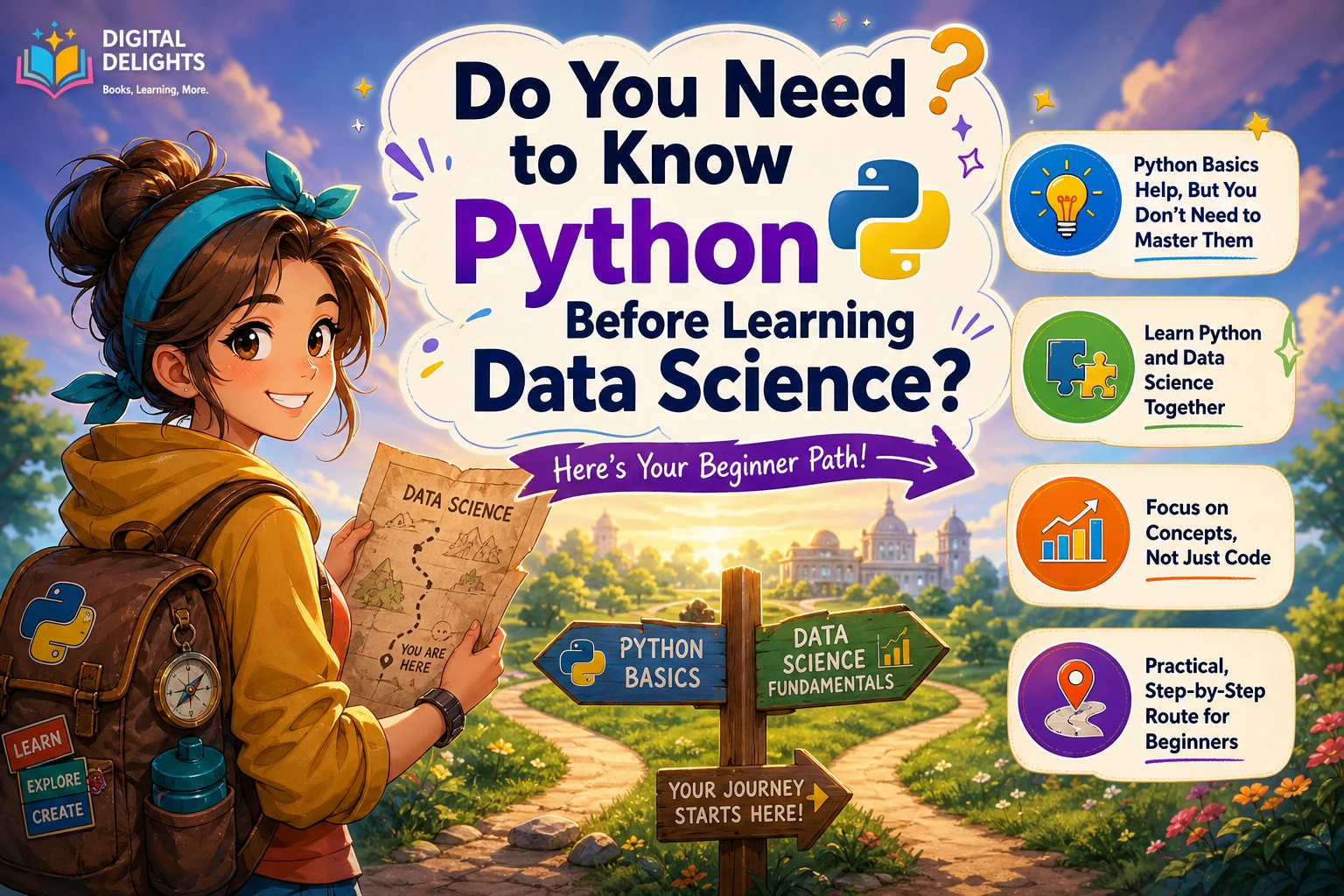
Short answer: no—you do not always need to learn Python before starting data science. Some learning paths teach programming and data analysis together, while others expect you to know basic coding already. You can begin without Python experience, but learning a handful of programming fundamentals will make it easier to understand and adapt data examples.
The practical choice is not “Python first or data science first” for everyone. It is deciding whether you would benefit from a short foundation phase or would rather learn the basics while exploring data. This guide explains both approaches, the Python skills that are useful early on, and a manageable route from your first code to a small data project.
Do you need to know Python before learning data science?
No single prerequisite applies to every course or learner. The official Python tutorial is intended for people new to Python, but it assumes some basic programming understanding. In contrast, beginner-oriented materials can introduce Python alongside data-science ideas. These examples reflect different teaching approaches, not proof that one sequence works best for every learner.
In practice, you can start learning data science before you are fluent in Python. Expect to meet code as part of the process, though: even simple analysis may involve loading information, selecting rows, changing values, and checking results. A little familiarity with Python helps you follow what those instructions do rather than treating them as unexplained commands.
When learning Python first can help
A short Python foundation is useful if programming itself is new to you or if code-heavy lessons feel difficult to follow. You do not need to know every feature of the language. Start with the pieces that help you read and write small, understandable programs:
- Variables and basic types: storing values such as numbers, text, and true-or-false results.
- Conditions: choosing what a program does based on a condition.
- Loops: repeating an action without writing it out again and again.
- Functions: grouping instructions so they can be reused.
- Collections: working with groups of values, such as lists and dictionaries.
- Errors and debugging: reading an error message and checking your code systematically.
These ideas help you make sense of what a data-analysis script is doing. For example, a loop can process multiple files, a function can repeat a cleaning step, and a collection can hold values that you want to compare. You can build this foundation with a structured beginner resource such as Python Coding for Beginners (19th Edition), whose catalog description covers fundamentals including variables, functions, conditions, loops, and data structures.
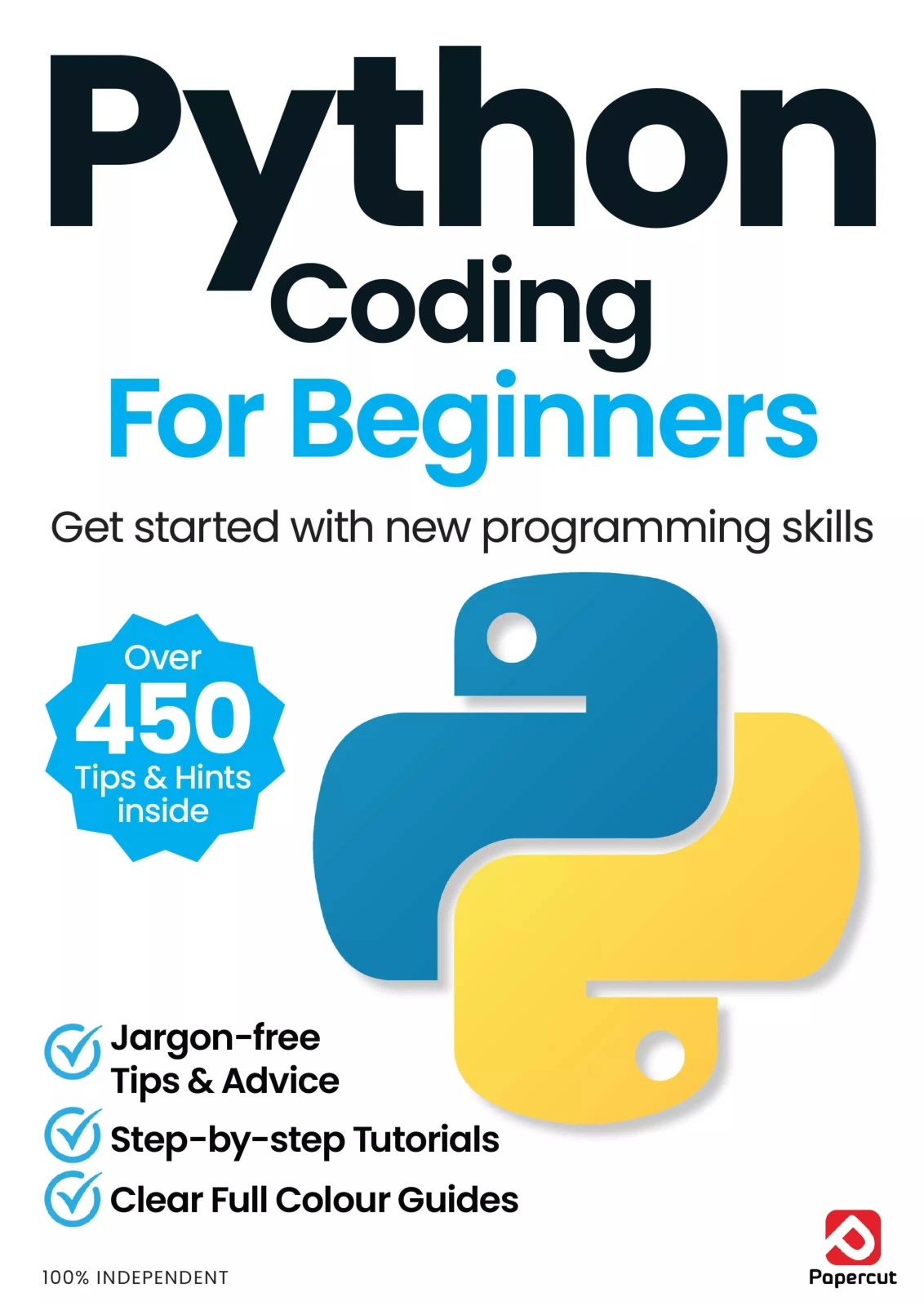
Python Coding for Beginners (19th Edition)
By Papercut
New coders who want structured practice with Python fundamentals such as variables, loops, functions, and data structures.
Can you learn Python and data science together?
Yes. A parallel approach can work well if you are comfortable learning programming concepts as they arise. Rather than spending a long time studying Python in isolation, you can learn a concept, use it in a small data task, and revisit it when a new problem calls for it.
For instance, you might first learn how to store a value in a variable, then use that idea to keep a dataset or a column name available in your code. Later, you could practise a loop by checking several values, then learn a library function that handles a similar task more efficiently. The aim is to connect new Python skills to questions about data—not to memorize syntax without a reason to use it.
This combined route is reflected in some introductory materials. Springer’s Learn Data Science Using Python presents Python fundamentals with data-science topics, while other applied resources expect some previous coding experience. Those differences are a reminder to check the starting assumptions of the course or book you choose. They do not establish that learning both together is equally easy for every beginner.
Choose the approach that fits your starting point
| Your situation | A reasonable starting route | Why it may suit you |
|---|---|---|
| You have never programmed | Learn core Python basics, then apply them to small datasets. | A little practice with code can make later examples easier to interpret. |
| You have coded in another language | Learn Python’s syntax and common data structures while starting data work. | Your existing programming experience may help you understand new concepts. |
| You are eager to explore data | Start with a small analysis and learn Python as each task requires it. | A concrete question gives each new coding concept an immediate purpose. |
If you want a resource that combines programming basics with data-science topics, Python for Data Science: Step-by-Step Crash Course is listed as covering Python foundations, data structures, data-science tools, and practical exercises. Treat any advertised schedule as a suggested structure, not a guarantee of how quickly you will learn.
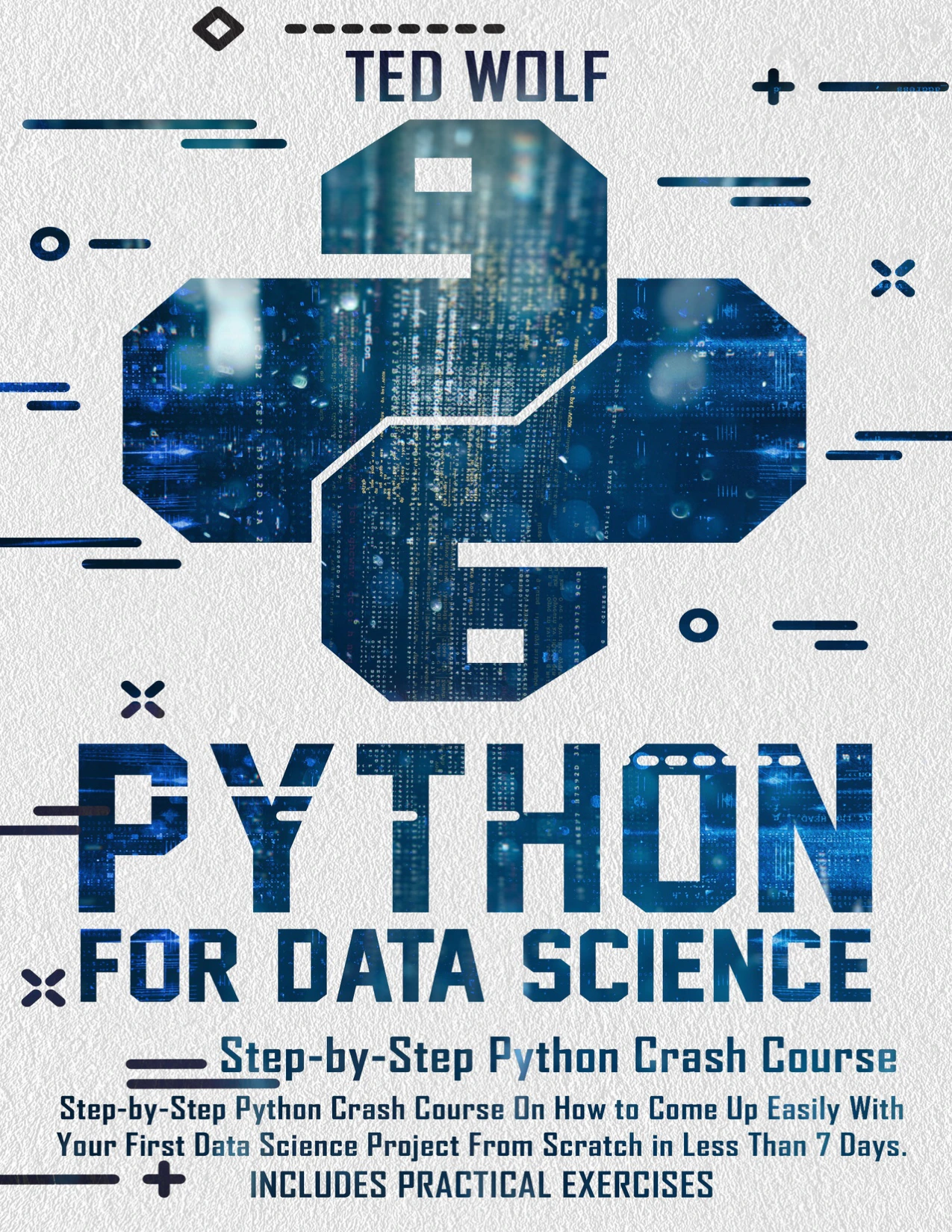
By Ted Wolf
Beginners looking for a guided introduction that includes Python basics, data-science tools, and practical exercises.
A practical starting sequence
You do not have to finish a comprehensive Python course before opening a dataset. Use this sequence as a flexible guide, adjusting the pace to the material and your comfort level.
- Get comfortable running a small program. Learn how to run code in the environment specified by your course or resource. Try displaying a message and doing a basic calculation.
- Practise the core language. Work with variables, conditions, loops, functions, and lists. Focus on understanding short examples and making small changes to them.
- Write a few tiny programs yourself. For example, calculate a total from a short list of numbers, count how many values meet a condition, or write a function that returns a simple result.
- Meet data in tabular form. Start with a small table. Identify its rows, columns, and values, then practise asking straightforward questions such as which category appears most often or how a measurement changes across records.
- Learn the tools needed for the task. When you can read basic Python, move into the data libraries and workflow used by your chosen course. Learn how to load, inspect, filter, and summarize data before taking on a larger analysis.
- Complete a small analysis and explain it. State the question, describe what you did, and note what the results show—and what they do not show.
For extra practice with the fundamentals, Python Programming Exercises, Gently Explained offers 42 short exercises, according to the catalog description. It may suit learners who understand introductory ideas but want practice writing code without relying on a worked example for every step.
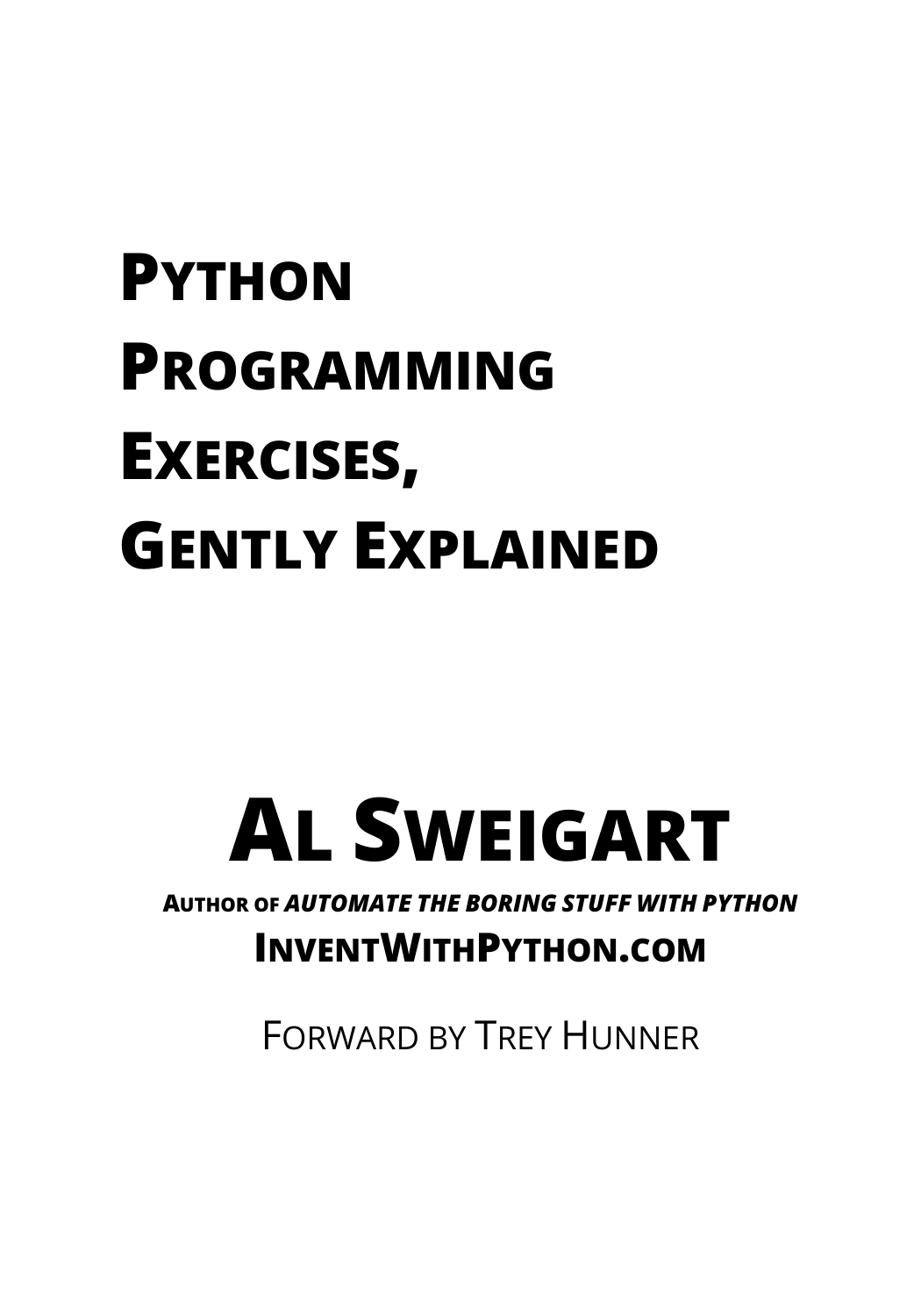
Python Programming Exercises, Gently Explained
By Al Sweigart
Learners who know some Python basics and want to practise solving small problems independently.
What matters beyond Python?
Python is a tool, not the whole of data science. The work also involves asking a clear question, understanding what the available data represents, choosing a sensible way to inspect it, and interpreting the results with care. A polished script cannot compensate for a question that is unclear or data that does not support the conclusion being drawn.
Statistics and subject knowledge also matter, but the mathematics needed depends on the work you want to do. The supplied sources do not establish one universal mathematics threshold for beginners, so avoid treating a particular advanced topic as a gate to all data-science learning. Build relevant foundations as your chosen projects and methods require them.
Common beginner pitfalls
Waiting until you have mastered all of Python
Python is a broad language, and data projects do not require every feature. Learn enough to read and write basic programs, then extend your skills as needed. Requiring yourself to master the entire language before touching data can postpone useful practice without a clear benefit.
Starting with complex machine learning
Machine learning can be an appealing destination, but it adds concepts and tools on top of basic programming and data handling. Begin with a small descriptive analysis—such as comparing categories or checking how values are distributed—before taking on more complicated modeling.
Copying code without understanding it
Examples are useful for learning, but code that only works when copied is hard to adapt. After following an example, change one part: use a different column, ask a different question, or test it on a small dataset of your own. Then explain what changed and why the output changed.
Ignoring the course’s setup instructions
Courses and resources may specify particular software or package setups. Follow the instructions for the material you are using rather than assuming every setup is interchangeable. The sources reviewed here do not verify compatibility across all current Python versions and data-science packages.
Choosing a learning resource
Pick a resource based on what you need to do next, not on the idea that a particular book is a mandatory prerequisite. A few catalog options address different stages:
- For a first introduction to Python: Python Coding for Beginners (19th Edition) covers programming basics and practical topics such as loops, functions, collections, and file handling.
- For short coding practice: Python Programming Exercises, Gently Explained focuses on small Python problems and explanations.
- For an introductory bridge into data work: Python for Data Science: Step-by-Step Crash Course brings together Python basics, data-science topics, and practical exercises.
- For hands-on pandas study after basic Python: Pandas in Action MEAP V07 | Pandas in Action covers pandas topics including Series, DataFrames, filtering, reshaping, and combining datasets. Its catalog listing identifies it as MEAP Version 7, so check the product details before choosing an early-access edition.
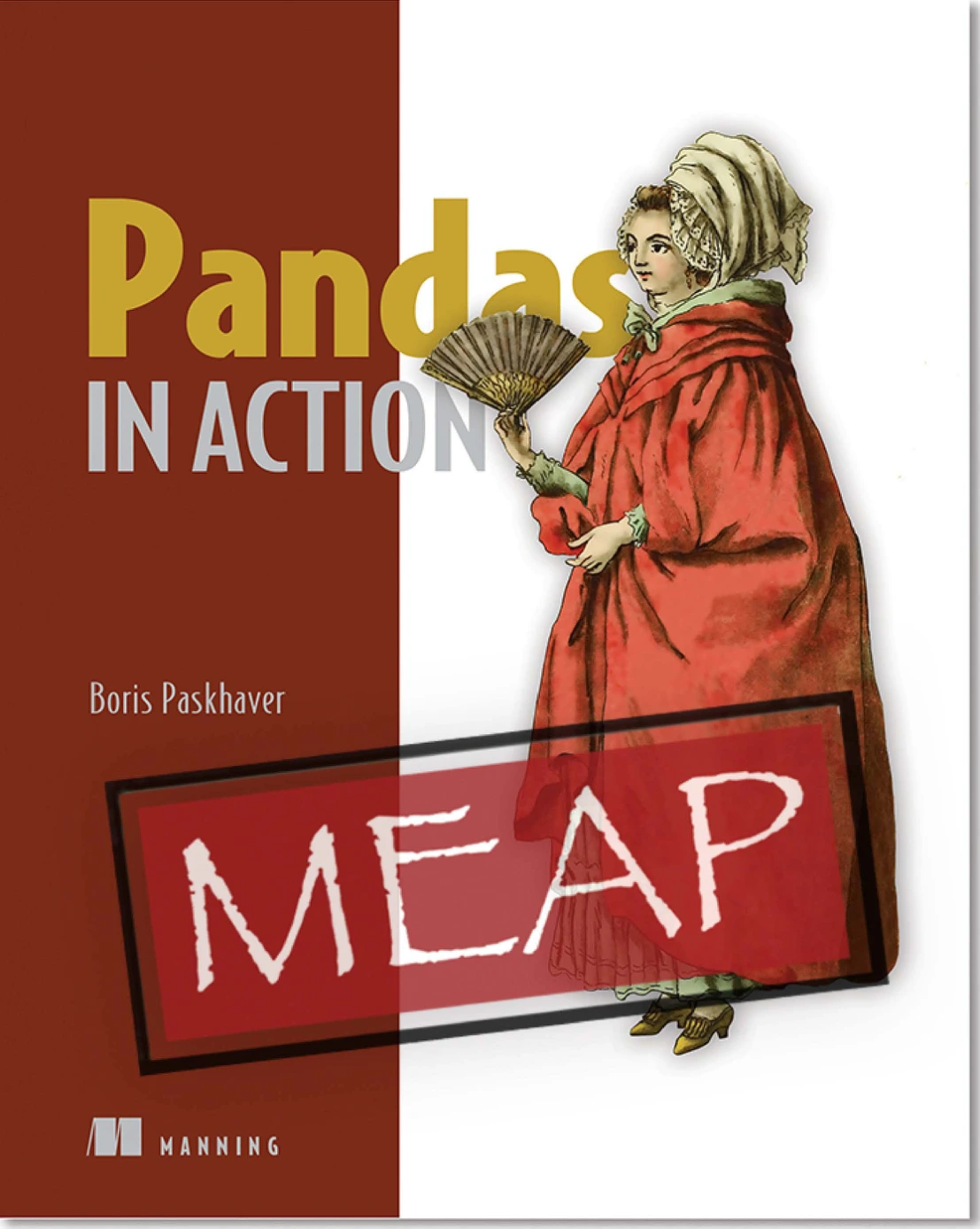
Pandas in Action MEAP V07 | Pandas in Action
Learners with basic Python familiarity who want to study pandas Series, DataFrames, and common data operations.
These are optional learning resources, not prerequisites. The right choice depends on whether you need a first coding introduction, more practice, or a focused step into data tools. You can browse other Python learning resources if you want to compare subjects and formats.
Frequently asked questions
Is Python mandatory for learning data science?
No. The sources reviewed show different teaching sequences: some materials assume basic programming, while others teach Python as part of a data-science pathway. If you choose a Python-based course, you will need to learn enough Python to work through its examples, but you do not necessarily need to know it in advance.
Can I start data science with no coding experience?
Yes, provided you choose material that supports beginners and are prepared to learn coding along the way. Start with small examples and basic Python concepts, then use them to explore simple datasets. If the material assumes programming experience, a beginner Python introduction may make it easier to follow.
How much Python should I learn before studying data science?
There is no universal proficiency threshold in the sources reviewed. As a practical starting point, aim to understand variables, conditions, loops, functions, and common collections well enough to read and modify short programs. Then learn additional Python and data tools as your projects require them.
Should I learn Python or statistics first?
You do not have to treat them as competing prerequisites. Begin with the basic programming and statistical ideas needed for your first project, and add depth as your questions become more complex. The right balance depends on the data work you want to do; the available research does not establish one mathematics sequence for every learner.
The takeaway
You do not need to master Python before learning data science. A basic grasp of programming can make applied lessons easier to follow, but you can also learn Python and data concepts together through small, purposeful projects. Start with the fundamentals you need to understand the code in front of you, practise them, and move into data analysis when you are ready to ask and investigate simple questions.
Sources and further reading:
- The Python Tutorial — Python documentation, which notes its assumption of basic programming understanding.
- Learn Data Science Using Python: A Quick-Start Guide, an example of a resource combining Python fundamentals with data-science topics.
- First Steps — Python Data Science Essentials, an example of applied material that indicates readers benefit from prior coding experience.