
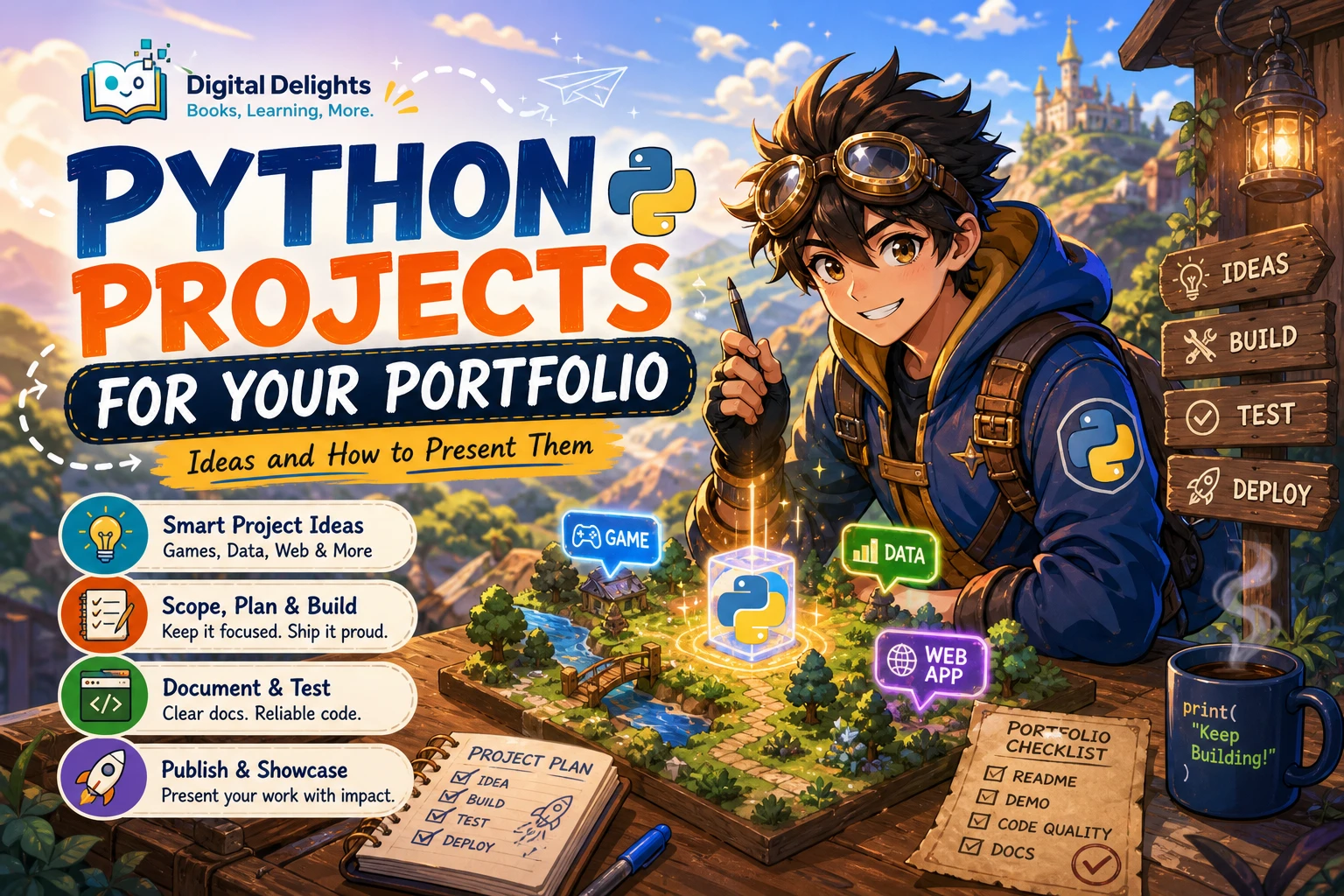
Python Projects for Your Portfolio: Ideas and How to Present Them
A portfolio project is more useful when it shows how you think through a problem—not only that you can reproduce someone else’s code. Choose a manageable idea, build a working version, and make it easy for another person to understand and run. That could mean a small game, an automation script, a data visualization, or a simple web application; these are useful project directions, not proven employer preferences. Publisher examples span games, data visualizations, and web apps, while practical automation offers another route to solving a specific workflow problem (No Starch Press, Python Crash Course, 3rd Edition; No Starch Press, Automate the Boring Stuff with Python, 3rd Edition).
This guide offers Python projects for your portfolio at several difficulty levels, explains how to choose a project, and walks through the basics of documenting and publishing it. The goal is a clear, complete piece of work that lets a reader see what you built, how to use it, and where its limits are.
How to choose a Python portfolio project
Start with a problem you can explain in a sentence. Then choose a project size that lets you finish a useful first version with the Python concepts and tools you currently know. A focused tool that works reliably can communicate more clearly than a sprawling idea that remains unfinished.
Match the project to your skills and interests
Think about what you want to practise: basic control flow, file handling, data analysis, APIs, web development, or machine learning. A project can help you explore a direction, but it does not need to represent a career commitment. For example, a small expense tracker is a reasonable way to practise storing and summarizing records; a dataset visualization lets you explore analysis and presentation.
Python’s official tutorial covers foundations such as modules, classes, file input and output, and JSON. Those topics can support small, self-contained programs, though you do not need advanced expertise before making a first project (The Python Tutorial).
Keep the first version small
Write down what the project must do—and what it will not do yet. For a file organizer, for instance, a first version might sort a chosen folder by file extension and show a preview before moving anything. It need not also include a graphical interface, cloud synchronization, and a user-account system.
A simple scope check:
- Can you describe the user and the problem in one or two sentences?
- Can you build a working version using skills you are ready to practise?
- Can you identify a clear input and output?
- Can you explain how you would check whether it works?
Python project ideas by type and difficulty
Use these as starting points, not as a ranking of what employers prefer. The best fit depends on what you want to learn and what you can complete and explain.
Beginner projects
- Text-based game: Build a guessing game, quiz, or choose-your-own-adventure. Practise input, conditionals, loops, functions, and handling unexpected responses. Add a score or replay option after the basic game works.
- Personal expense tracker: Let a user enter a description, amount, and category, then save records to a file and show totals. Consider adding input validation and a date filter as follow-up improvements.
- File-organizing script: Sort files in a test folder into subfolders based on their extensions or another simple rule. Include a preview or dry-run option so the user can see proposed changes before the script moves files.
If you want structured beginner practice, Python Crash Course: A Comprehensive and Fast-Paced Introduction to Python Programming for Beginners and Experienced Developers Alike covers foundational Python topics and project chapters involving games, automation, task management, and data analysis. For a practice-led route through core language concepts, Python Bookcamp: Exercises and Projects covers topics including functions, data structures, debugging, and file input and output.
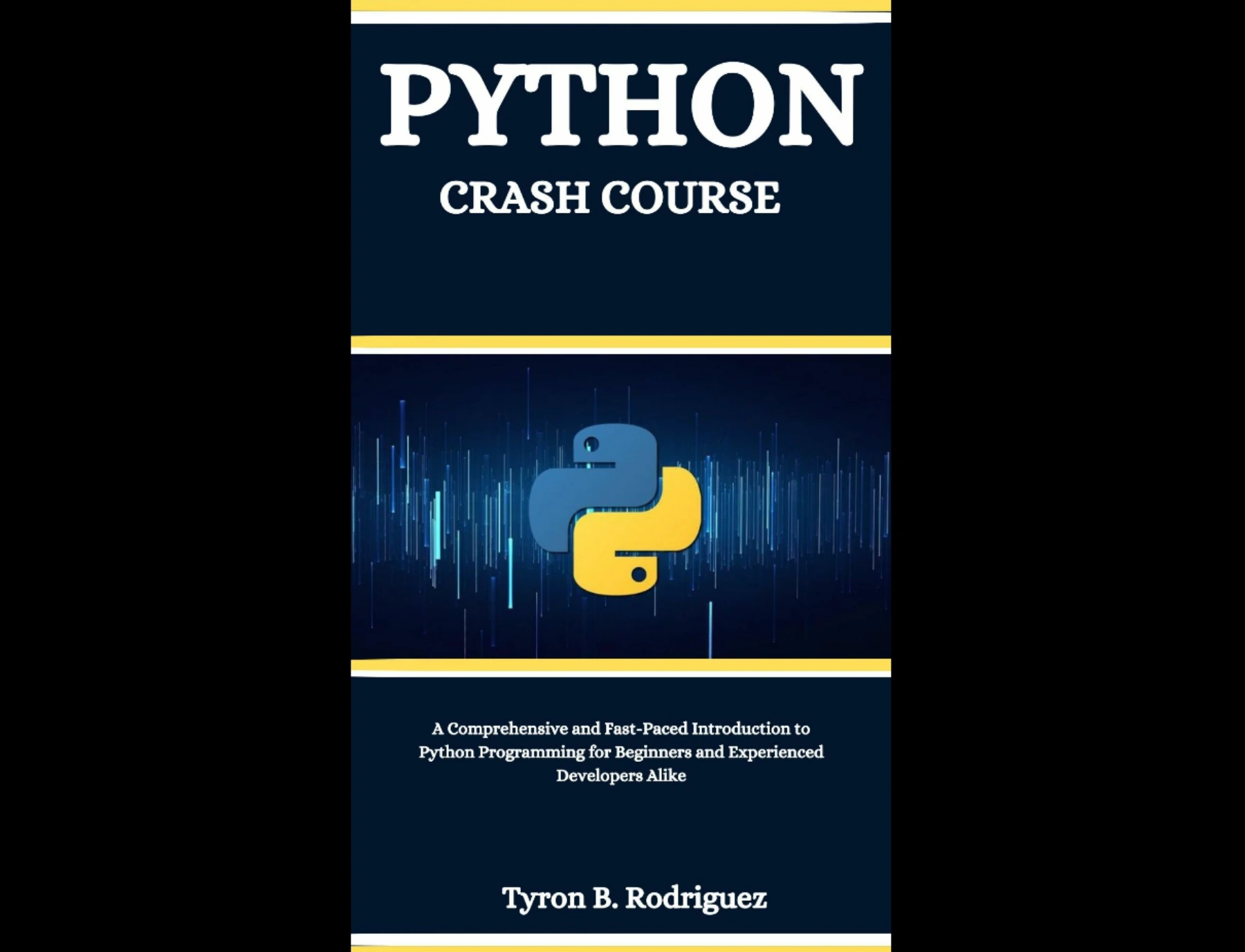
Learners seeking Python fundamentals alongside projects involving games, automation, task management, and data analysis.
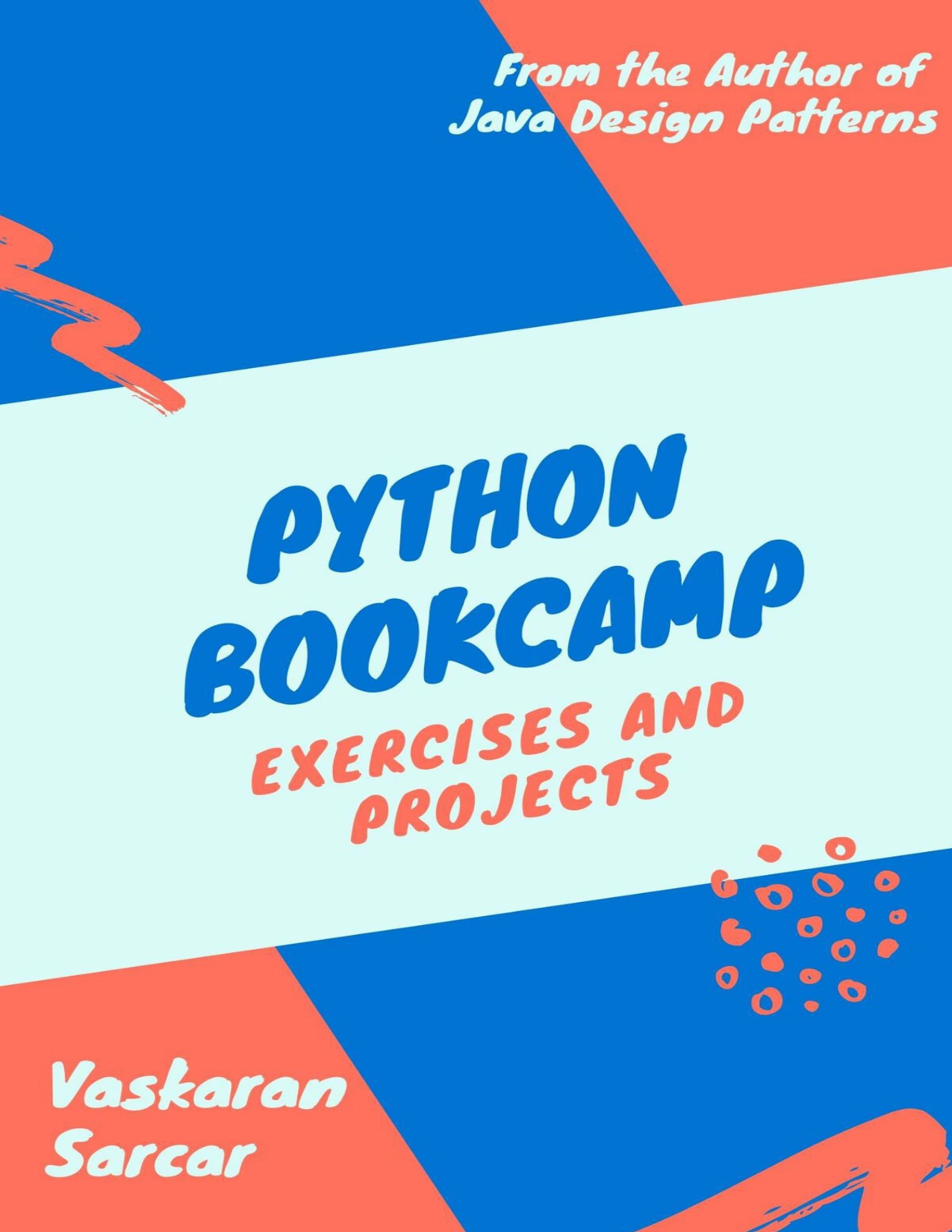
Python Bookcamp: Exercises and Projects
Readers who want exercises and case studies across Python basics, debugging, functions, and file handling.
Intermediate projects
- Data visualization from a public dataset: Choose a dataset with a question you can state clearly, such as how a measurement changes over time. Document where the data came from, how you cleaned it, and what the visualization does—and does not—show.
- Small web application: Create a focused app such as a reading log, recipe organizer, or task list. Explain the main user flow and include sample data or a clear way to try it.
- API-based tool: Build a small client that requests information from an API, handles errors, and presents a useful result. State any account or configuration requirements so a reader is not left guessing.
If your project interests are moving toward web APIs, Django for APIs: Build web APIs with Python and Django covers REST concepts and project examples including library, Todo, and blog APIs. Its catalog description lists topics such as models, views, serializers, tests, permissions, and authentication.
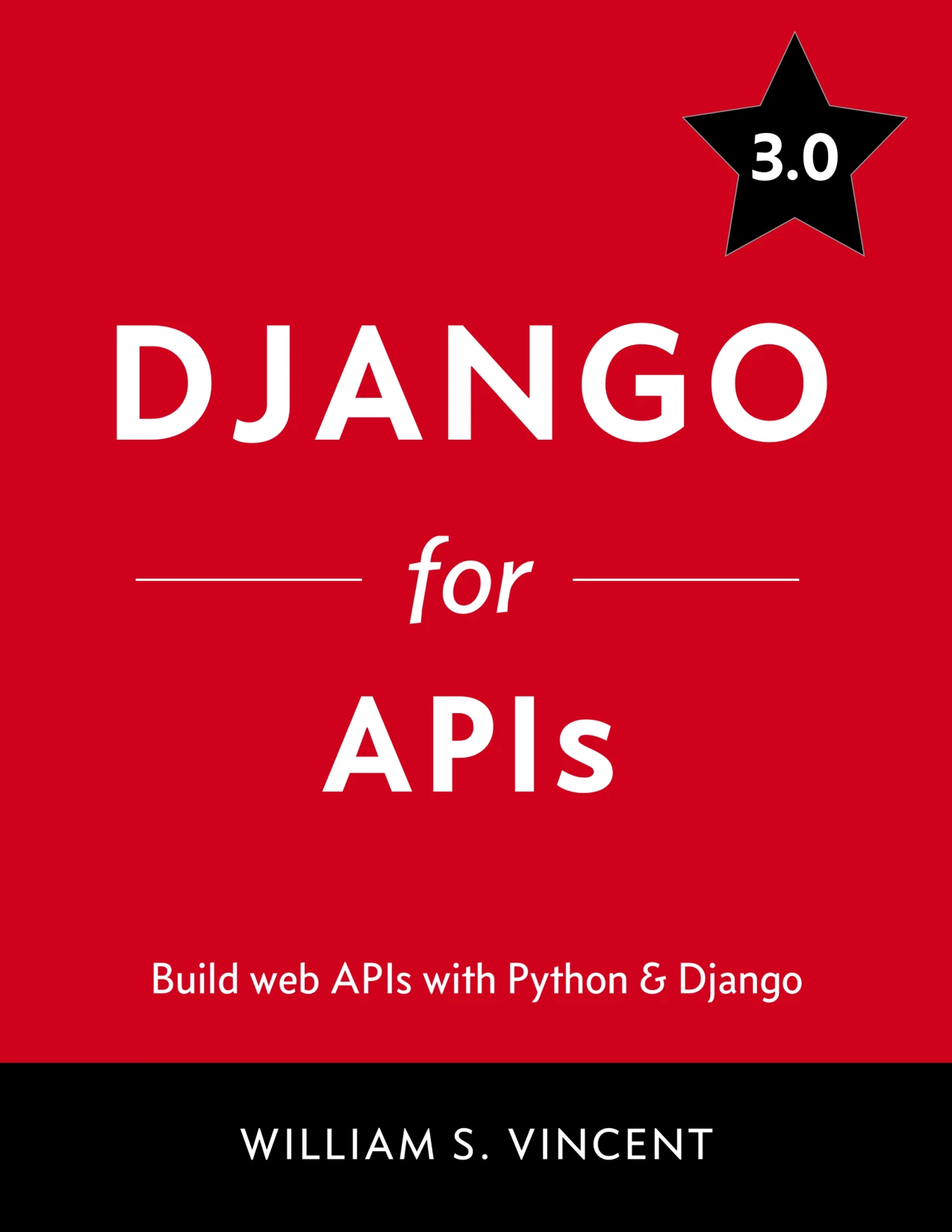
Django for APIs: Build web APIs with Python and Django
Learners interested in REST concepts and building library, Todo, or blog APIs using Django.
More advanced projects
- Data science analysis: Select a dataset and document the preparation, analysis, and reasoning behind your conclusions. Make clear which results are observations and which are interpretations.
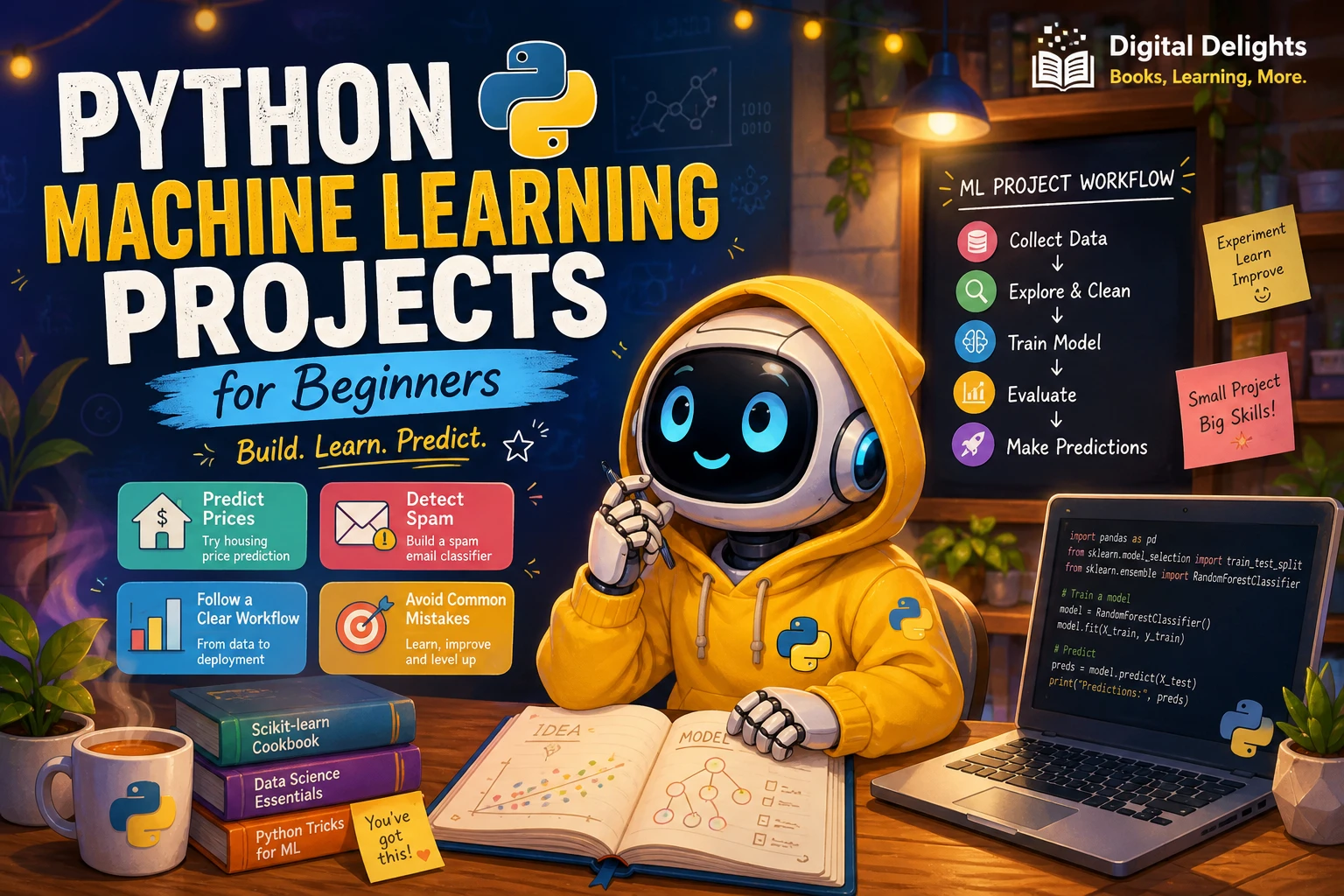
- Machine-learning experiment: Pick a bounded task, establish a basic comparison, and describe how you prepared the data and evaluated the model. Report limitations rather than presenting a model output as universally reliable.
- End-to-end project: Combine data input, processing, and a small interface or report. Keep the pieces understandable and document how someone can run the project locally.
For a guided introduction to practical analysis, The Data Science Workshop: Learn How You Can Build Machine Learning Models and Create Your Own Real-World Data Science Projects covers Python data preparation, regression, classification, clustering, and model evaluation. If you want to explore machine learning through implementations, Python Machine Learning By Example, Fourth Edition covers practical examples and subjects including preprocessing, model training, and evaluation.
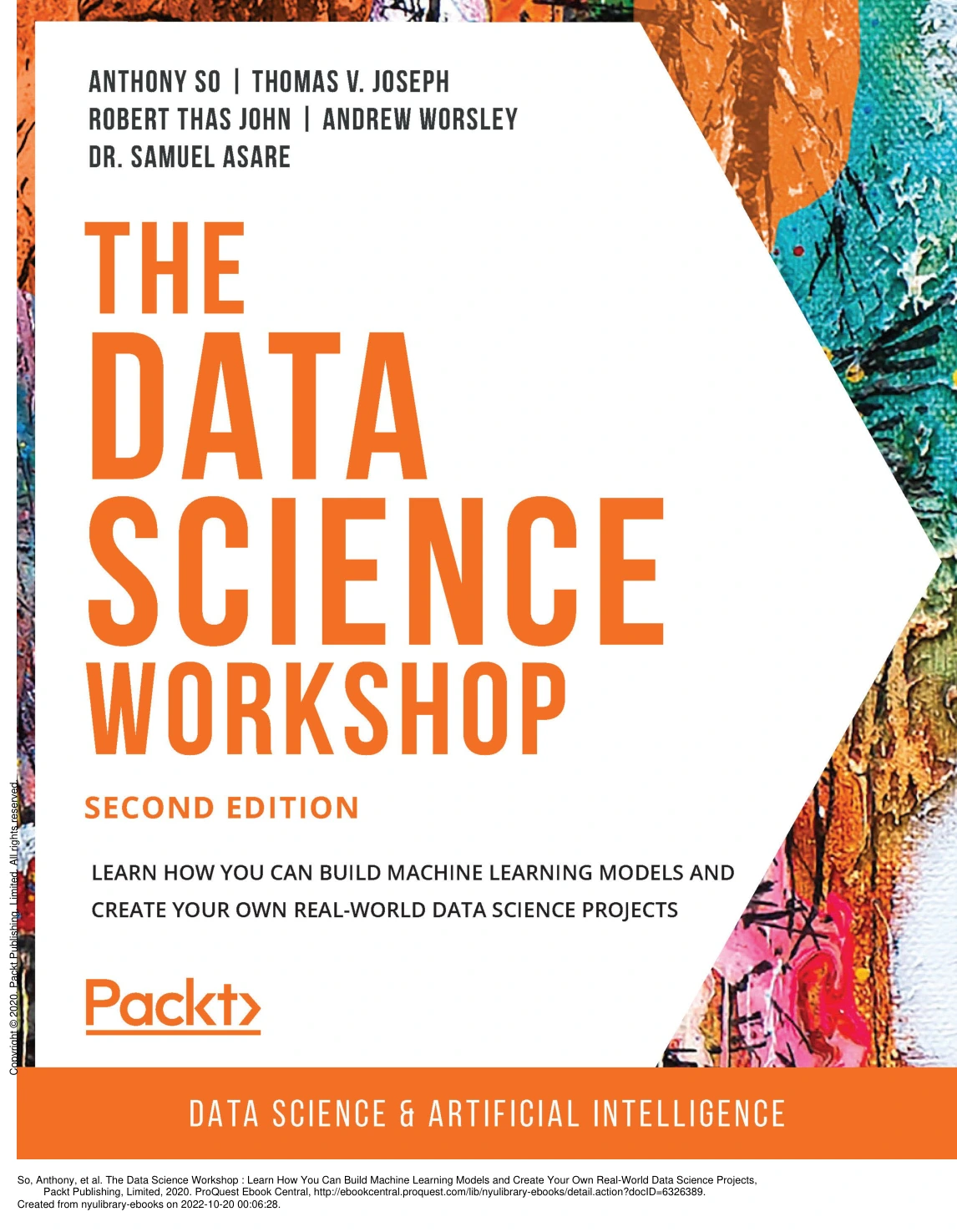
By Anthony So
Readers wanting practical Python coverage of data preparation, regression, classification, clustering, and evaluation.
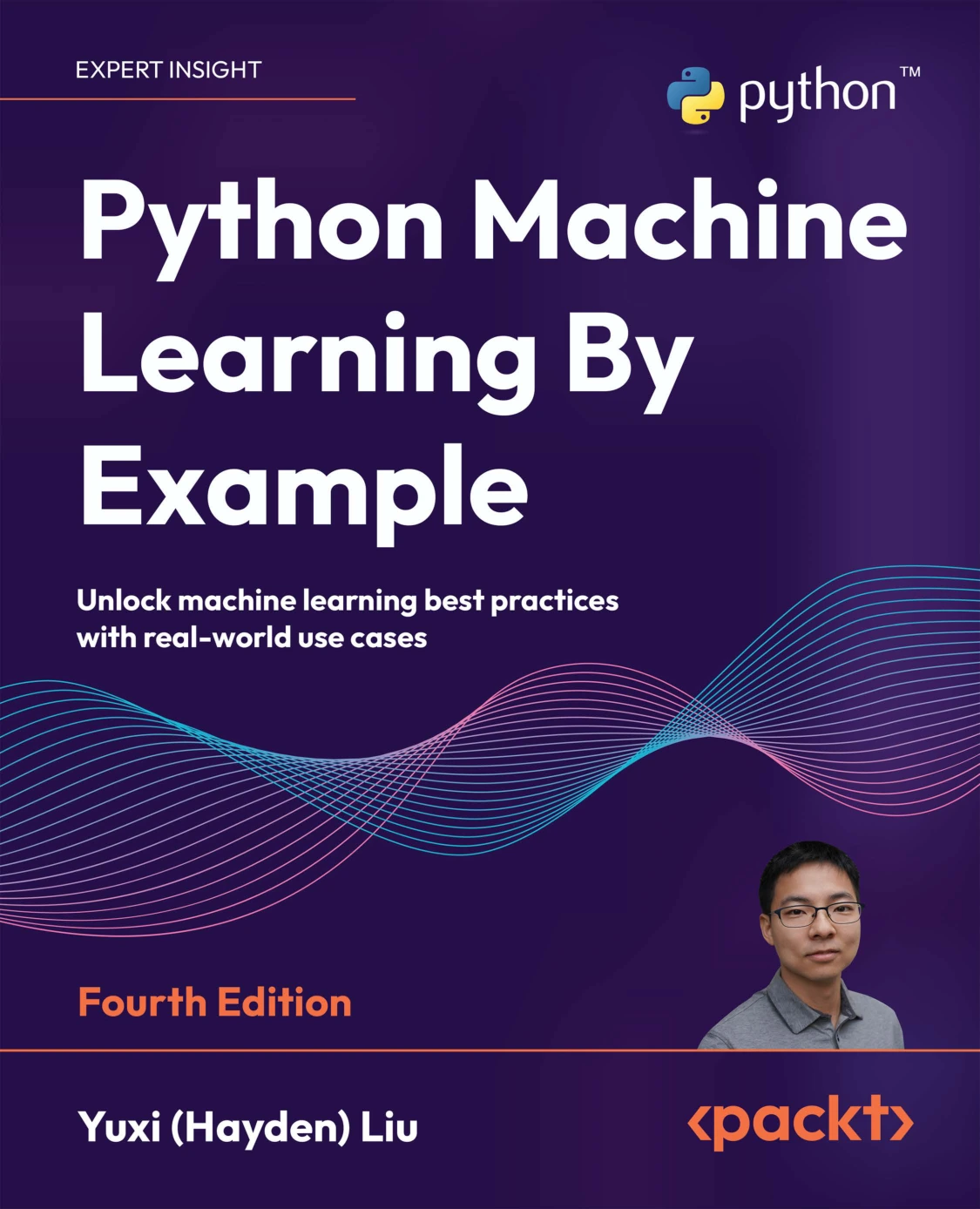
Python Machine Learning By Example, Fourth Edition
Learners seeking Python examples involving preprocessing, model training, and evaluation.
What makes a project easy to evaluate?
There is no universal portfolio checklist in the available evidence. As practical editorial guidance, aim to remove the questions a reader would otherwise have to ask: What does this do? How do I run it? What should I expect to see? What are its limitations?
Give each project a clear landing page or README that covers:
- Purpose: Describe the problem and who the project is for.
- Features: Summarize what the current version can do.
- Setup and run instructions: Provide steps in the order a new user needs them.
- Dependencies: Record the packages the project requires.
- Example input and output: Include sample data, a sample command, or screenshots where useful.
- Checks or tests: Explain how you checked important behavior and how to run any included tests.
- Limitations and next steps: State what the project does not handle and what you might improve.
For a machine-learning or data project, also explain the data source, preparation steps, evaluation approach, and any assumptions that affect the result. For an automation script, clarify what files or folders it changes and how a user can test it safely.
A practical build-and-publish workflow
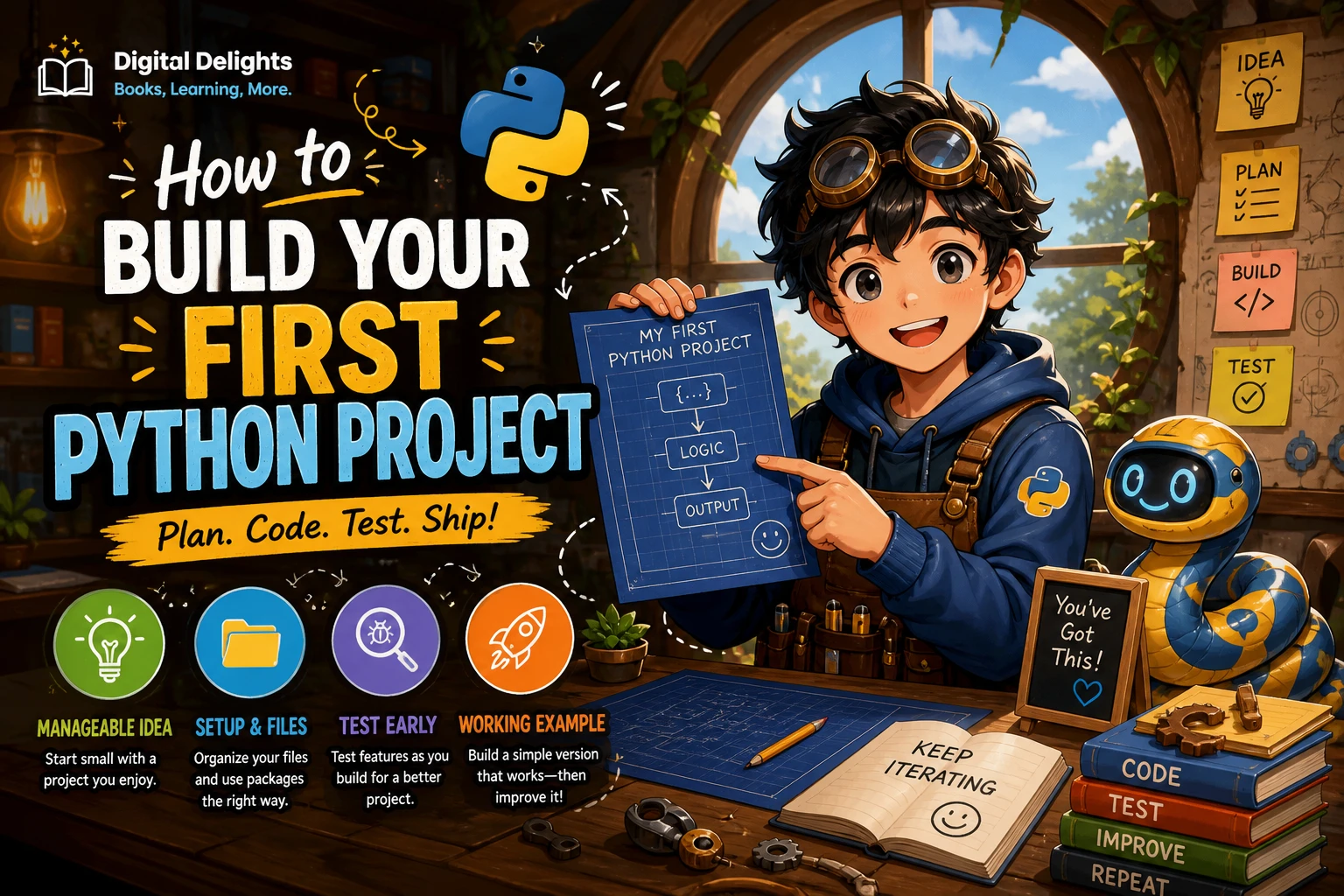
- Define the smallest useful version. List the core feature and a few things that are explicitly out of scope.
- Make a working baseline. Build the simplest version that accepts a clear input and produces a useful output.
- Check ordinary and unusual inputs. Try a normal case, an empty or missing input, and a case that could cause an error. Add tests where they suit the project.
- Improve one thing at a time. Add a feature only when it strengthens the project’s purpose or helps you practise a relevant skill.
- Document and publish. Write setup instructions, show an example, and explain important design choices and limitations.
- Check the project from a clean setup. Follow your own instructions as if you had just downloaded the code.
Use an isolated Python environment for each project and record its dependencies. Python’s documentation explains that virtual environments keep project packages separate and that requirements files can record packages for installation (Virtual Environments and Packages). State the Python version and relevant library versions you support, and check compatibility before publishing; the newest Python release is not automatically the right choice for every dependency or deployment target.
Common portfolio-project pitfalls
- Publishing a tutorial clone without context: If a tutorial informed your work, say so. Explain what you changed, what decisions you made, and what you learned.
- Making the scope too broad: Start with one clear use case. A finished, understandable first version is easier to assess than a long feature list without a working result.
- Leaving setup implicit: Do not assume readers know which Python version, packages, command, or data file to use.
- Showing results without explaining them: For visualizations and models, describe the data and method, and avoid implying that a result proves more than it does.
- Hiding limitations: A short, honest note about missing features, edge cases, or data constraints gives useful context.
- Adding complexity for appearance: Choose tools because they serve the project, not simply to make the technology list longer.
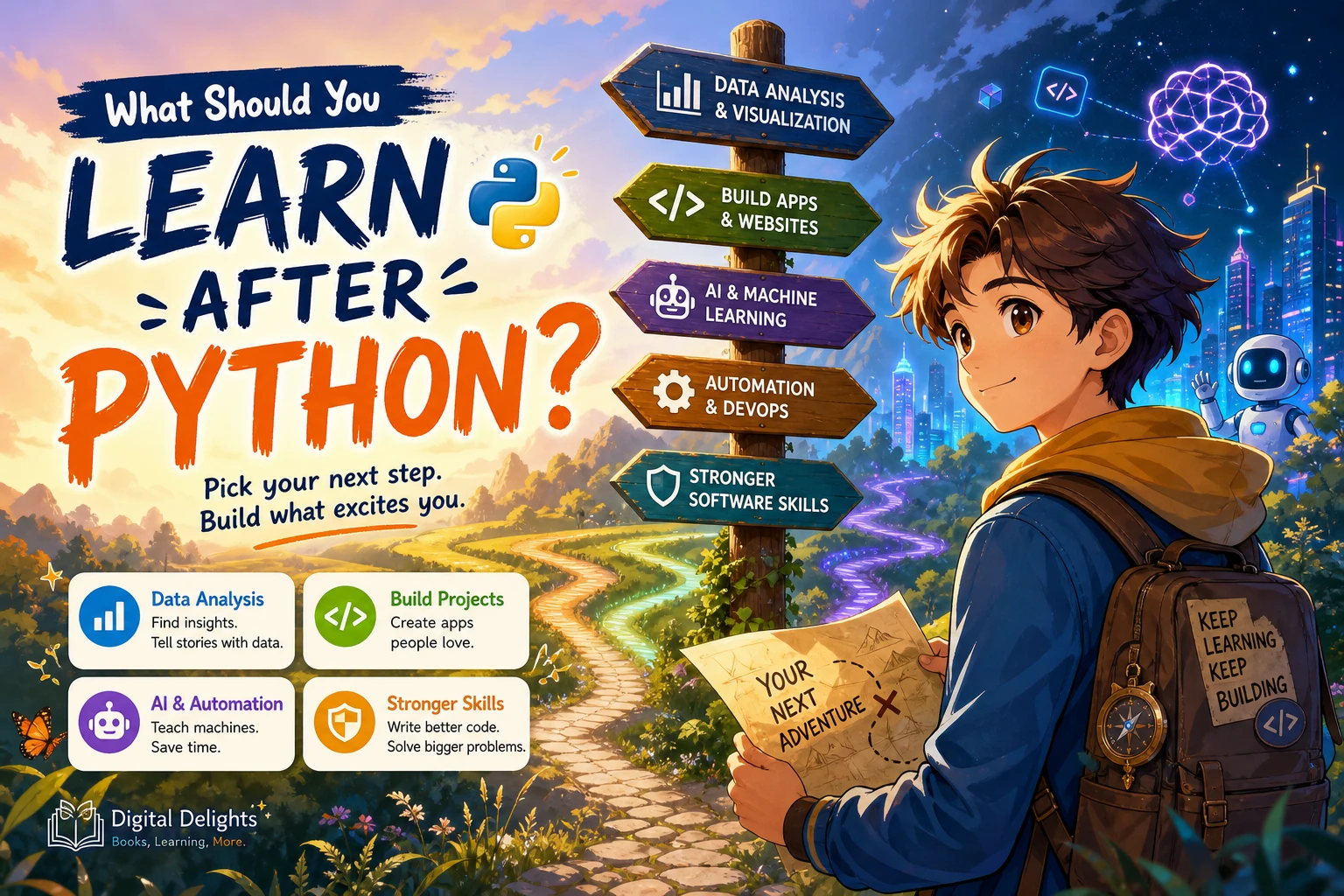
Learning resources and next steps
Choose a resource that matches the skill your next project requires rather than trying to study every Python subject at once. Digital Delights’ Python books and resources include titles for programming foundations, project practice, data science, and machine learning.
- For clearer, more maintainable Python: Python How-To: 63 Techniques to Improve Your Python Code focuses on practical Python techniques, including data structures, functions, and type hints.
- For project-based data science: The Data Science Workshop covers data preparation and methods including regression, classification, clustering, and model evaluation.
- For Django API development: Django for APIs is focused on REST concepts and building APIs with Django and Django REST Framework.
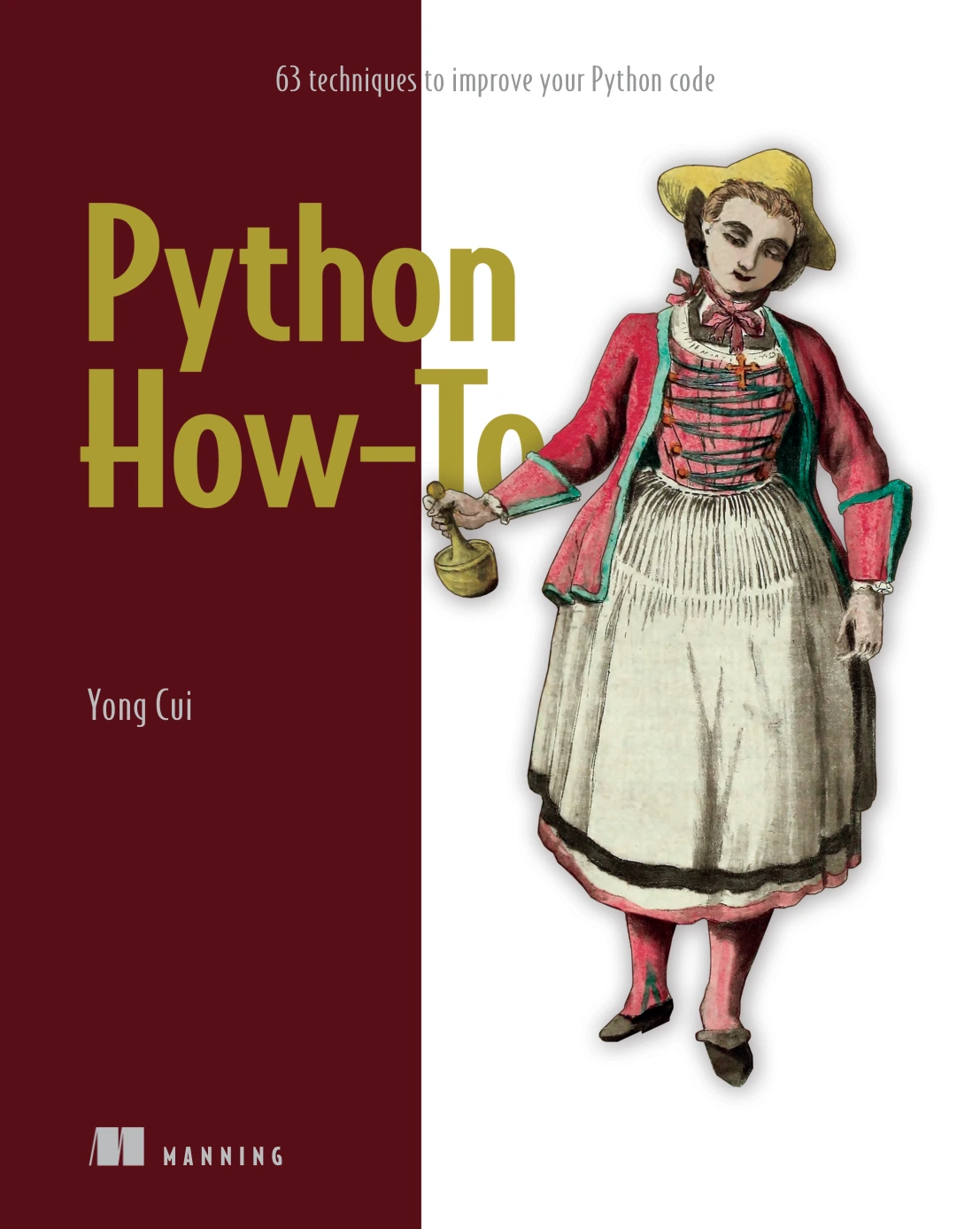
Python How-To: 63 Techniques to Improve Your Python Code
By Yong Cui
Learners who want practical techniques covering Python structures, functions, and type hints.
After choosing a resource, turn one topic into a small deliverable. Instead of waiting until you have completed an entire learning path, build a compact version, write down what you learned, and decide on one concrete improvement.
Frequently asked questions
What makes a Python project portfolio-worthy?
A project is easier to assess when it solves a clearly described problem, runs from documented instructions, and explains its design choices and limitations. A useful project does not need to be large; it needs to make its purpose and your contribution understandable.
Which Python project should a beginner start with?
Choose a small project that uses concepts you are ready to practise. A text-based game, a basic expense tracker, or a file-organizing script can each begin with a narrow set of features and grow gradually. Pick the idea you can explain and finish, rather than trying to predict which one is most impressive.
How many projects should a portfolio include?
The supplied research does not establish a universal number. Prioritize projects that you can explain and run reliably instead of adding work just to reach a target. A small, coherent selection is a practical place to start; expand it when you have another distinct skill or problem to demonstrate.
Should a portfolio project be original?
It does not have to begin with a completely new idea. A familiar project can still show your work if you clearly credit learning materials, explain what you implemented, and describe meaningful changes or extensions. Avoid presenting copied tutorial code as if you designed it independently.
Conclusion
Good Python projects for your portfolio start with a clear purpose and a manageable scope. Choose an idea that fits what you want to practise, build a working version, test it, and document how to run it. Most importantly, explain what you made, what you learned, and what remains limited. That context helps a reader understand the work without relying on claims about guaranteed hiring outcomes or a supposedly perfect project type.