Where Can You Learn Python Online for Free?
You can start learning Python online for free with the resources on Python.org. The key is choosing the right starting point: its Beginner’s Guide is intended to help people new to programming find a suitable way in, while the official Python Tutorial expects readers to have some basic programming knowledge. Both the learning material and Python itself are available without charge through official sources.
Below, you’ll find out where to begin, how to practise as you learn, and what to check before committing to another online course. The short version: match the resource to your experience, write code as you go, and check that examples suit the Python version you are using.
Free official Python resources
Python.org points learners toward introductory resources, while the official documentation provides a more detailed guide to the language. These are useful starting points because they come from the Python project itself, but they are not interchangeable: their intended audiences differ.
Python’s Beginner’s Guide
If you have never programmed before, begin with Python’s beginner getting-started resources. Python.org directs newcomers to beginner-oriented material and recommends installing Python 3 so you can try small experiments while learning. You do not need to know another programming language before beginning with a beginner-focused resource.
Use this as a starting point rather than assuming every page it links to will teach in the same way. Check each resource’s prerequisites and follow a sequence that explains basic programming ideas as well as Python syntax.
The official Python tutorial
The official Python Tutorial is a free introduction to the language, with topics including control flow, functions, data structures, modules, errors, classes, and virtual environments. It is especially useful as a reference while you work through examples or want to look up a language feature.
There is an important qualification: the tutorial says it is for people who are new to Python, not necessarily new to programming. It expects some familiarity with programming concepts. If you are a complete beginner, use a beginner-specific resource first and return to the official tutorial as your skills develop.
Choose a starting point that matches your experience
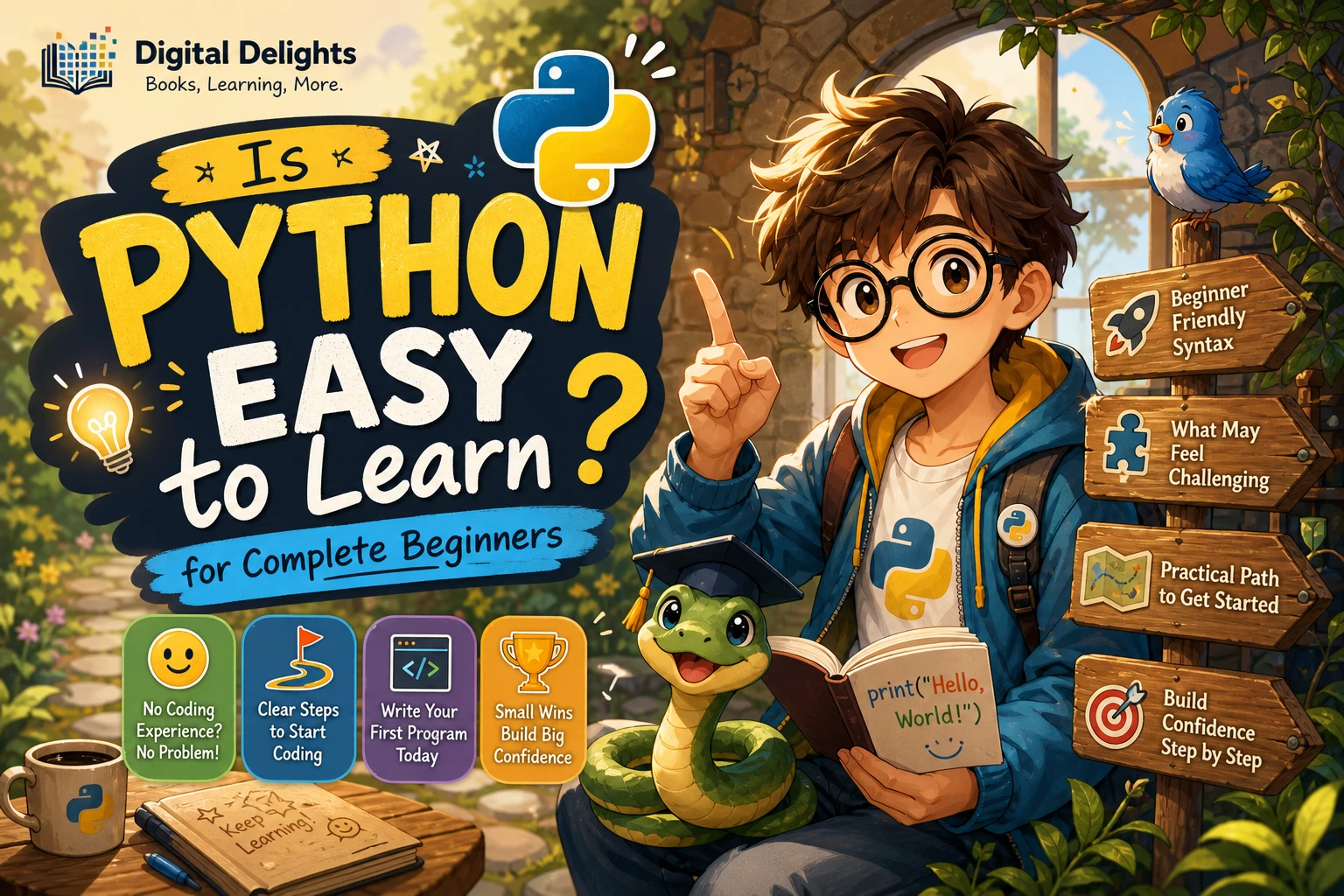
“Beginner” can mean two different things: new to Python, or new to programming altogether. Picking a resource that fits your background makes it easier to follow the explanations and avoid gaps in understanding.
- New to all programming: Start with beginner-focused lessons that introduce what code does, how a program runs, and how to read simple instructions. Python.org’s getting-started guidance is a sensible first stop.
- Know another programming language: You may be ready to use the official tutorial to learn Python’s syntax, built-in data structures, modules, and conventions.
- Know some Python but need a reminder: Use the official documentation to look up a topic, then write a short example to check your understanding.
Before following a course or tutorial, look for a clear statement of its prerequisites. A course that assumes you already understand loops or functions may feel confusing if those ideas are new, even when its title says “beginner.”
How to practise while learning
Reading explanations helps you recognize ideas, but writing and changing code helps you see how those ideas behave. The official tutorial notes that hands-on use of the Python interpreter is helpful. Python.org also advises newcomers to install Python 3 and try simple experiments.
Keep practice small at first. For example, use the interpreter to explore expressions and variables:
name = "Sam"
print("Hello, " + name)
Then change the values, predict what the program will print, and run it to check. As you learn more, try tasks such as asking for a user’s name, converting a value to a number, or printing each item in a short list.
You can follow the official getting-started guidance to install Python 3 on your computer. A browser-based coding option may also be convenient, but its availability and features depend on the particular service; the sources here do not verify a specific one. Check its current terms and capabilities before relying on it.
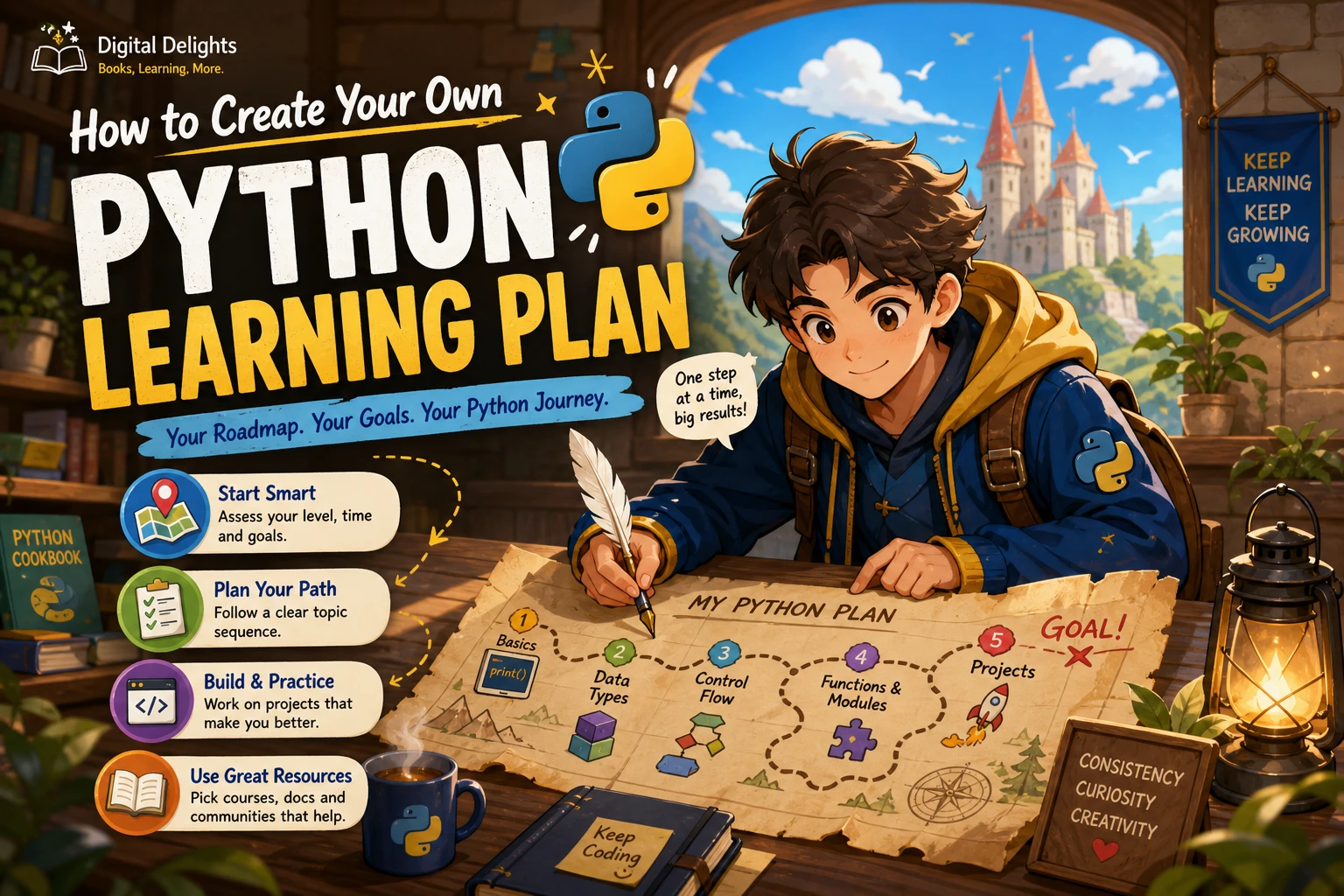
A simple learning path for Python
Move from basic building blocks toward small programs that combine them. You do not need to master every topic before you start making things; revisit concepts as you encounter them in practice.
- Syntax and values: Learn how to write statements, use numbers and strings, and assign values to variables.
- Conditions and loops: Practise making decisions with
ifstatements and repeating work with loops. - Functions: Group instructions into reusable pieces, pass information in, and return results.
- Collections: Learn to work with lists and dictionaries so your programs can handle related values.
- Modules and errors: Explore how to use code from modules and how to notice and respond to common errors.
- Small programs: Combine the ideas in short projects, such as a simple quiz, a number-guessing game, or a basic to-do list.
For each topic, read a short explanation, type an example yourself, and make one or two changes. If you get an error, read the message and reduce the problem to the smallest example you can reproduce. This turns practice into part of the learning process rather than a final step.
What to check before choosing another free course
There are many kinds of online learning material, but a “free” label does not tell you everything about access or fit. Before investing time in a course, check its details directly:
- Cost and access: Is the whole course free, or are some lessons, features, or materials restricted?
- Prerequisites: Is it written for a first-time programmer or for someone who already codes?
- Python version: Does it identify the version used in examples, and does that match the version you plan to use?
- Practice format: Are there exercises or code examples you can run, or is the material mainly explanatory?
- Certificate terms: If you need a certificate, check whether it is included and what conditions apply. Do not assume a free course includes one.
- Support: If you want instructor or community help, confirm what is actually provided and whether it is available without payment.
The official documentation is a reliable reference for Python language topics, but it is not presented as a full instructor-led course. The supplied sources do not compare third-party courses, their teaching quality, certificates, or support, so treat those as details to verify with each provider.
When a book or other structured resource may help
Free online resources can be enough to get started. A book is an optional supplement if you prefer a more linear sequence, want explanations gathered in one place, or would like material to return to alongside online documentation. It is not required to access Python or the official learning resources.
For an additional structured introduction, Digital Delights lists Python for Beginners: A Complete Beginner’s Guide to Learning Python Quickly. Its catalog description covers setup and foundational topics such as variables, data types, conditions, loops, functions, and files. This is a catalog-listed digital book, not one of the free official online resources discussed above; check its product page for current details.
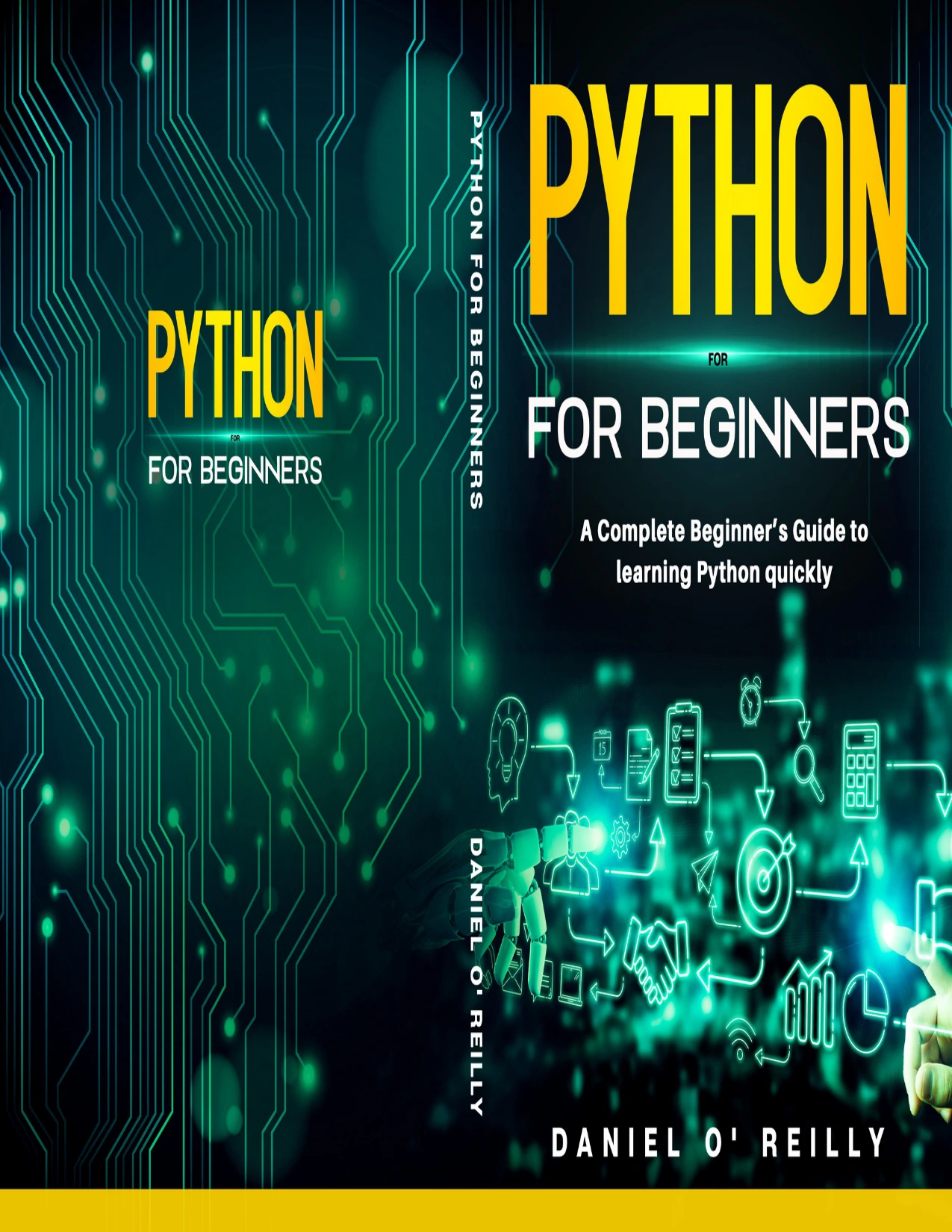
Python for Beginners: A Complete Beginner’s Guide to Learning Python Quickly
Beginners looking for a guide covering Python setup, core fundamentals, functions, loops, and files.
You can also browse the Python books and resources category if you want to compare other supplementary titles. A book can provide structure, but keep practising by writing code and use official documentation to check language details.
Frequently asked questions
Can you learn Python without installing it?
You can read Python learning material online without installing anything. To run code, you need access to a Python interpreter, such as a local installation or a suitable browser-based service. Python.org’s getting-started guidance recommends installing Python 3 and trying simple experiments; the specific browser-based options and their current limits have not been verified here.
Is the official Python tutorial suitable for complete beginners?
It is suitable for people learning Python, but the tutorial expects basic programming knowledge. If you have never programmed, start with beginner-focused resources linked from Python.org, then use the official tutorial as you become comfortable with programming fundamentals.
Do free Python courses provide certificates?
Some courses may offer certificates, while others may not, and the available terms can vary. The supplied research does not verify certificates for particular providers. Check the course’s current terms directly before enrolling if a certificate matters to you.
Conclusion
To learn Python online for free, start with Python.org’s beginner resources if you are new to programming, or use the official Python Tutorial if you already understand basic programming concepts. Practise by running small examples, follow a gradual learning path, and check that lessons match your experience and Python version. Books can add structure, but they are optional; the most useful next step is to write a little code and keep experimenting.