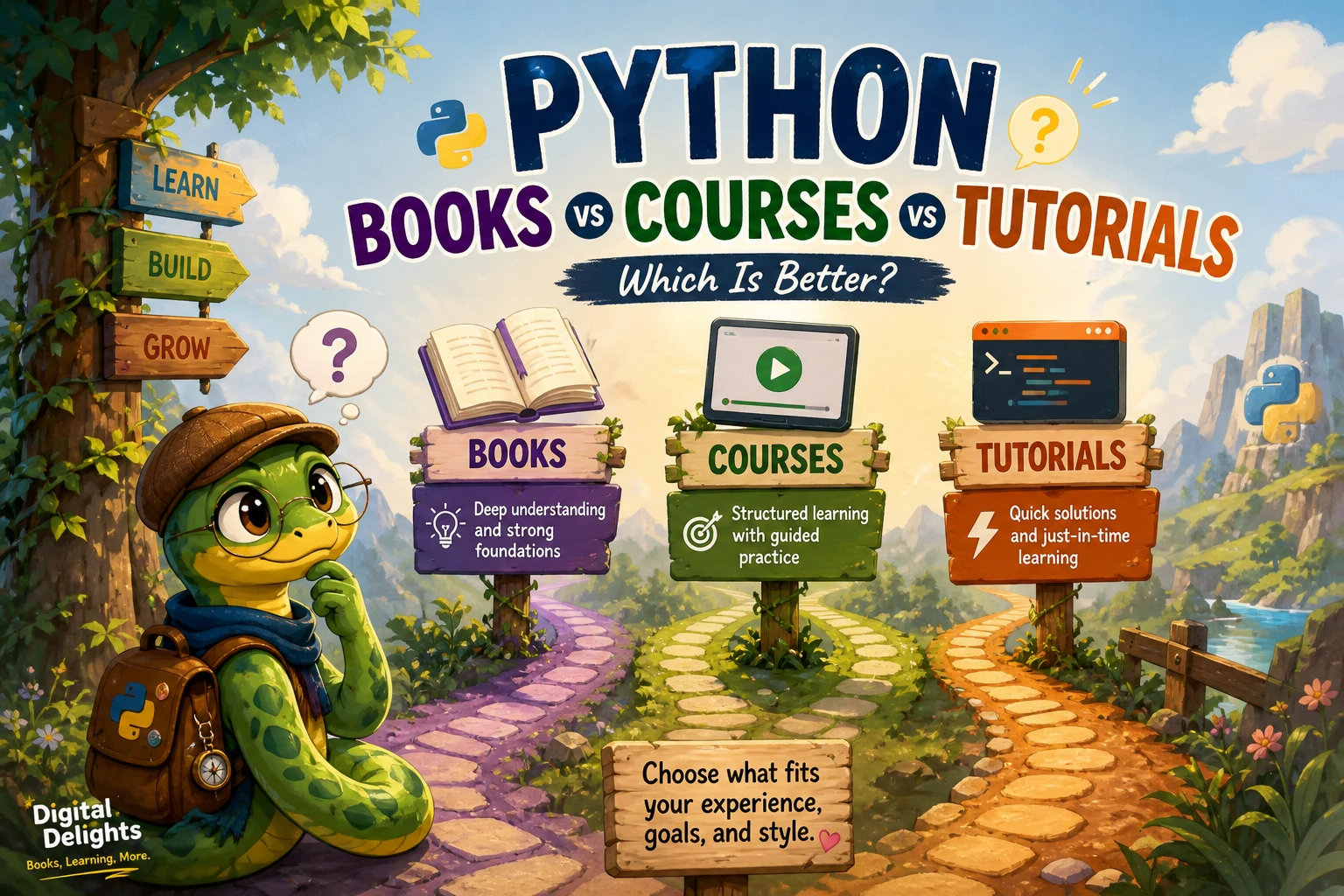
Python Books vs Courses vs Tutorials: Which Is Better?
Choosing how to learn Python can be confusing: books offer a place to return to, courses can guide you through lessons, and tutorials help you find answers or follow a specific path. There is no format that works best for every learner. The better choice depends on whether you need a carefully sequenced introduction, demonstrations and feedback, or concise explanations for a particular task.
For many self-directed learners, a practical starting point is one structured book or course, regular coding practice, and the official documentation as a reference. Treat that as a useful approach to try—not a proven formula. Below, we compare the trade-offs and help you choose based on your experience and goals.
Python Books vs Courses vs Tutorials: A Quick Comparison
| Format | Potential strengths | Things to check | Often suits |
|---|---|---|---|
| Books | Can present topics in a deliberate sequence and give you material to revisit. | Look for exercises, worked examples, projects, clear prerequisites, and relevant version information. | Learners who prefer reading, want a planned progression, or need a reference. |
| Courses | May combine demonstrations, lessons, quizzes, projects, or instructor feedback. | These features vary. Check the syllabus, teaching approach, practice tasks, and whether feedback is actually included. | Learners who benefit from guided lessons or visual demonstrations. |
| Tutorials | Can explain a focused topic quickly and help with specific questions. | Some are short how-to guides; others are broader. Check prerequisites and whether the material is intended as a complete learning path. | Learners who already know some programming or need help with a defined task. |
This is an editorial comparison of common format features, not a ranking based on a head-to-head study. A book, course, or tutorial can be excellent or unsuitable depending on its contents and your needs.
When a Python Book Is a Good Fit
A book can be useful when you want to move through ideas in a planned order and return to an explanation later. Unlike a short tutorial that answers one question, a well-organized book may connect fundamentals to progressively more involved topics. But the label “book” alone does not guarantee a clear learning path or enough practice.
Before choosing one, look for:
- Clear prerequisites: Does it assume you have programmed before, or start with basic programming concepts?
- Practice alongside explanation: Are there exercises, examples to modify, or projects to build?
- A sensible scope: Does it cover the Python foundations you need, or focus on a particular area?
- Useful setup guidance: Can you follow the instructions with your computer and software?
- Version notes: Does the book identify the Python version or tools used in its examples?
For a beginner-oriented overview that moves from Python fundamentals toward practical applications, Unlocking Python: A Comprehensive Guide for Beginners covers core language topics and introduces areas including Flask, Django, web scraping, data analysis, and machine learning. Consider its wide scope against your immediate goal: a broad introduction may be useful, while a focused resource can be easier to work through if you have a specific project in mind.
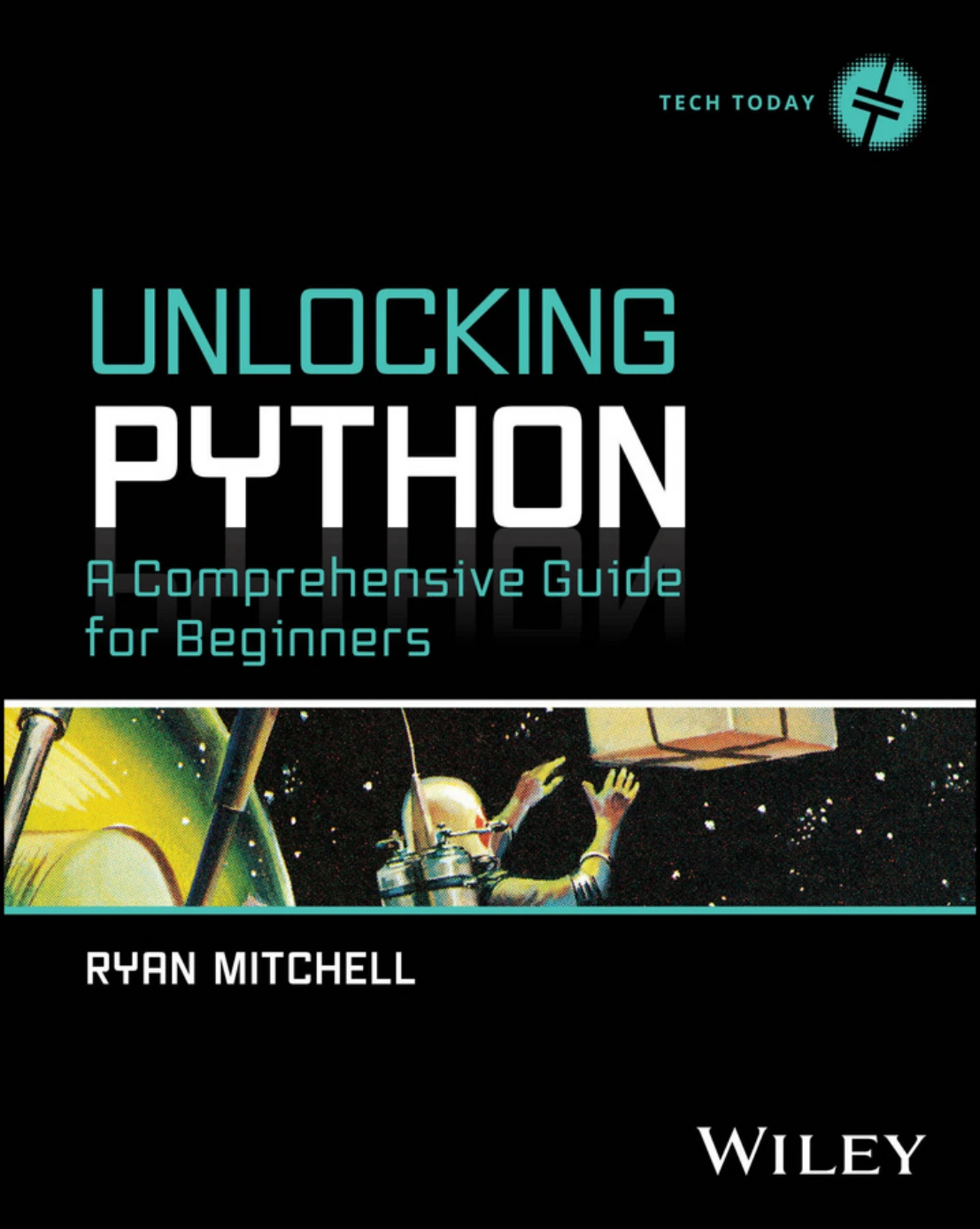
Unlocking Python: A Comprehensive Guide for Beginners
Readers seeking a structured introduction that moves from Python fundamentals toward applications.
If you already know the basics and want a compact guide to the language itself, Python Distilled covers core Python topics as well as areas such as generators, decorators, asynchronous functions, and the object model. Check the product details and your own prerequisites to decide whether its level and scope fit.
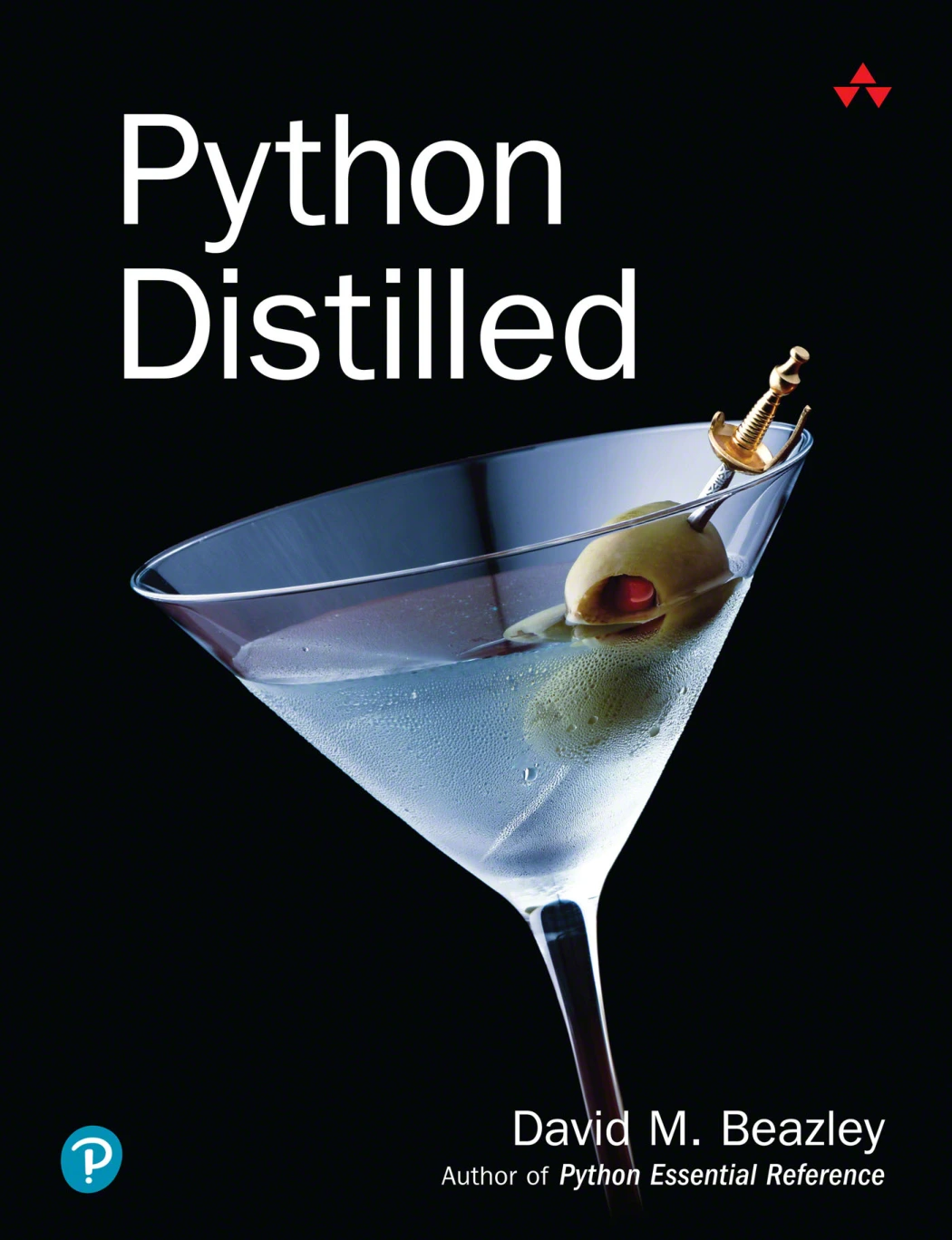
Learners with some programming familiarity who want a focused guide to the language.
When a Python Course Is a Good Fit
A course may help if you prefer to watch concepts demonstrated or want lessons arranged in a defined sequence. Some courses include quizzes, projects, or access to an instructor; others are primarily recorded explanations. Those features depend on the individual course, so do not assume that every course provides feedback, a certificate, or hands-on projects.
Before enrolling, review the syllabus and ask:
- Does it start at your level, including any programming prerequisites?
- Will you write code during the lessons, or mainly watch demonstrations?
- Are assignments or projects included, and are solutions or feedback available?
- Does the course cover the kind of Python work you want to try?
- Are the setup instructions and libraries appropriate for your system?
If a course offers a project that interests you, that can give your practice a concrete direction. For example, Raspberry Pi Full Stack: A Comprehensive Course follows a Raspberry Pi environmental-monitoring project involving Python, sensors, data storage, and a web interface. Its described project and hardware context make it a more specific option than a general first introduction to Python.
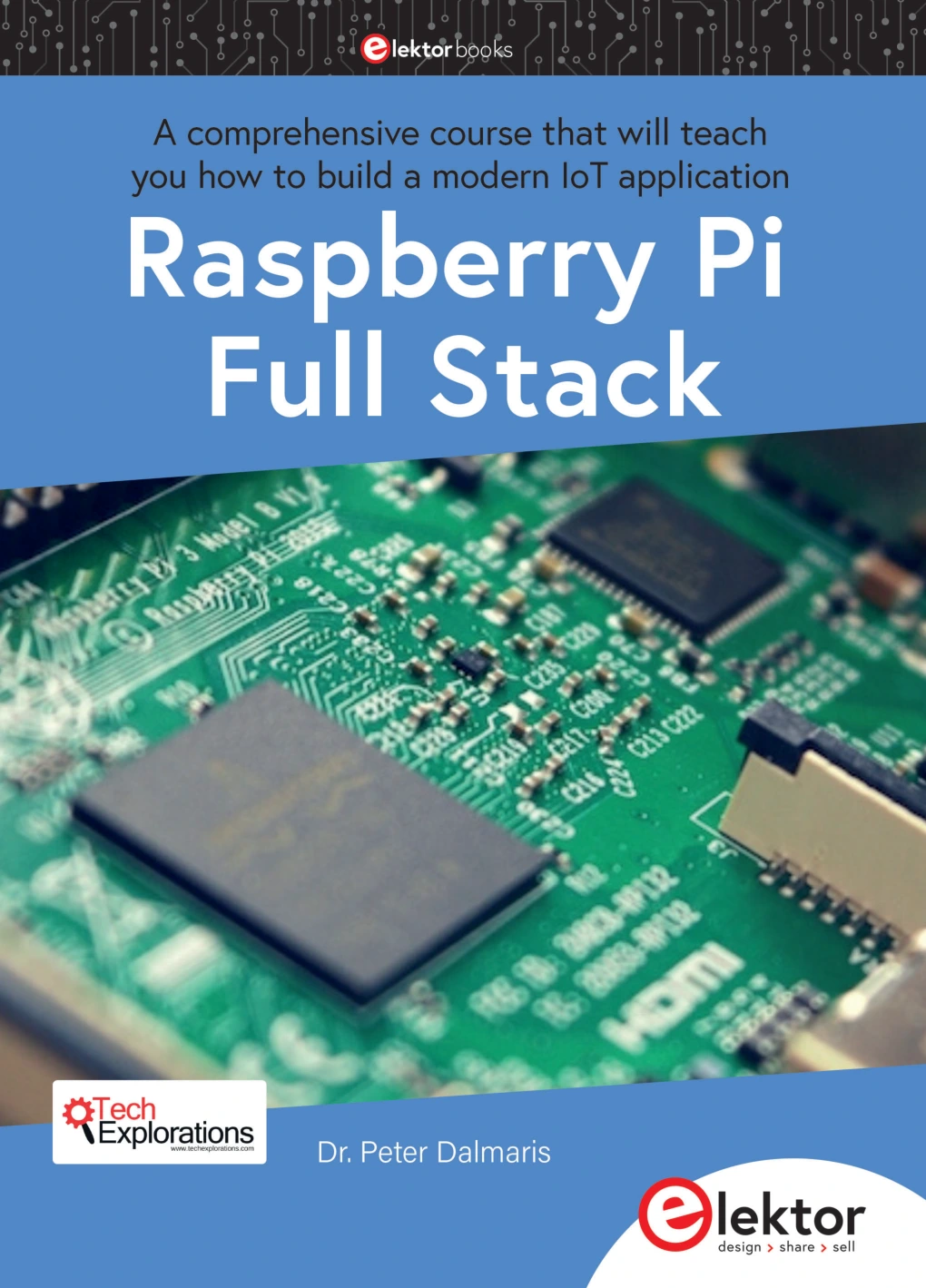
Raspberry Pi Full Stack: A Comprehensive Course
Learners interested in a Raspberry Pi environmental-monitoring project rather than a general first Python introduction.
When a Tutorial Is the Right Tool
“Tutorial” can mean anything from a short explanation of one feature to a longer guided introduction. It is useful to distinguish a targeted how-to from a full beginner curriculum: completing one tutorial does not necessarily mean you have covered the concepts needed to write programs independently.
The official Python tutorial is a valuable reference for the language, but its stated audience is people who are new to Python and already have a basic understanding of programming. It says it is not intended to teach programming to people who are new to it. If you are starting from zero, use that tutorial with care and choose a resource that explains general programming ideas too. Read the official Python tutorial and its stated prerequisites.
For learners who already understand programming, the official tutorial can help introduce Python’s features. For a specific problem—such as reading a file or using a library—search for a focused guide, then check the relevant official documentation and test the example yourself.
Choose a Format Based on Your Starting Point and Goal
If you are new to programming
Start with a beginner resource that explains programming concepts as well as Python syntax. A structured book or beginner course may be easier to follow than documentation written for readers with prior programming experience. Try small exercises early rather than waiting until you have finished reading or watching.
If you already know another programming language
You may be able to learn Python’s syntax and conventions with a language tutorial or a concise book. Focus on what differs from the languages you know, then write small programs to check that you can apply those ideas without copying examples line by line.
If you want to build projects
Choose a resource whose projects match your interests and available tools. For practice between lessons, Python Programming Exercises, Gently Explained offers 42 short Python problems with hints and explanations, according to its catalog description. Exercises can help you practise specific concepts; you can also extend one by changing its inputs or adding a feature.
Python Programming Exercises, Gently Explained
By Al Sweigart
Learners looking for short problems with hints and explanations.
If you are learning independently
Consider how much structure helps you keep going. A course with a clear sequence, a book with planned chapters, or a self-directed mix can all be reasonable choices. The Self-Taught Developer focuses on independent learning and practical development habits, including choosing learning sources, setting goals, using tools, and debugging. It is about learning programming more broadly rather than teaching Python syntax alone.
The Self-Taught Developer: Tips and Tricks for Anyone to Learn Programming
By Tommy Chheng
Self-directed learners who want guidance on learning sources, goals, tools, and debugging beyond Python syntax.
A Practical Blended Approach to Learning Python
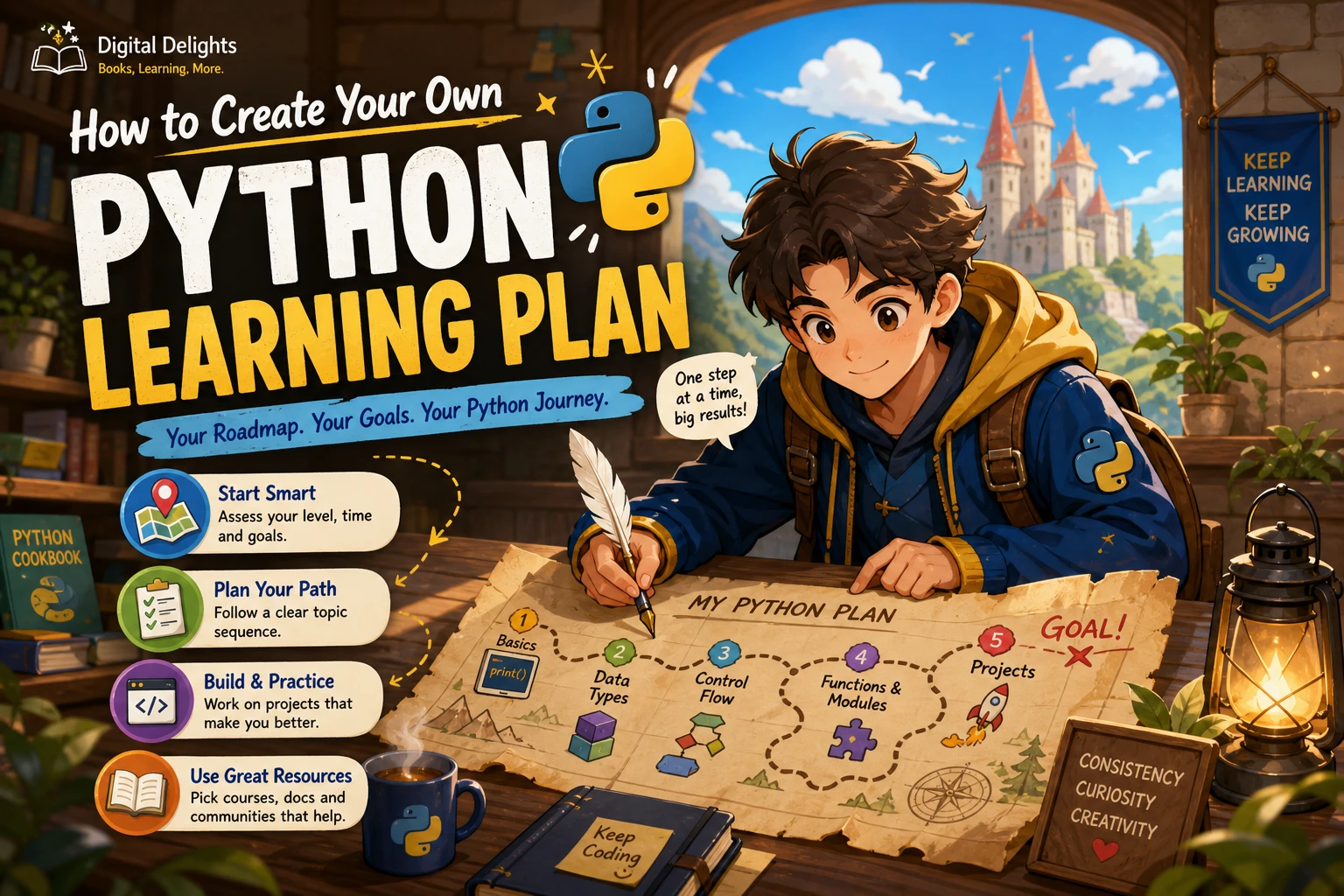
You do not have to commit to only one format. A simple combination can give you structure while leaving room to look up details as you need them. Here is one approach to adapt:
- Choose one main resource. Pick a beginner book or course that matches your experience and intended use. Avoid switching between several complete courses before you have practised the basics.
- Write code as you learn. Re-create examples, change their inputs, and predict what will happen before running them.
- Use documentation for lookup. When you encounter an unfamiliar feature, consult a reference or tutorial, keeping its prerequisites in mind.
- Practise with small tasks. Write a short program that uses the topic you just studied. If you are stuck, break the task into smaller steps.
- Build one modest project. Choose something small enough to finish, such as a command-line quiz, a simple file organizer, or a basic personal tracker. These are practice ideas, not claims about a particular course or book.
- Review and improve. When the program works, make the names clearer, test unusual inputs, and see whether you can explain the code.
This blended plan is practical editorial guidance; the available research does not establish that combining formats produces better learning outcomes than using one format alone.
How to Check Whether a Python Resource Is Suitable
Before you commit time to a resource, use this checklist:
- Prerequisites: Does it assume general programming knowledge?
- Python version: Does it state which version its examples use? Python’s version listings change over time, so check the current information on the Python.org documentation versions page.
- Installation and tools: Can you follow the setup instructions, and are required packages explained?
- Active practice: Will you solve problems or build something, rather than only read or watch?
- Solutions and support: If you get stuck, are explanations, sample solutions, or instructor feedback available? Verify these details rather than assuming they are included.
- Goal fit: Is the material about general Python, data work, web development, hardware, or another specific use?
- Update status: Are version-specific instructions still relevant? An older publication date alone does not prove that every concept is unusable, but setup steps and libraries may need checking.
Python’s version page is a changing reference, not a guarantee that every resource has been updated for the latest release. Check the resource’s own version notes and instructions before following software-specific steps.
Common Mistakes When Choosing How to Learn Python
- Choosing by format alone: A course is not automatically hands-on, and a book is not automatically comprehensive. Inspect what it actually teaches.
- Starting with material above your level: The official Python tutorial, for example, expects basic programming knowledge. Read the prerequisites before treating any tutorial as a beginner course.
- Collecting resources instead of practising: Pick one main path and use other materials to fill specific gaps.
- Watching or reading without writing code: Make time to solve problems and modify examples yourself.
- Assuming a project proves mastery: A finished project is useful practice, but you should also be able to explain and adjust the code.
- Ignoring version and setup details: Check the resource’s stated Python version, dependencies, and installation steps before troubleshooting examples.
Frequently Asked Questions
Should I learn Python from a book or a course?
Choose a book if you prefer reading a structured explanation and returning to it as a reference. Choose a course if its lesson format, demonstrations, or verified feedback options suit you better. In either case, check the syllabus or contents and make sure you will write code regularly.
Is the official Python tutorial suitable for complete beginners?
Not as a first programming course. The official tutorial says it is for people new to Python who already have a basic understanding of programming, and that it is not intended to teach programming to beginners. See the tutorial’s audience and prerequisites.
Can I learn Python using tutorials alone?
You can learn useful topics from tutorials, but check whether the tutorials form a complete path or address only individual tasks. If you are new to programming, include material that explains fundamentals and plan regular independent practice.
Does combining books, courses, and tutorials work better?
There is no evidence in the supplied research comparing learning outcomes across these formats. Combining them can be a practical way to get structured instruction, look up questions, and practise—but keep one clear main path so you do not spend all your time switching resources.
What should I check about a book’s Python version?
Look for the version named in the book and compare it with current version information and setup instructions. Core concepts may remain useful across versions, but software-specific directions and package details can change. Python.org maintains a Python documentation versions page.
Conclusion: Pick the Resource You Will Practise With
There is no universal winner in the Python books vs courses vs tutorials comparison. Books can offer a sequence and reference, courses may provide guided lessons and demonstrations, and tutorials can help with focused topics. Their usefulness depends on the specific resource, its prerequisites, and the kind of support or practice it provides.
If you are new to programming, begin with a resource designed for that starting point. If you already program, a Python-focused tutorial or concise guide may be enough to get moving. In either case, choose a small amount of material, write code frequently, and check version and setup details as you go.
Sources and Further Reading
- The Python Tutorial — Python documentation: stated audience, scope, and prerequisites.
- Python documentation by version — Python.org: version-specific documentation listings.