Best Python Tutorials for Beginners: Choose the Right Starting Point
The best Python tutorial for you depends on what “beginner” means in your case. If you have never programmed, look for a guided introduction that explains setup and basic ideas in sequence. If you already know another language, Python’s official tutorial may be a useful reference. If you learn by making things, choose a resource with small programs or projects to follow and adapt.
There is no single tutorial that suits every new learner. Below, you’ll find ways to choose between beginner-friendly digital books and the official documentation, a comparison of selected resources, and a practical route from installing Python to building a first project.
How to choose a beginner Python tutorial
Before choosing a resource, check its intended audience and how it teaches. A title can say “beginner” while still expecting you to understand basic programming. Look for a description that makes the prerequisites clear and helps you tell whether the material matches your starting point.
- Prerequisites: Does it assume you have programmed before, or introduce programming concepts as well as Python?
- Practice: Are there examples, exercises, or projects you can type, change, and run yourself?
- Setup help: Does it explain how to install Python and start a program on your operating system?
- Coverage: Does it focus on core language basics, a broad survey, or a particular application?
- Version details: Does the resource identify the Python version and tools used in its instructions?
- Format: Would you rather follow a structured digital book, consult documentation, or combine the two?
Descriptions can show a resource’s stated scope, but they do not independently prove how effective it is or whether every example works with the latest Python release. Check the edition and setup notes, and try the examples in your own environment.
Best Python tutorials for beginners by learner type
The resources below are downloadable books or manuals from the Digital Delights catalog, plus Python’s official documentation. They serve different needs, so this is a guide to fit rather than a ranking of teaching quality.
| Resource | Best fit | Catalog or documentation scope |
|---|---|---|
| Python Coding for Beginners (19th Edition) | Starting from scratch | Step-by-step introduction to setup, core concepts, data structures, files, and introductory projects. |
| Python for Beginners: Learn Coding, Programming, Data Analysis and Algorithmic Thinking | New learners wanting a structured start | Introduces setup, programming fundamentals, and an introduction to data analysis and machine learning. |
| Unlocking Python: A Comprehensive Guide for Beginners | Readers looking for broad topic coverage | Moves from fundamentals into topics including testing, files, web frameworks, data analysis, and machine learning. |
| Python & Linux Coding Manual – Issue 7, 2025 | Learners who want examples and projects | Lists beginner lessons, data and file topics, graphics, and example projects in a Python-and-Linux manual. |
| The Python Tutorial | People who already understand programming | Official language documentation; it says it is for people new to Python, not people entirely new to programming. |
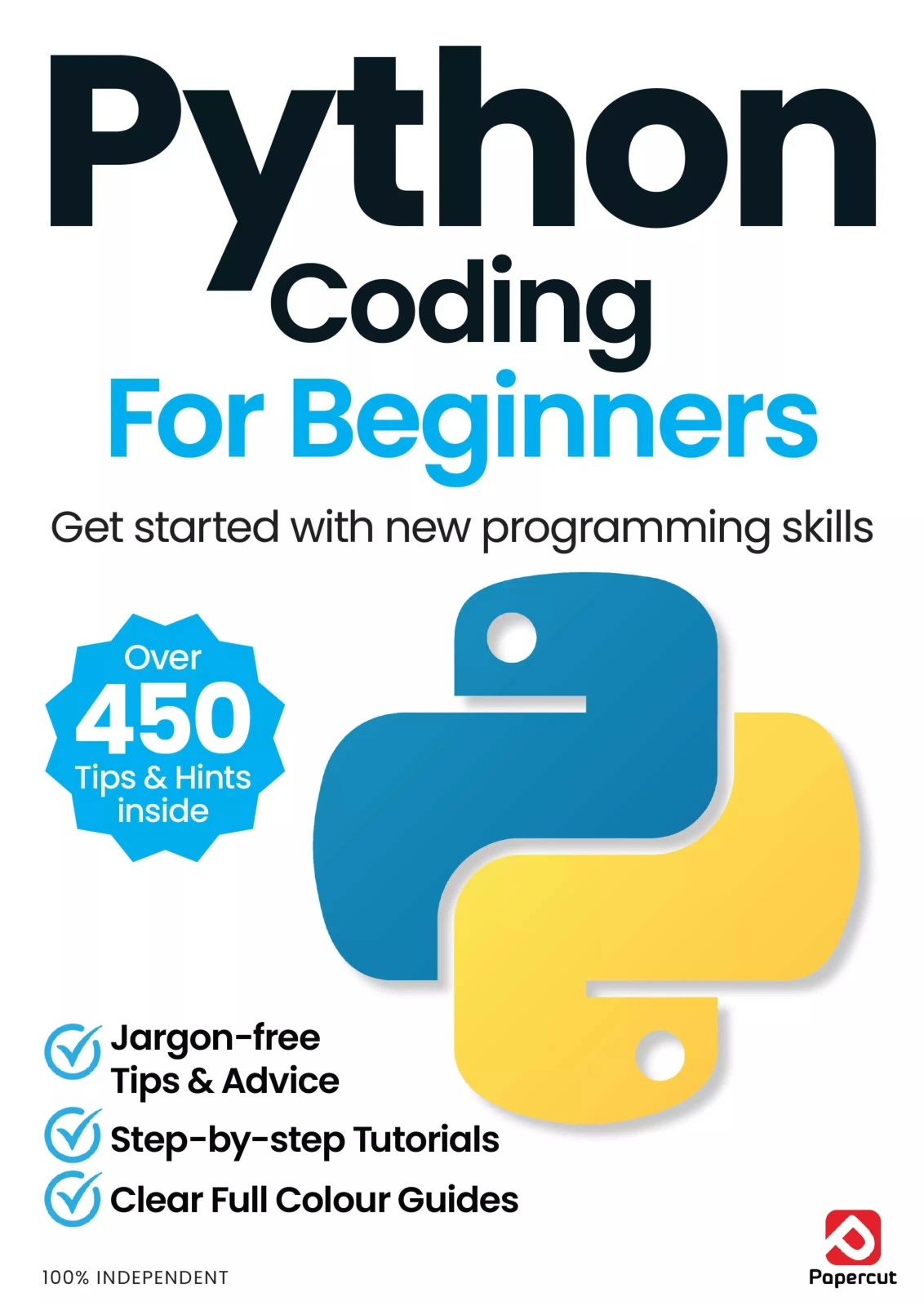
Python Coding for Beginners (19th Edition)
By Papercut
Beginners seeking sequential lessons on setup, core Python concepts, data structures, and introductory projects.
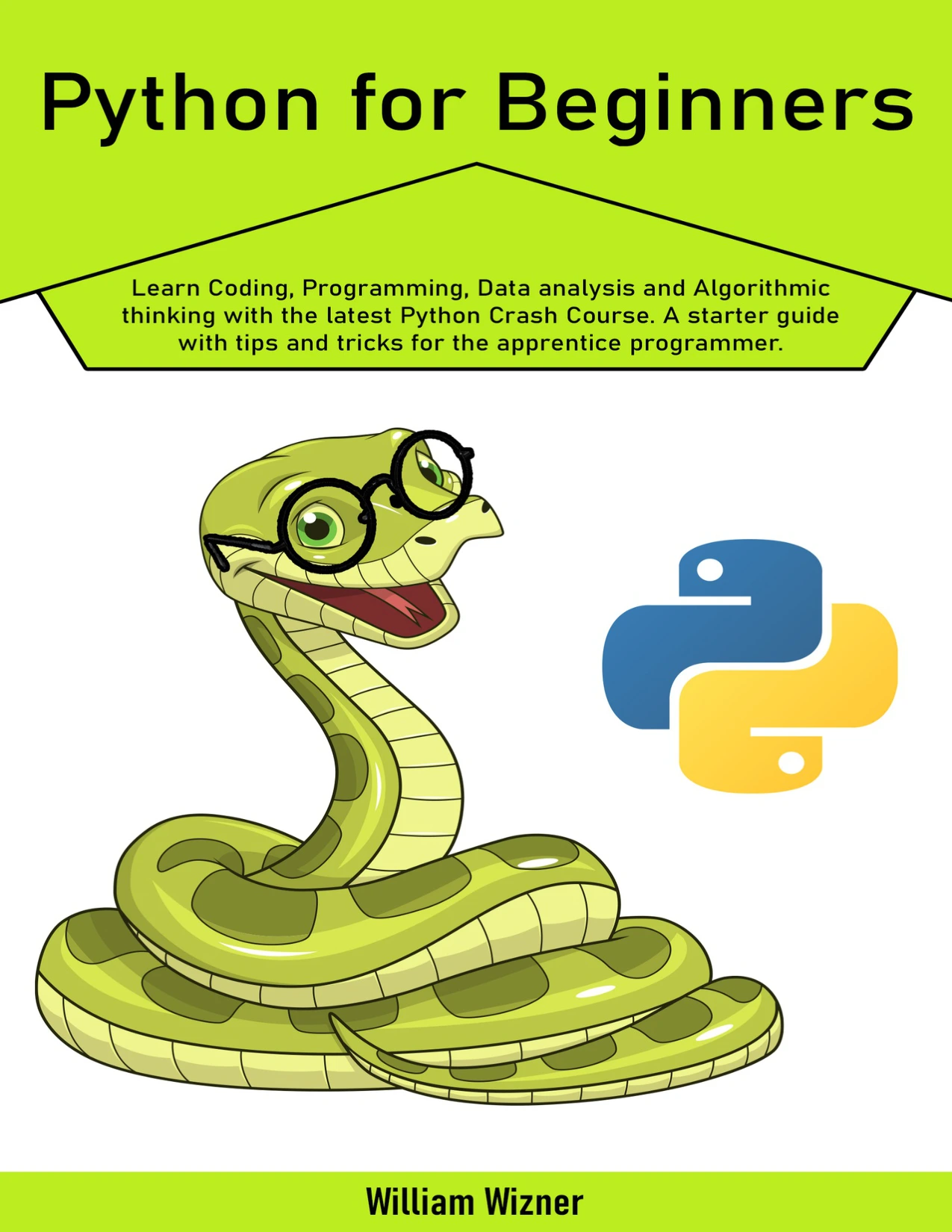
New learners who want a guided start that also introduces data analysis and machine learning.
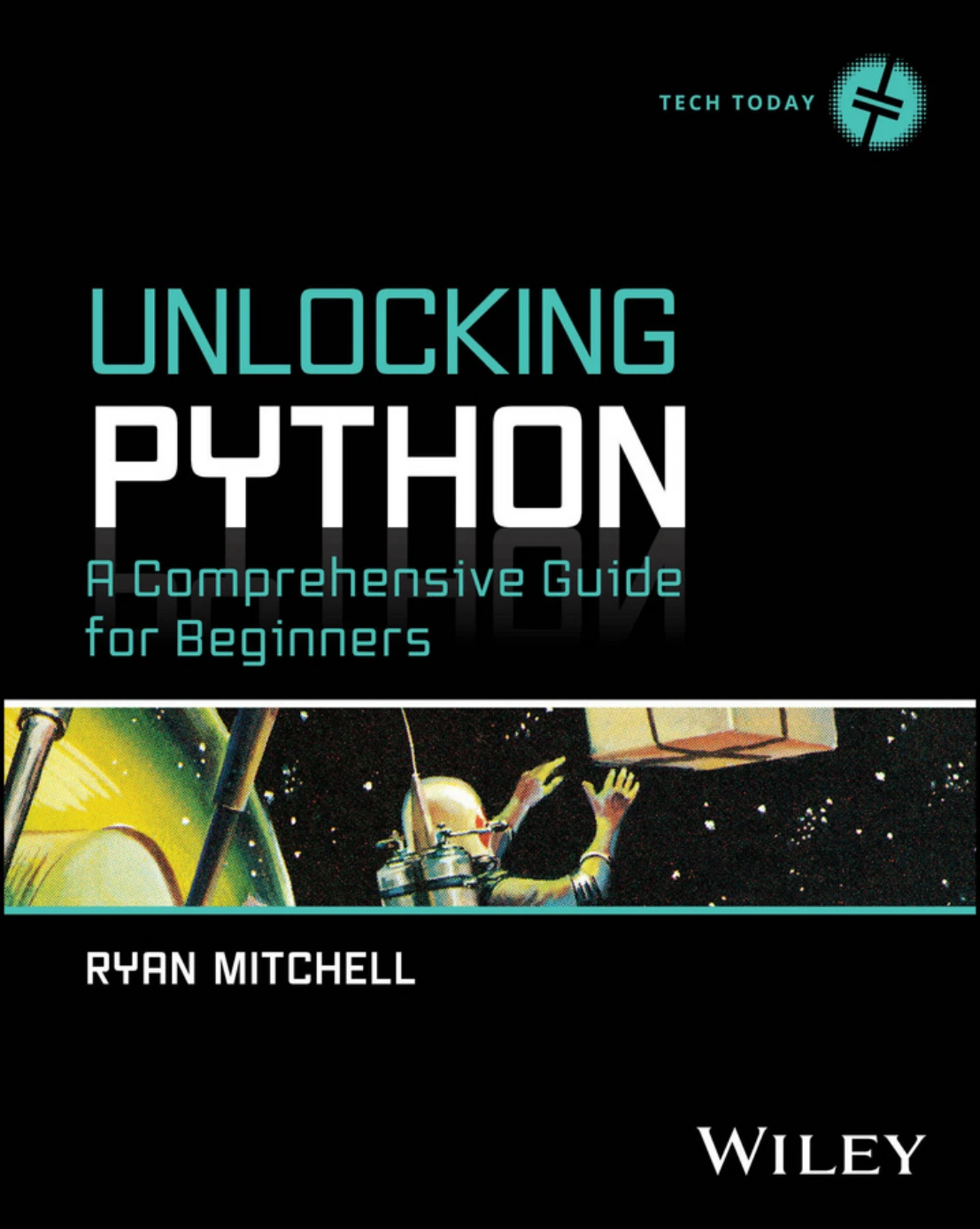
Unlocking Python: A Comprehensive Guide for Beginners
Learners who want to progress from core concepts toward topics including databases, testing, web frameworks, data analysis, and machine learning.
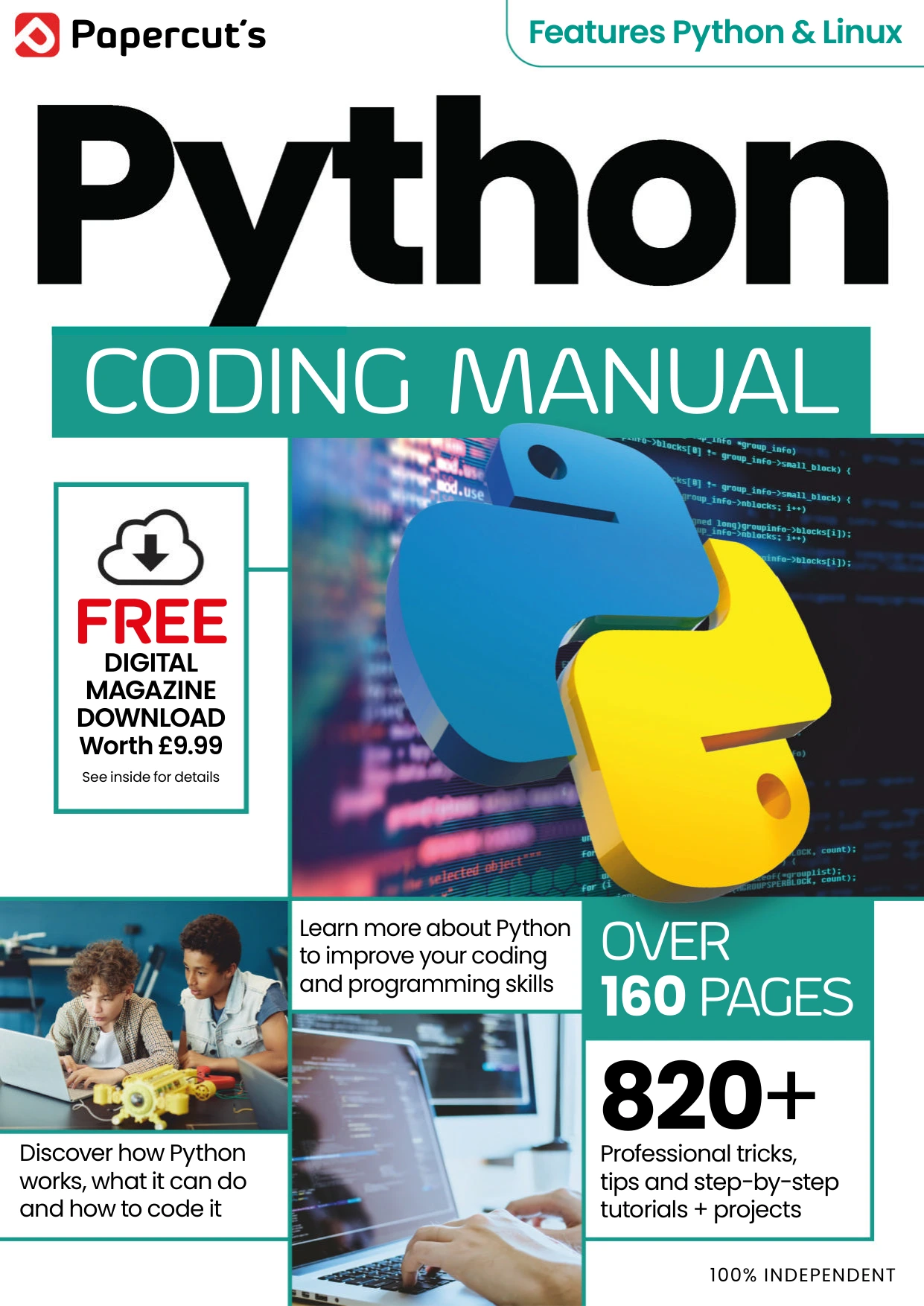
Python & Linux Coding Manual – Issue 7, 2025
Readers who prefer runnable examples and projects and are interested in a Linux context.
If you are completely new to programming
Start with a resource that explains both how to run Python and what basic programming concepts mean. Python Coding for Beginners (19th Edition) is described in the catalog as a step-by-step guide covering setup, first code, variables, functions, conditions, loops, data structures, files, and introductory graphics and projects. Its listed coverage makes it a reasonable option to consider if you want a single, beginner-oriented sequence.
Another structured option is Python for Beginners: Learn Coding, Programming, Data Analysis and Algorithmic Thinking with the Latest Python Crash Course. A Starter Guide with Tips and Tricks for the Apprentice Programmer. The catalog description covers installation and core Python topics, with an introduction to data analysis and machine learning. Consider it if that broader context interests you, while focusing first on the fundamentals.
If you want a wider survey of Python applications
Unlocking Python: A Comprehensive Guide for Beginners starts with fundamentals and then lists topics such as exceptions, modules, file handling, logging, databases, and testing. Its later coverage includes Flask, Django, web scraping, data analysis, and machine learning. That breadth may help learners who want to see possible directions for Python, but a new programmer should work through the early foundations before trying to learn all those areas at once.
If projects help you stay engaged
Python & Linux Coding Manual – Issue 7, 2025 combines introductory Python material with Linux and examples such as a number-guessing game, a password generator, and other small programs, according to its catalog description. It may suit someone who prefers to connect concepts with things they can run and modify. As the title indicates, it also includes Linux material; check that this format and environment match your needs.
Whichever project-based resource you pick, treat sample code as a starting point. Run it, change one feature, and observe what changes. That small experiment turns a listing into practice.
If you already know another programming language
The official Python Tutorial is a primary reference for the language, but its documentation states that it is intended for people who know programming and are new to Python—not for people entirely new to programming. If you have never written code, use a beginner-first guide for your initial learning and refer to the official tutorial when you want to check language details.
A practical learning sequence for Python
Whichever tutorial you choose, follow a clear progression. You do not need to master every Python topic before you can write useful small programs.
- Set up a working environment. Install a current Python release from the official Python downloads page and follow instructions suited to your operating system. Resource-specific setup steps may differ by version, so check the guide’s notes.
- Run simple code. Try short expressions and a small script. Learn how to save a file and run it again so that experimenting becomes routine.
- Learn the core building blocks. Work through variables, strings, numbers, input and output, conditionals, loops, and functions. Write a short example for each idea rather than only reading about it.
- Practise with collections and files. Learn how lists and dictionaries organize information, then explore reading and writing files when your chosen tutorial reaches those topics.
- Get comfortable with errors. When code fails, read the error message, locate the relevant line, and test one correction at a time. Debugging is part of writing programs, not a sign that you should start over.
- Build a small project. Make something limited in scope, such as a number-guessing game, a simple text-based quiz, or a program that organizes information you enter. Add features gradually.
- Choose a next direction. Once the basics feel familiar, decide whether you want to explore automation, data analysis, web development, or another area. Learn the relevant libraries after you have a foundation to build on.
Browse the Python books and resources category if you want to compare more catalog options. Choose one main guide for the sequence above; keep documentation as a reference instead of repeatedly restarting with a different course.
Common beginner mistakes to avoid
- Reading or watching without writing code: Type the examples, run them, and make small changes. Passive familiarity is not the same as being able to write a program.
- Changing resources every few days: Different explanations can help, but constant switching makes it harder to follow a progression. Give one suitable resource time before deciding it does not fit.
- Choosing a tutorial with the wrong prerequisites: The official Python tutorial is not designed as a first programming course. Check the intended audience before you begin.
- Rushing into specializations: Libraries and frameworks are easier to approach when you understand basic variables, functions, loops, and data structures.
- Assuming all setup instructions are current: Check the edition and Python version noted in a resource, then consult the official downloads and documentation if steps differ.
Frequently asked questions
Do I need coding experience to learn Python?
No. You can start without programming experience, but choose a resource that teaches programming fundamentals as well as Python. Some documentation, including the official Python tutorial, expects you to know basic programming already.
Is the official Python tutorial suitable for absolute beginners?
Not as a standalone introduction for someone entirely new to programming. The official tutorial says it is aimed at people who already know programming but are new to Python. Absolute beginners may find a step-by-step introductory book or course a more appropriate first resource.
Should I learn Python through exercises or projects?
Use both if your chosen resource provides them. Short exercises help you practise one concept at a time; small projects show how concepts work together. If a guide has examples rather than exercises, adapt each example by changing its inputs or adding a simple feature.
How can I tell whether a Python tutorial is current?
Check its publication or edition details, the Python version named in its setup instructions, and whether it relies on tools or libraries you intend to use. For current release information, consult the official Python downloads page. Do not assume an older tutorial is unusable, but verify version-specific instructions before following them.
Conclusion: match the tutorial to your starting point
The best Python tutorial for beginners is the one that fits your prior experience and gives you a clear next step. New programmers should begin with a structured introduction to setup and core concepts. Learners who already code can use the official documentation as a language guide, while project-minded readers may prefer material that combines lessons with runnable examples.
Pick one suitable resource, practise by writing and changing code, and build a small project before moving on to a specialization. That approach gives you a more useful start than collecting tutorials without working through them.
Sources and further reading
- The Python Tutorial — Python documentation (prerequisites and intended audience).
- Python Release Python 3.14.8 — Python.org (official release information and download guidance).