Best YouTube Channels for Learning Python: What to Check
The best YouTube channel for learning Python depends on what you need: a structured introduction, a refresher on core syntax, or help with a focused topic such as building graphical interfaces. The available sources do not establish a definitive ranking, but they do identify two useful leads to investigate: Sentdex and Alan D Moore Codes.
Rather than choosing by popularity alone, inspect the playlist. Check what it teaches, which Python version its examples use, and whether you can practise along. This guide explains how to make that assessment, what is known about the two channels, and how to turn video lessons into working Python skills.
How to Evaluate a Python YouTube Channel
A channel can have useful videos without offering a complete course. Before committing to a series, compare its lesson sequence with the topics you want to learn and look for practical ways to work through the material yourself.
Check for a progression beyond introductory syntax
The official Python tutorial covers a useful range of topics for assessing a learning playlist, including expressions and data types, control flow, functions, modules, exceptions, classes, and virtual environments. A playlist need not cover every subject in one course, but its description should make clear whether it is a full introduction or a narrower series. See the official Python tutorial’s topic sequence.
Look for runnable examples and active practice
Watching code being typed can make a lesson feel clear, but it does not show whether you can write or adapt that code yourself. Prefer lessons that give you enough time to follow along, explain what the code does, and provide exercises or a small project to try. The Python tutorial also recommends having an interpreter available so you can experiment as you learn.
Check version details and prerequisites
Look for the Python version used in the videos, particularly in setup instructions or lessons about newer language features. Check whether the instructor expects prior programming knowledge, too. If this information is missing, try a short lesson and run its example before working through a long playlist.
Python YouTube Channels to Investigate
These are leads supported by the available references, not a ranked list or a claim that either channel provides a current, complete beginner course. Check the channels’ present-day playlists and lesson details before choosing one.
| Channel | What the available source supports | What to verify |
|---|---|---|
| Sentdex | A Pearson-produced computer-science resource guide lists Sentdex among video-tutorial resources. | Whether the current playlist suits your experience level, covers the topics you need, and has runnable practice. |
| Alan D Moore Codes | Packt identifies Python, PyQt, and Tkinter content associated with the channel. | Whether a particular series matches your GUI-development goal and provides the prerequisites and Python version it uses. |
Sentdex: a lead for Python video tutorials
A Pearson resource guide includes Sentdex in a list of video-tutorial resources. That makes it a channel worth checking, but the reference does not evaluate its current videos or confirm that they form a beginner-friendly, start-to-finish course. View the Pearson resource guide, then review the channel’s current playlists for coverage, sequencing, and practice opportunities.
Alan D Moore Codes: a possible lead for GUI topics
Packt identifies Alan D Moore Codes with Python, PyQt, and Tkinter content. That may be relevant if you are specifically exploring graphical user interfaces, but the source does not establish the channel as a complete beginner course. Check the relevant series’ starting point and prerequisites before following along. Read Packt’s channel reference.
Choose a Channel for Your Learning Goal
- If you are new to programming: Find a playlist that introduces basic data types, conditions, loops, and functions in a clear order. Check that it explains setup and does not assume knowledge you lack.
- If you know another language: Look for lessons that explain Python’s own syntax and conventions, then move quickly into practical scripts and exercises.
- If you want to build a GUI: Investigate topic-specific PyQt or Tkinter tutorials, including the Alan D Moore Codes lead. Make sure you have the Python fundamentals the series expects.
- If you are learning for a specific project: Search for a playlist that covers the tools and concepts your project actually needs. A focused tutorial can be useful, but it may not teach general programming foundations.
Before settling on a course, sample its first lesson and a later one. The first can reveal its intended audience; a later lesson can show whether the series builds steadily or leaves important steps unexplained. Check recent uploads or updates as well, especially when you depend on installation instructions.
Turn Video Lessons into Active Python Practice
Use videos as a guide, not as a substitute for writing code. A simple routine can help you move from recognizing a concept to using it:
- Watch a short section. Identify one idea, such as a loop or a function, rather than trying to absorb a whole course at once.
- Pause and reproduce the example. Type it into an interpreter or editor and run it yourself.
- Change something. Try a different input, adjust a condition, or add an extra case. Observe what changes.
- Write a small variation from memory. This helps reveal which parts you understand and which need another explanation.
- Keep a brief error log. Record the error message, what caused it, and how you fixed it.
For a learning checklist, compare the playlist with the official Python tutorial. Its progression through data types, control flow, functions, modules, exceptions, and classes can help you notice gaps in a video course. You do not have to learn every topic immediately; use the list to make the playlist’s scope clear.
If you prefer a written companion alongside videos, Digital Delights lists Python for Beginners by William Wizner. The catalog describes it as covering setup, Python fundamentals, control flow, and an introduction to data analysis and machine learning. A book can provide another reference point, but it does not verify the quality or completeness of a YouTube playlist.
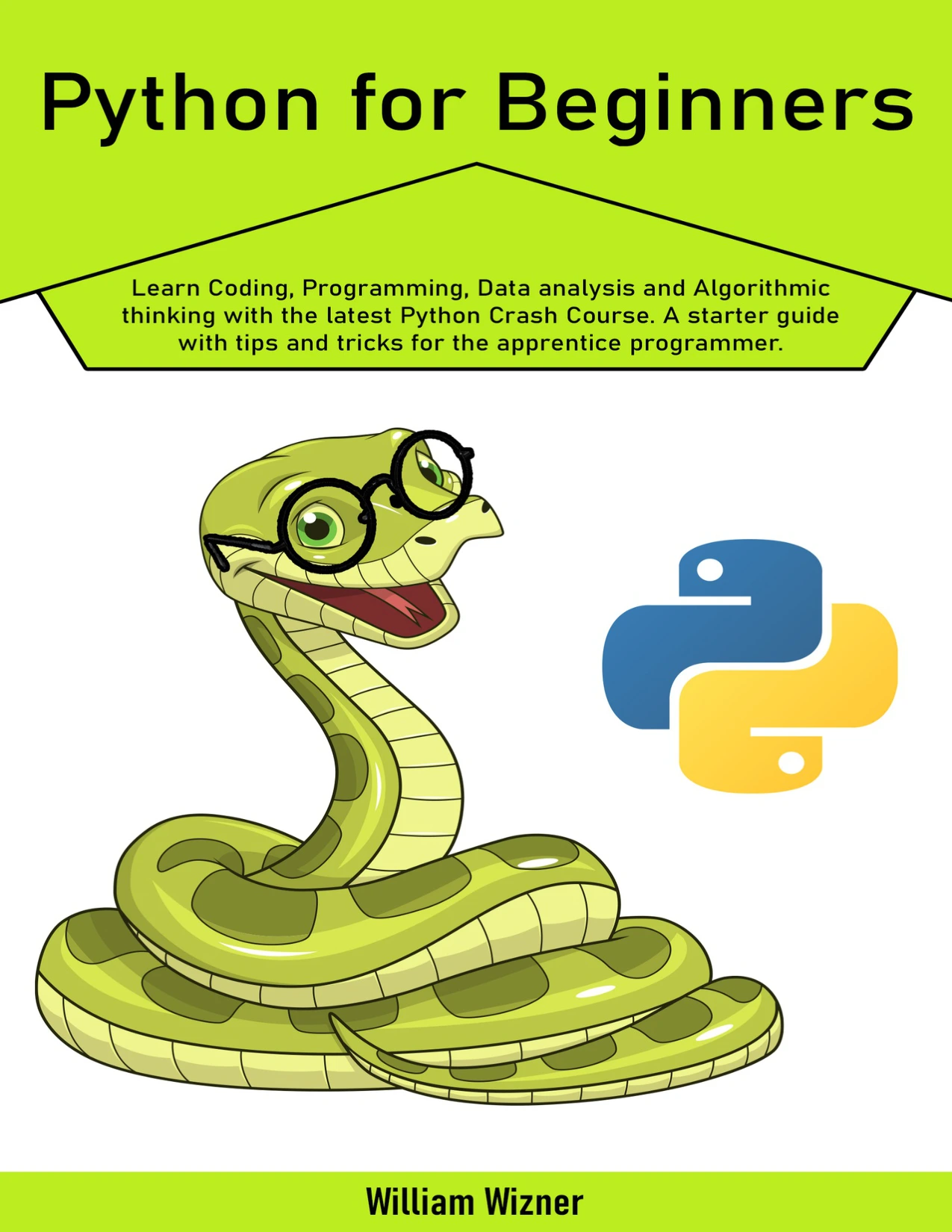
Beginners who want an additional reference on setup, core Python topics, and introductory data analysis.
Common Mistakes When Learning Python from Videos
- Watching without coding: Seeing an example is not the same as being able to create or adapt it. Pause regularly and run the code.
- Following setup instructions without checking versions: Installation steps and examples may depend on the Python version. Confirm the version before troubleshooting a mismatch.
- Treating a specialist series as a full course: GUI tutorials, for example, may focus on their framework rather than teaching programming from the beginning.
- Jumping among too many playlists: Repeatedly restarting can leave you with scattered exposure. Choose one course that fits your goal, then use other videos to clarify specific questions.
- Expecting every channel to suit every learner: Teaching pace, assumed knowledge, and topic focus vary. Test a few lessons and choose the format that helps you practise consistently.
Frequently Asked Questions
Which YouTube channel is best for learning Python?
The available references do not support a definitive ranking. Sentdex is listed as a video-tutorial resource by Pearson, while Packt identifies Python, PyQt, and Tkinter content associated with Alan D Moore Codes. Treat both as leads and check their current playlists against your needs.
Can I learn Python from YouTube alone?
You can use YouTube lessons as a learning resource, but make sure you are writing and running code yourself. Use a topic checklist, practise beyond the demonstrated examples, and consult documentation when you need clarification.
How can I tell whether a Python playlist is suitable for beginners?
Check its stated prerequisites and see whether early lessons explain setup, data types, conditions, loops, and functions. Try an introductory video and run its examples before committing to the full playlist.
Should I choose a full Python course or a topic-specific playlist?
Choose a full course if you need a structured foundation. Choose a topic-specific series when you already have the prerequisites and want to work on a focused area, such as GUI programming. Confirm the scope so you do not mistake a specialist series for a complete introduction.
Conclusion: Choose for Coverage and Practice
There is no evidence here to name one universally best YouTube channel for learning Python. Sentdex and Alan D Moore Codes are reasonable leads to investigate for different purposes, but their current playlist coverage and suitability need checking. Compare the lessons with a clear topic checklist, confirm the version and prerequisites, and make sure you can practise the code yourself. The best fit is the resource that supports your goal and gets you actively programming.