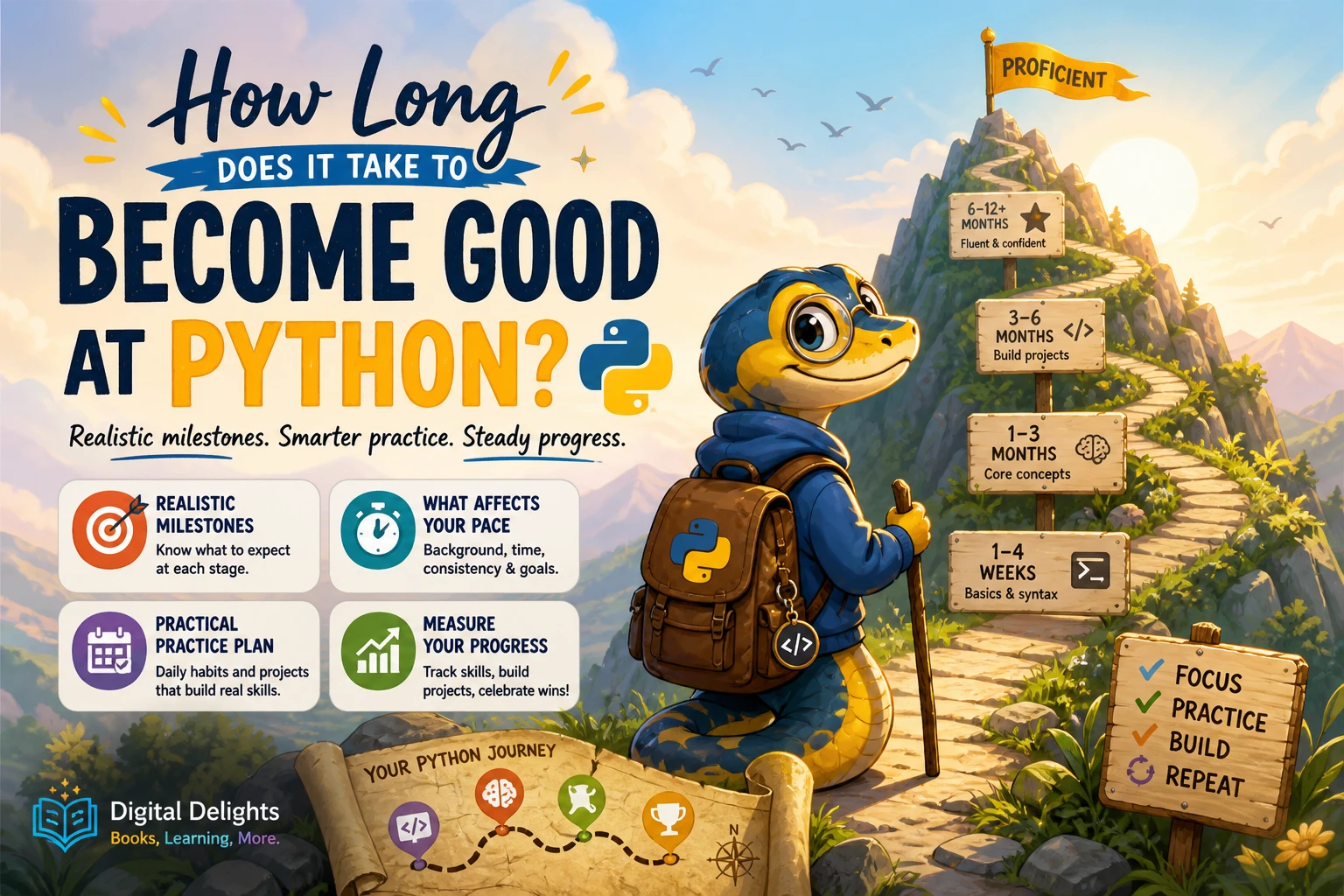

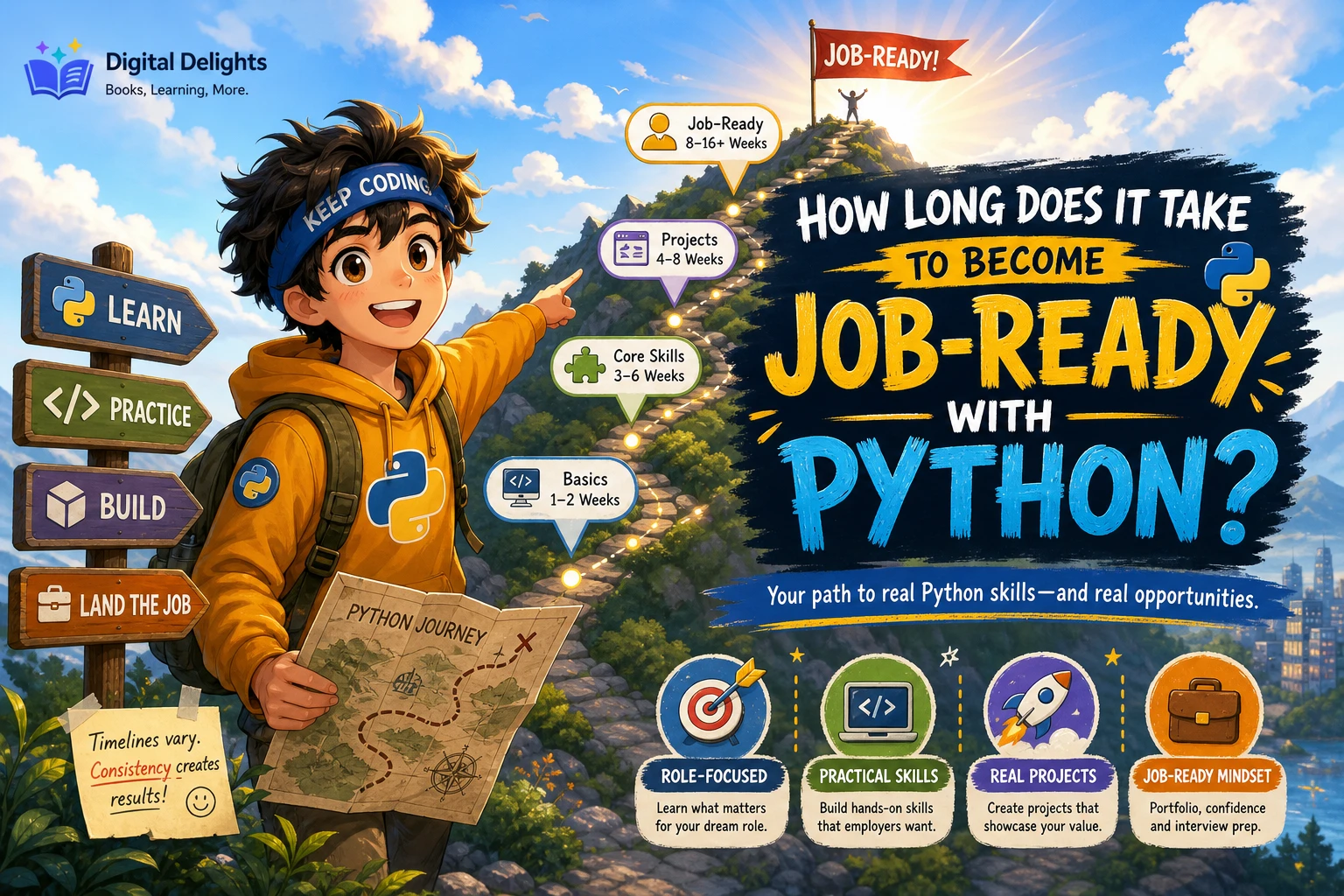
If you are learning Python to apply for work, the honest answer is that there is no reliable universal timeline. Your starting point, available study time, target role and the kind of projects you build all affect how quickly you progress. The sources reviewed for this article do not establish a number of weeks or months that guarantees job readiness.
A more useful measure is what you can do: build and explain a small project relevant to the work you want, track down and fix problems, and set up the project so someone else can run it. Use those milestones to plan your learning rather than treating course completion as proof that you are ready for a job.
What does “job-ready with Python” mean?
“Job-ready” is not one universal checklist. A person applying for automation work may need to demonstrate different skills from someone applying for a data or web-development role. Employers and job descriptions also differ, so compare your skills with the requirements of the specific positions you want.
As a practical self-assessment—not a formal hiring standard—look for evidence that you can:
- Write a program that solves a clearly defined problem, not just reproduce a tutorial.
- Use core Python concepts such as variables, collections, conditions, loops and functions appropriately.
- Read error messages, investigate unexpected behavior and make deliberate fixes.
- Organize code into understandable files or modules and explain your choices.
- Install and manage the packages your project needs, and provide clear setup instructions.
- Describe what your project does, what you learned and what you would improve next.
The official Python tutorial is useful for learning language fundamentals, but it explicitly assumes that readers already have some general programming understanding. If you are completely new to coding, you may need to learn broader programming ideas alongside Python syntax.
A practical roadmap from Python basics to applications
Follow a sequence that moves from understanding code to making and explaining something useful. Adjust the depth of each stage to the roles you are targeting.
1. Learn programming fundamentals and Python syntax
Start with values, variables, expressions, strings, numbers, conditions, loops and basic input and output. Write short programs yourself. For example, make a command-line tool that asks for information, checks it and returns a useful result. The aim is to understand why the code works, not just to recognize familiar syntax.
2. Practise the building blocks used in real programs
Move on to lists, dictionaries, functions, files, exceptions and modules. Practise breaking a larger task into smaller steps and giving functions clear responsibilities. When something fails, read the traceback and test a specific explanation for the problem rather than changing several things at once.
Python’s official tutorial covers topics including errors, files, modules and classes. Its stated programming prerequisite is worth noting if you are choosing your first learning resource.
3. Learn the tools around the language
Python syntax is only part of working on a project. Practise using Git to track changes, a code editor to navigate files, and a project environment to keep dependencies organized. Python’s venv documentation explains how to create virtual environments with their own package sets, which can help keep project dependencies separate.
Do not try to master every tool before building anything. Learn enough to use the tools as your projects need them, and keep setup instructions so you can repeat the process.
4. Choose a direction and build small projects
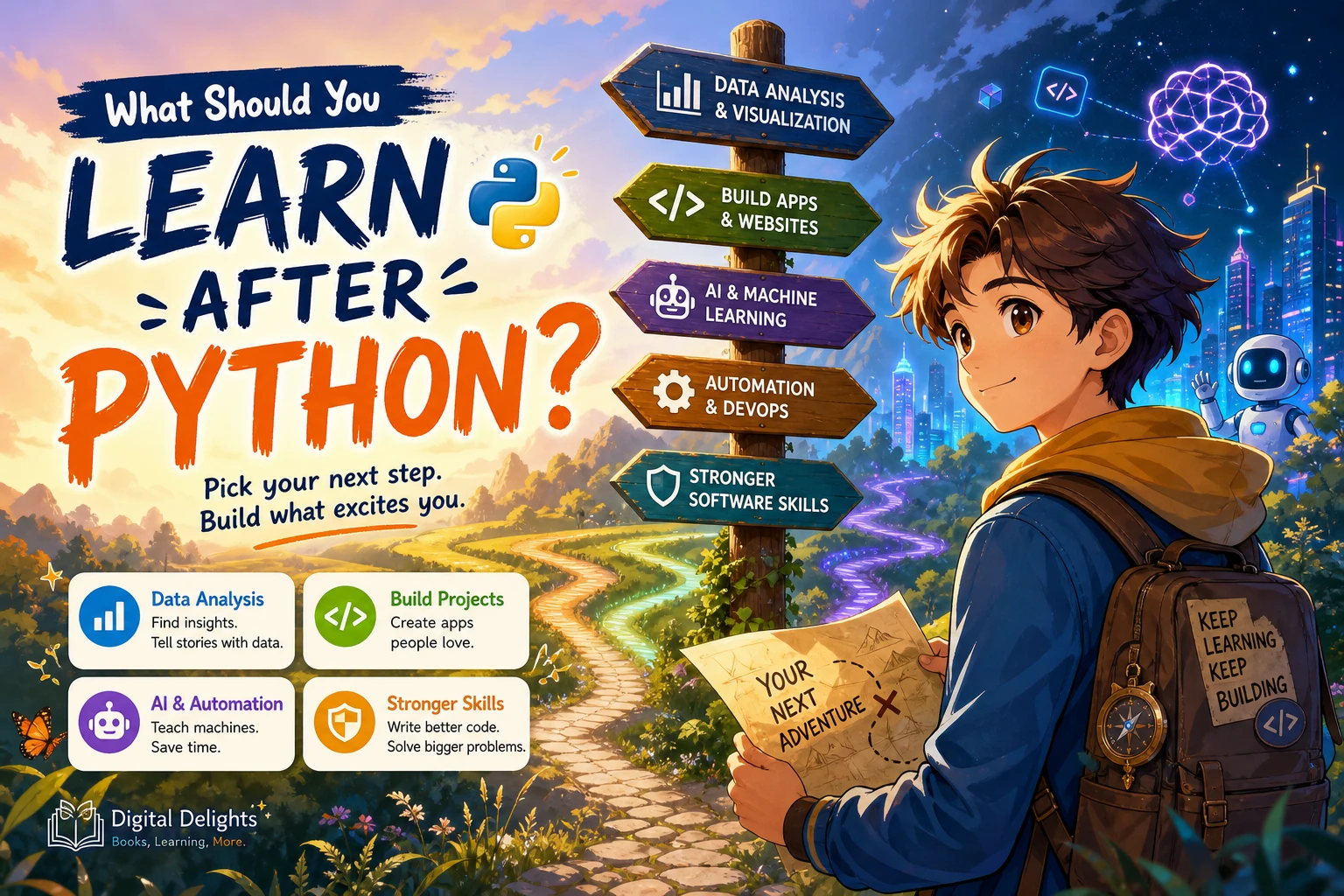
Pick a likely job path for now. You can change direction later, but focusing on one path makes it easier to choose projects and identify the skills to learn next.
- Automation: create a script that handles a repetitive task, validates inputs and reports errors clearly.
- Data work: explore a dataset, document how you cleaned it, and present a clear analysis or visualization.
- Web development: build a small application with a defined purpose, a simple interface and instructions for running it.
These are project ideas, not guarantees of what employers require. Check relevant job descriptions for the tools and responsibilities that recur in the roles you are considering.
5. Polish one project and practise explaining it
A finished, understandable project is more informative than a folder of incomplete exercises. Include a concise description, setup steps, example input and output, and known limitations. Be ready to explain the problem you chose, how the code is organized, a difficulty you encountered and how you addressed it.
Then compare your project and skills with job postings. Note recurring requirements you have not practised, and use those gaps to plan your next learning steps. Begin applying when you can discuss relevant evidence honestly; you do not have to wait until you feel that you know everything.
How to estimate your own learning timeline
Instead of relying on a promised number of months, make an estimate from your current skills, realistic weekly study time and the work your target role involves. The estimate is a planning tool, not a prediction of when an employer will hire you.
- Record your starting point. Have you programmed in another language? Can you already use a terminal, Git or an editor? Familiarity with these ideas may reduce the amount of new ground you need to cover.
- Choose a target role. Select a handful of relevant job descriptions and note the Python tasks, tools and related skills they ask for. Requirements vary, so treat this as a guide to your target rather than a universal checklist.
- Decide how much time you can sustain. Set a realistic weekly study pattern that includes writing code, debugging and revisiting difficult concepts. Passive reading alone can make progress look larger than it is.
- Break the goal into observable milestones. For instance: write a small program without copying a tutorial, use functions and files, manage a project’s dependencies, and complete a role-relevant project.
- Review progress with a working project. If you can build, run, explain and make a change to your project, move to the next skill gap. If you cannot, identify the specific difficulty and practise it before adding more topics.
Someone with previous coding experience may find the language concepts familiar, while a first-time programmer has more general problem-solving and tooling ideas to learn as well. Neither starting point determines an exact finish date. Consistent practice and a clear target make your estimate more useful, but they cannot guarantee a hiring outcome.
Portfolio projects that show how you work
A portfolio project should make your decisions visible. It does not need to be large; it should be complete enough that another person can understand its purpose and run it.
- For automation: demonstrate a repeatable task with input checks, useful output and a note about errors or edge cases.
- For data work: explain the question, data preparation, analysis and limitations. Make clear which conclusions the project can and cannot support.
- For web development: describe the application’s purpose, how to start it, and what a user can do with it. Include enough information to make setup understandable.
For each project, document its purpose, setup, dependencies, key decisions and limitations. A clear explanation helps show your reasoning; it does not substitute for being able to answer questions about the code.
Why Python learning progress often stalls
- Watching without building: tutorials can introduce concepts, but you also need practice making decisions without following every step.
- Changing paths constantly: jumping among automation, data science, web development and machine learning can leave you with scattered basics. Choose one direction for a project cycle, then reassess.
- Avoiding errors: debugging is part of programming. Practise reading error messages and isolating the cause rather than restarting from scratch.
- Starting with an oversized project: split an ambitious idea into a small first version and add features only after the core works.
- Counting lessons instead of evidence: finishing a course tells you what material you reached, not whether you can use it independently. Test yourself with a project and explain the result.
Python learning resources for different starting points
A structured book can help you work through concepts in order, but no resource can establish when you will be job-ready. Choose a format that matches the gap you are addressing, then pair reading with coding practice.
- For a first introduction, Python for the Greenhorns Book-1 covers beginner-oriented setup, Thonny, variables, constants and exercises. It may suit readers who want a gentle first step into coding.
- For a broader overview of fundamentals, Python Coding & Programming: The Complete Manual covers topics including functions, conditions, loops, collections, files and error handling. It may help learners looking for a wider reference as they practise.
- For independent-learning habits and career preparation beyond one language, The Self-Taught Developer: Tips and Tricks for Anyone to Learn Programming discusses learning sources, tools, debugging, code structure and career topics. It is a supplementary career and learning guide, not a Python course.
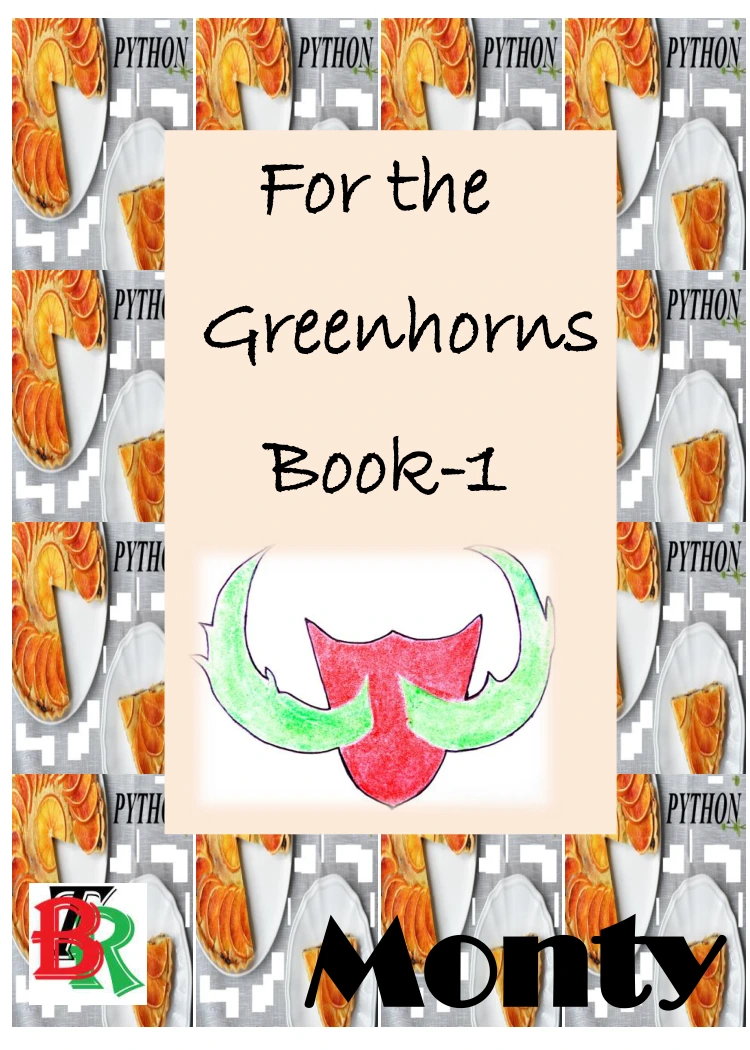
Python for the Greenhorns Book-1
By Monty
Readers seeking an introductory resource covering Thonny, variables, constants and exercises.
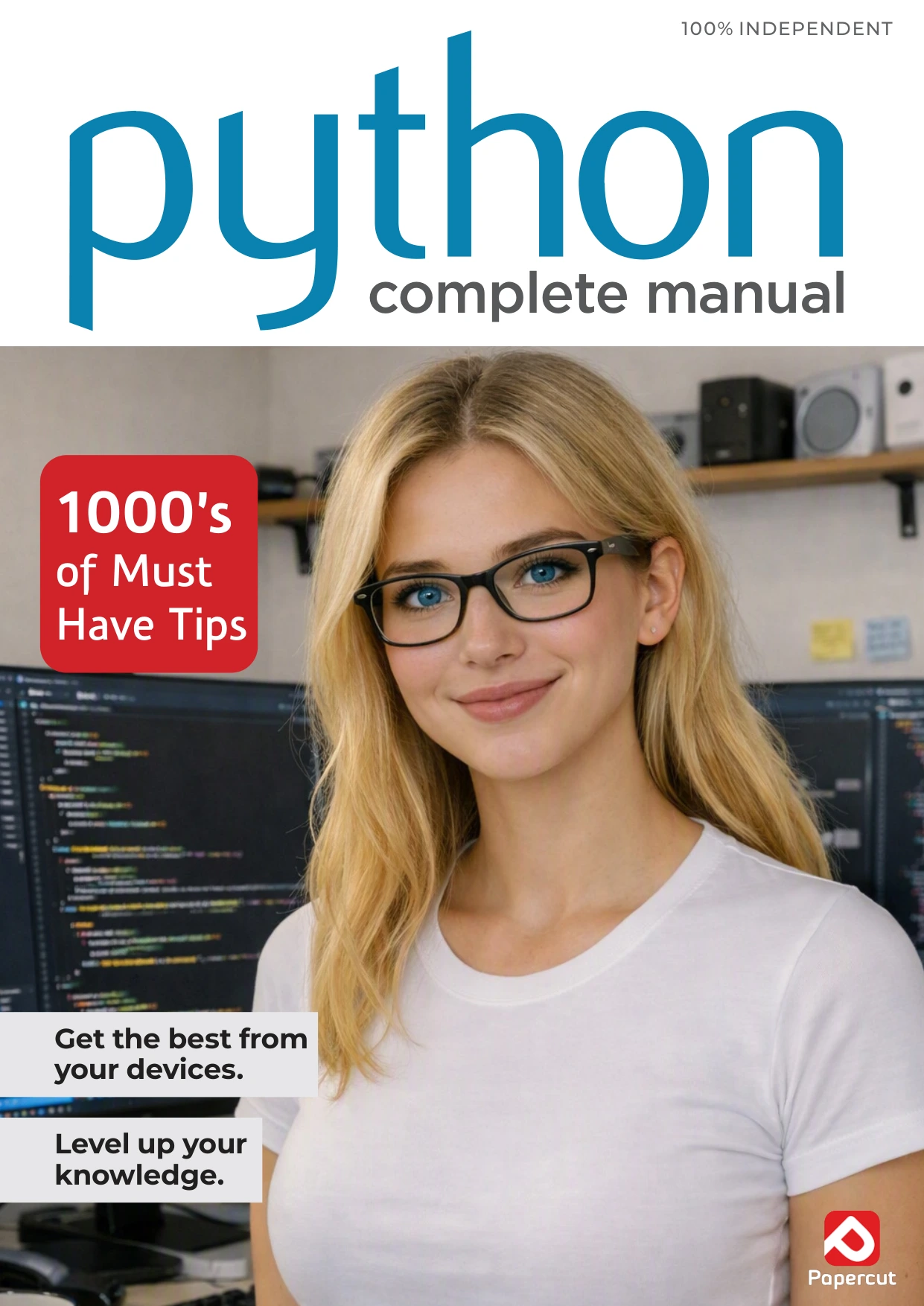
Python Coding & Programming: The Complete Manual
Learners wanting coverage of functions, loops, collections, files and error handling.
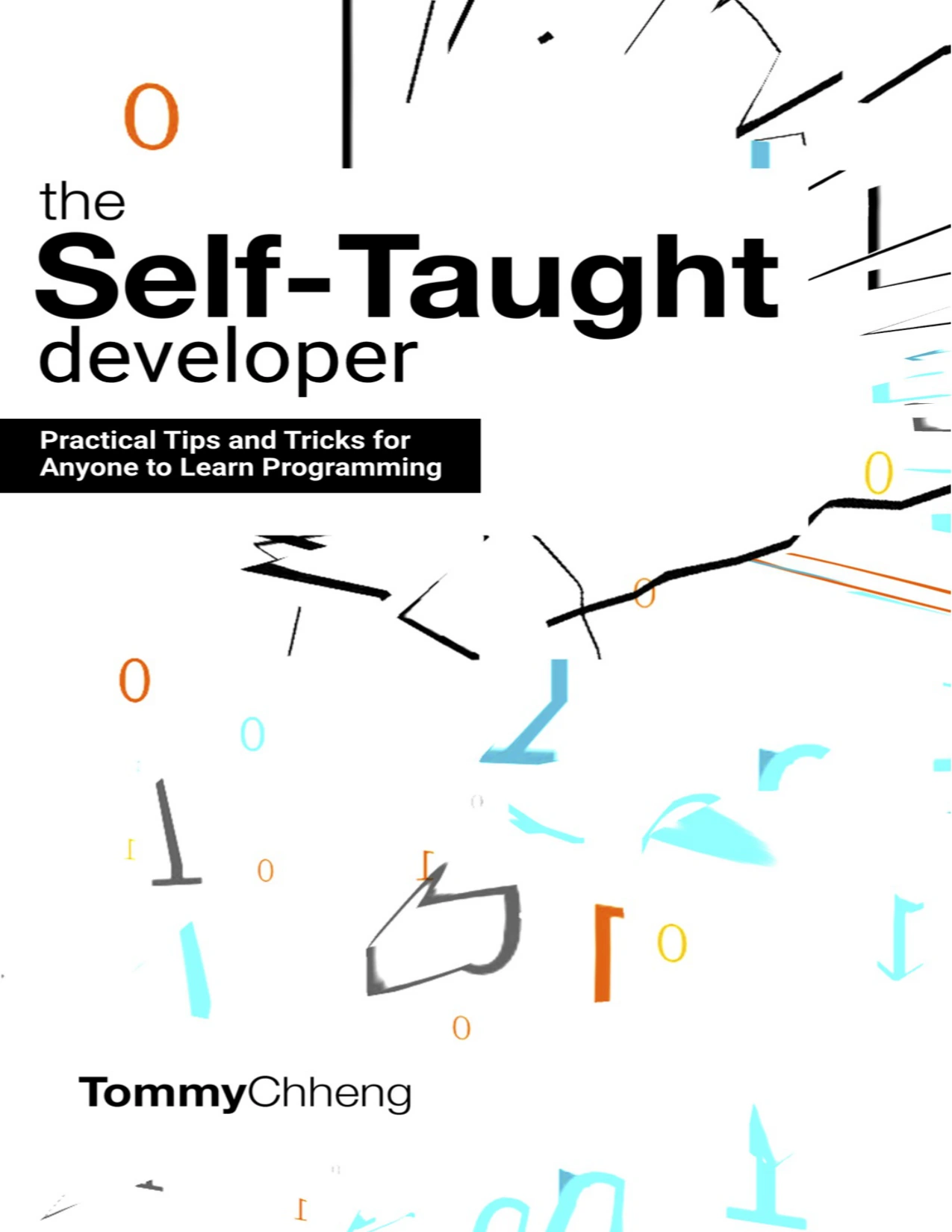
The Self-Taught Developer: Tips and Tricks for Anyone to Learn Programming
By Tommy Chheng
Self-directed learners interested in learning strategies, debugging, tools and career topics beyond Python.
You can also browse the Python book collection for other learning resources. Whichever route you choose, keep building projects and checking your progress against the work you want to do.
Frequently asked questions
Can I get a Python job with no experience?
It is possible to apply without previous professional experience, but a job is never guaranteed by learning Python alone. Build evidence of what you can do through relevant projects, practise explaining your decisions and compare your skills with the requirements in actual job postings. Be clear about the limits of your experience.
Do I need a computer science degree to get a Python job?
Requirements differ by employer and role, so there is no single answer for every Python job. Review job postings in your target area to see whether a degree is required, preferred or not mentioned. Whatever your educational route, practical skills and the ability to explain your work remain useful preparation.
Is finishing a Python course enough to apply for jobs?
Not by itself. A course can help you learn material, but course completion does not show whether you can apply it independently. Try building and documenting a small project, debugging it and explaining how it works. Compare that evidence with the roles you intend to pursue.
Which Python job path should I choose first?
Start with the kind of work that interests you and examine relevant job descriptions. Automation, data-focused work and web development can involve different tools and responsibilities. Choose one direction for your first project, learn the skills it calls for, and reassess after you have made something concrete.
Sources and further reading
- The Python Tutorial — Python documentation. Its introduction describes the programming background it assumes and the subjects it covers.
venv— Python documentation. Guidance on creating virtual environments.
Conclusion: measure readiness by what you can do
There is no evidence-based universal number of weeks or months for becoming job-ready with Python. Your best estimate comes from your starting point, the time you can practise, the role you choose and the skills its work calls for.
Learn the fundamentals, practise debugging and project tools, then build and explain a small project relevant to your chosen path. Use that work—not a calendar or a completed course—as a practical way to see what you can do and what to learn next.