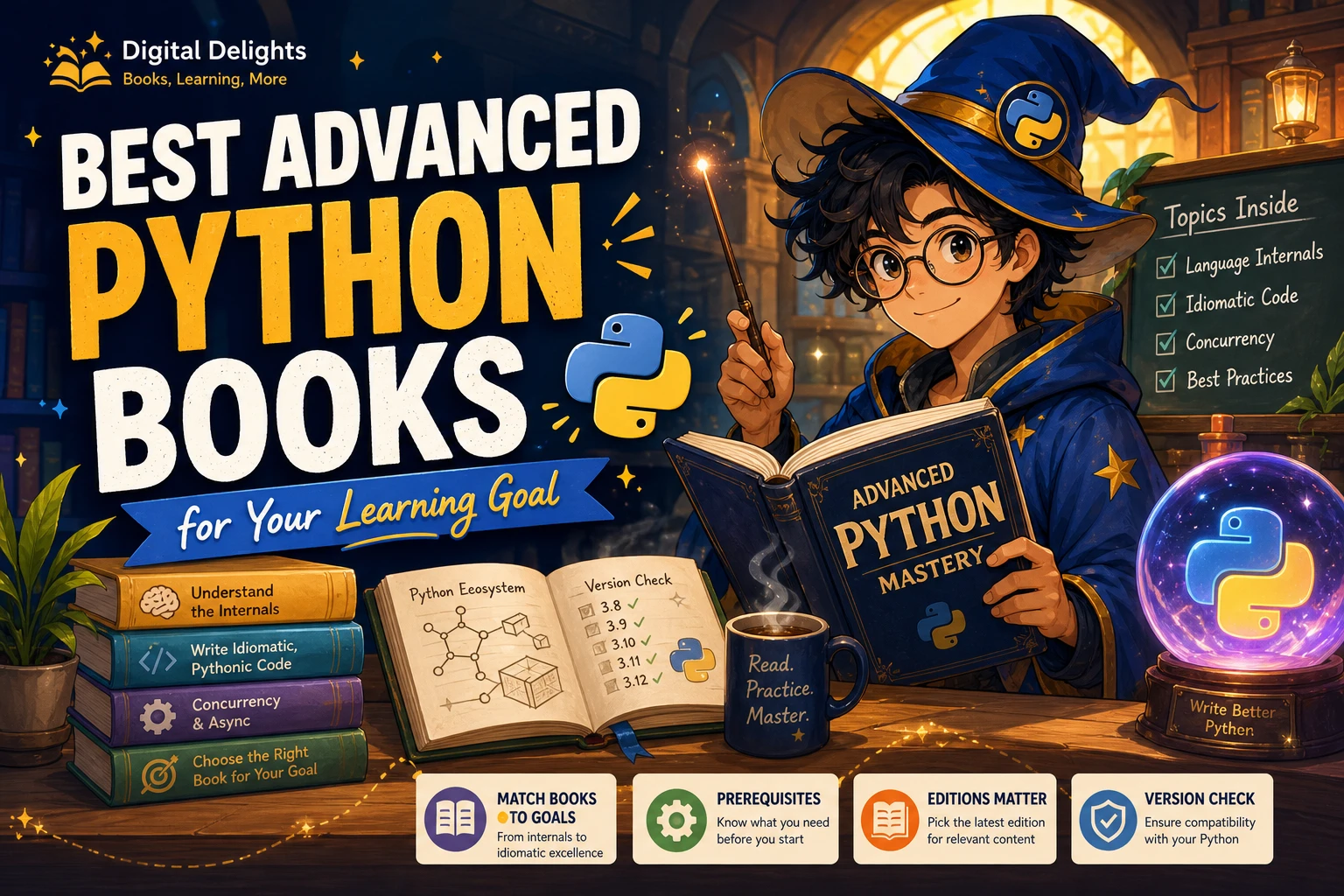
Best Advanced Python Books for Your Learning Goal
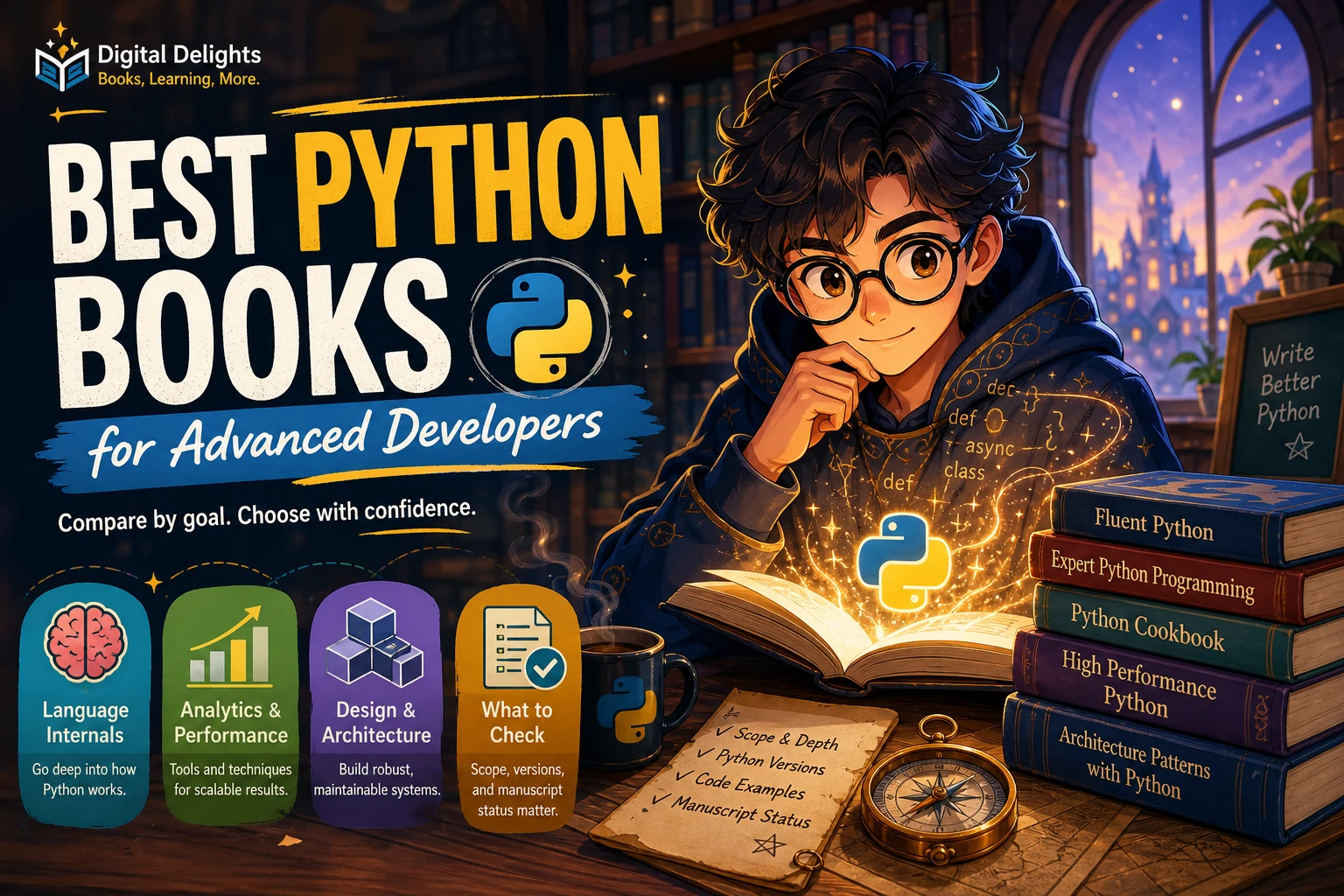
The best advanced Python book depends on what you want to improve: understanding the language more deeply, writing clearer code, exploring its internals, or studying a specialized area. There is no evidence-based single winner for every reader. A useful shortlist matches a book’s stated scope to your goals and checks whether its examples suit the Python version you use.
If you already write functions and classes, use Python’s built-in collections, handle exceptions, and debug ordinary programs, you may be ready to move beyond a general introduction. This guide compares books by purpose, including catalog titles such as Python Distilled, Advanced Python Tips, and The Python Master.
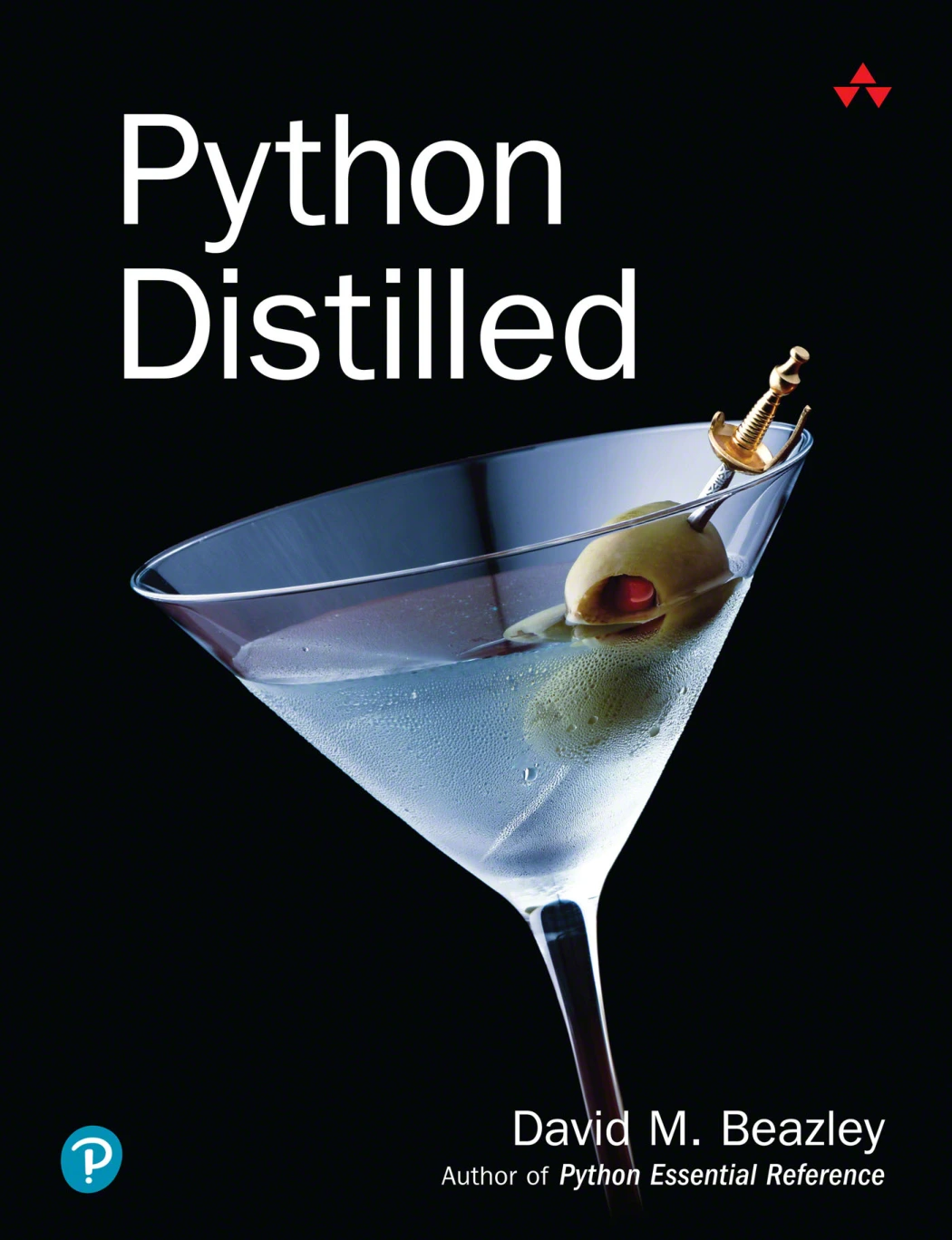
Programmers looking for a focused guide to Python language concepts and features.
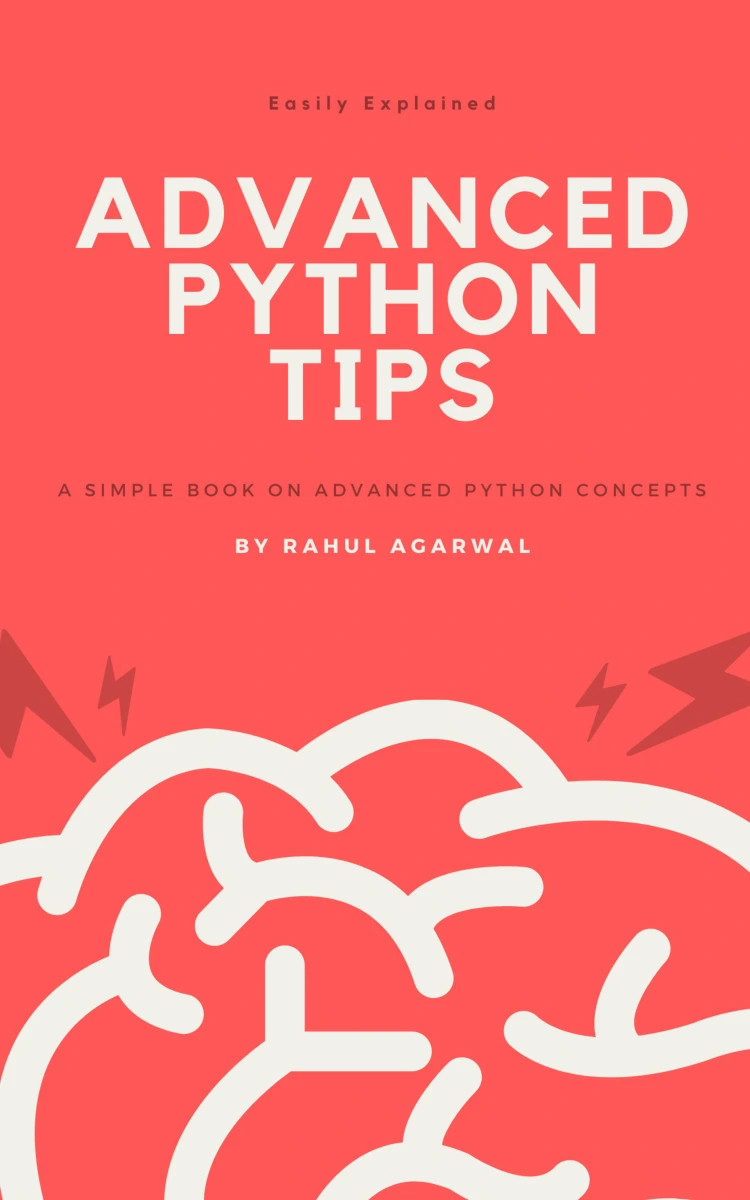
Readers familiar with Python basics who want to review selected idioms and tools.
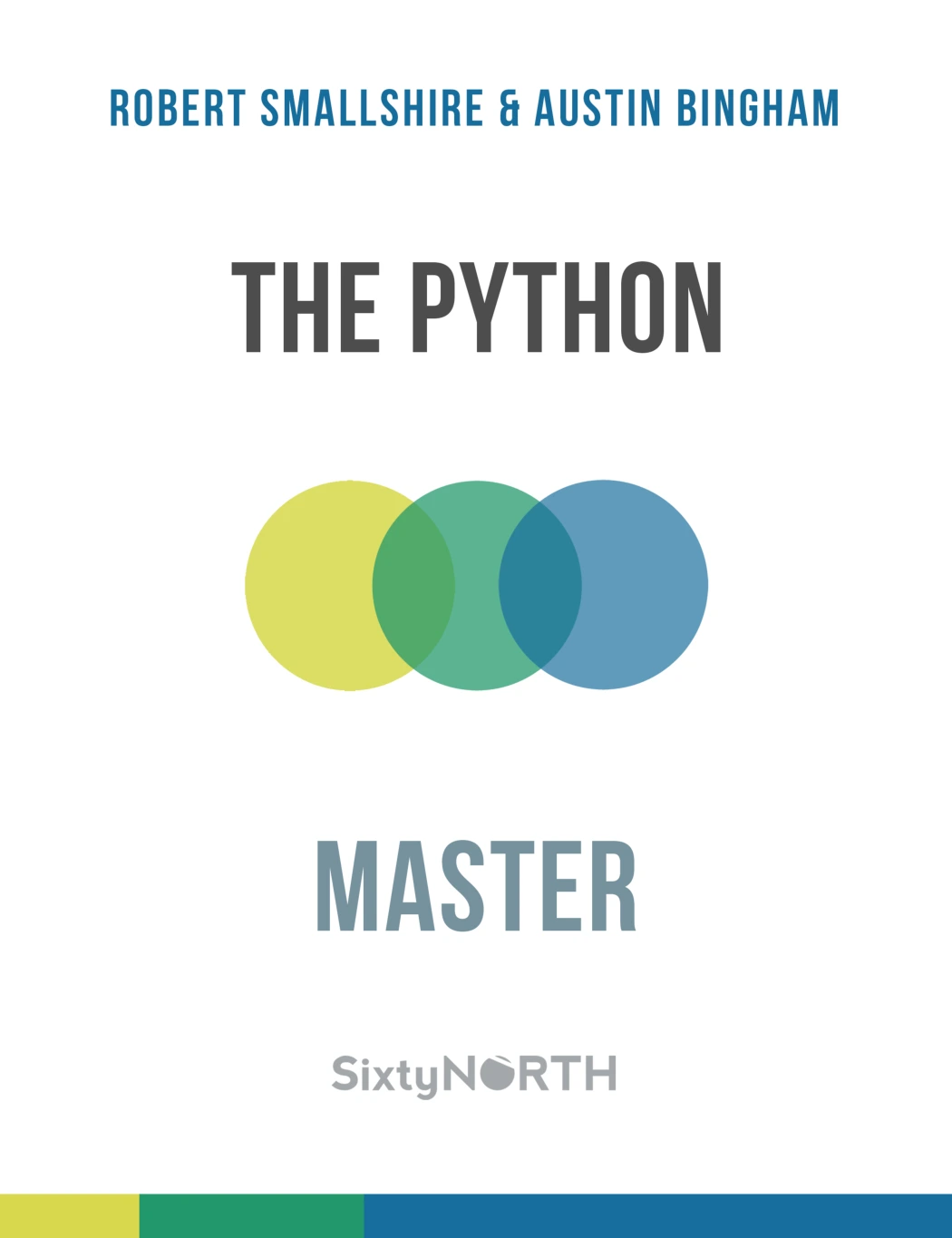
Python programmers ready to study descriptors, metaclasses, object internals, and related concepts.
What counts as advanced Python?
“Advanced” is not a fixed level. It can mean understanding how Python’s object model works, using language features more effectively, or applying Python to a demanding area such as concurrency. A reader ready for advanced material should generally be able to read and modify ordinary Python programs without needing every basic construct explained.
Before choosing a book, check that you can work comfortably with:
- Functions, arguments, modules, and imports
- Classes, objects, and common object-oriented patterns
- Lists, dictionaries, sets, tuples, and other everyday collections
- Exceptions, file operations, and basic debugging
If some of these still feel unfamiliar, a focused advanced text may be frustrating. Strengthen the missing basics first, then return to a book that targets the area you want to develop.
Best advanced Python books by learning goal
The titles below are grouped by purpose, not ranked by a comparative teaching-quality test. Publisher descriptions establish a book’s stated coverage; they do not prove that one title teaches better than another.
For a broad, deeper view of Python: Fluent Python, 2nd edition
O’Reilly describes Fluent Python as an intermediate-to-advanced book covering data structures, the Python data model, functions, object-oriented idioms, generators, asynchronous programming, and metaprogramming. It is a possible match for readers who want to understand how the language’s features fit together, rather than study only one narrow topic. The publisher lists the English second edition as published in April 2022. See the publisher’s book description.
For a concise language guide: Python Distilled
Python Distilled by David M. Beazley focuses on the core language rather than trying to cover every library or framework. Its catalog description includes functions, exceptions, modules, object-oriented programming, generators, decorators, context managers, asynchronous functions, and the object model. This makes it a relevant catalog option for programmers who want a concentrated guide to language concepts and idiomatic usage. The catalog lists a 2022 copyright; check the edition and examples against your current project needs.
For focused advice on better coding habits: Effective Python, 2nd edition
Effective Python is organized as 90 recommendations covering topics that include Python idioms, collaboration, packaging, virtual environments, and typing, according to its O’Reilly listing. Its short, topic-based format may suit readers seeking practical guidance they can consult as questions arise, rather than a continuous tutorial. O’Reilly dates this edition to November 2019. Check the publisher’s edition details.
For quick, practical language tips: Advanced Python Tips
Advanced Python Tips by Rahul Agarwal is a compact, example-led catalog title aimed at readers who already know Python basics. The listed topics include reducing unnecessary loops, using defaultdict and Counter, working with *args and **kwargs, decorators, iterators, generators, and f-strings. Its focused format may be convenient for dipping into individual techniques, but its catalog description presents it as a concise guide, not an exhaustive language reference.
For advanced language mechanics: The Python Master
The Python Master by Robert Smallshire and Austin Bingham addresses advanced features including descriptors, metaclasses, object internals, byte-oriented programming, and class creation. It may suit readers who have already encountered these concepts and want to study them more deliberately. The catalog positions it as the third volume in a Python learning trilogy, so readers unfamiliar with intermediate Python may want to build that foundation first.
For recipe-style topic lookup: Python Cookbook, 3rd edition
Python Cookbook covers recipes involving data structures, generators, input and output, metaprogramming, concurrency, testing, and C extensions. It can be useful as a reference-style resource when you want to investigate a particular problem. There is an important compatibility caveat: O’Reilly says its examples were written and tested with Python 3.3. That makes it especially important to check recipes against a current interpreter before using them in a modern project. Read the publisher’s description and version note.
For concurrency: Python Concurrency with asyncio
If your goal is asynchronous programming rather than general language mastery, Python Concurrency with asyncio by Matthew Fowler is a focused option. Manning describes coverage of asyncio, threads, and processes and identifies intermediate Python familiarity as a prerequisite. Treat it as a specialist book for concurrency, not as a complete survey of advanced Python. Check Manning’s book description.
Quick comparison
| Reader goal | Book to consider | Main emphasis | Point to check |
|---|---|---|---|
| Explore Python’s language features broadly | Fluent Python, 2nd edition | Data model, idioms, generators, async, and metaprogramming | Publisher labels it intermediate to advanced |
| Study core language concepts in a concise guide | Python Distilled | Core language and advanced features | Check edition and examples for your use case |
| Improve everyday coding choices | Effective Python, 2nd edition | 90 focused recommendations | Publisher dates this edition to 2019 |
| Pick up specific practical techniques | Advanced Python Tips | Generators, decorators, iterators, and other concise tips | Compact guide rather than broad reference |
| Understand advanced mechanics | The Python Master | Descriptors, metaclasses, object internals, and bytes | Best approached with an existing Python foundation |
| Look up recipes for particular problems | Python Cookbook, 3rd edition | Practical examples across many topics | Examples are identified as Python 3.3-era |
| Learn asynchronous programming | Python Concurrency with asyncio | asyncio, threads, and processes |
Specialist focus; intermediate Python expected |
How to choose an advanced Python book
Start with the problem you want to solve
Choose a book based on a concrete learning objective. If you want a deeper mental model of Python, look for coverage of the data model and language features. If your code works but feels awkward to read, practical idiom-focused guidance may be more useful. If you need asynchronous tasks in an application, a concurrency-specific book is a better match than a broad language survey.
Choose a format that suits how you learn
A sustained, structured discussion can help when you want to build a connected understanding. Short recommendations and focused chapters are often easier to consult while working. Recipe collections can help you investigate a particular problem, but examples should be tested and adapted rather than copied without context.
Check the edition and Python version
Python changes over time, and examples may rely on features or conventions from a particular release. Check the book’s edition information and compare version-sensitive material with the official Python “What’s New” documentation. That page tracks changes for Python 3.13; consult documentation for the version you actually use rather than treating it as a claim about the newest release.
Consider a focused next step
For readers who want to study Python through a particular area, a specialized text can complement a language book. For example, the catalog’s Competitive Programming in Python focuses on algorithmic problems and implementations, while Modern Statistics: A Computer-Based Approach with Python connects Python with statistical methods. These have different goals from a general advanced-language guide.
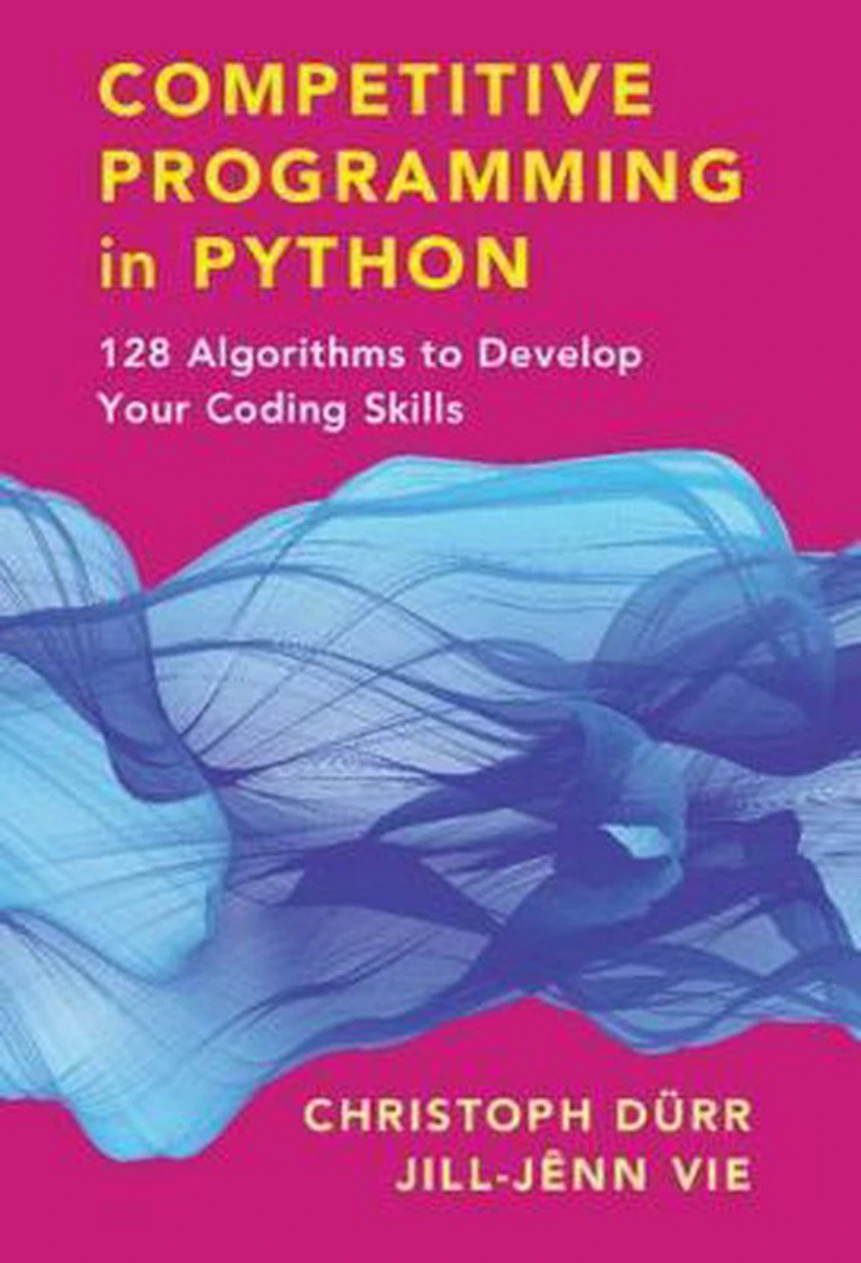
Competitive Programming in Python: 128 Algorithms to Develop Your Coding Skills
Learners wanting Python implementations of algorithms and competitive-programming problems.
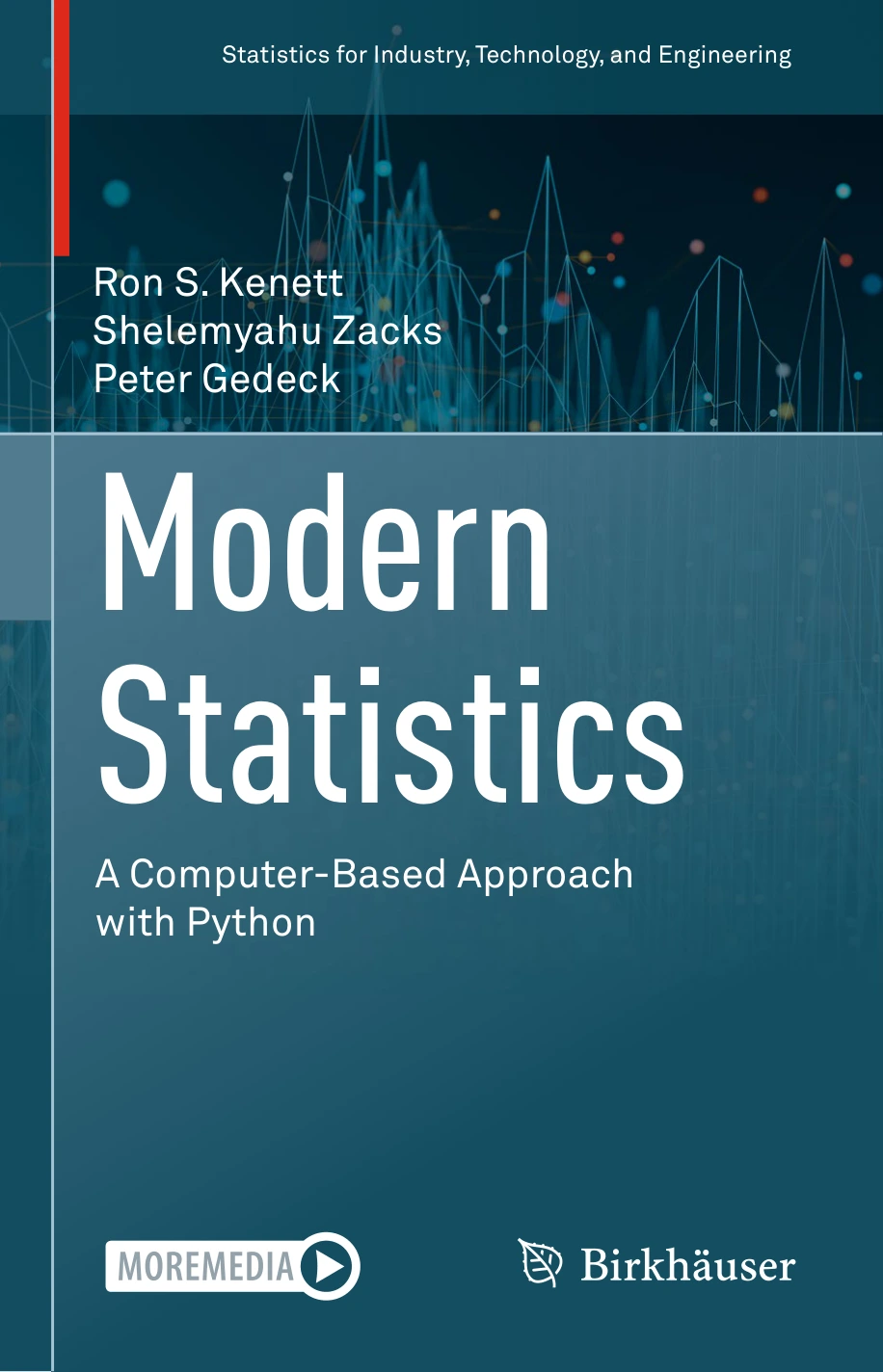
Modern Statistics: A Computer-Based Approach with Python
Readers studying statistical methods and their computational use with Python.
A practical way to use an advanced Python book
- Set a narrow objective. Choose one area—such as generators, descriptors, typing, or asynchronous programming—and note what you hope to understand or improve.
- Read actively. Work through a small section, then summarize the idea in your own words. Avoid trying to absorb every advanced feature at once.
- Run the examples. Test code in an environment that matches your project’s Python version. If it behaves differently, check the documentation and identify which assumptions changed.
- Adapt a technique. Apply the idea to a small, real task in your own code. Consider whether it improves clarity or solves a genuine problem.
- Keep a reference note. Record the concept, a minimal example, and any version caveat so you can find the information again.
Frequently asked questions
What should I know before reading an advanced Python book?
You should be comfortable writing and reading functions and classes, using common collections, handling exceptions, and debugging basic programs. If these still feel new, strengthen those skills before moving to material about internals or specialized techniques.
Is Fluent Python suitable for beginners?
It is not positioned as a beginner’s first programming book: O’Reilly labels the second edition intermediate to advanced. Readers new to programming will generally benefit from learning Python fundamentals before using it.
Which book focuses on practical Python techniques?
Among the titles discussed here, Effective Python uses focused recommendations, while the catalog’s Advanced Python Tips is a concise guide to selected idioms and language tools. Choose based on the specific topics you want and check each title’s edition details.
Are older Python books still useful?
They can help explain durable concepts, but code examples may need checking. The third edition of Python Cookbook, for instance, is described by its publisher as using Python 3.3 examples. Verify any version-sensitive recipe against your current interpreter and documentation.
Conclusion
For a broader view of the language, compare Fluent Python with the concise catalog guide Python Distilled. For practical techniques, consider Effective Python or Advanced Python Tips; for deeper mechanics, look at The Python Master. Choose a specialist concurrency title only if that is the problem you need to solve, and treat older examples with care.
There is no universally best advanced Python book. Match the subject and format to your current skill and goal, then test code against the Python version you use. Browse more Python learning resources if you want to compare additional programming and Python titles.