
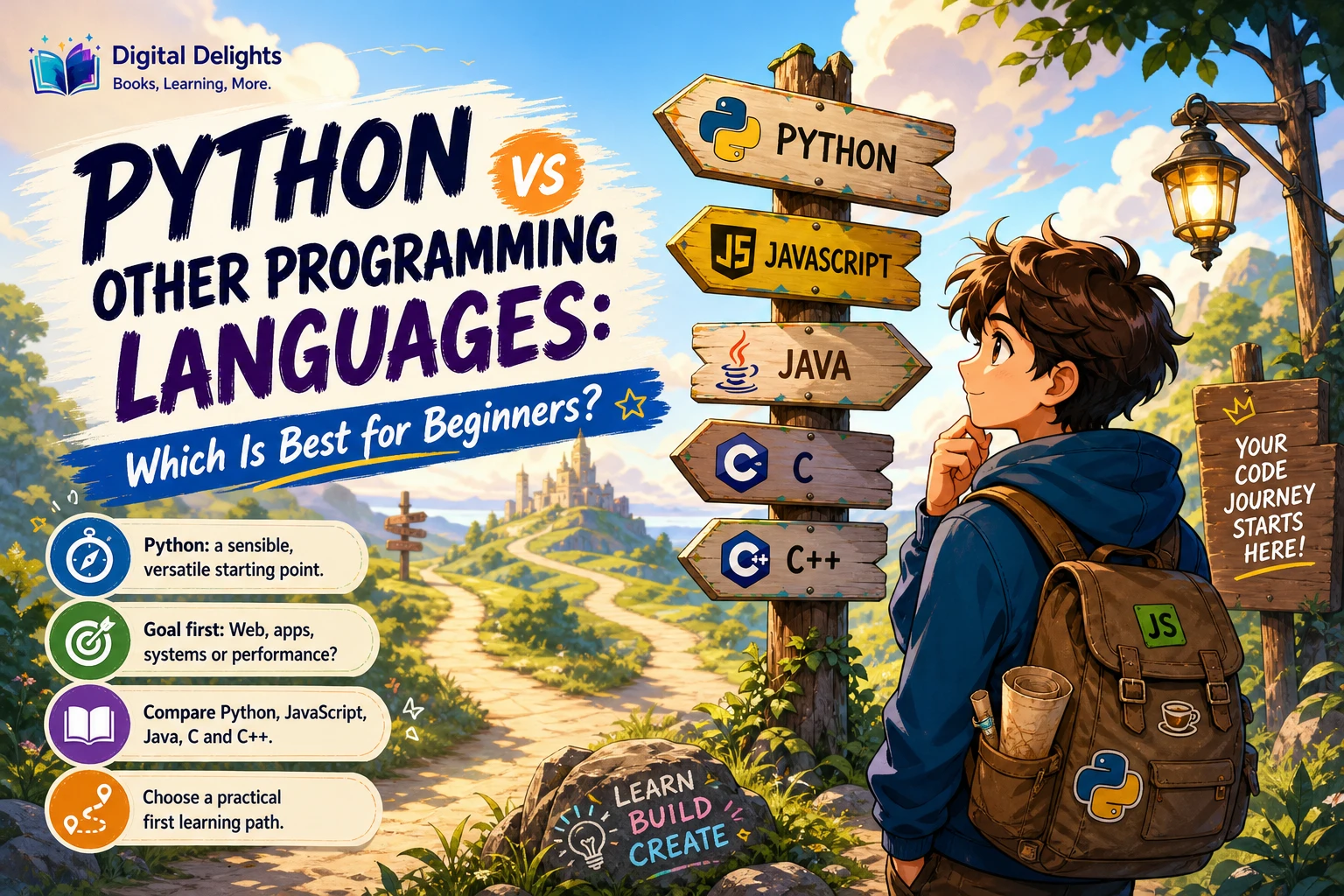
Python vs Other Programming Languages: Which Is Best for Beginners?
If you are choosing your first programming language, Python is a sensible general-purpose starting point—but it is not automatically the right choice for every learner. The best programming language for beginners depends on what you want to make, what a course or project requires, and whether you are new to programming or simply new to a particular language.
For a broad introduction to writing programs, Python is worth considering. If your main goal is to follow a web-development path, JavaScript may be a more direct fit; if a class or project specifies Java, C, or C++, start there. Below, we compare these options by goal, explain what to look for in a first language, and suggest a practical way to begin without getting stuck in endless comparisons.
What makes a good first programming language?
A first language is useful when it helps you practise the thinking involved in programming: breaking a task into steps, working with information, making decisions, repeating actions, and checking whether a solution works. The language matters, but so do the learning material and the projects you can use to apply it.
- Understandable examples: Look for lessons that explain what the code does, not just what to type.
- A workable learning environment: Choose a resource with setup instructions that match your device and experience.
- Frequent practice: Exercises and small projects help you use ideas actively instead of only reading about them.
- A fit with your goal: A language required by a course, tool, or project can be a better starting point than a popular alternative.
- Clear prerequisites: Check whether a resource is designed for people new to coding or for people who already know another language.
That last distinction is easy to miss. The official Python tutorial says it is intended for people new to Python, rather than people entirely new to programming, and assumes some basic programming knowledge. That does not mean Python is unsuitable as a first language; it means you should check whether a specific learning resource matches your starting point.
Python vs. other programming languages
There is no useful universal ranking for beginners. Instead, ask which language aligns with the work you want to try and the learning route you intend to follow. The table is a starting point for choosing a direction, not a claim that one language is inherently easier or better.
| Language | Consider it when… | A useful first step |
|---|---|---|
| Python | You want a general-purpose introduction or are curious about scripting and data-related learning paths. | Work through basic concepts, then write a small program that solves a practical problem. |
| JavaScript | Your learning goal is focused on interactive websites or a course that uses JavaScript. | Follow a beginner path that connects code to the kind of website feature you want to build. |
| Java | Your course, planned platform, or project calls for Java. | Use a resource designed for your experience level and follow its setup and practice sequence. |
| C or C++ | A curriculum or specific project gives you a reason to start with one of these languages. | Choose a guide that clearly introduces the language and the tools required for your course or project. |
Python is a reasonable general-purpose choice when you have not settled on a specific destination. But if a real project or course points toward another language, that concrete direction may be more useful than starting with Python simply because it is often recommended.
Why start with Python?
Python can provide a broad route into programming fundamentals and later areas of study. It is also possible to begin with Python and move to another language when your interests become clearer. The choice of a first language does not lock you into one field or define what you can learn later.
For readers starting from scratch, look for introductory material that explains core ideas alongside the language itself. Learn Python: Step-By-Step Guide to Master Python Quickly With Clear Exercises and 3 Hands-On Projects is described in the catalog as covering Python foundations, programming tools, comparisons with other languages, exercises, and hands-on projects. That combination may suit learners who want an introductory path with practice and some wider context.
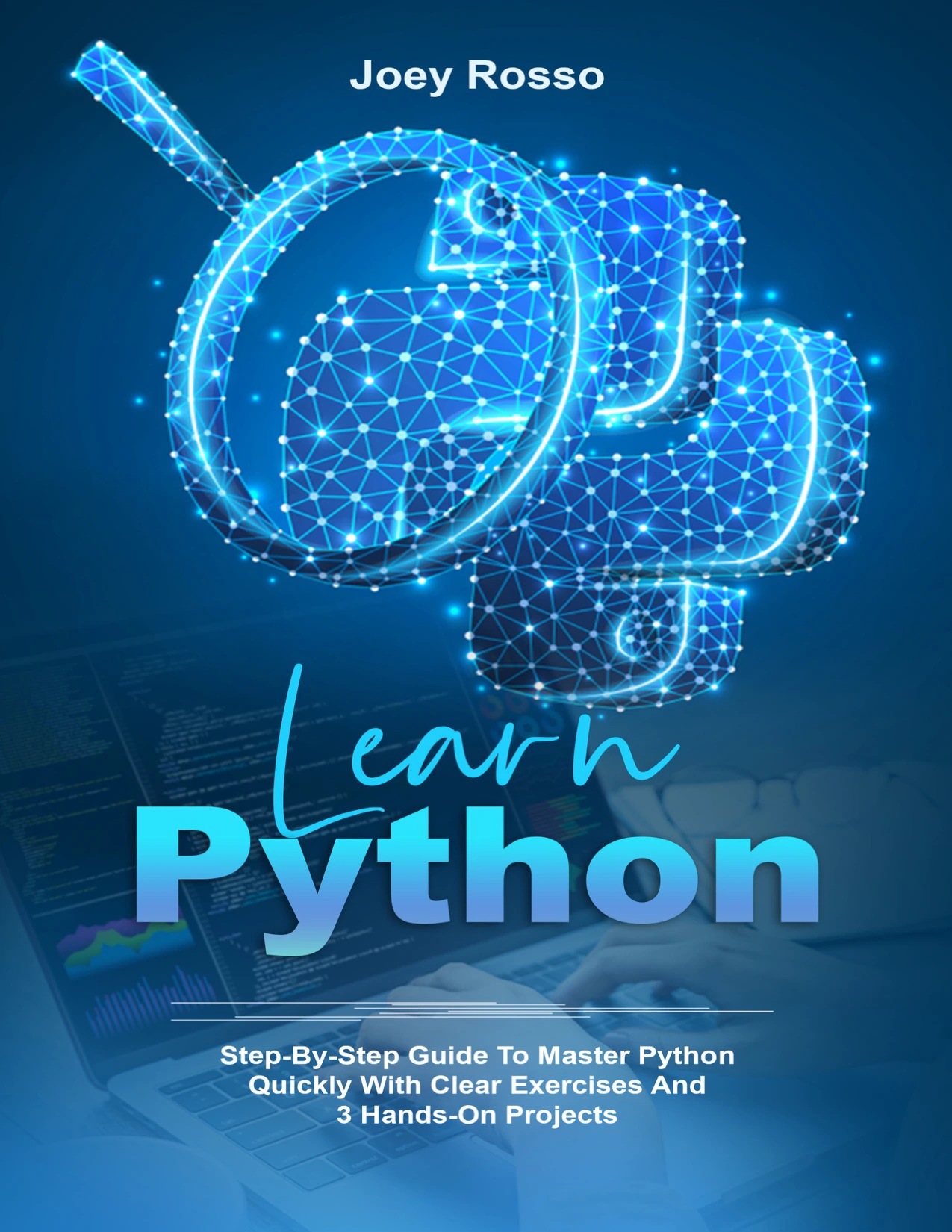
By Joey Rosso
Learners seeking a structured Python introduction with practice and a broader view of programming languages.
When should you consider JavaScript?
Consider JavaScript if the thing you most want to learn is interactive web development, or if your chosen course already uses it. In that case, your motivation and the project in front of you can help guide your learning. You do not need to learn Python first unless your course or plan calls for it.
When do Java, C, or C++ make sense?
Choose Java, C, or C++ when a course, project, or defined learning plan gives you a specific reason to use that language. A class may expect one language throughout its exercises, so switching to a different one can add unnecessary translation work. If you are exploring without a fixed goal, compare beginner resources before deciding rather than assuming that a language’s reputation alone settles the question.
How to choose the best programming language for beginners
Use these questions to turn a broad decision into a practical one:
- What do you want to make? Write down a small, concrete outcome, such as a script that organizes information or a simple interactive website.
- Does a course or project specify a language? If so, use that language unless you have a clear reason not to.
- Are you new to programming? Choose lessons that introduce programming concepts as well as language syntax.
- Can you find a suitable practice route? Check that your learning resource includes examples, exercises, or projects at your level.
- Can you commit to one language for a small project? Give yourself enough time to practise before reconsidering your choice.
A publisher’s introductory material from Pearson presents problem-solving fundamentals as ideas that can carry across languages, while discussing Python’s short, readable code as one possible teaching advantage. That is a useful perspective, not evidence that every learner will progress faster with Python. The broader lesson is to focus on concepts and practice, not just the name of the language.
A practical starting path
1. Choose one beginner resource that matches your experience
Check the introduction, contents, or sample pages before committing. Look for a clear statement of prerequisites, setup guidance, explanations of basic concepts, and opportunities to practise. The word “beginner” alone does not tell you whether a resource assumes previous coding experience.
For example, the catalog description for Computer Programming: JavaScript, Python, HTML, SQL, CSS says it introduces multiple technologies and includes a Python section that moves from setup and basic code toward functions, data structures, and other topics. Its broader scope may be useful to someone who wants an overview, but a learner who prefers a single-language sequence may want a more focused resource instead.
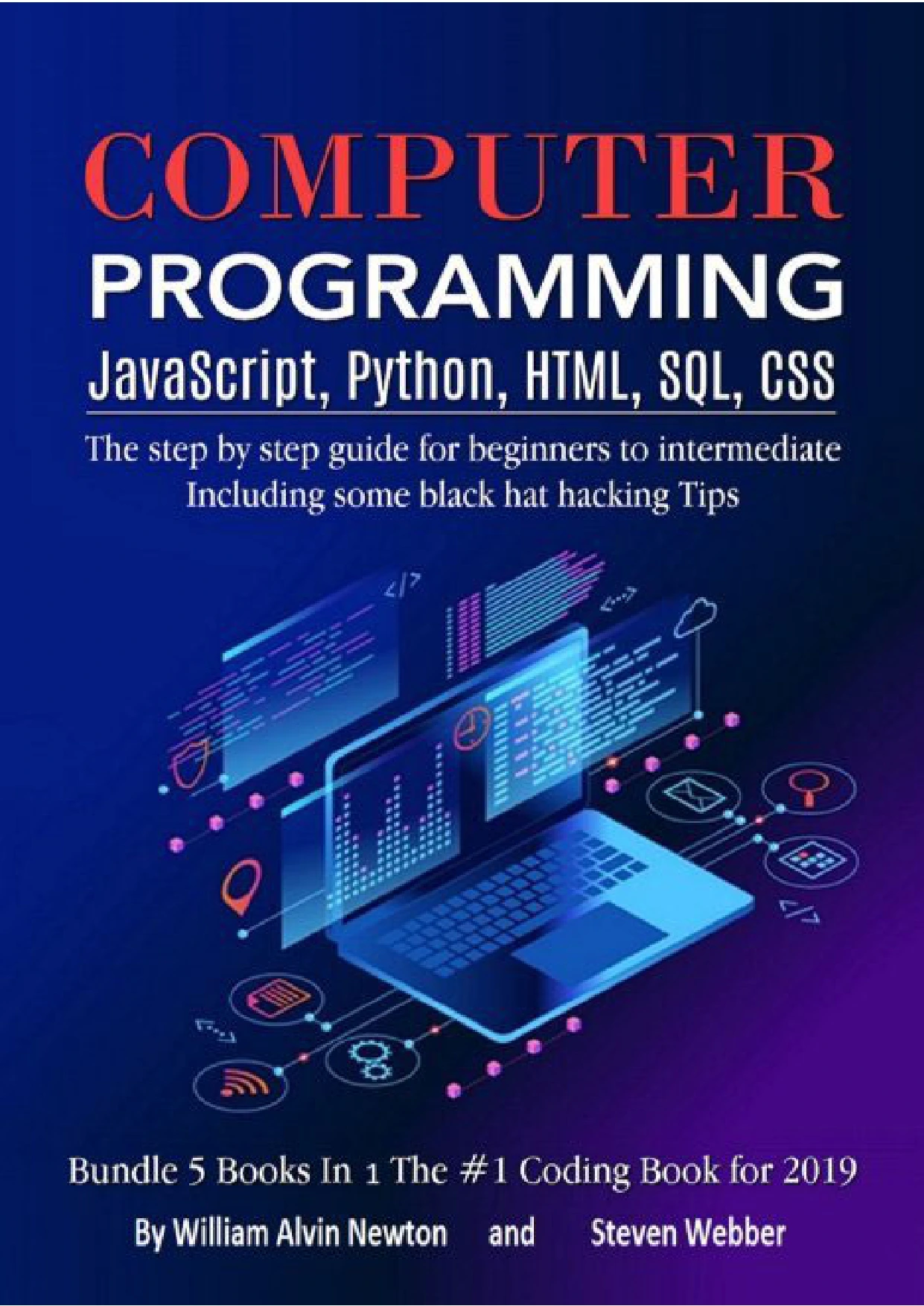
Computer Programming: JavaScript, Python, HTML, SQL, CSS
Beginners who want an overview of Python alongside JavaScript, HTML, SQL, and CSS.
2. Learn the shared building blocks
Start with the basic ideas your chosen course presents. These often include values and variables, decisions, repetition, functions, and ways to organize information. Learn to read the examples, predict what they will do, run them, and change them deliberately.
3. Practise with small projects
Choose a project simple enough to finish, such as a basic calculator, a short quiz, or a script that transforms a small set of information. Build it in stages:
- Describe the result you want in plain language.
- Break the task into a few smaller steps.
- Write and run one small part at a time.
- Check the result, fix errors, and make one improvement.
Finishing a modest project gives you a clearer basis for deciding what to learn next than browsing language comparisons indefinitely.
4. Move to another language when there is a reason
Once you can build and explain a small program, you will be better placed to judge what your next goal requires. If you switch languages, carry over your understanding of problem-solving and learn the new language’s syntax and tools in context. You do not need to master several languages at once.
Common mistakes when picking a first language
- Choosing by popularity alone: Popularity does not show whether a language matches your project or course.
- Trying to learn several languages at the same time: For many beginners, this makes it harder to connect new syntax with the underlying ideas. Start with one route and reassess after a project.
- Reading without writing code: Explanations help, but programming requires practice. Run examples and make small changes of your own.
- Confusing syntax familiarity with understanding: Recognizing a line of code is not the same as being able to explain, adapt, or debug it.
- Ignoring prerequisites: A book or tutorial labelled for beginners may mean beginners to a language, not beginners to programming.
- Switching whenever a topic gets difficult: Some difficulty is a normal part of learning. Try a smaller exercise or a clearer explanation before abandoning the learning path.
Frequently asked questions
Is Python a good first programming language?
Python is a reasonable first choice if you want a general-purpose introduction and have not chosen a more specific course or project. Pick learning material that is explicitly designed for your experience level; some Python tutorials assume you already know basic programming.
Should I learn Python or JavaScript first?
Choose Python if you want a broad programming starting point and have no firm project direction. Choose JavaScript if your immediate learning goal is interactive web development or your course requires it. Either way, use one language consistently while you learn the basics.
Can I learn programming with no experience?
Yes. Start with material that introduces programming concepts rather than assuming you already know them. Follow the lessons by writing small programs and practising one concept at a time.
Do programming concepts transfer between languages?
Many problem-solving ideas can be useful across languages, although the syntax and tools differ. Pearson’s introductory material discusses transferable fundamentals, but that is not a guarantee of identical learning experiences. When you switch, expect to learn the new language’s conventions as well.
Conclusion: choose for your goal, then practise
There is no single best programming language for every beginner. Python is a sensible general-purpose starting point; JavaScript may fit a web-focused goal, while Java, C, or C++ can be the practical choice when a course or project calls for them. Choose one route that matches your purpose, find learning material suited to your experience, and complete a small project before reconsidering.
If Python is your starting point, you can browse Python learning resources and compare their scope and prerequisites. Look for the guide that fits the way you want to learn—not a promise that one language is best for everyone.
Sources
- The Python Tutorial — Python documentation. Consulted for the tutorial’s stated audience and prerequisites.
- Pearson introductory programming text sample. Consulted for its discussion of transferable problem-solving fundamentals and its framing of Python as an introductory option.