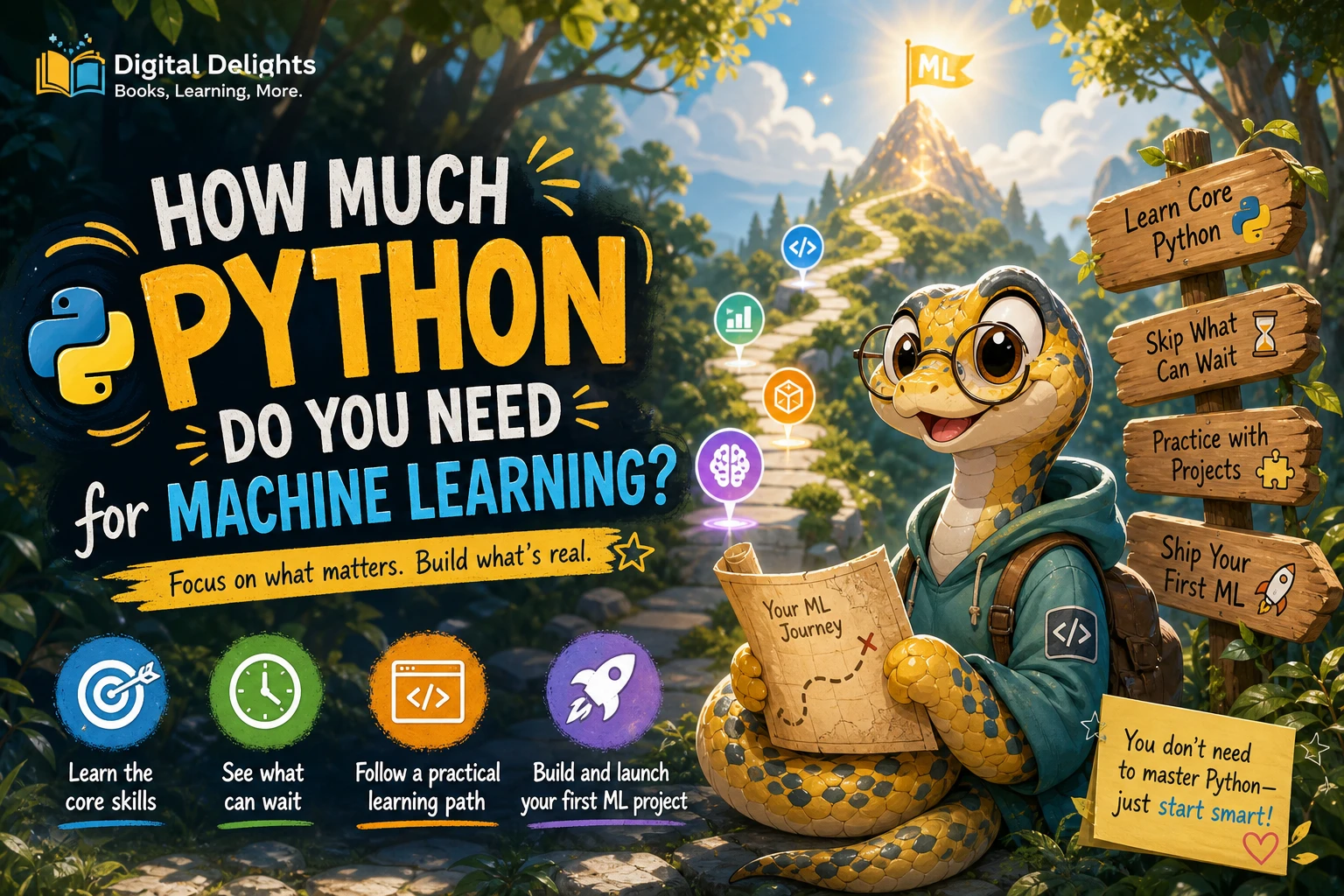
You do not need to master Python before starting machine learning. You need enough to follow a short program, make small changes, and work out what an error is telling you. For a first project, that usually means understanding variables and common data structures, conditionals, loops, functions, imports, and basic debugging.
There is no universally validated Python test or exact list of prerequisites for every machine-learning course. Treat the skills below as a practical starting point, not a strict gate. You can learn Python and machine learning side by side, adding language features when a project calls for them.
How much Python do you need for machine learning?
You need working familiarity with Python fundamentals—not mastery of every feature. You should be able to read and adapt small pieces of code, pass data to a function, use common libraries, and investigate straightforward errors. You do not have to be an experienced software developer before trying a beginner machine-learning example.
It also helps to distinguish being new to Python from being new to programming. The official Python tutorial is aimed at people who already have some basic programming knowledge, so a complete beginner may benefit from learning programming logic gradually rather than expecting that tutorial alone to teach everything from scratch. The Python Tutorial is a useful reference as you learn.
A practical Python readiness checklist
Before following an introductory machine-learning example, aim to understand the following basics. You do not need to know them perfectly; you should be able to recognize them and use them in simple programs.
- Variables and basic data types: Assign values to names and recognize numbers, strings, and Boolean values.
- Common collections: Work with lists and dictionaries, and understand that a collection can hold multiple values.
- Conditionals and loops: Follow code that makes a choice with
ifstatements or repeats work with a loop. - Functions: Call a function, pass in arguments, and understand that it may return a result.
- Imports: Recognize an import statement and use a function or object provided by a module or library.
- Basic errors: Read an error message, locate the line it refers to, and try a small correction.
These fundamentals matter because machine-learning examples combine ordinary Python with library-specific code. If you can read the surrounding code and understand how data moves through it, you can investigate the parts you have not seen before.
What Python topics can wait?
You do not need to learn every advanced Python feature before your first model. Classes, decorators, asynchronous programming, complex package design, and advanced language idioms can wait unless your chosen project specifically uses them. That is a practical learning recommendation, not a rule imposed by Python or machine-learning documentation.
Classes are useful in many larger programs, and you may encounter them in libraries. For an introductory project, however, you can often use a library’s existing objects without knowing how to design your own classes. The Python tutorial covers classes and exceptions as part of the language, but their presence in the tutorial does not make them prerequisites for every first ML exercise. The tutorial’s section on control flow and functions is a good place to review core building blocks.
Do learn enough to understand a feature when it appears in code you need to run. The goal is to postpone unnecessary detours, not to avoid learning.
Python is only one part of machine-learning preparation
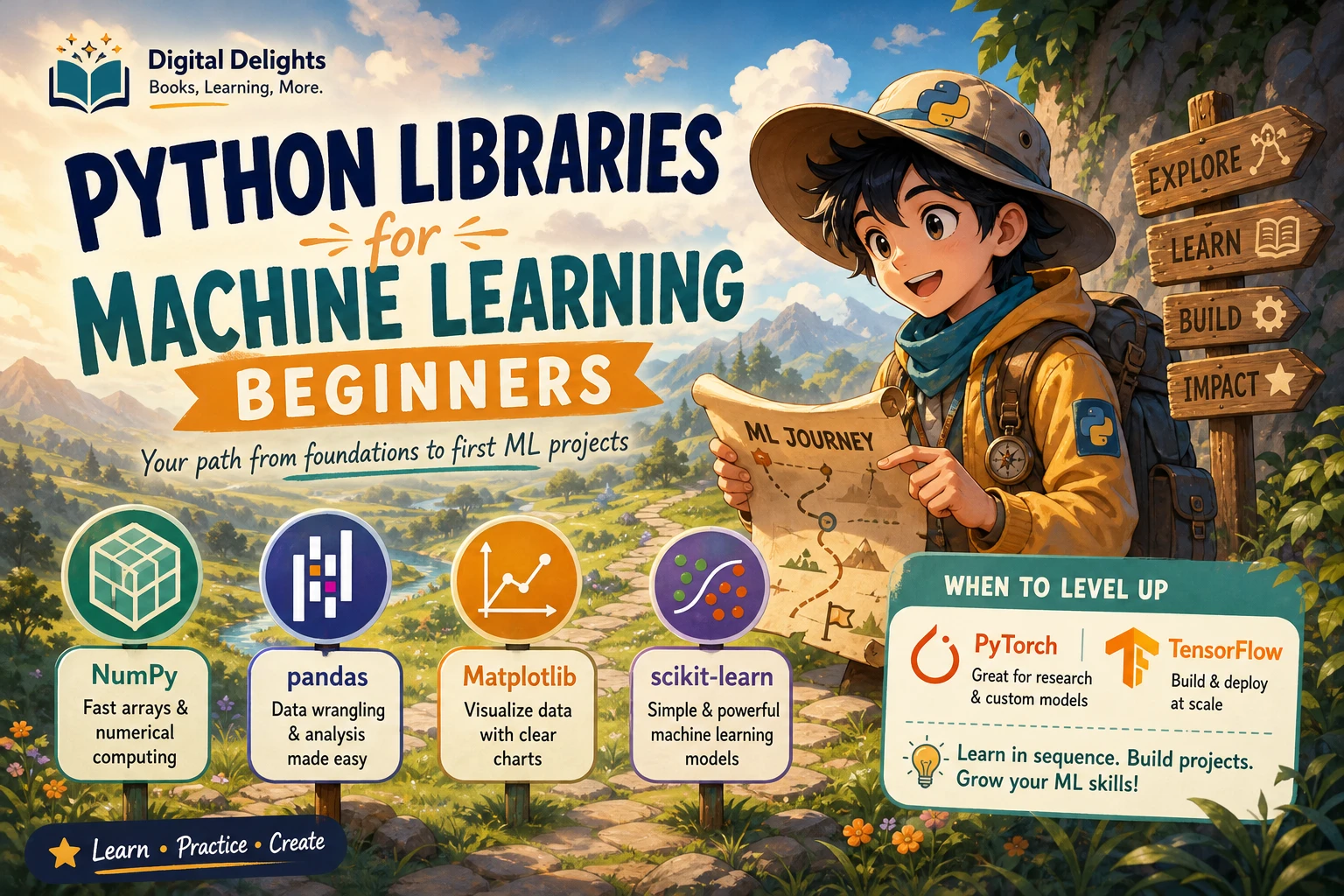
In practice, machine learning with Python involves learning the tools used to handle data and build models as well as the language itself. You may encounter NumPy for numerical data, pandas for tabular data, and scikit-learn for common machine-learning workflows. You do not need to memorize every library in advance: learn the pieces required by the example you are working through.
A publisher’s sample chapter for a machine-learning book illustrates one possible route through Python and Jupyter, data libraries, visualization, and then machine-learning frameworks. That is an example of a learning sequence, not a requirement that everyone follow the same order. The sample chapter on getting started with Python and Jupyter provides more context.
You will also meet machine-learning ideas that are not Python syntax: preparing data, separating training and evaluation data, choosing a model, and checking whether its results are useful. Python lets you express the workflow; it does not replace understanding what that workflow is doing.
A simple readiness test
Try a small data task before deciding whether you are “ready.” You are in a reasonable position to start a beginner ML example if you can:
- Open a short Python script or notebook and identify where its data comes from.
- Use a library function to load or create a small dataset.
- Inspect a few rows or values and call a function using that data.
- Change a small part of the example, such as a variable, column name, or function argument.
- When something fails, read the error, check the relevant line, and try to narrow down the cause.
This is a practical self-check, not a formal exam. It tests whether you can participate in the work and learn from the code, not whether you can write a full application without help.
A beginner-friendly path from Python to machine learning
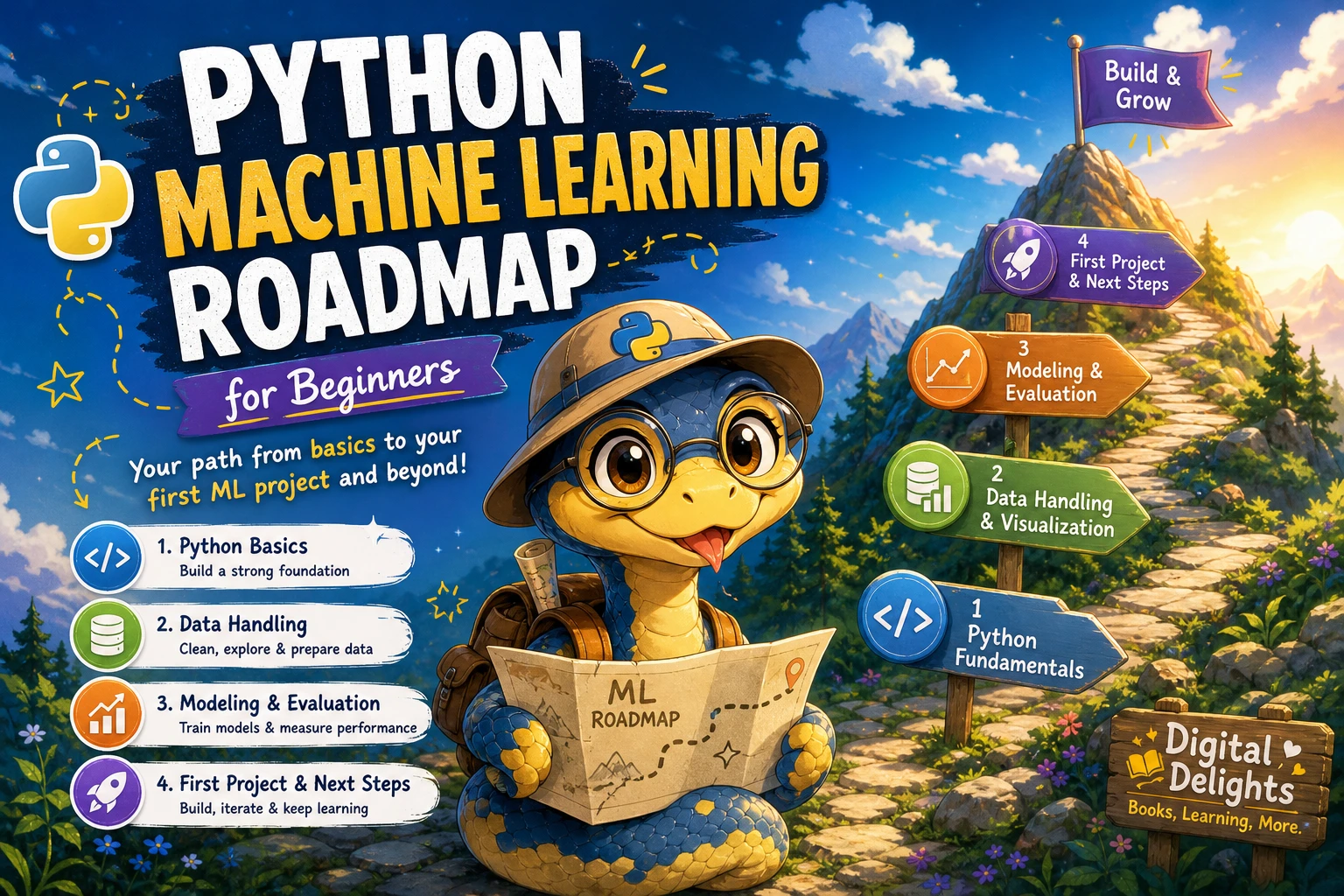
1. Learn the Python essentials
Start with variables, strings and numbers, lists and dictionaries, conditions, loops, functions, imports, and simple error handling. Write small programs yourself instead of only reading code. A beginner resource such as Python for Beginners covers topics including setup, data types, loops, and functions. For a broader guide that also reaches into libraries and applications, Unlocking Python: A Comprehensive Guide for Beginners covers core language concepts and introduces data analysis and machine-learning tools.
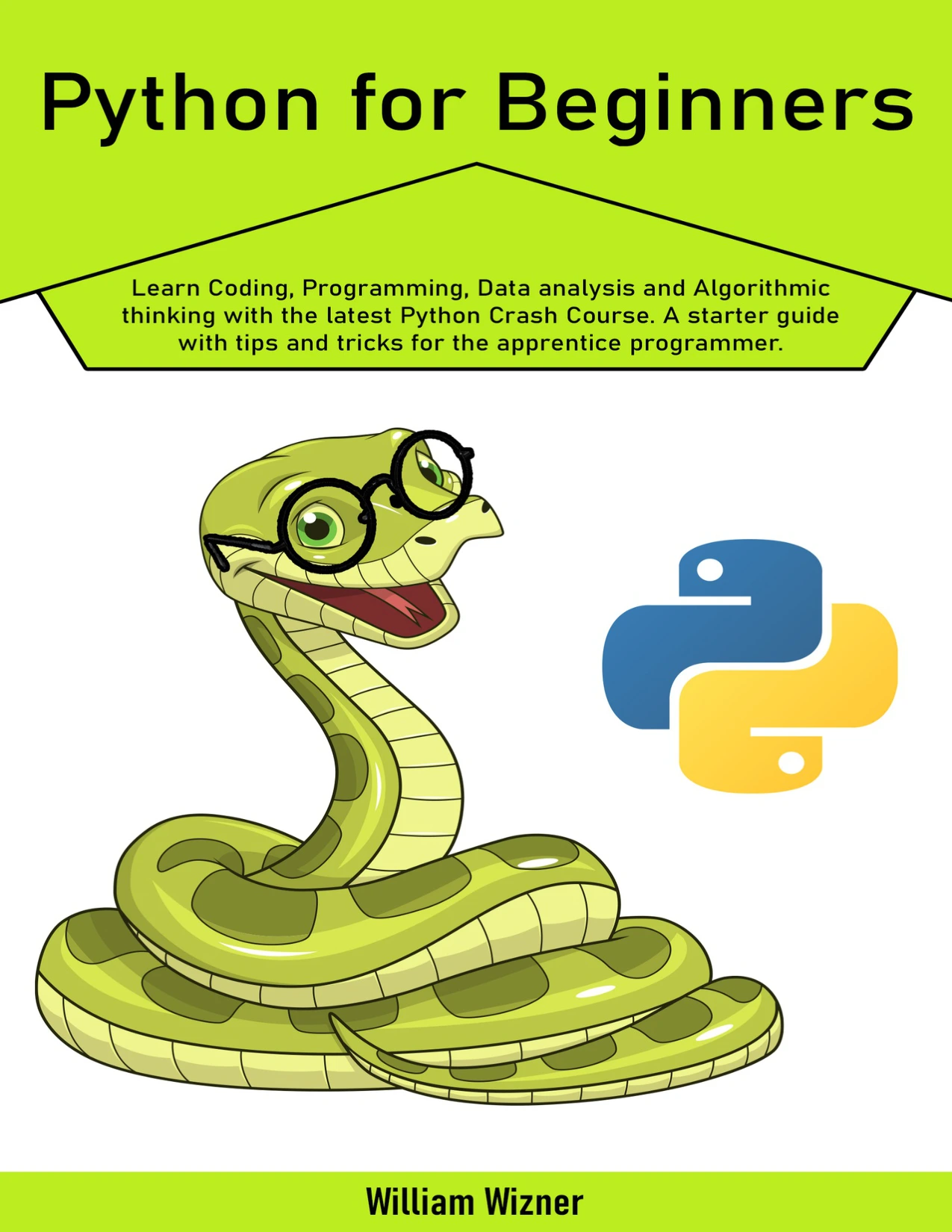
Learners who want a starting point covering setup, core syntax, loops, and functions.
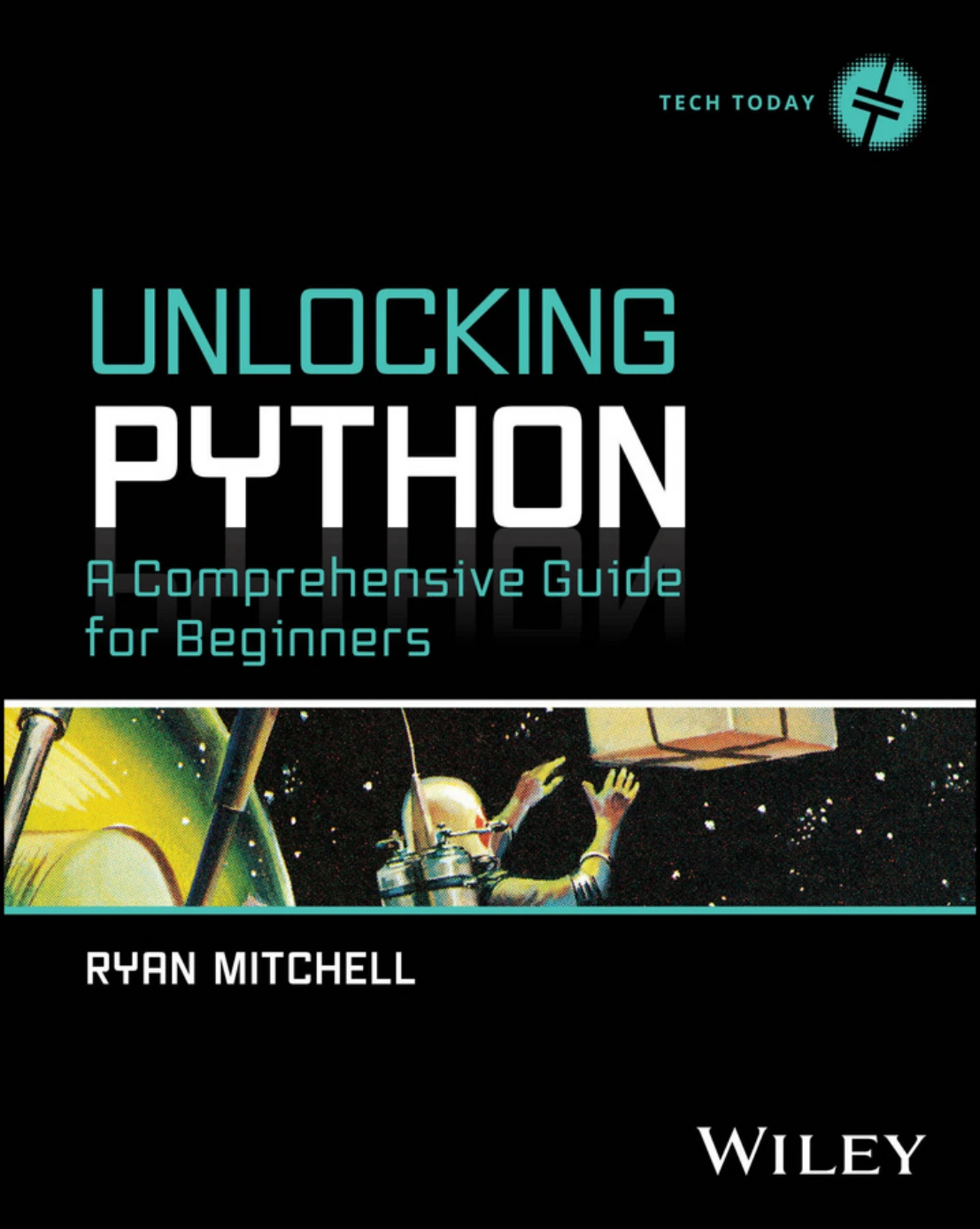
Unlocking Python: A Comprehensive Guide for Beginners
Beginners seeking a structured guide that goes from language basics toward data analysis and machine-learning tools.
2. Practise with small data tasks
Use short exercises to read, filter, summarize, and inspect data. This is a useful bridge between language basics and model-building because it gives you practice with real inputs, library calls, and debugging. Python for Data Science is a catalog resource whose description covers Python setup, scikit-learn, data structures, and practical exercises.
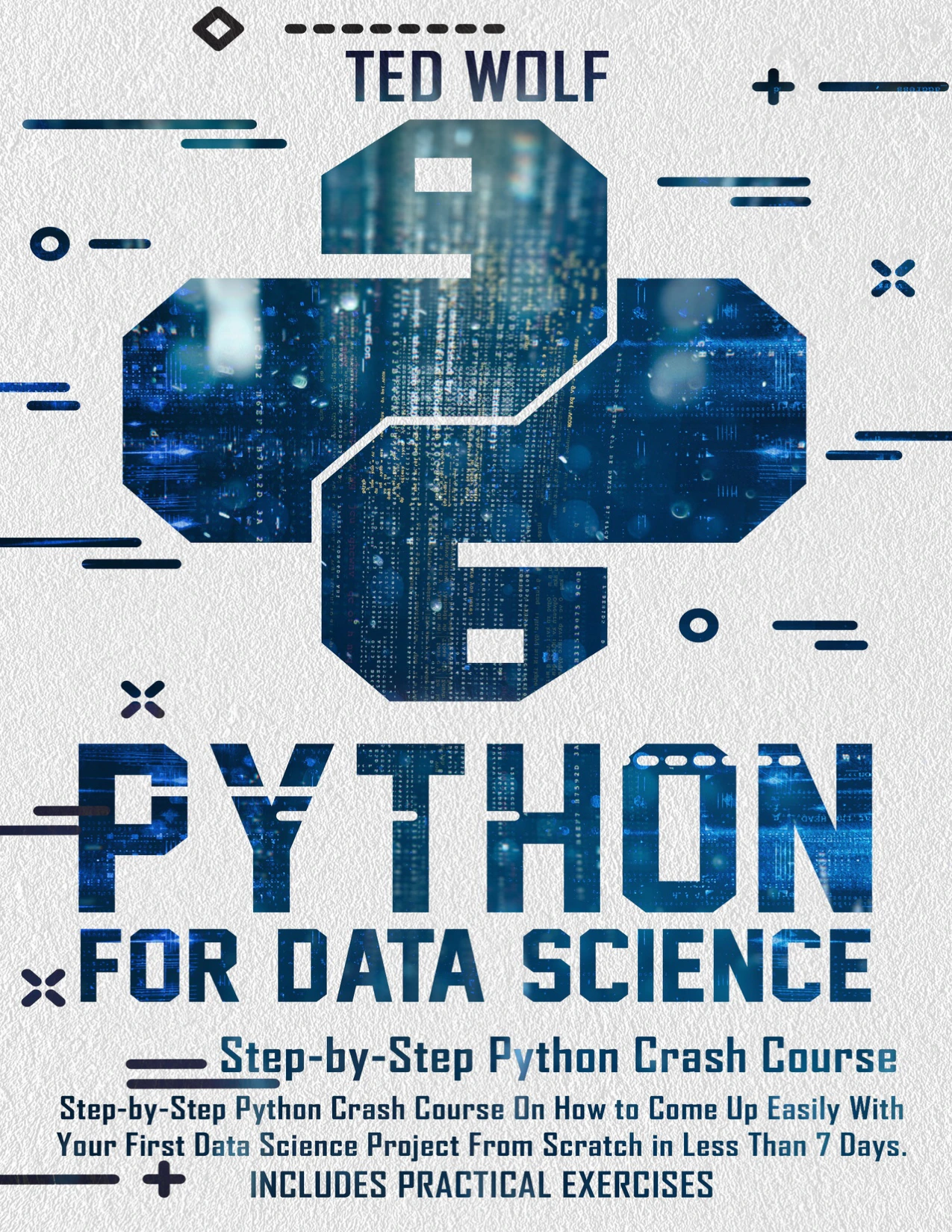
By Ted Wolf
Learners ready to explore data structures, scikit-learn, and practical exercises.
3. Follow one beginner machine-learning example
Choose a small, complete example and focus on understanding the steps rather than typing code without examining it. Notice how the data is prepared, how a model is trained, and how its output is evaluated. Python Machine Learning By Example, Third Edition uses practical projects and covers data preparation, model training, evaluation, and tools including scikit-learn, TensorFlow 2, and PyTorch.
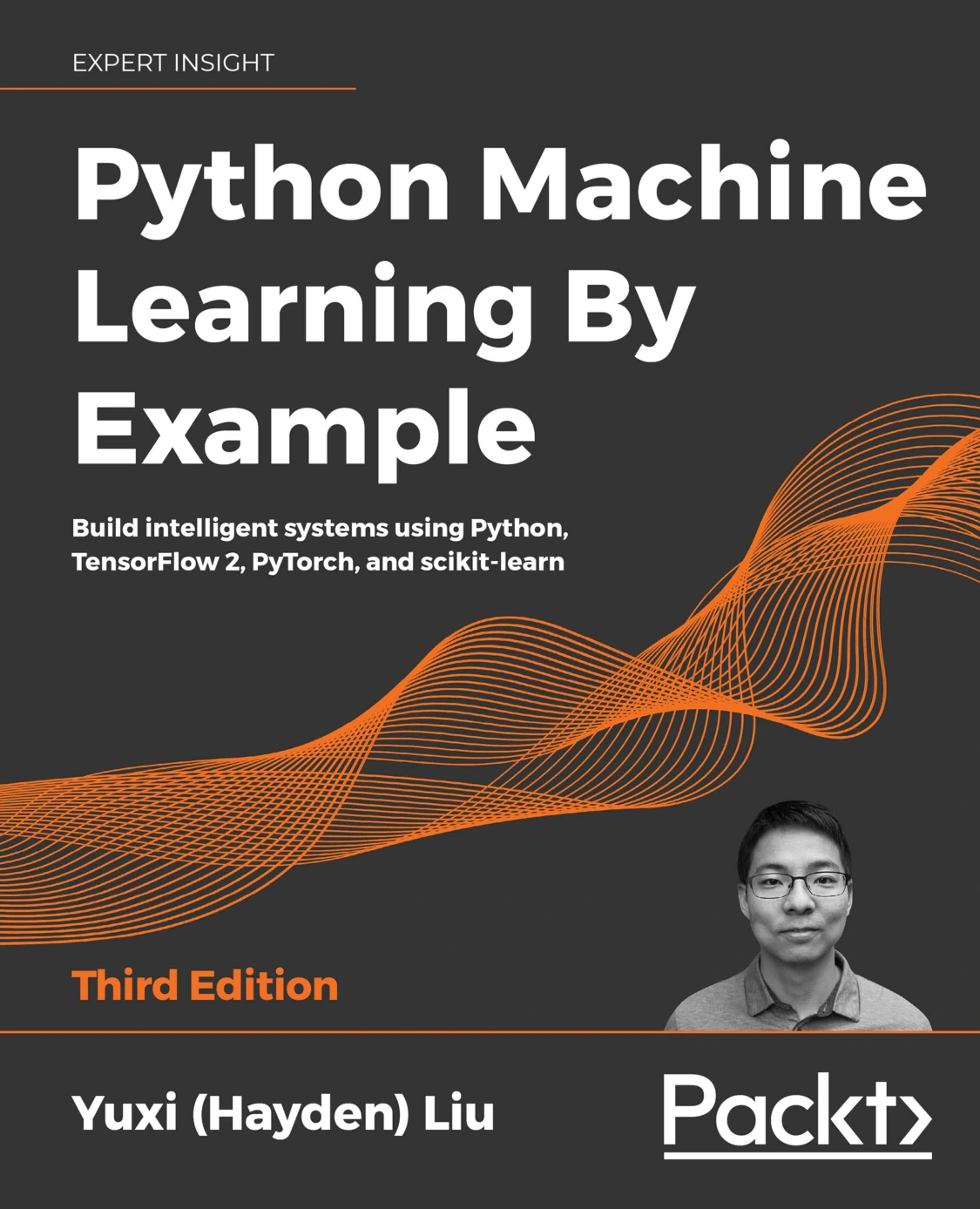
Python Machine Learning By Example, Third Edition
Readers ready to work through examples involving data preparation, model training, evaluation, and common ML libraries.
4. Fill gaps as they appear
If a project introduces a concept you do not know, pause to learn that specific concept, then return to the project. This keeps your learning connected to a real task and helps you distinguish a Python question from a data or machine-learning question.
How to choose a learning resource
Choose based on what is currently slowing you down. A general Python guide is a better fit if basic syntax and control flow are unfamiliar. A data-science resource can help if you can write simple Python but need practice working with tables and libraries. A machine-learning book makes more sense when you are ready to follow model-building examples.
| Your current need | Resource direction | Why it may fit |
|---|---|---|
| Learning programming fundamentals | Python for Beginners | The catalog description covers setup, core syntax, loops, and functions. |
| Expanding from Python into data work | Python for Data Science | It connects Python basics with scikit-learn, data structures, and exercises. |
| Working through machine-learning projects | Python Machine Learning By Example, Third Edition | Its project-based coverage includes preparation, training, and evaluation. |
These are different entry points, not a ranked list. Pick the resource that addresses your present gap rather than trying to study every topic before you begin.
Frequently asked questions
Can I start machine learning if I have never programmed before?
Yes, but expect to learn programming fundamentals along the way. Begin with short Python exercises and build up to data tasks before following a model-building example. Some learning materials assume prior programming experience while others ask for basic Python; those differences reflect their scope and teaching approach, not a universal readiness standard.
Do I need to learn classes before my first machine-learning project?
Usually, you can start without writing your own classes. You may see objects or class-based APIs in a library, but you can often use them before learning how to design classes yourself. Learn the concept when it becomes relevant to the project.
How much math do I need before learning machine learning?
You can begin with a guided, introductory example while building mathematical understanding alongside it. The depth you need depends on what you want to understand and build: interpreting an example is different from deriving an algorithm or developing a new one. Do not treat “learn all the math first” as a universal prerequisite.
Which Python version should I use?
Use the version specified by your course or by the installation instructions for the libraries in your project. Avoid choosing a version solely because it is the newest; verify compatibility in the relevant official documentation. Python.org maintains the official release information at its Python release pages.
How do I know when I am ready to move beyond Python basics?
Try the readiness checklist: load or inspect data, call a function, change a small example, and investigate a simple error. If you can do those tasks with some reference material, you can start a beginner machine-learning project and learn additional Python as you need it.
The short answer
You need enough Python to understand and adapt small programs—not complete mastery. Learn the basic data types and collections, control flow, functions, imports, and simple debugging. Then practise with data and begin a guided machine-learning example. Advanced Python can come later, when your projects give you a reason to learn it.