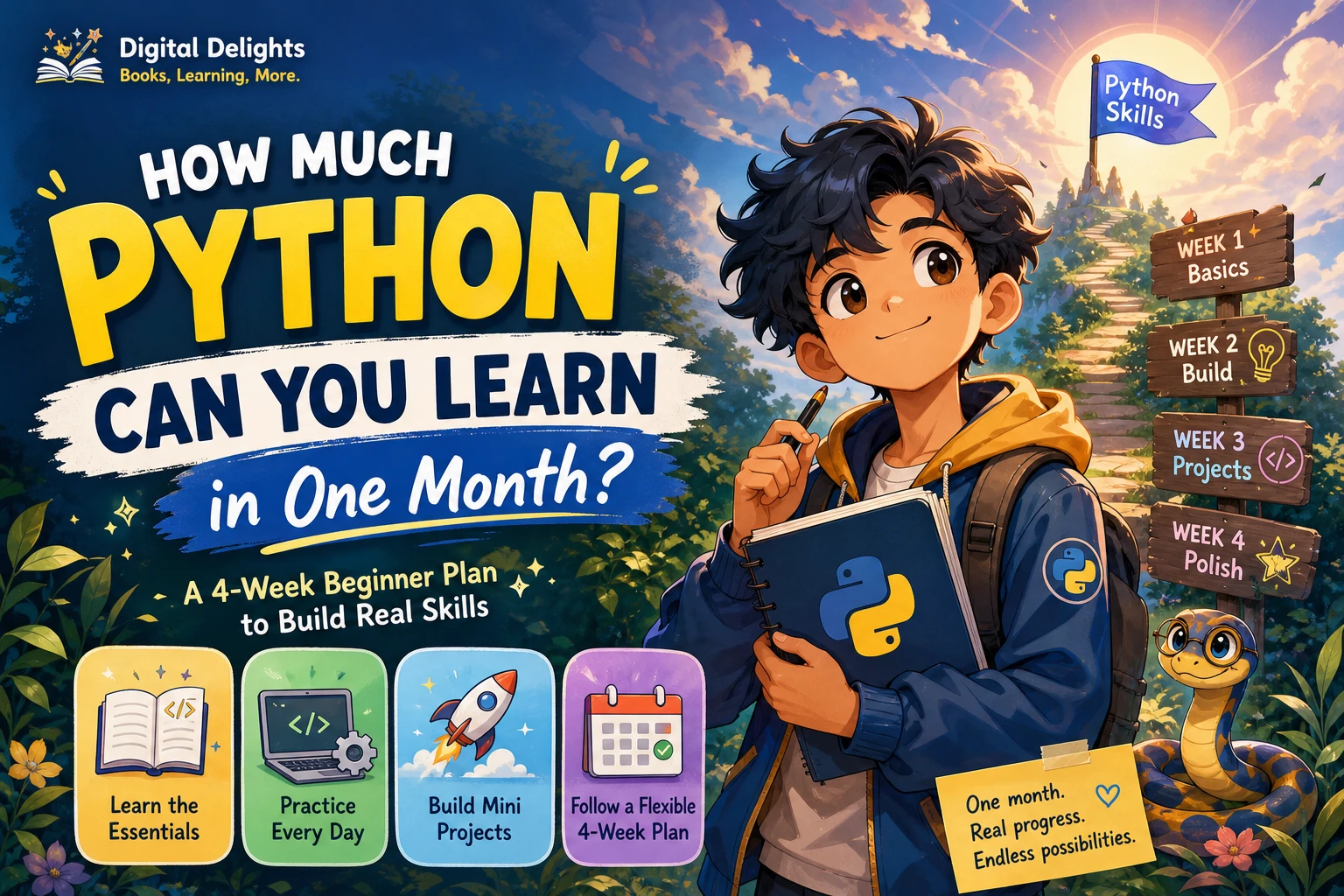
How Much Python Can You Learn in One Month?
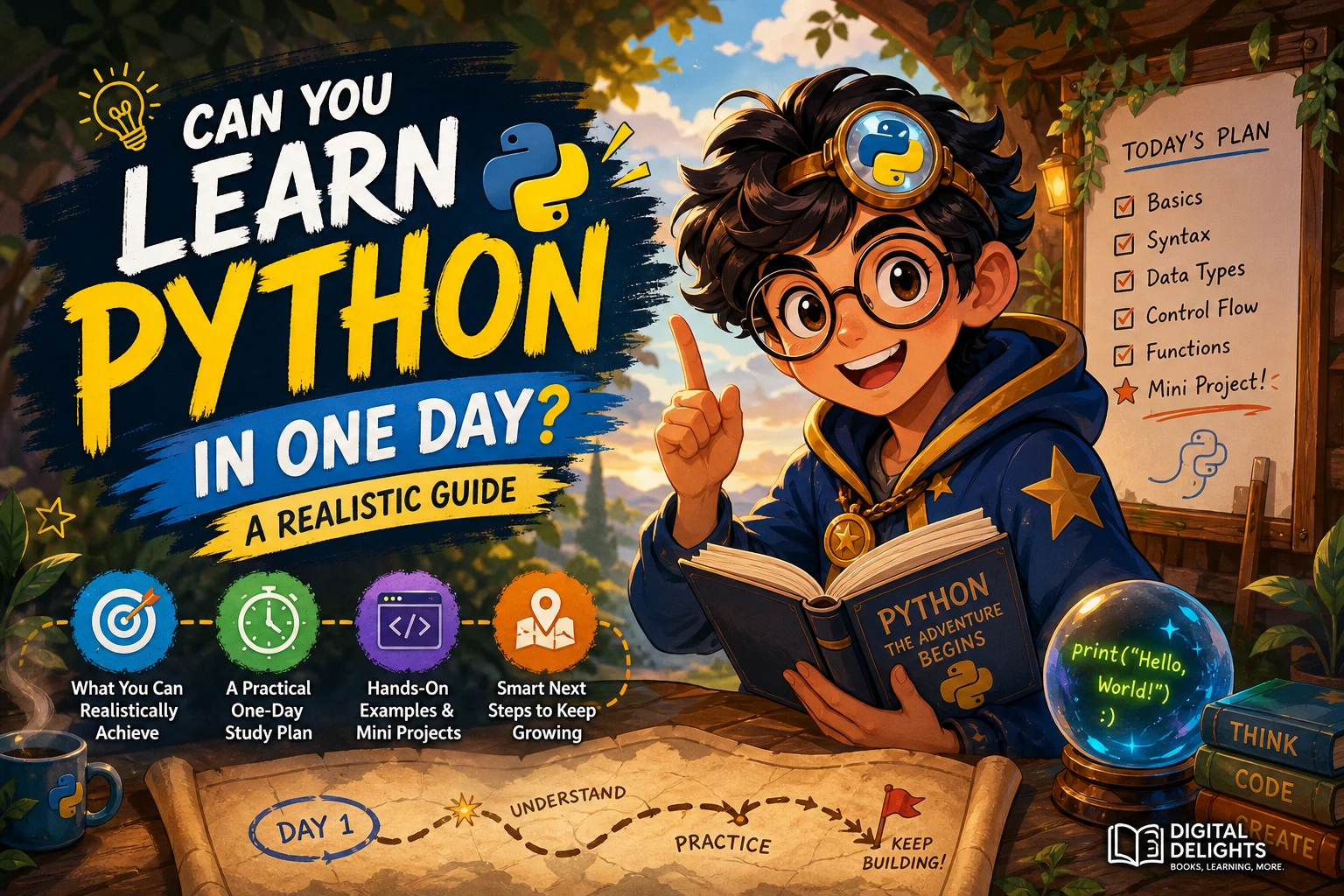
In one month, a beginner can aim to understand Python’s core building blocks, write and debug small programs, and finish a modest project. That is a useful start—not a promise of mastery, professional fluency, or job readiness. What you can accomplish depends on factors such as your previous experience, how consistently you practise, and how ambitious your project is.
A practical goal is to move beyond recognizing code in a lesson and become able to write a small program of your own: plan what it should do, break the task into steps, test the code, and make sense of errors. This guide explains what that level of progress looks like and offers a flexible four-week learning plan.
What Does It Mean to Learn Python?
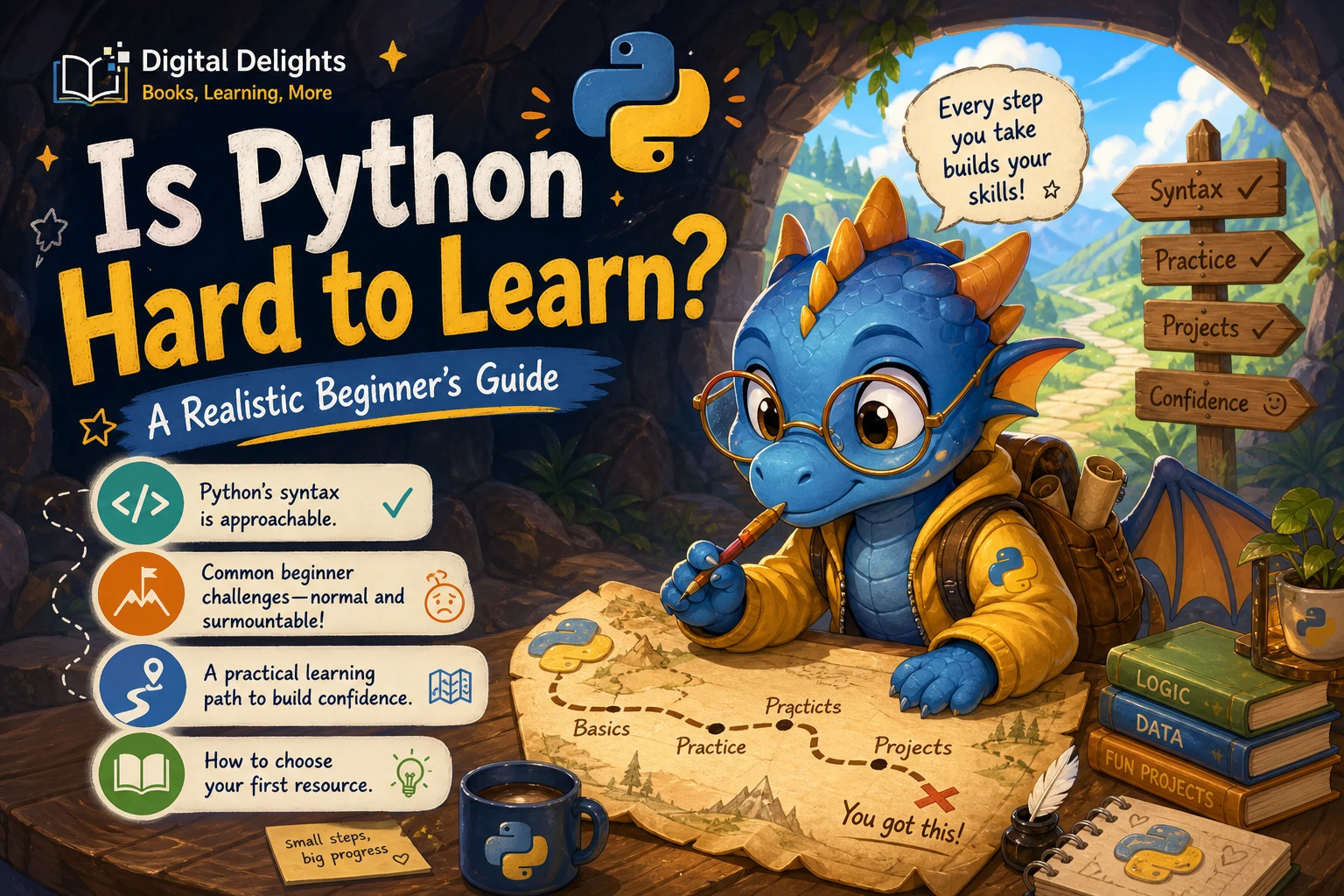
“Learn Python” can mean several different things. A person may recognize familiar syntax but still need help writing a program. Another may be able to combine functions, collections, and file handling to solve a small problem independently. Neither is the same as being ready to build and maintain large applications or work professionally as a Python developer.
The official Python Tutorial describes itself as an introduction to important language concepts, not a comprehensive account of Python. It presents the tutorial as a starting point for reading and writing Python programs and exploring further—not as a claim that completing an introduction makes someone an expert.
- Familiarity: You can recognize basic syntax and follow examples.
- Beginner competence: You can write, run, and debug small programs using fundamental language features.
- Independent project work: You can plan a modest project, divide it into manageable steps, and look up unfamiliar details.
- Professional fluency: You can contribute to more complex software, work with relevant tools and libraries, and maintain code over time.
A month is a reasonable period for building toward beginner competence. It is not a dependable deadline for the later stages.
How Much Python Can You Learn in a Month?
A realistic one-month target is to write and debug small programs using variables, common data types, conditionals, loops, functions, and collections such as lists and dictionaries. You may also learn to read and write simple files, organize related code, and finish one beginner-sized project that brings several of those skills together.
That is a practical editorial target, not a measured average or guarantee. The sources available do not establish how much a typical learner can master in a month or set a reliable number of study hours. Prior experience, practice habits, and project size can all affect an individual learning path, but the evidence here does not quantify their effects.
| By the end of the month, aim to… | Rather than expect to… |
|---|---|
| Write short programs using core Python features | Know every part of the language |
| Test a small program and investigate errors | Never need documentation or debugging help |
| Complete one modest project | Build a large, production-ready application |
| Choose a direction for further study | Be automatically qualified for a Python job |
What Python Skills Can You Aim to Cover?
Start with concepts that help you express a small task as a sequence of instructions. The exact pace will vary, so treat this list as a set of useful milestones rather than a checklist you must finish on a fixed schedule.
Core syntax and data
- Assign values to variables and work with common types such as numbers, strings, and booleans.
- Display information and accept simple user input.
- Use conditionals to make a program choose between actions.
- Use loops to repeat work.
- Store and work with groups of values in lists and dictionaries.
Functions and reusable code
Functions let you name a task and reuse it instead of copying the same instructions throughout a program. Practise writing a function with inputs and a result, then use it to divide a project into smaller pieces. As your programs grow, learn to separate related definitions into modules. The official modules tutorial explains how modules help organize and reuse code.
Files, errors, and debugging
A small program becomes more useful when it can work with information beyond a single run. Try reading or writing a simple text file, and practise investigating error messages rather than treating them as a sign that you should give up. Change one thing at a time, rerun the program, and check whether the result matches what you expected.
One project that combines the basics
Choose a project small enough to complete with the concepts you are learning. For example, make a command-line quiz, a simple expense log that saves entries to a file, or a number-guessing game. The goal is not to use the most advanced tools; it is to practise connecting several basic ideas in a complete program.
A Flexible Four-Week Python Learning Plan
This sequence is a suggested structure, not a research-validated timetable. Spend more time on a topic when you need it, and keep the project small enough to finish.
Week 1: Set up and learn the essentials
- Install a Python interpreter and choose a code editor or another way to run Python.
- Run a short program and learn how to save and run a script.
- Practise variables, basic data types, simple expressions, and input and output.
- Write tiny exercises, such as converting units or calculating a total.
Week 2: Add decisions, repetition, and collections
- Use conditional statements to respond to different inputs.
- Practise loops with a clear stopping condition.
- Store and retrieve related information using lists and dictionaries.
- Write functions for tasks you repeat, and test them with more than one input.
Week 3: Work with files and improve your debugging
- Read and write a straightforward text file.
- Practise interpreting errors and checking assumptions with small test cases.
- Separate a longer script into functions and, if useful, a module.
- Build a small script that solves one practical problem, such as organizing a list of notes.
Week 4: Finish and improve one modest project
- Write down what the project should do before adding features.
- Build a basic working version first, using concepts you have already practised.
- Test ordinary inputs and at least a few unexpected ones.
- Fix confusing behavior, tidy the code, and write a short note explaining how to run it.
If a week takes longer, that is not a failure. The plan is useful when it helps you keep learning in a sensible order, not when it pressures you to rush past ideas you do not yet understand.
How to Make Steady Progress
Write code, not just notes
Reading explanations can introduce a concept, but writing and changing code helps you find out whether you can use it. After following an example, close it and try to reproduce the idea in a slightly different program. When it breaks, investigate what happened.
Keep the feedback loop short
Make one small change, run the program, and inspect the result. If you add many new features before testing, it can be harder to locate the cause of a problem. Short practice tasks also make it easier to notice which concept needs another look.
Choose a focused learning resource
If you prefer a structured introduction, Python Bootcamp: A Rapid Crash Course Featuring Q&A Sessions, Exercises, and Projects is a catalog-listed option whose description highlights Python fundamentals, Q&A, exercises, and projects. Use a book or tutorial as a guide, but leave time to write your own code rather than reading continuously.
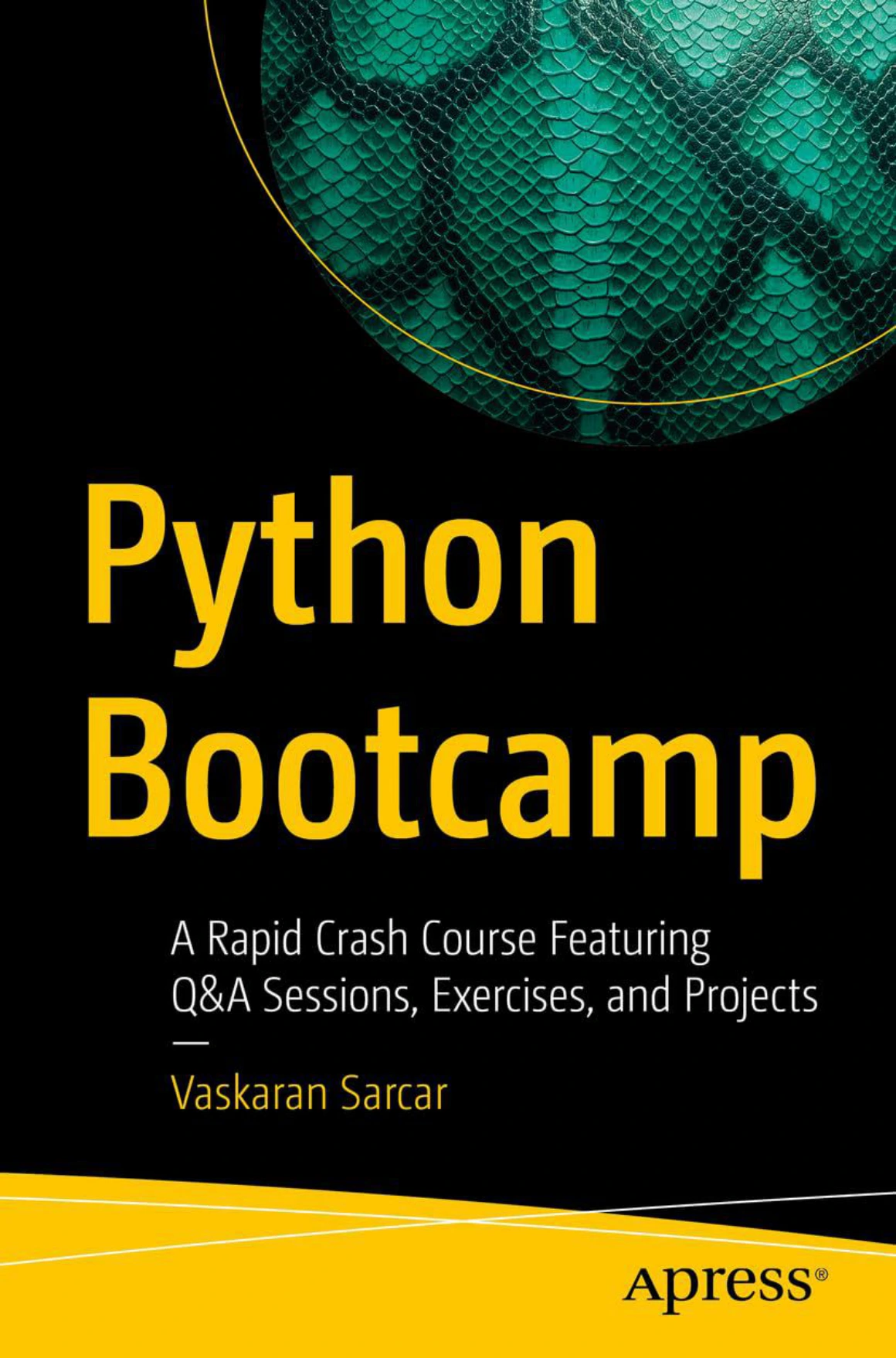
Python Bootcamp: A Rapid Crash Course Featuring Q&A Sessions, Exercises, and Projects
Beginners who want Python fundamentals alongside Q&A, exercises, and projects.
Use documentation when you need it
Documentation is part of learning, not a sign that you are doing it wrong. Python changes over time, so check that instructions match the version you have installed. The official What’s New in Python pages track changes between versions.
Learn virtual environments when a project needs packages
You do not need to begin with package management to practise basic syntax. When you start installing third-party packages, Python’s venv documentation explains how to create isolated environments so separate projects can use separate package sets.
What Will Probably Take More Than a Month?
An introductory month will not cover every library, programming technique, or software-development practice. Larger applications require additional skills, including choosing an appropriate structure, testing more thoroughly, working with other people’s code, and maintaining software as requirements change.
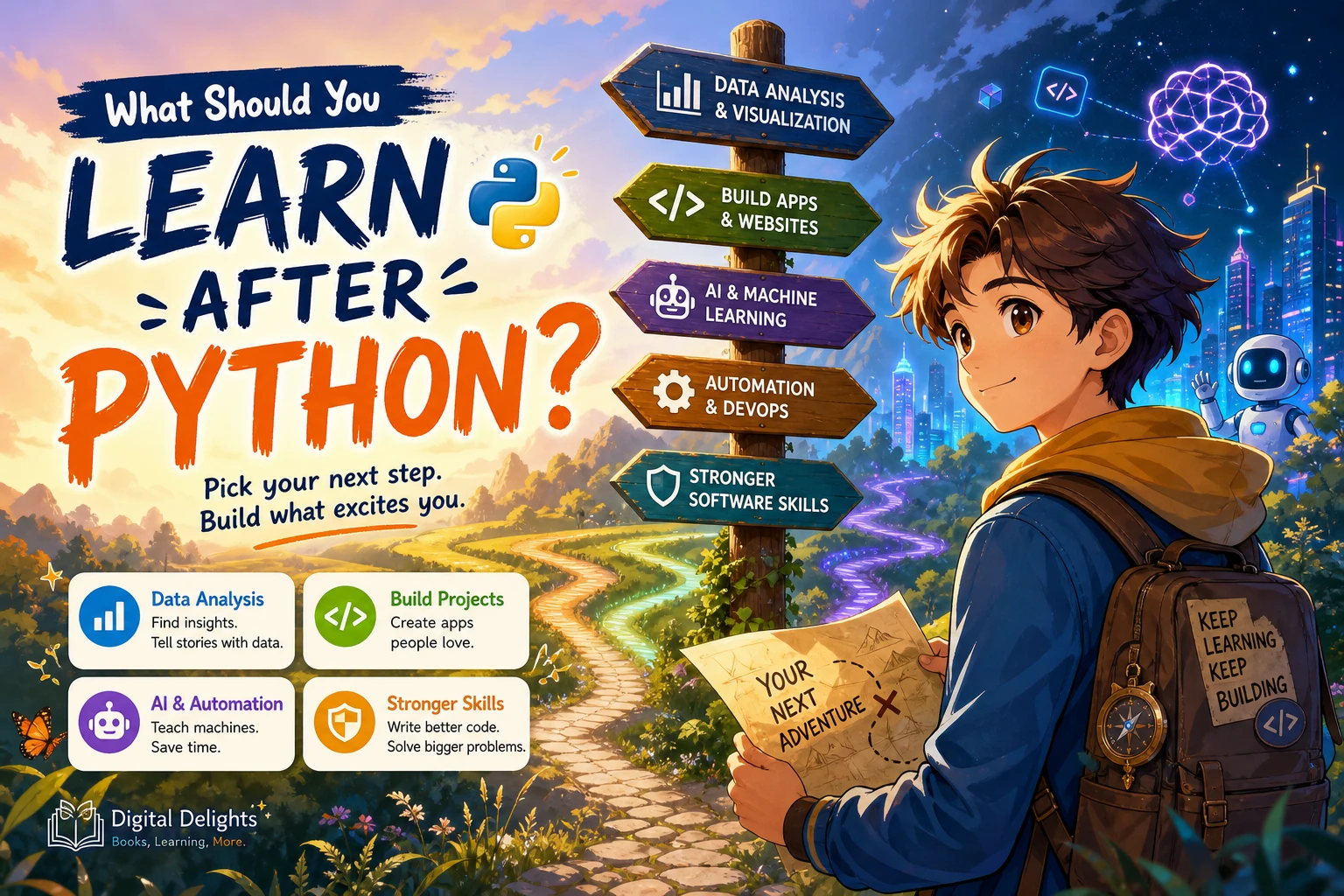
Specializations also add their own learning paths. Data analysis, machine learning, web development, and automation involve tools and concepts beyond basic Python syntax. A first month can give you a foundation for exploring one of those areas, but it should not be treated as mastery of the specialization.
The best next step is usually to choose a small problem that interests you, then learn the additional tools it requires. That keeps further study connected to something you can build rather than turning it into an endless list of topics.
Frequently Asked Questions
Can you learn Python with no coding experience?
You can start with Python without prior programming experience. Focus first on running short programs and understanding one concept at a time. The official tutorial recommends having a Python interpreter available for hands-on practice; it does not establish a universal prerequisite of previous coding experience.
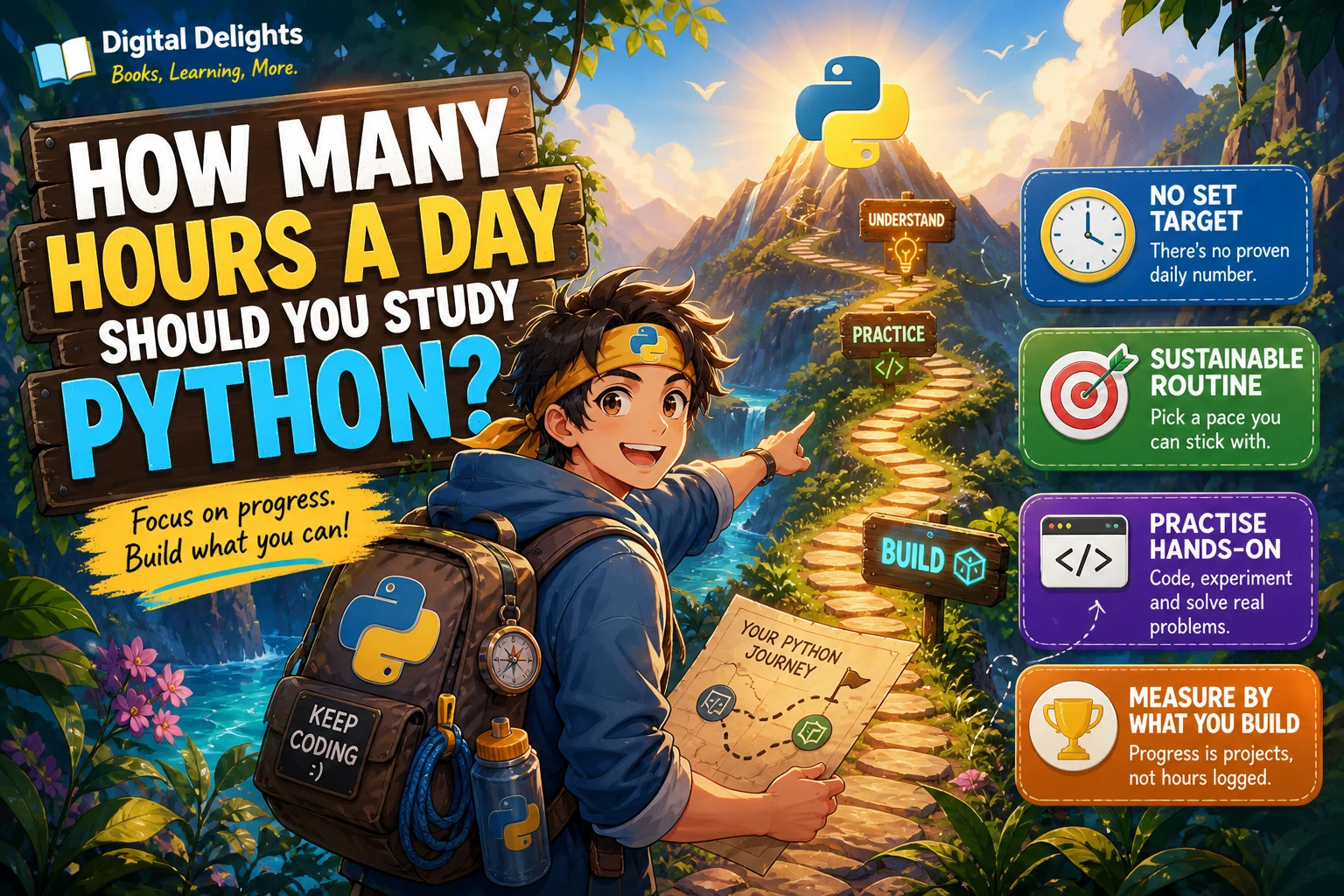
How much should you practise each day?
The available sources do not identify a guaranteed daily practice duration or an hour threshold for learning Python in a month. Choose a repeatable schedule that fits your circumstances, and make sure some of the time involves writing, running, and debugging code. Consistency is a practical planning choice, not a promise of a particular result.
Can you get a job after one month of Python?
One month of beginner study is not a reliable basis for claiming job readiness. Being prepared for a role depends on the work involved and the broader skills it requires, not simply on having studied Python for a set period. Treat the first month as a foundation and assess your progress against the specific responsibilities you hope to take on.
What should you build first?
Choose a small program with a clear finish line, such as a quiz, a number-guessing game, or a basic log that saves information to a text file. A project that uses a few familiar concepts and can be tested is a better first target than an ambitious app that depends on many tools you have not studied.
Conclusion: Treat the First Month as a Foundation
In one month, a beginner can aim to learn Python’s essential building blocks, write and debug small programs, and complete a modest project. The precise outcome will differ from person to person, and no study-hour formula or job-readiness guarantee is supported by the available evidence.
Set a small goal, practise by writing code, and use documentation when you get stuck. Once you can make a simple program work and explain how it works, you have a practical base for the next stage of learning.