

Anatomy drawing books can help artists understand the structure beneath a pose, but studying anatomy is not the same as memorizing every label. For drawing, the most useful knowledge connects form, proportion, movement and observation. This guide outlines eight essential areas to compare when choosing an anatomy resource.
- Gesture
- Proportion
- Simple forms
- Skeleton landmarks
- Major muscle groups
- Balance and weight
- Hands, feet and heads
- Application from memory
How anatomy drawing books support artists
The purpose of artistic anatomy is to make the figure easier to construct and revise. A helpful resource shows how visible forms relate to underlying structure, how those forms change during movement and how to simplify detail. The best anatomy drawing books connect explanation with repeated drawing exercises.
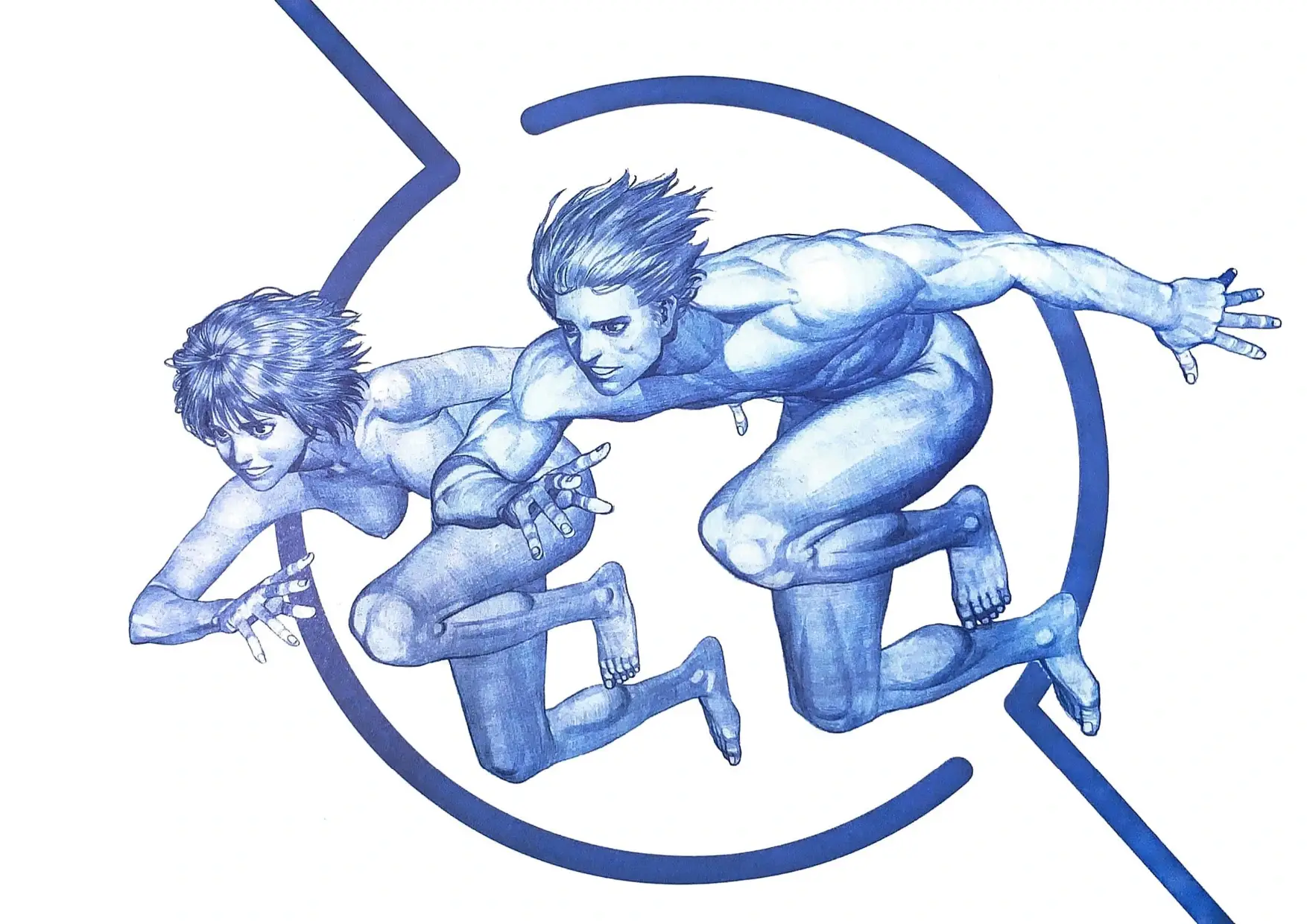
1. Gesture before detail
Gesture captures direction, rhythm and energy. Starting with movement prevents a figure from becoming a collection of disconnected parts. Look for lessons that begin with action lines, simple masses or short timed studies.
2. Proportion as a flexible system
Proportion guides construction, but people vary and poses change apparent measurements. A good book presents proportion as a reference rather than an inflexible formula. Practice comparing relationships such as shoulder width, pelvis angle and limb length.
3. The body simplified into forms
Boxes, cylinders, wedges and spheres make the figure easier to rotate in space. Anatomy drawing books should help you translate complex contours into forms that show direction and volume before adding surface detail.
4. Skeletal landmarks
Certain bones create visible landmarks that help artists place major forms. The collarbones, rib cage, pelvis, elbows and knees are useful orientation points. Focus first on landmarks that affect the silhouette and major changes of direction.
5. Major muscle groups
Artists rarely need to draw every muscle independently. Begin with the large groups that influence shape and movement. Useful instruction shows origins, insertions or function in plain visual terms and compares relaxed, stretched and contracted forms.
6. Balance, weight and compression
A believable pose needs a clear center of gravity. Study which leg carries weight, how the pelvis tilts and where soft forms compress or stretch. These relationships often matter more than small anatomical detail.
7. Focused study of heads, hands and feet
These areas combine complex structure with expressive importance. Choose focused chapters when one area repeatedly causes difficulty. Break each subject into large planes and simple masses before studying smaller joints and features.
8. Drawing from memory and reference
Reference builds observation; memory reveals understanding. After copying a diagram, close it and redraw the idea, then invent a new angle. Compare the result and correct it. This cycle turns information into usable knowledge.
How to choose anatomy drawing books
Check the intended level, language, type of illustrations and balance between explanation and exercises. Medical atlases prioritize identification; artist resources prioritize construction and visible form. The U.S. National Library of Medicine’s Historical Anatomies on the Web offers useful context on how anatomy has been illustrated over time.
If you are new to drawing, begin with the broader drawing books for beginners guide. You can also explore the Art & Design eBooks page and the live Art collection. Always confirm the product language and digital format before ordering.
A balanced weekly anatomy routine
- Two short gesture sessions.
- One focused landmark or muscle study.
- One drawing from a clear reference.
- One redraw from memory.
- One invented pose using the week’s idea.
Use anatomy drawing books as maps rather than checklists. Return to the same topic in different poses, record recurring mistakes and allow construction skills to develop gradually.
Find a resource for figure study
Compare anatomy drawing books and related art resources, then use the product page to verify current details.
Browse Art eBooksExplore All Books
Coding Art: The Four Steps to Creative Programming with the Processing Language
Calligraphy for Beginners: Hand Lettering Made Easy Using Faux Calligraphy
Prompting for Prompts: Unlocking Ai Art with Meta Prompting | Prompting for Prompts