
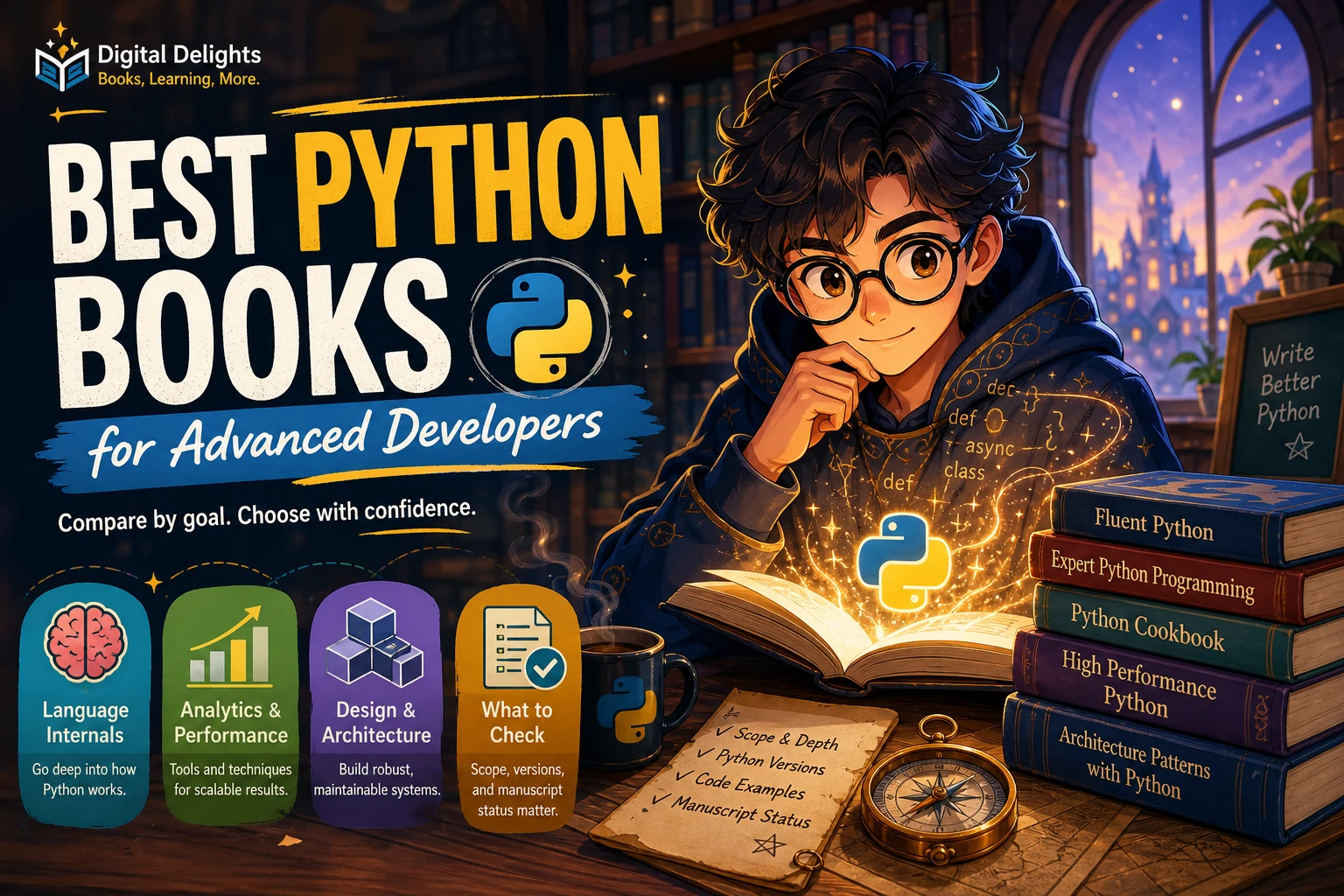
Best Python Books for Advanced Developers
Choosing an advanced Python book is less about finding a single winner and more about identifying the skill you want to strengthen. A book on language internals can deepen your understanding of descriptors and metaclasses; a performance title can help you investigate bottlenecks in data workloads; a recipe collection can offer solutions to specific programming tasks.
For advanced language features, The Python Master is the clearest fit among the catalog titles reviewed. For performance work involving analytics, High Performance Python for Data Analytics has a more specialized scope, though its catalog entry identifies it as a MEAP Version 2 manuscript rather than confirming a finished edition. The right choice depends on your current project and the areas of Python you want to understand better.
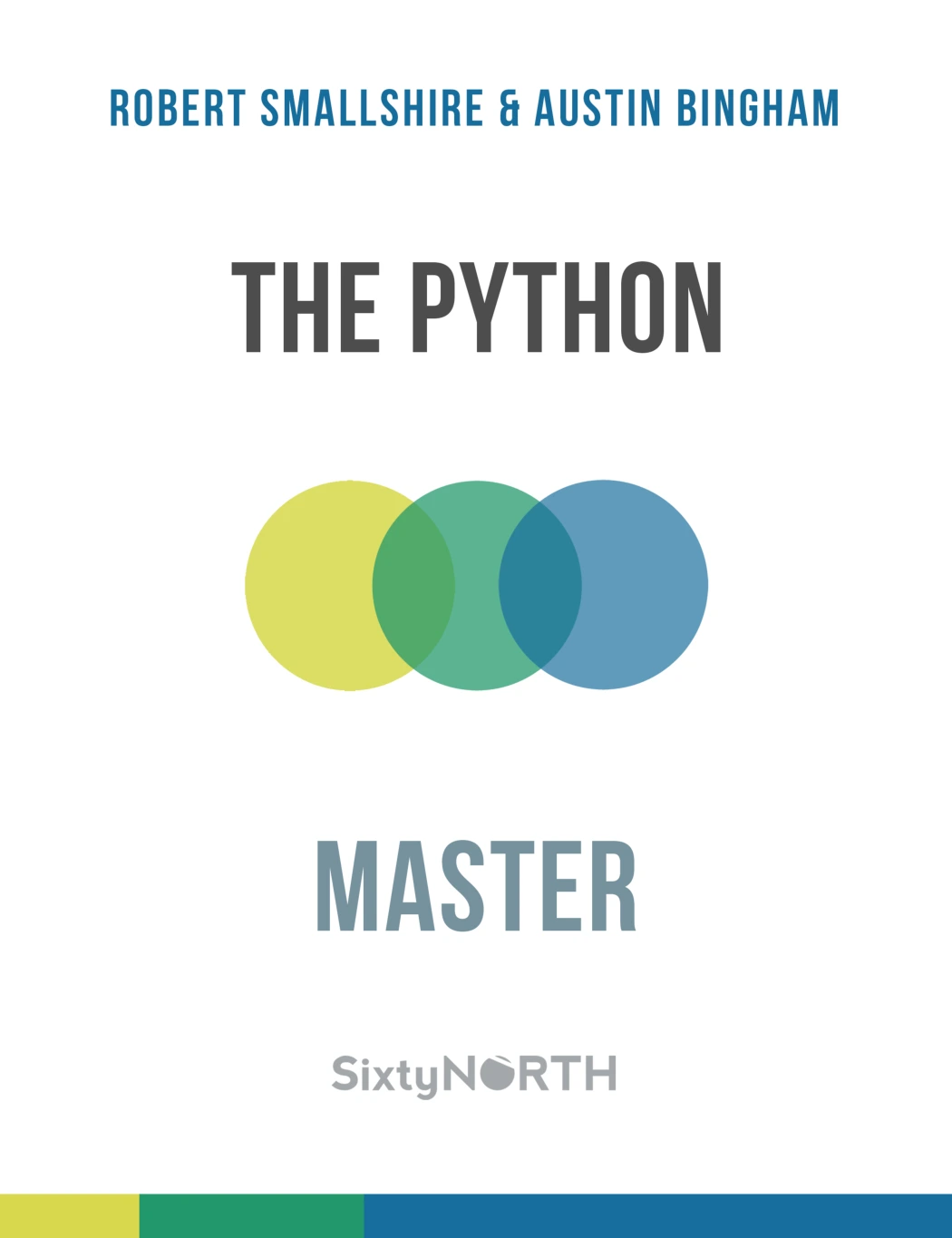
Experienced Python developers interested in descriptors, metaclasses, object internals, and byte-oriented programming.
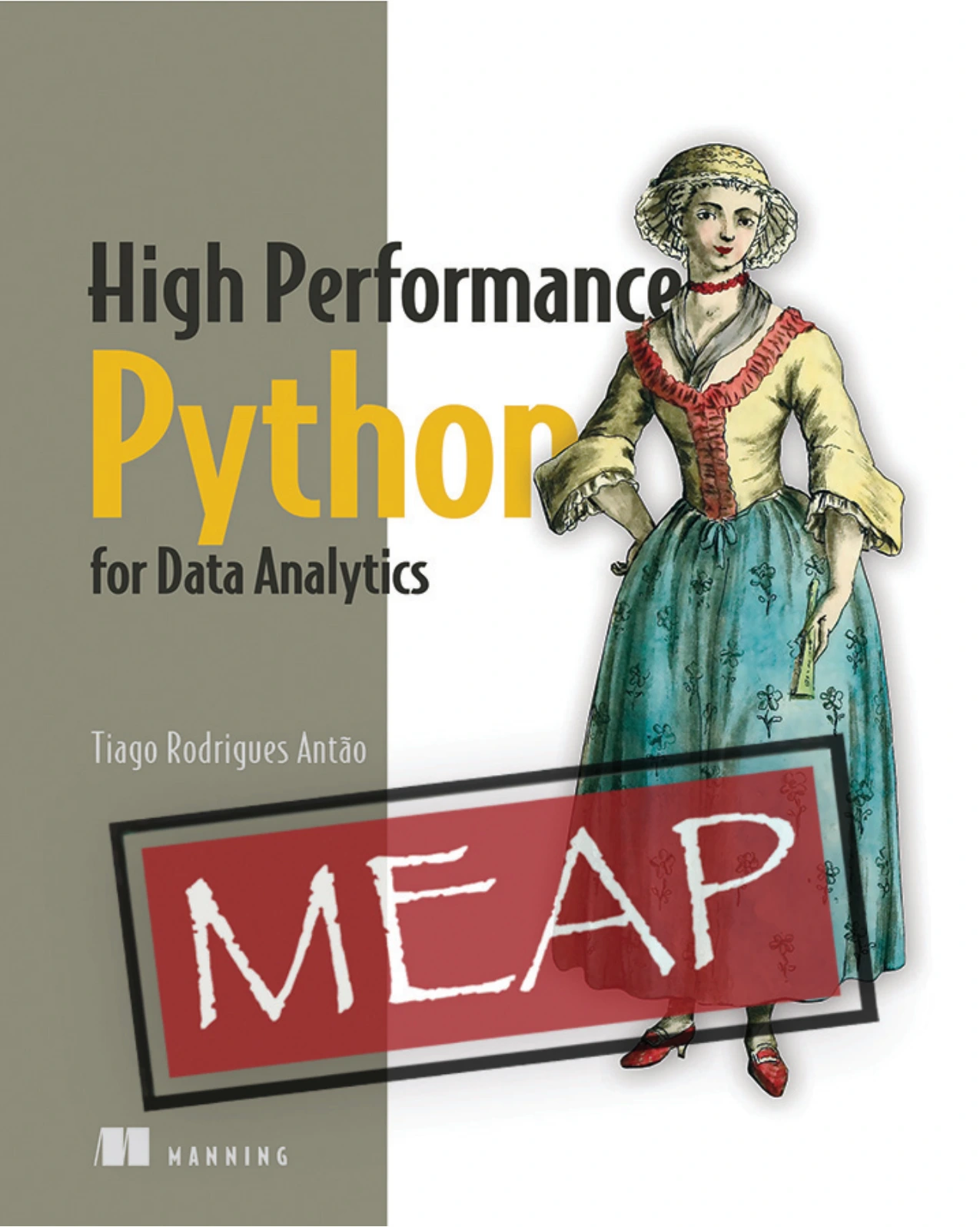
High Performance Python for Data Analytics
Python users working with analytics who want to explore optimization topics such as NumPy, Pandas, parallelism, and storage, after checking the manuscript’s current status.
How to choose an advanced Python book
Before selecting a title, identify the problem you want the book to help you solve. “Advanced Python” can mean language mechanics, writing clearer code, optimizing a data pipeline, or finding a focused solution to a recurring task. These goals call for different kinds of reading.
Start with your current level
Advanced books assume you can already work comfortably with everyday Python: functions, classes, exceptions, collections, modules, and common patterns. If those topics still require frequent reference, a book focused on internals may be difficult to use as your main learning resource. Choose a text that addresses your next learning step, not simply one with the most advanced-sounding title.
Match the scope to your goal
- Understand how Python works: Look for coverage of the data model, object behavior, descriptors, or metaclasses.
- Improve performance: Choose a resource that discusses profiling, bottlenecks, memory, computation, and ways to measure changes.
- Optimize data workloads: Check whether its examples address the libraries and data-processing tasks you actually use.
- Find solutions to specific tasks: Recipe-style books can be handy, but check their publication and Python-version assumptions.
Check Python and dependency assumptions
A book’s publication date alone does not tell you whether every example will work unchanged in your environment. Check the publisher’s information, errata, companion code, and the versions of Python and third-party libraries used in examples. One notable example is Python Cookbook, 3rd Edition: its publisher states that the recipes were written and tested with Python 3.3, so readers using newer environments should treat it as a source of ideas and verify code before adopting it (publisher’s preface).
Advanced Python books by learning goal
For language internals and advanced features: The Python Master
The Python Master by Robert Smallshire and Austin Bingham focuses on language features beyond the intermediate level. The catalog description includes object internals, attribute access, descriptors, customizing instance creation with __new__(), metaclasses, class decorators, abstract base classes, and byte-oriented programming.
This makes it a targeted option for developers who want to understand mechanisms behind Python’s object model and advanced customization tools. It is not a general introduction, nor does every project need metaclasses or custom attribute access. Read it with a practical question in mind: could this feature make a design clearer, or is a simpler implementation preferable?
For idiomatic Python and broader conceptual study
Some experienced developers want to go beyond isolated features and build a broader mental model of the language: how Python’s data model, protocols, generators, concurrency, and metaprogramming fit together. Fluent Python, 2nd Edition is described by its publisher as intermediate-to-advanced and covers areas including those topics. It is a reference point for readers comparing broad language coverage with a narrower specialist book; it is not listed here as a Digital Delights catalog recommendation. See the publisher’s book description.
For general performance optimization
If slow execution is the problem, seek material that helps you find and measure the cause before changing code. Profiling and bottleneck analysis are more useful starting points than applying optimization techniques indiscriminately. High Performance Python, 2nd Edition is publisher-described as an intermediate-to-advanced title covering topics such as profiling, CPU and memory bottlenecks, NumPy, Cython, concurrency, and clusters. These are useful scope markers when comparing performance resources, but the catalog evidence supplied for this article does not include that title as a product. Its publisher description is available from O’Reilly.
For performance in data analytics: High Performance Python for Data Analytics
This catalog-listed manuscript focuses on making Python data-analysis work more efficient. Its described topics include efficient use of Python features, concurrency and parallelism, asynchronous processing, NumPy, Cython, Pandas, Apache Arrow, storage, and GPU computing. That scope may suit experienced Python users working with data workloads rather than developers seeking a broad survey of advanced language features.
Check its status before choosing it: the supplied catalog identifies this title as “Manning Early Access Program (MEAP), Version 2.” That listing does not establish whether the manuscript is now complete or what its current publication status is. Confirm the available edition and contents before relying on it as a finished reference.
View High Performance Python for Data Analytics.
For task-focused recipes: Python Cookbook, 3rd Edition
Recipe collections are useful when you want to look up a specific technique rather than read a language guide from beginning to end. The publisher describes Python Cookbook, 3rd Edition as covering a range of practical areas, including data structures, concurrency, testing, and C extensions. Its stated Python 3.3 basis is an important caveat for current projects: check examples against your own interpreter and dependencies. This title is included as a comparison point from publisher research, not as a Digital Delights catalog recommendation. See the publisher’s description.
Quick comparison
| Title | Best fit | Scope highlighted in available information | Important caveat |
|---|---|---|---|
| The Python Master | Developers exploring advanced language features | Descriptors, metaclasses, object internals, byte-oriented programming | Specialized topics are not needed in every codebase. |
| Fluent Python, 2nd Edition | Readers seeking broad conceptual coverage | Data model, protocols, generators, concurrency, metaprogramming | Publisher scope is not a like-for-like assessment of learning outcomes. |
| High Performance Python, 2nd Edition | Developers investigating performance | Profiling, bottlenecks, NumPy, Cython, concurrency, clusters | Performance guidance is most relevant when tied to a measured workload. |
| High Performance Python for Data Analytics | Python users improving data-analysis workloads | NumPy, Pandas, parallelism, storage, Cython, Apache Arrow | The catalog lists MEAP Version 2; confirm status and completeness. |
| Python Cookbook, 3rd Edition | Experienced programmers looking up task-oriented examples | Recipes across data structures, concurrency, testing, and extensions | Publisher states examples were written and tested with Python 3.3. |
This is a comparison of stated subject matter, not a ranking based on independent testing. The available sources do not establish which book produces the strongest learning outcomes or which examples run unchanged on every current Python release.
A practical way to read an advanced Python book
- Choose one current problem. For example, investigate slow data transformations, a confusing object model, or a recurring implementation task.
- Select one main book for that goal. Use an internals-focused title for language mechanics and a performance-focused resource for measured bottlenecks.
- Try ideas in a small, isolated example. Keep experiments separate from production code until you understand the behavior and trade-offs.
- Verify versions. Check the Python version, library assumptions, and any publisher errata or companion code relevant to the example.
- Write down the design decision. Record what the technique improves, what complexity it adds, and why it is appropriate for your use case.
Reading an advanced book cover to cover is not always the most useful approach. A focused chapter, followed by a small experiment in your own work, can make specialized material easier to assess and apply.
Frequently asked questions
What should I know before reading an advanced Python book?
You should be comfortable writing ordinary Python with functions, classes, collections, exceptions, and modules. The exact prerequisites depend on the subject: performance or machine-learning material may also assume familiarity with relevant data tools or computing concepts. Check the publisher’s description and contents before starting.
Is one advanced Python book enough?
One well-matched book can be enough for a particular goal, such as understanding object internals or improving a data workflow. It is not necessarily a complete reference for every advanced topic. Start with the area you need now, then choose another resource only if your work calls for it.
Should I study language internals or performance first?
Choose language internals if you want to understand Python’s object model and advanced features. Choose performance material if you have a measurable speed, memory, or throughput problem. If neither is an immediate need, deepen your everyday practice before specializing.
Can I use older Python books with a current Python version?
Sometimes, but do not assume every example will work unchanged. Compare the book’s stated Python baseline with your environment, and verify code and dependency versions. The publisher’s Python 3.3 basis for Python Cookbook, 3rd Edition is a clear reason to check examples carefully.
Is High Performance Python for Data Analytics a completed book?
The supplied catalog entry identifies it as a Manning Early Access Program manuscript, Version 2. That information alone does not confirm its current completion or publication status, so verify the edition and contents before selecting it.
Conclusion: choose by the problem you want to solve
For advanced language features such as descriptors, metaclasses, and object internals, The Python Master is the most directly aligned catalog-listed choice. For experienced developers focused specifically on analytics performance, High Performance Python for Data Analytics is more specialized, with the important qualification that the catalog lists it as MEAP Version 2. Other books may suit broader language study, performance engineering, or task-based lookup, but publisher descriptions alone do not establish a universal best choice.
Choose the scope that matches your work, verify version assumptions, and test what you learn against a small, relevant problem. To browse more titles, visit Digital Delights’ Python books and resources.