
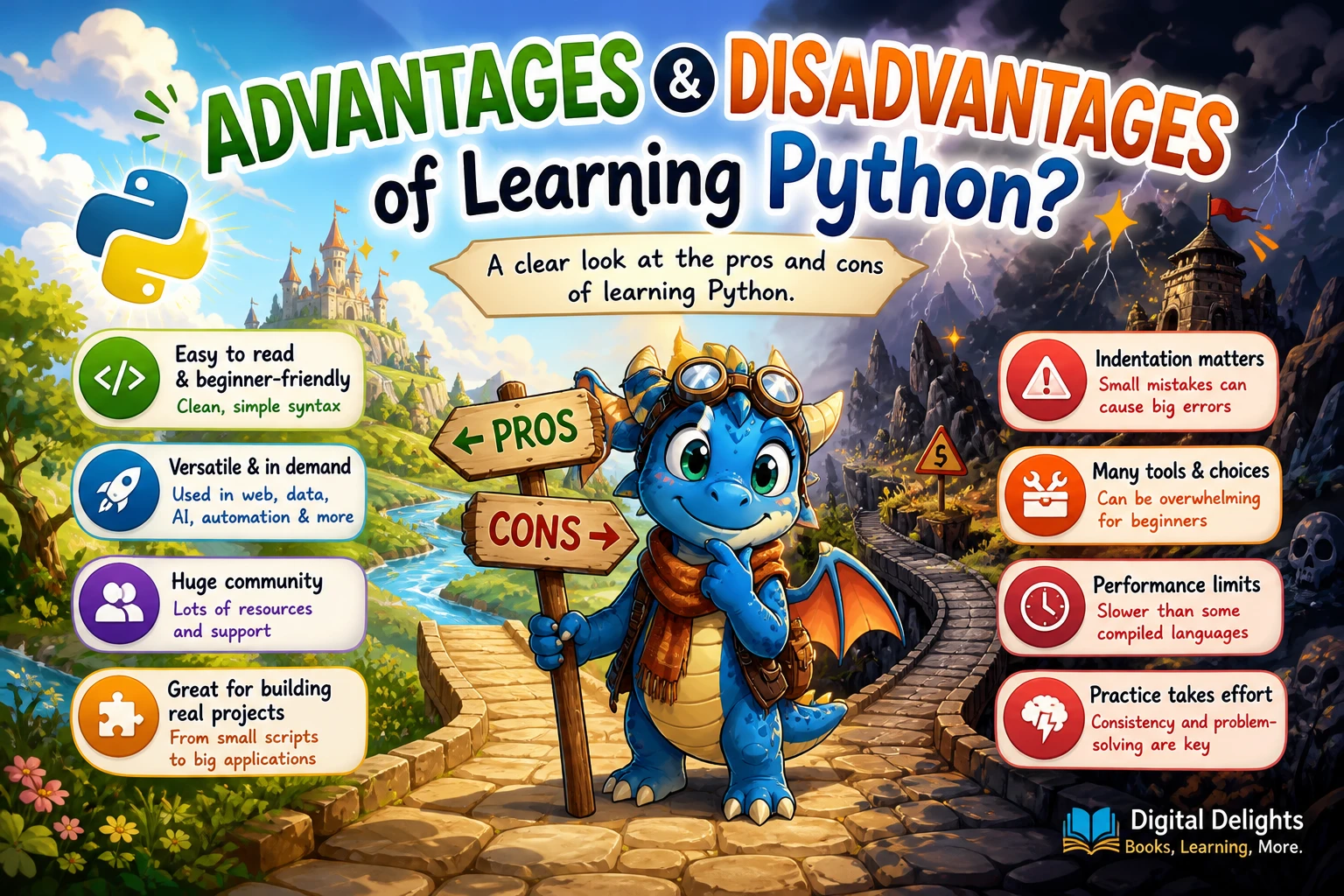
What Are the Advantages and Disadvantages of Learning Python?
Python can be a practical first programming language, but it is not automatically the right choice for every learner or every project. Its readable syntax and wide range of uses make it appealing for beginners, while indentation rules, programming fundamentals, and a large library ecosystem still require attention.
The main advantages and disadvantages of learning Python depend on what you want to do with it. If you want to explore programming, automate tasks, work with data, or build certain kinds of applications, Python offers a flexible starting point. This guide explains the tradeoffs and gives you a simple way to decide whether it fits your goals.
What does learning Python involve?
Learning Python is more than memorizing commands. You will practise reading and writing the language while building general programming skills that help you solve problems. Core topics usually include:
- Syntax and indentation: the rules for expressing instructions and grouping related lines of code.
- Data types and data structures: ways to represent information, such as numbers, strings, lists, and dictionaries.
- Control flow: decisions and repetition using conditions and loops.
- Functions: reusable blocks of code that take inputs and can return results.
- Debugging: finding the cause of errors and checking whether a program behaves as intended.
Python’s official tutorial describes features such as its readable syntax, high-level data structures, and interactive interpreter, which supports experimenting with code. These features can make the language approachable, but they do not remove the need to practise programming concepts. (Python documentation: Whetting Your Appetite)
Advantages of learning Python
1. Its syntax is designed to be readable
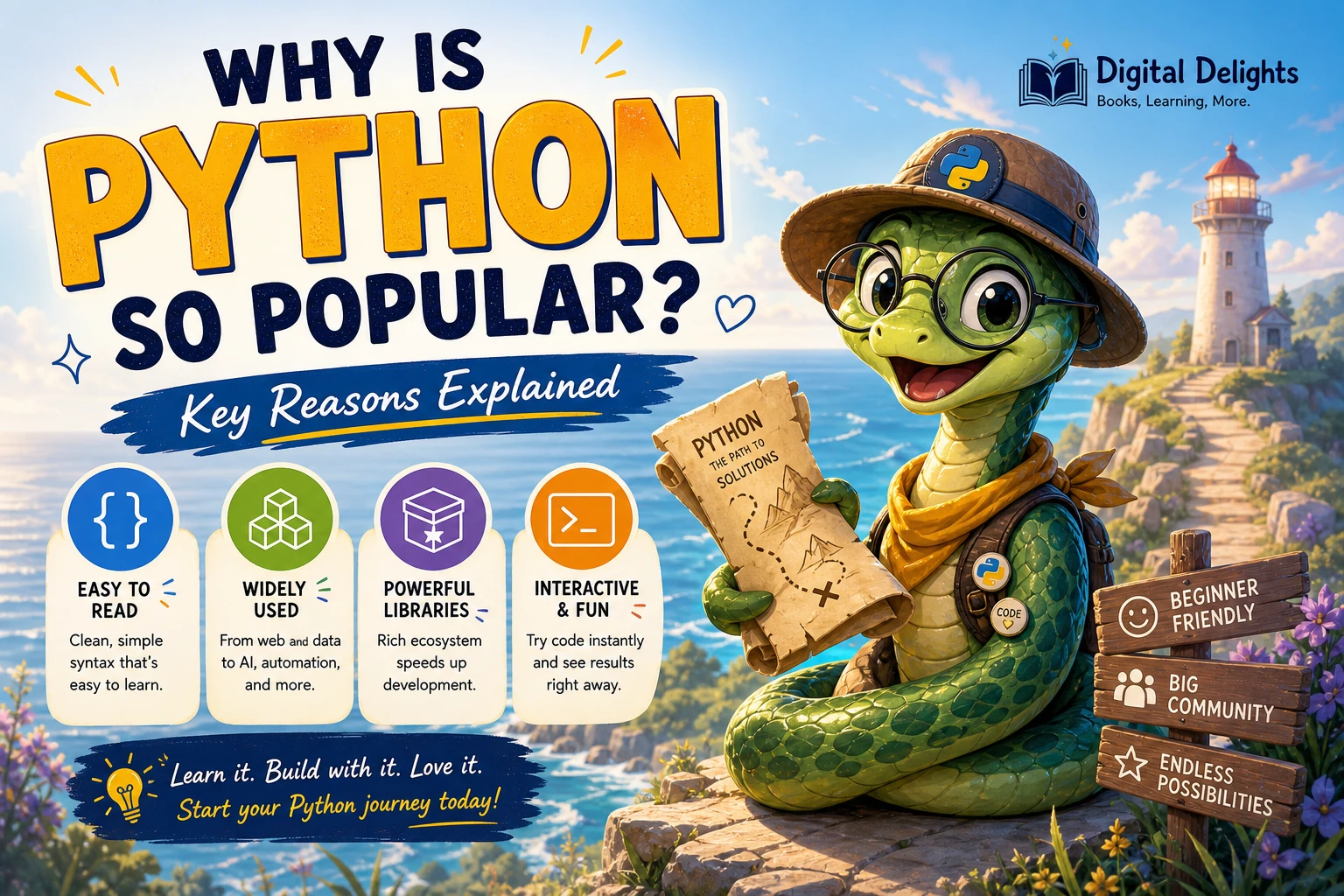
Python code often uses familiar words and relatively little punctuation compared with some other programming languages. That can help new learners focus on what a program is doing instead of deciphering dense syntax. Readability is a language feature, though how easy it feels will vary with each learner and with the concepts being studied.
A short example shows how a loop can repeat an instruction:
for name in ["Mina", "Omar", "Lee"]:
    print("Hello, " + name)
Even simple examples introduce important ideas: a sequence of values, repetition, a variable, and an indented block. As programs grow, clear formatting can make it easier to follow how those pieces fit together.
2. You can experiment interactively
Python includes an interactive interpreter, so you can enter an expression and inspect its result without first building a large application. This is useful for trying out a small idea, checking how a data structure behaves, or learning from an immediate error message.
For instance, you can test a calculation or a string operation on its own before using it in a larger script. Short experiments help make abstract concepts more concrete and encourage a habit of checking assumptions as you work.
3. Python is used in a range of fields
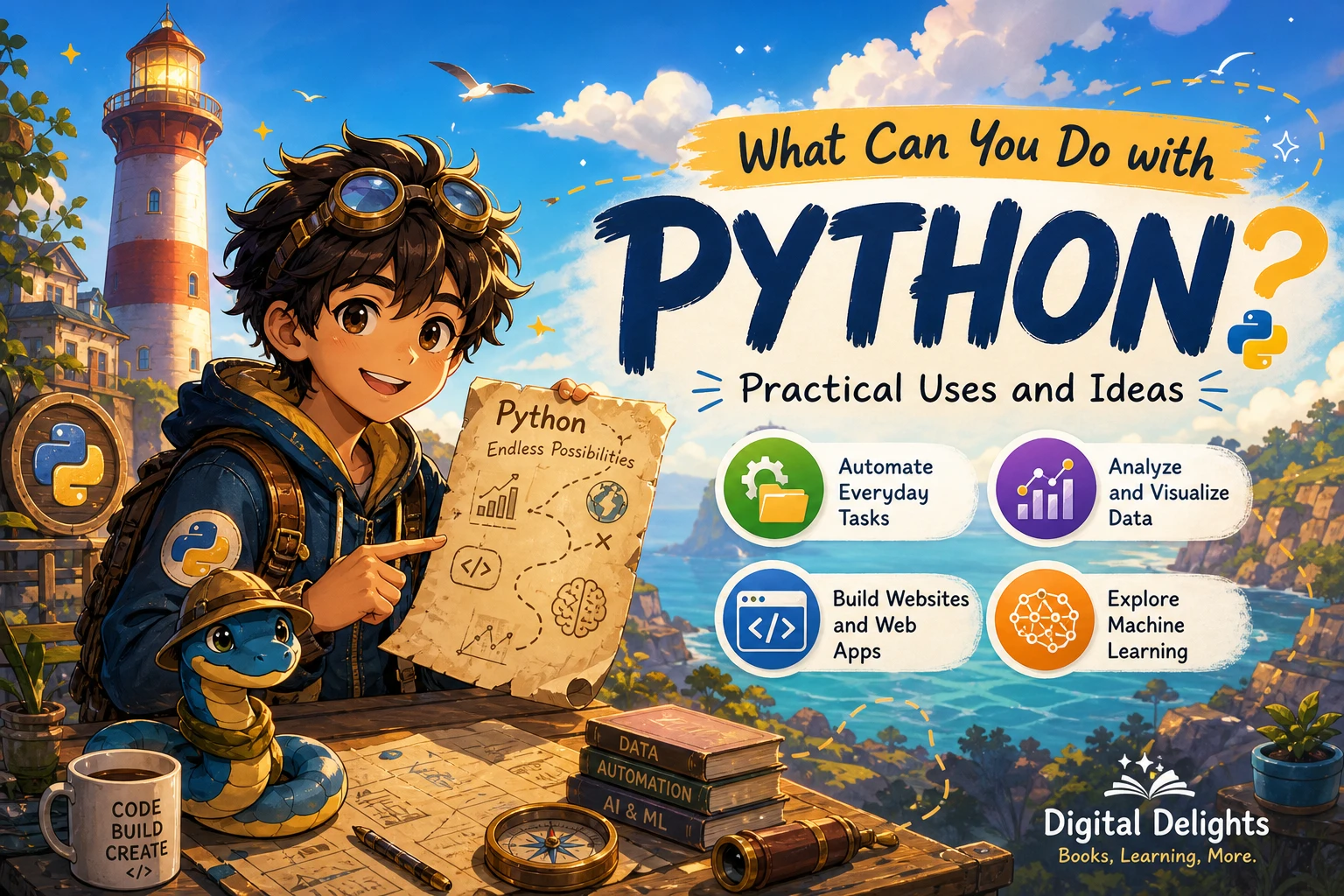
Python appears in areas including web development, scientific and numerical computing, education, desktop applications, and business software. Its standard library and third-party packages give developers tools for many different tasks. The Python website lists these application areas and describes the language’s broader ecosystem. (Applications for Python)
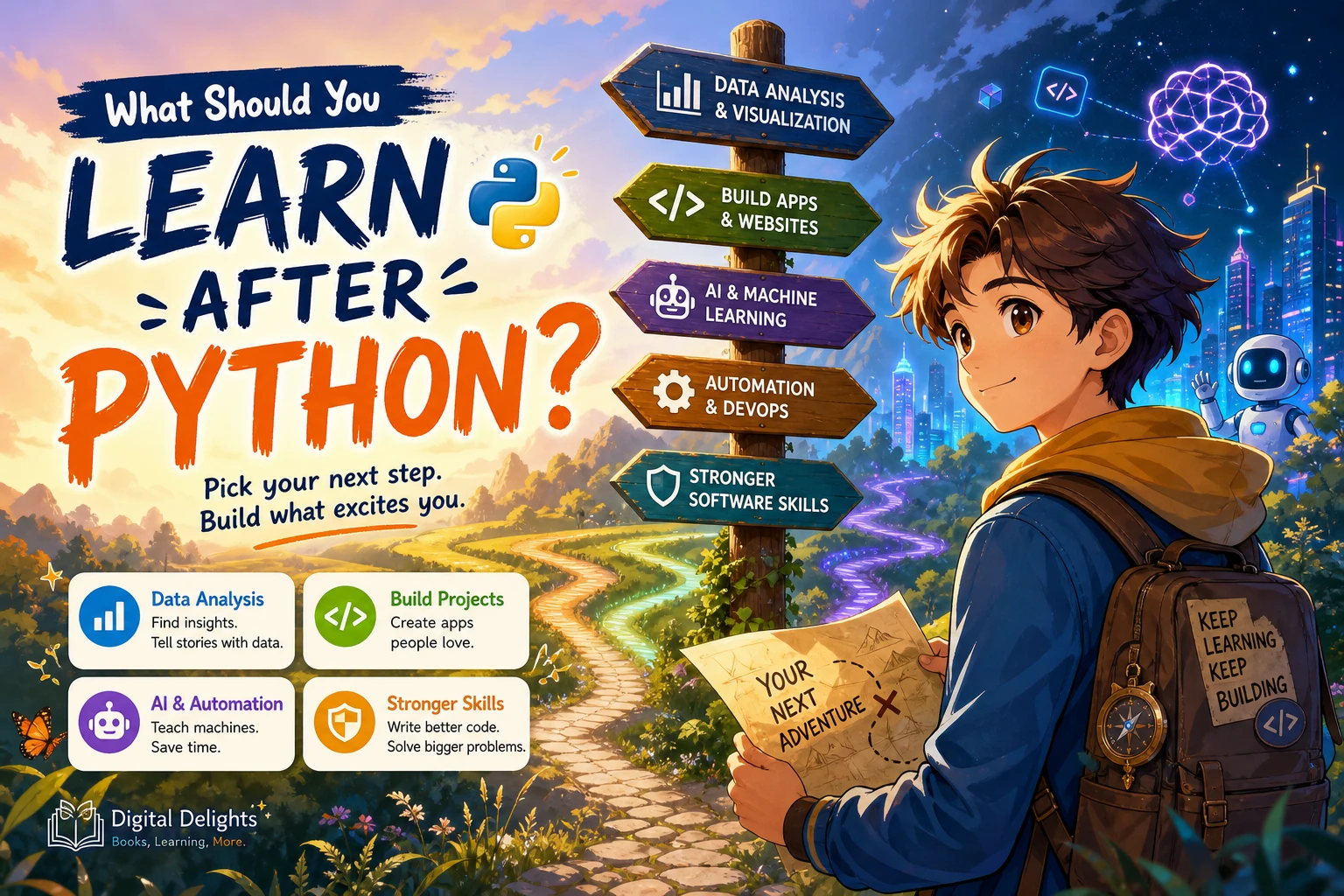
For a learner, that variety creates options after the fundamentals. You might use the same foundation to write a small automation script, analyse a dataset, or explore a web application. The language is not equally suited to every tool or project, but learning the basics can help you investigate more than one direction.
4. The language is free to use
Python is freely usable and distributable, including for commercial use, according to Python.org. That means you can practise without paying a language licence fee. You may still encounter costs related to hardware, hosting, courses, or other services, but the language itself is available without a purchase. (About Python)
5. It teaches foundations that carry into other projects
Variables, conditions, loops, functions, data structures, and debugging are useful concepts beyond Python. Learning how to break a problem into steps, test a solution, and improve it can also help when you encounter another language or technical tool later.
Python’s range of applications also gives learners room to explore without committing immediately to one specialization. A beginner might first write simple scripts, then decide whether data work, web development, or another field is more interesting.
Disadvantages and tradeoffs of learning Python
1. Indentation has to be consistent
Python uses indentation to show which statements belong together. This encourages consistent formatting, but uneven indentation can cause errors or change how code is grouped. Beginners need to get used to indenting blocks correctly, particularly when using conditions, loops, and functions. The language reference explains indentation as part of Python’s lexical structure. (Python documentation: Lexical analysis)
2. Readable syntax does not make programming effortless
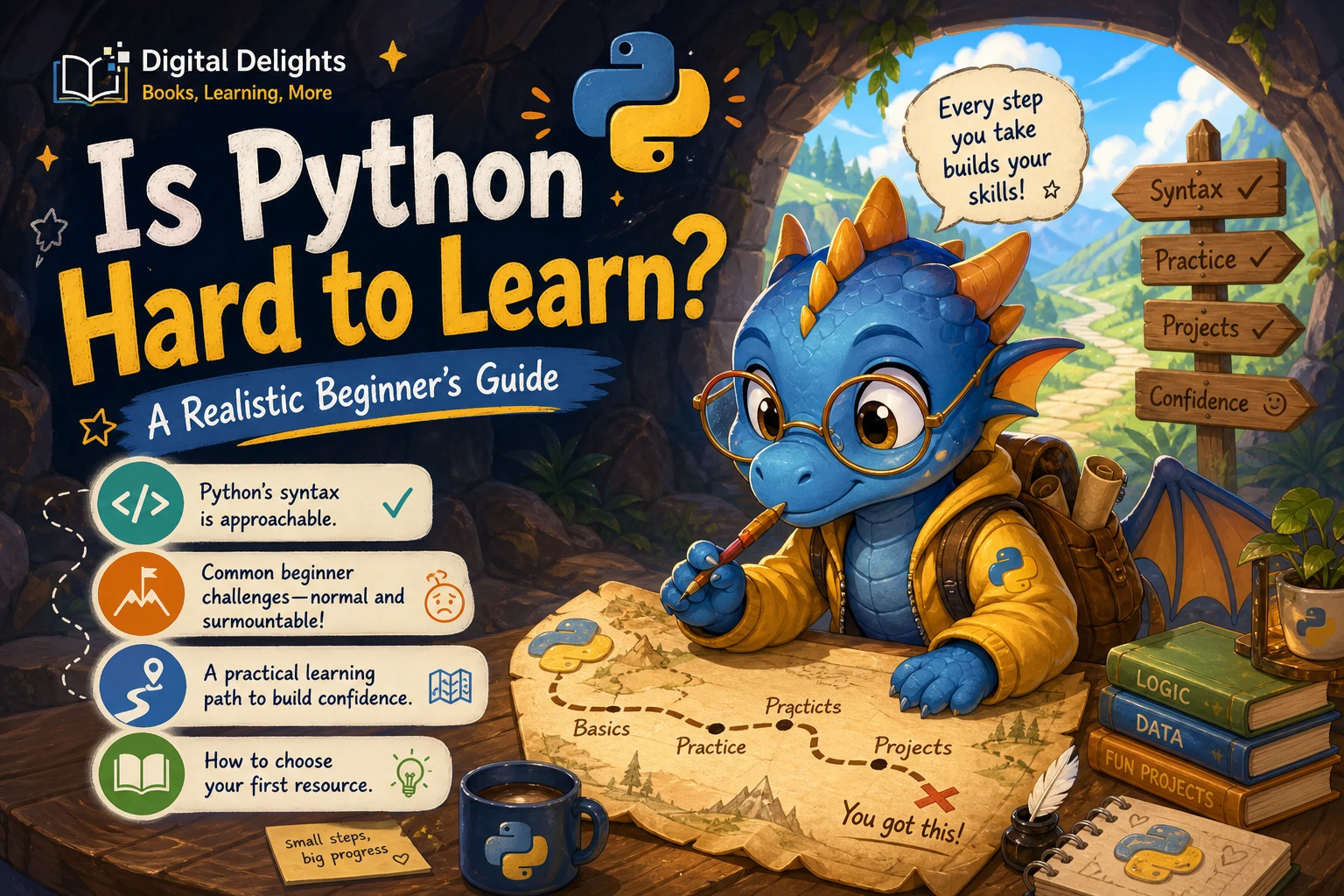
A language can be approachable to read while still asking you to learn how programs work. You will need to understand logic, decompose tasks, interpret errors, and decide how to represent information. A short program may be easy to follow; designing a reliable solution to a less familiar problem takes more thought and practice.
Do not judge your progress only by how quickly you can type code. Being able to explain why a solution works—and find out why it fails—is a more useful sign that you are learning.
3. Choosing libraries and tools can feel overwhelming
Python’s ecosystem is a strength, but it also presents choices. Multiple libraries may address related needs, and tutorials can use different tools or approaches. At the beginning, it is easy to spend more time comparing packages than practising the language itself.
Keep your first steps narrow: learn core Python with one current beginner resource, and add a library only when a project gives you a reason to use it. You do not need to learn the whole ecosystem before writing useful programs.
4. Python may not match every project’s needs
A language’s popularity does not make it the right tool for every task. Some projects are shaped by requirements such as an existing codebase, a platform, a particular framework, or performance constraints. The supplied sources establish Python’s broad use, but they do not provide a task-by-task comparison with other languages. Avoid choosing based on blanket claims that Python is always best—or always unsuitable—for a particular kind of work.
If you already know what you want to build, check the tools and languages commonly used for that specific goal. If you are still exploring, Python can be a reasonable way to learn core concepts before making a more specialized choice.
Who may benefit most from learning Python?
Python may suit you if you want a readable introduction to programming, are curious about automation or data, or prefer to experiment with small pieces of code. It can also be a practical option if a project, class, or workplace already uses it.
You may want to consider another starting language if your immediate goal depends on a specific platform or technology that primarily uses something else. That is not a reason to rule Python out forever; it is a reason to let your intended project guide your first choice.
How to decide whether Python is right for you
Before choosing a course or book, ask yourself:
- What do I want to make or understand? Name a small, concrete goal, such as organizing files, analysing a simple dataset, or creating a basic application.
- Does Python appear in the resources for that goal? Look at a beginner project or a trusted learning path rather than assuming one language covers everything equally well.
- Am I ready to practise and troubleshoot? Expect to run code, make mistakes, read error messages, and revise your approach.
- What learning format helps me stay consistent? Choose a structured guide, exercises, or project-based lessons that give you a reason to write code regularly.
If you want a guided introduction to core topics, Python for Beginners: The Ultimate Crash Course to Learning Python, Data Science, Even If You’re New to Programming covers beginner concepts including variables, data types, functions, and files. For a practice-oriented approach after or alongside the basics, Python Bookcamp: Exercises and Projects includes lessons, case studies, and practical exercises. These are options for different learning preferences, not guarantees of a particular result.
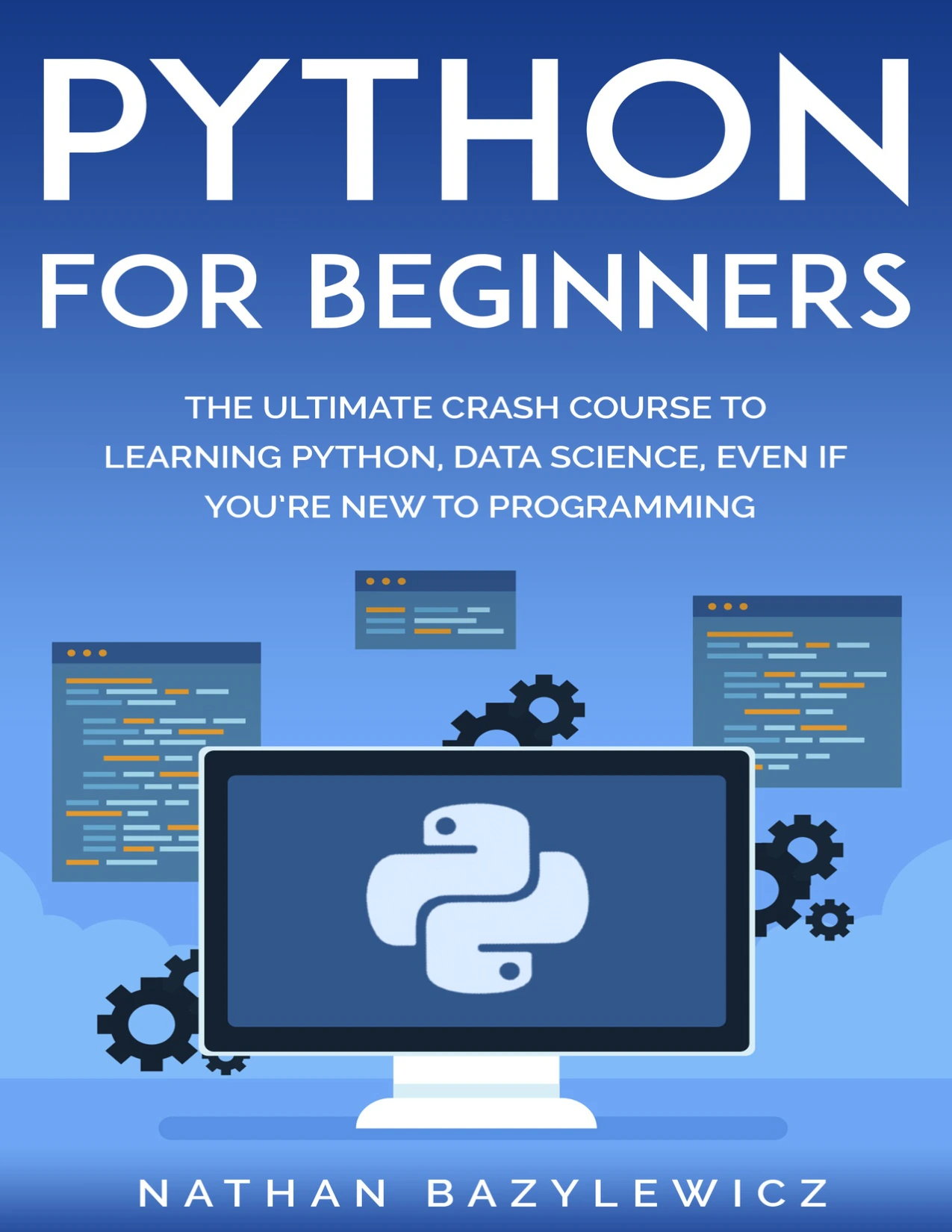
Readers who want guidance through variables, data types, functions, and other introductory topics.
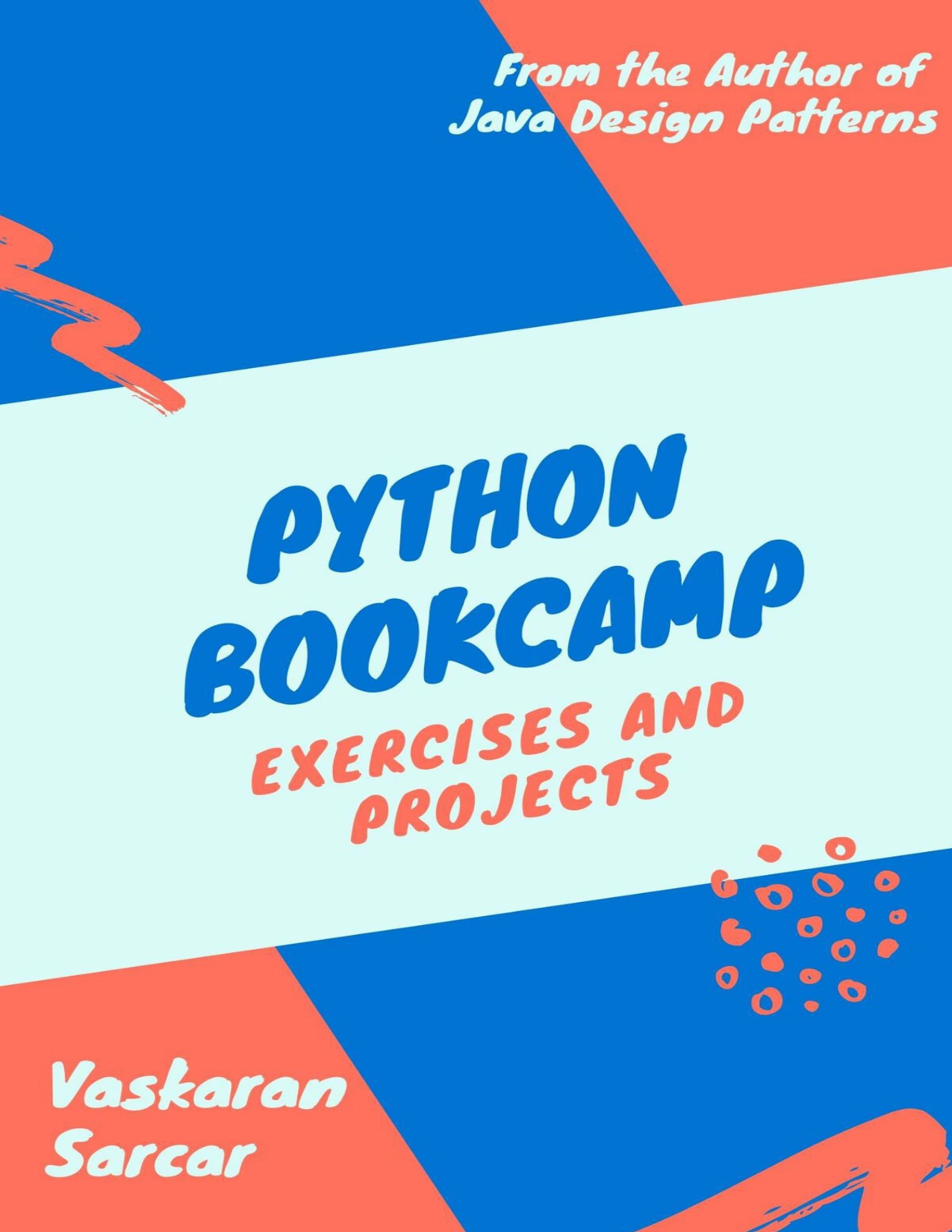
Python Bookcamp: Exercises and Projects
Learners who want to reinforce Python fundamentals by writing and testing code.
Frequently asked questions
Is Python good for beginners?
It can be a good starting point because its syntax is designed to be readable and it supports interactive experimentation. Beginners still need to learn core programming ideas and practise debugging, so choose a resource intended for your experience level rather than expecting the language itself to do the teaching.
What can you build with Python?
Python is used in areas such as web development, scientific and numerical computing, education, desktop applications, and business software. What you can build depends on the tools and libraries involved, as well as the project’s requirements. A small script or analysis is a manageable first project.
Is Python enough to start data science?
Python can be a useful programming foundation for data work, but data science involves more than learning the language. You will also need to learn how to work with data and understand the methods relevant to your goals. Python for Data Science: A Hands-On Introduction is a catalog resource focused on Python data structures, libraries, and data workflows; it is more specialized than a general first introduction.
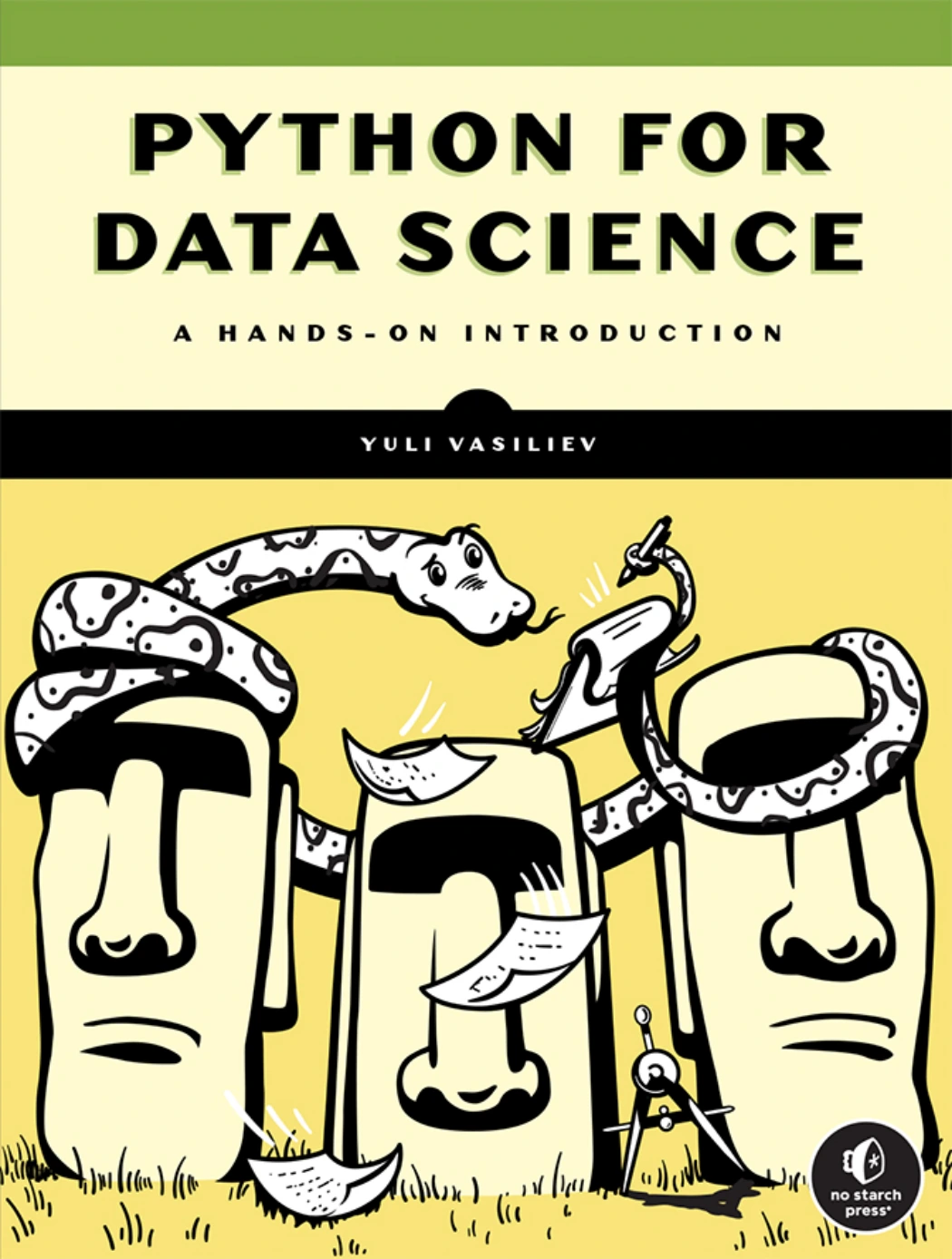
Python for Data Science: A Hands-On Introduction
Readers who have a specific interest in Python data structures, libraries, and data workflows.
Conclusion: weigh Python’s benefits against your goal
Python offers readable syntax, interactive experimentation, broad applications, and a low barrier to accessing the language itself. Its tradeoffs include indentation rules, the effort of learning programming fundamentals, and decisions about which tools to use. Those factors matter, but none makes Python universally right or wrong.
Start with the project or skill you care about, learn the essentials, and build something small enough to finish. If Python fits that goal, regular practice will tell you more than a debate about which language is best.