
Python vs R for Data Science: How to Choose
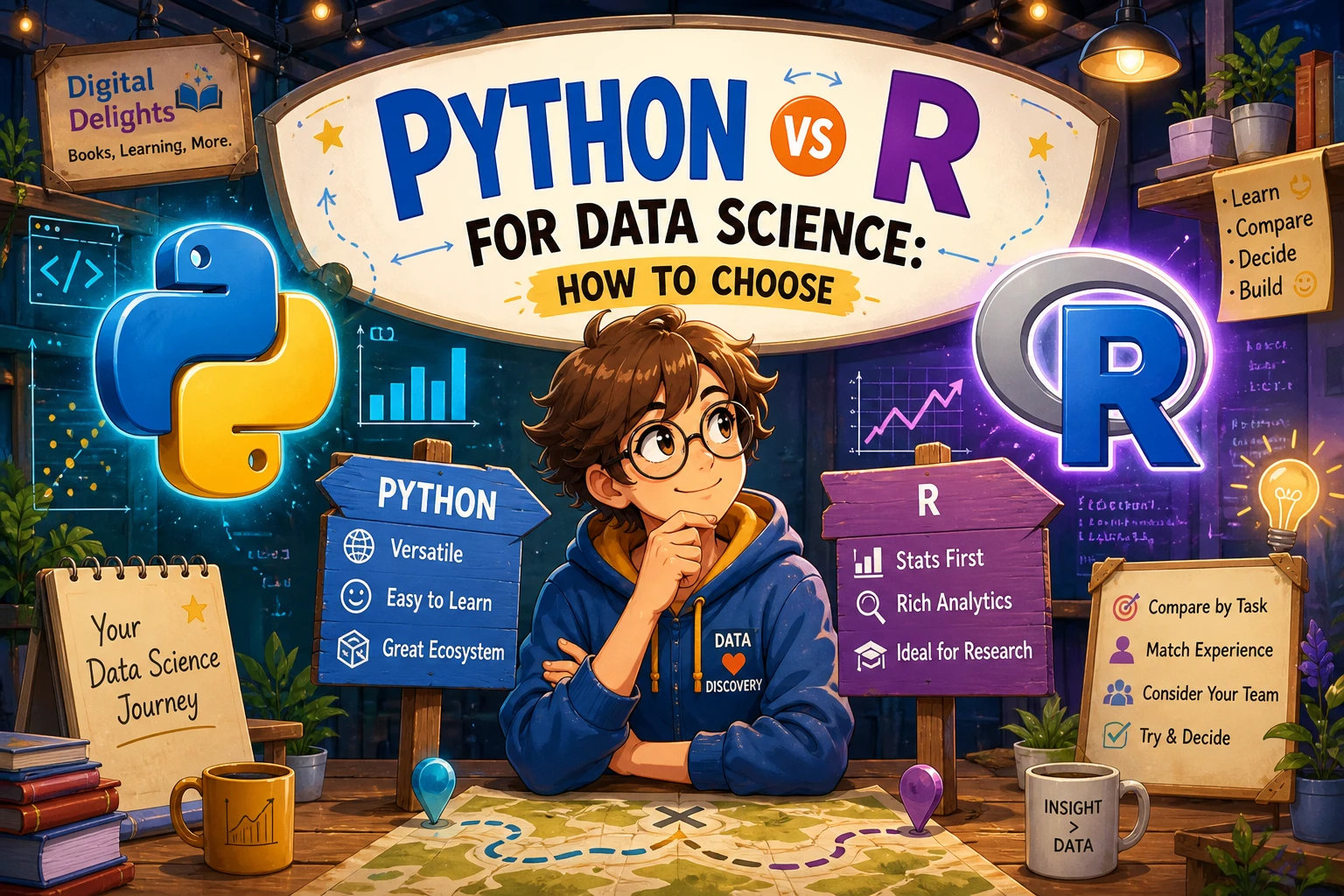
Choosing between Python and R for data science depends on what you plan to do, what you already know, and which tools your team or course uses. Neither language is the universal winner. Python is a sensible starting point if your work connects data analysis with general programming, software, or machine learning projects. R may be a strong fit when your immediate work centers on statistical analysis, research, and data presentation. Both can support substantial analytical workflows, so the practical question is which one helps you make progress on your actual task.
This guide compares Python and R without treating broad claims about jobs, speed, or package quality as settled facts. You will find a quick comparison, a decision guide, a small starter exercise, and suggestions for choosing learning resources.
Python vs R for Data Science at a Glance
| Decision factor | Python | R |
|---|---|---|
| Potential fit | Data work that also involves general-purpose programming, software tools, or machine-learning projects | Statistical analysis, research workflows, and data presentation |
| Typical starting point | Learn core programming, then work with data structures and data-focused libraries | Learn the language and the tools your analysis or research workflow requires |
| Broader scope | Can be used for data analysis and for software beyond data science | Not limited to traditional statistics; publisher materials also describe R-based deep-learning workflows |
| Best deciding evidence | Your project, existing codebase, collaborators, and required libraries | Your project, existing codebase, collaborators, and required packages |
This is a decision aid, not a ranking. A 2018 O’Reilly comparison also frames the choice around a reader’s background, tasks, and work environment. Its age matters: broad claims in that book about where each language is more common should not be treated as a current measurement. Publisher descriptions likewise show examples of what each ecosystem can cover, but do not establish that one language performs better overall.
When Python May Be the Better Fit
Python is worth considering if you want one language for data tasks and other programming work. It can suit a project where data preparation or analysis is part of a larger application, automation workflow, or machine-learning system. That flexibility can be useful, but it does not make Python the automatic choice for every statistical or research task.
You want to connect analysis with software
If the project is likely to grow beyond a notebook—for example, into a reusable script, service, or application—consider how Python fits with the rest of the software your team maintains. The practical benefit depends on your actual environment and the libraries you need, not simply on the language’s general-purpose character.
Your learning goal includes Python data tools
For a learner who has chosen Python, Python for Data Science: A Hands-On Introduction is a focused option from the catalog. Its described coverage includes Python data structures, data-oriented libraries, working with files, APIs and databases, visualization, and an introduction to machine learning. It is intended for readers who want to use Python with data, rather than for readers seeking a balanced Python-versus-R comparison.
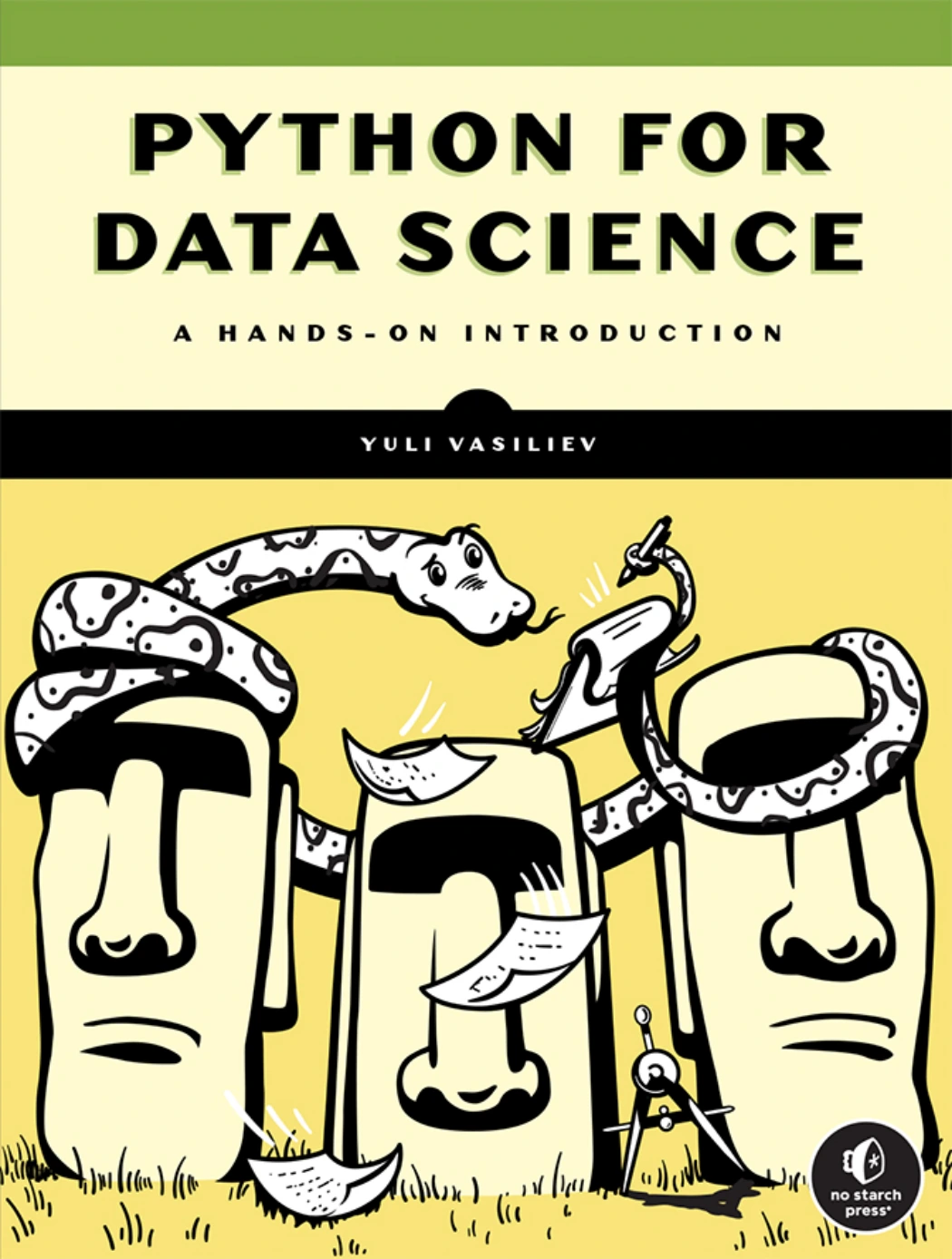
Python for Data Science: A Hands-On Introduction
Learners who want an example-driven introduction covering Python data structures, data access, visualization, and machine-learning basics.
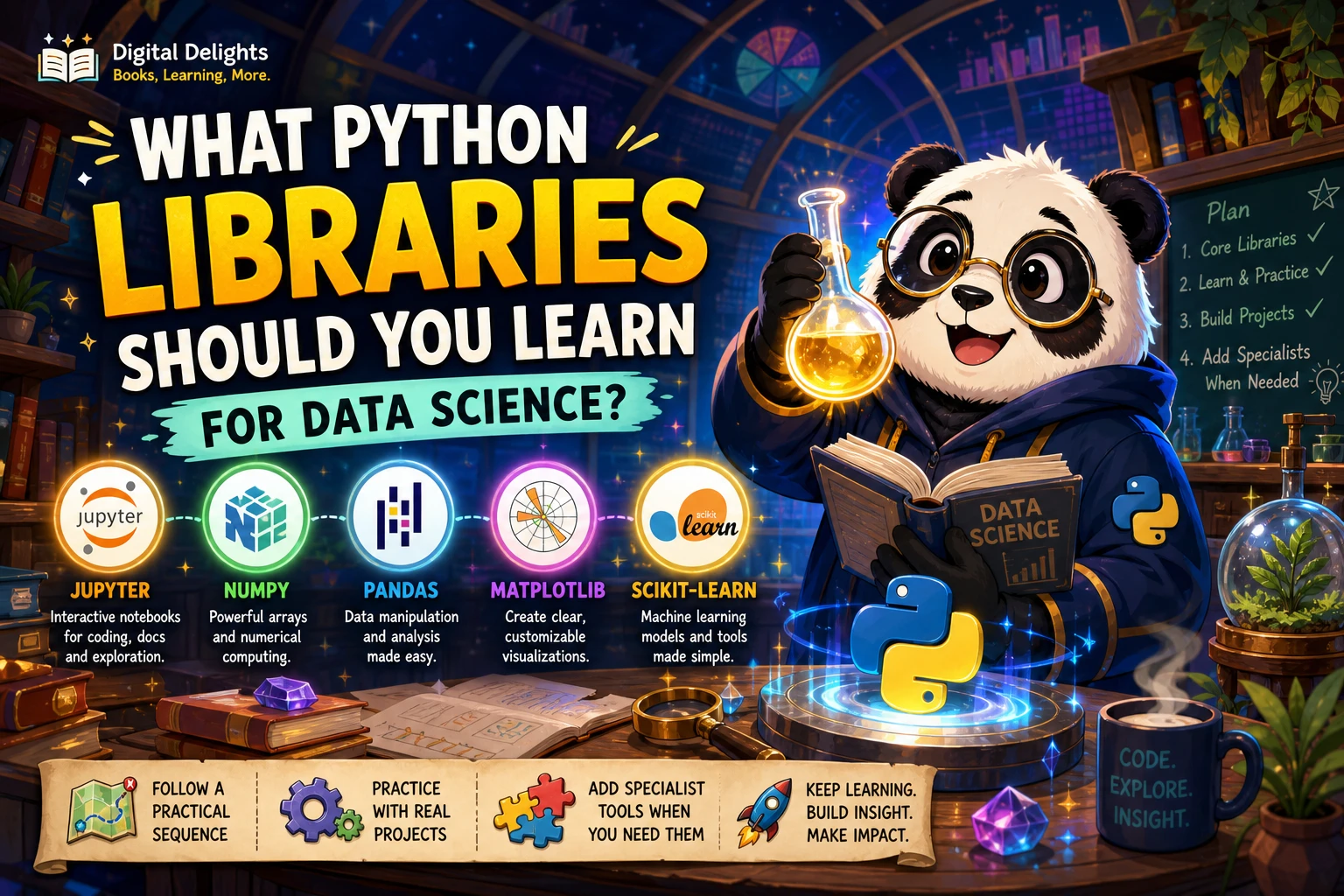
If your immediate goal is working with tabular data, Python for Data Analysis: Data Wrangling with pandas, NumPy, and Jupyter, Third Edition focuses on Python data analysis workflows, including loading, cleaning, reshaping, and summarizing data. It is a more specific fit once you want to concentrate on those tools and tasks.
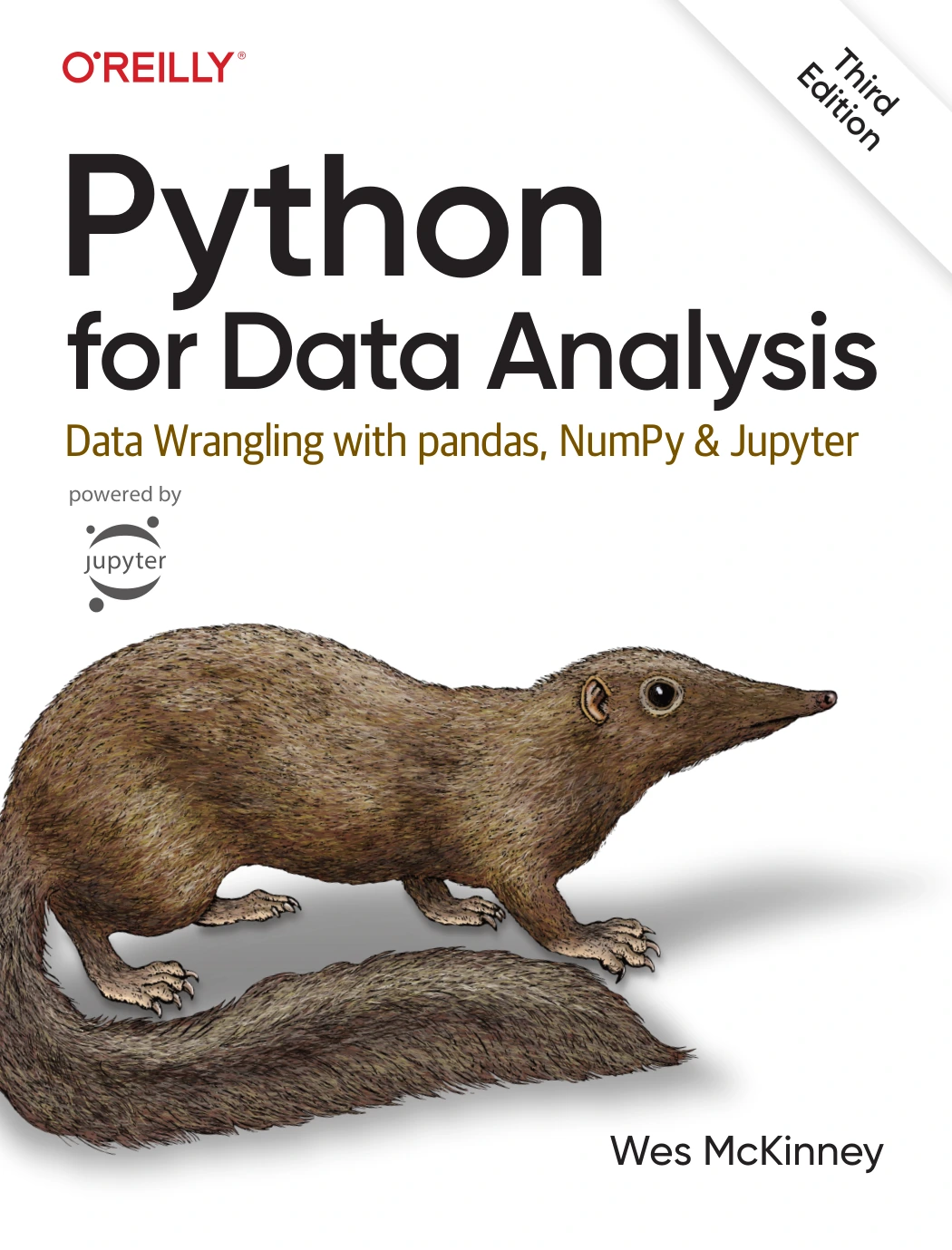
Python for Data Analysis: Data Wrangling with pandas, NumPy, and Jupyter, Third Edition
By Wes McKinney
Readers seeking coverage of pandas, NumPy, Jupyter, data loading, cleaning, reshaping, and analysis.
When R May Be the Better Fit
R deserves serious consideration when your work is centered on statistical analysis, research, or presenting analytical results. A course, lab, workplace, or collaborator may already rely on R and its packages. If so, learning the tools used in that setting may be more immediately useful than choosing a language based on a generalized comparison.
Do not reduce R to “statistics only.” Manning’s book descriptions include R material on statistical analysis, presentation, and predictive models, as well as a 2026 edition on deep-learning workflows that describes topics extending to transformers and generative AI. These publisher descriptions show that R learning resources address more than traditional statistical methods; they are not independent proof of parity or superiority across every task.
The supplied Digital Delights catalog includes relevant Python data-science books, but no clearly identified R-focused learning resource. If you choose R, select a current R-specific guide that matches your experience and the packages your course or project requires.
Compare the Practical Decision Factors
1. What do you need to accomplish?
Write down the task before choosing a language. “Analyze a small survey for a research report” is more useful than “learn data science.” So is “prepare data and build a model that will be part of an existing software project.” Then check which language and tools your project already uses.
2. What do you already know?
Existing programming experience can affect where you begin. If you already work in one language, learning its data tools may be an efficient first step. If you are new to programming, choose a learning resource that teaches the language fundamentals you need rather than assuming you already know them. The official Python tutorial, for example, says it is intended for people new to Python but assumes basic programming knowledge.
3. What does your team, course, or institution use?
Shared tools have practical value. A language already used by your collaborators may make it easier to follow existing scripts, share work, and use established project conventions. Ask about the required language and packages before investing in a long learning path.
4. Which packages and learning materials match your project?
Do not choose solely by a language’s reputation. Look for the specific methods, file formats, visualizations, and deployment approach you need. Check the documentation and maintenance status of the packages involved, and confirm that a learning resource covers your version and level of experience.
5. How will you reproduce or share the analysis?
Regardless of language, keep track of the interpreter or runtime, package versions, input data, and steps used to create the result. That makes it easier for you or a collaborator to rerun the work later. For a team project, follow the team’s existing environment and dependency practices where possible.
Can You Learn or Use Both Python and R?
Yes. Learning a second language can be useful when a new project, role, course, or collaborator requires it. You may also encounter work that combines tools across languages. But beginners usually benefit from learning one language well enough to complete a full analysis before splitting their attention.
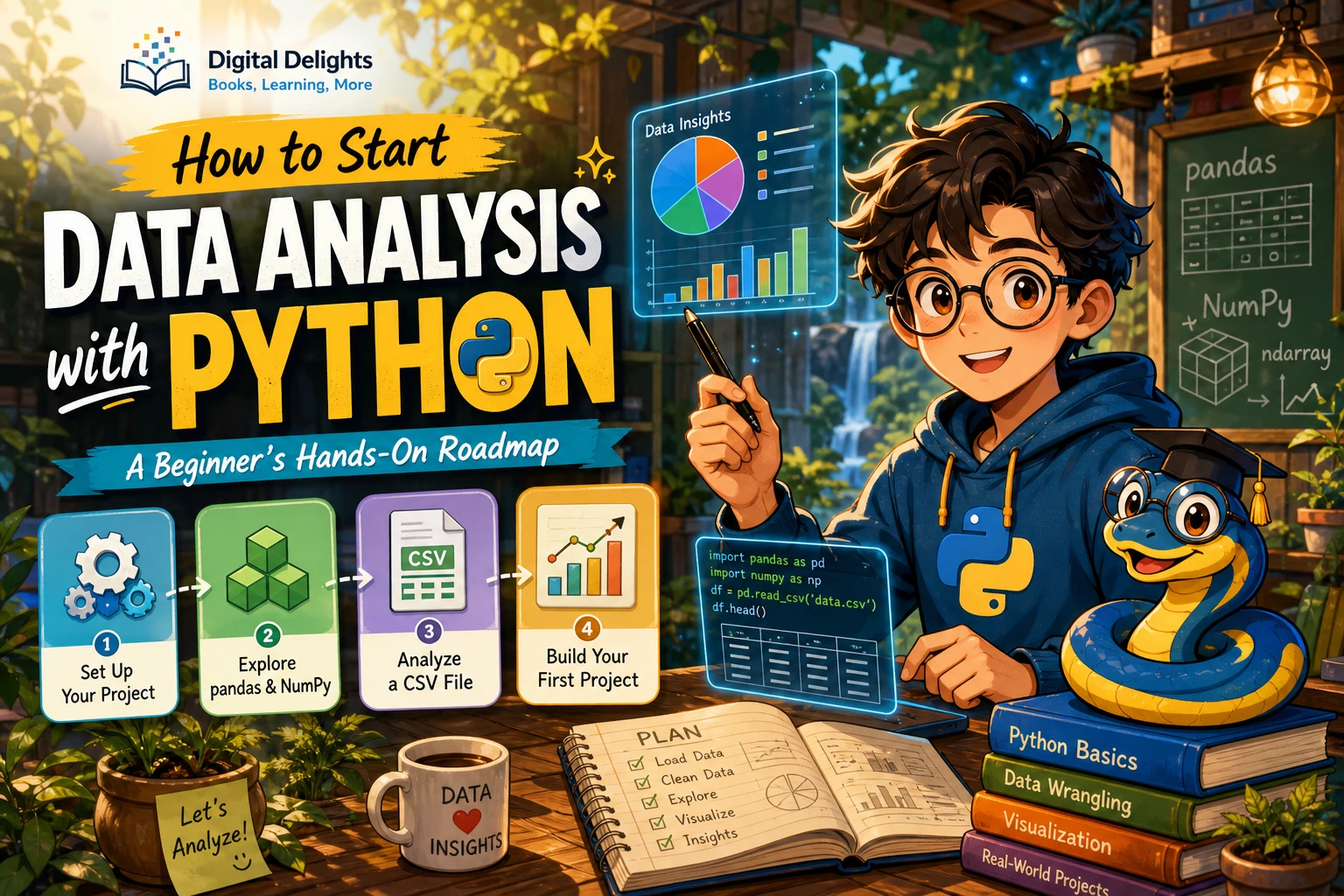
A practical sequence is to learn core syntax and data structures, import a dataset, clean it, calculate summaries, make a chart, and explain the result. Once that workflow feels manageable, decide whether a second language would help with a specific next task. Learning both is an option, not a prerequisite for beginning data science.
A Simple Decision Guide
- Choose Python first if your near-term goal involves Python-based data work or combining analysis with broader programming projects.
- Choose R first if your course, research group, or project already uses R, or your immediate work is built around an R-based analysis workflow.
- Follow your team or course if there is an established language and package setup you need to use.
- Compare before committing if you have no constraints: try the same small analysis in each language and judge the experience against your own task.
These are starting points rather than universal rules. The best choice is the one that lets you complete your current work with tools you can learn, maintain, and share.
Getting Started with a Fair Comparison
Try one small, clearly defined exercise in whichever language you are considering:
- Choose a small dataset that you are allowed to use.
- Import it and inspect the column names, data types, and missing values.
- Calculate a few basic summaries relevant to the data.
- Create one chart that answers a specific question.
- Write a short explanation of what the chart shows and what it cannot establish.
- Record the setup and steps so you can repeat the analysis.
Keep the question, data, and expected result the same when comparing languages. Notice which workflow is easier for you to understand, which documentation helps you resolve problems, and how well the available tools fit your next project. That is more useful than trying to infer a universal winner from a single exercise.
For a Python-focused path, the catalog’s hands-on introduction to Python for data science is one possible starting resource. Its scope is Python-specific; it does not teach R or provide a head-to-head language evaluation.
Frequently Asked Questions
Is Python easier than R?
There is no reliable universal answer in the supplied evidence. Ease depends on your prior experience, the task, the learning material, and the way you prefer to work. Try a small project in the language you are considering before treating ease as a deciding factor.
Do data scientists need to know both Python and R?
Not to begin. Start with the language that fits your immediate project, course, or team. Learn the second language when it solves a real need, rather than treating both as mandatory prerequisites.
Which should a beginner learn first?
Choose based on your goal and the tools around you. If you have no constraints and want to combine data work with general programming, Python is a reasonable starting point. If your course or research setting uses R, start there. In either case, use beginner material that matches your programming experience.
Is R only used for statistics?
No. Statistical analysis is an important use case, but publisher materials also describe R resources covering predictive models and deep-learning workflows. That does not settle how R compares with Python across all applications; it shows why “R is only for statistics” is too narrow.
Can I switch from Python to R, or from R to Python?
Yes. Your experience with variables, data structures, functions, and analytical reasoning can provide a foundation, though language syntax and packages differ. Plan to learn the new language’s conventions and tools rather than expecting code to transfer unchanged.
Conclusion: Choose for the Work in Front of You
Python and R can both support data-science work, and the available evidence does not establish a universal winner. Consider your task, existing skills, collaborators, required packages, and how the analysis will be shared. Start with one language, complete a small end-to-end project, and add the other if a concrete need arises. That approach turns the Python-versus-R question into a practical decision instead of an abstract ranking.
Sources and Further Reading
- Python vs. R for Data Science — an O’Reilly comparison published in 2018; useful as a framing resource, not as current comparative measurement.
- Practical Data Science with R, Second Edition — publisher description of R material covering statistical analysis, presentation, and predictive models.
- Deep Learning with R, Third Edition — publisher description of a 2026 R deep-learning resource; it does not establish broad ecosystem parity.
- The Python Tutorial — official documentation that states its assumed programming background.