
Best Resources for Data Structures and Algorithms in Python
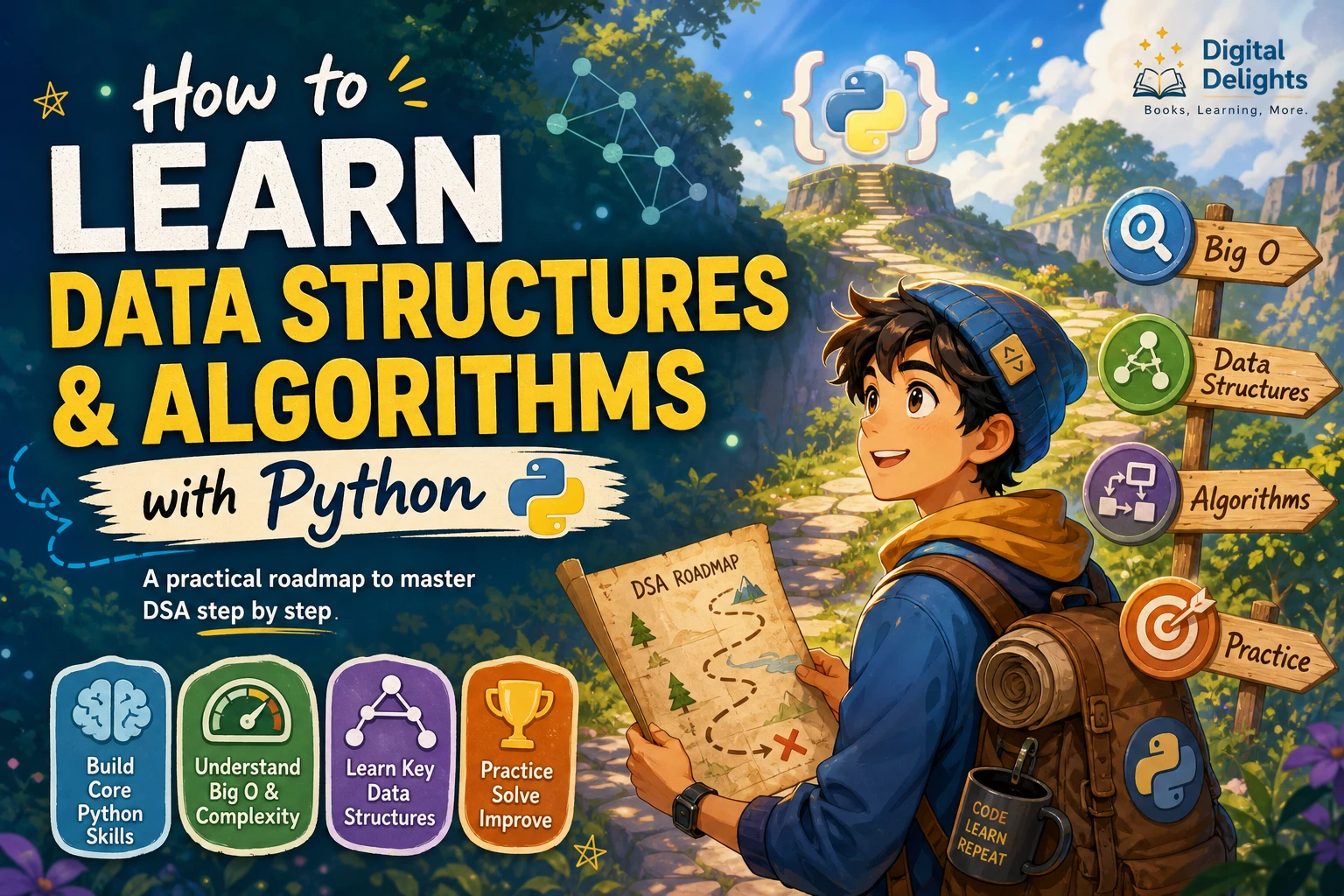
Choosing a data structures and algorithms resource depends on what you already know. If you are new to Python, begin with the language’s built-in collections and basic programming concepts. If you can already write small programs, move on to algorithm analysis and implement selected structures yourself to understand how they work.
A practical starting point is the official Python tutorial for lists, dictionaries, sets, and queues, followed by one focused book that matches your goals. Below are resources for building Python foundations, practising algorithms, and exploring the subject more broadly—without treating any one title as the universal best choice.
What to Learn First
Data structures organize information; algorithms describe steps for working with it. In Python, it helps to learn how native collections behave before studying alternative implementations. Then you can connect those operations to questions of correctness, performance, and trade-offs.
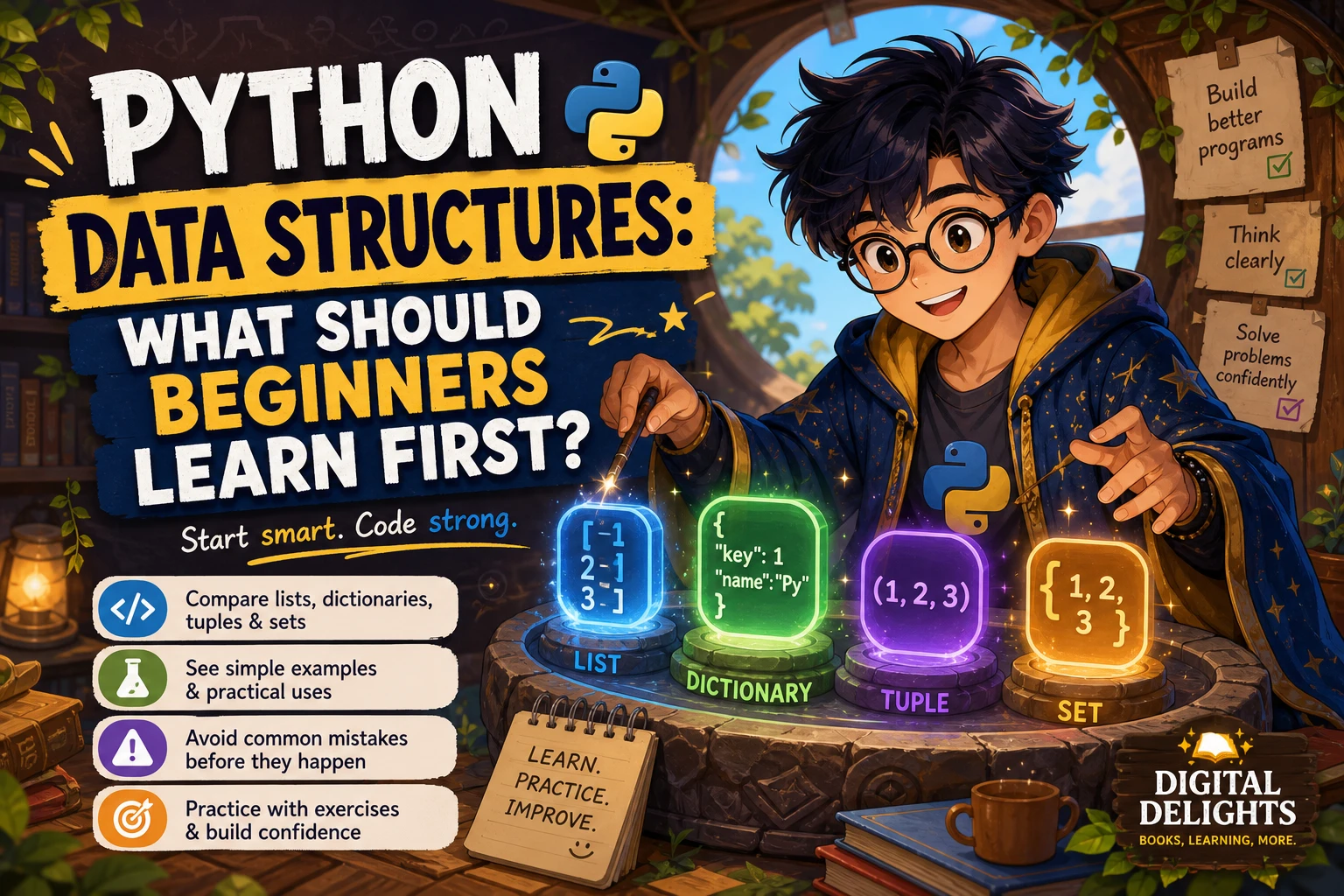
Start with Python’s built-in collections
- Lists: ordered collections useful for sequences and stack-style operations.
- Dictionaries: key-value mappings for looking up information by a key.
- Sets: collections suited to membership checks and working with unique values.
- Queues: first-in, first-out structures. Python’s documentation points to
collections.dequefor efficient queue operations.
The official Python data structures tutorial covers lists, stacks, queues, sets, and dictionaries. Its audience is people who are new to Python but already know some programming, so complete programming beginners may want a fundamentals resource first.
Build a foundation in core algorithms
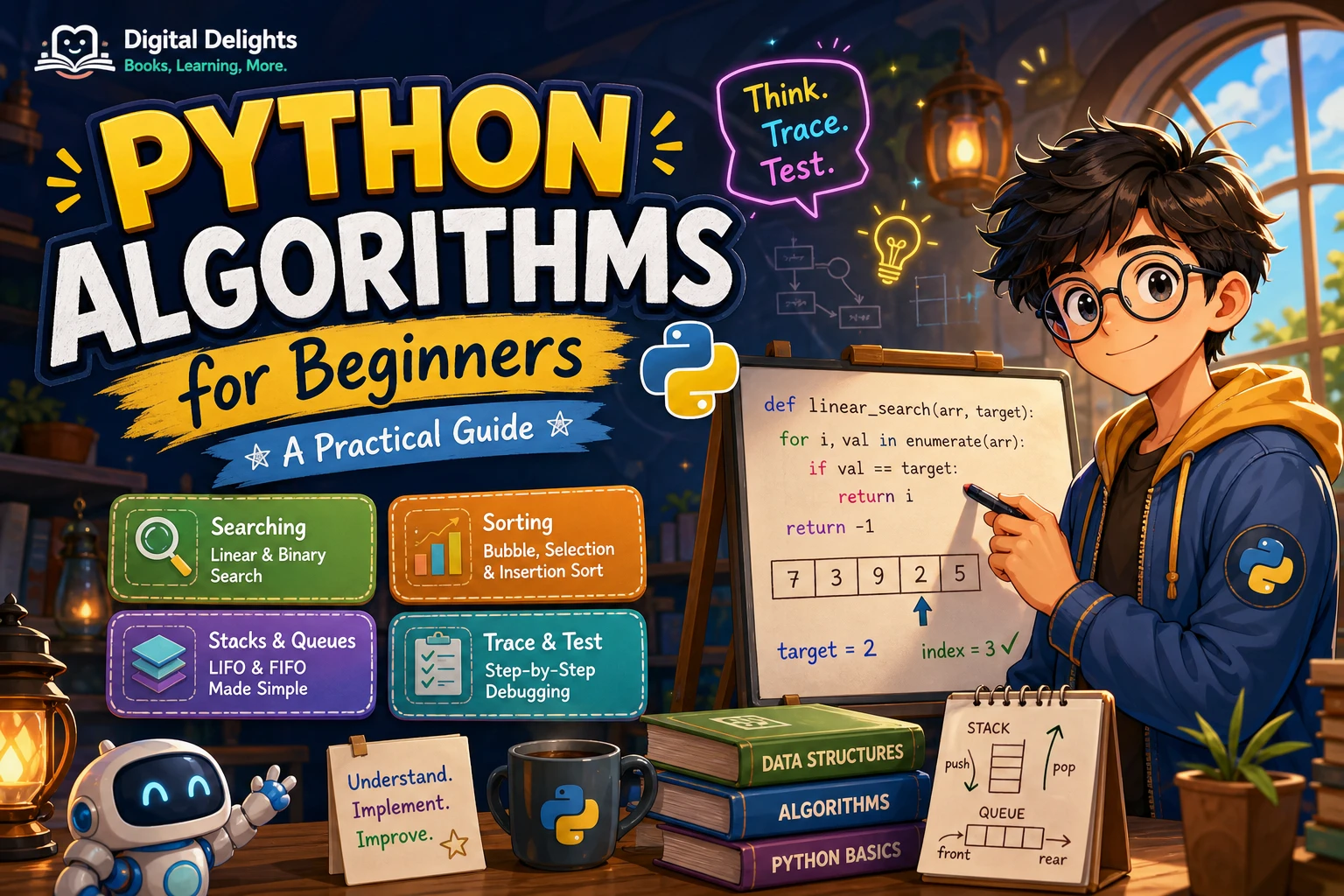
Once the basic containers feel familiar, study searching, sorting, recursion, and Big O notation. Big O is a way to describe how an algorithm’s resource use can grow as its input grows. Focus on tracing what the code does and comparing approaches, rather than memorizing labels in isolation.
Implement selected structures to understand them
Try building a stack, queue, linked list, tree, or hash table as a learning exercise. Compare your implementation with Python’s built-in options and explain what each approach gains or gives up. Reimplementing a structure is useful for learning; it does not mean you should replace a suitable built-in in ordinary application code.
Best Resources by Learner Need
The resources below serve different purposes. The descriptions and catalog information establish their stated coverage, not a comparative rating of their accuracy or teaching quality. Use the table to narrow your choice by learning goal.
| Resource | Best fit | What it covers |
|---|---|---|
| Official Python tutorial | Python learners who already know basic programming | Python-native lists, stacks, queues, sets, and dictionaries |
| Fundamentals of Python: Data Structures | Readers seeking a Python-focused treatment of structures and analysis | Collections, implementations, searching, sorting, and complexity analysis |
| The Practice of Computing Using Python | Learners who want programming practice alongside computer science concepts | Algorithms, data structures, Python fundamentals, and exercises |
| Learning Algorithms: A Programmer’s Guide to Writing Better Code | Python programmers focusing on algorithm behaviour and performance | Complexity, sorting, trees, graph traversal, and shortest-path methods |
| Essential Algorithms | Readers interested in a broad survey with Python and C# examples | Data structures, sorting, searching, trees, graphs, and other algorithm topics |
| A Common-Sense Guide to Data Structures and Algorithms, Second Edition | Readers who want a practical, multi-language introduction | Big O, recursion, dynamic programming, and common data structures |
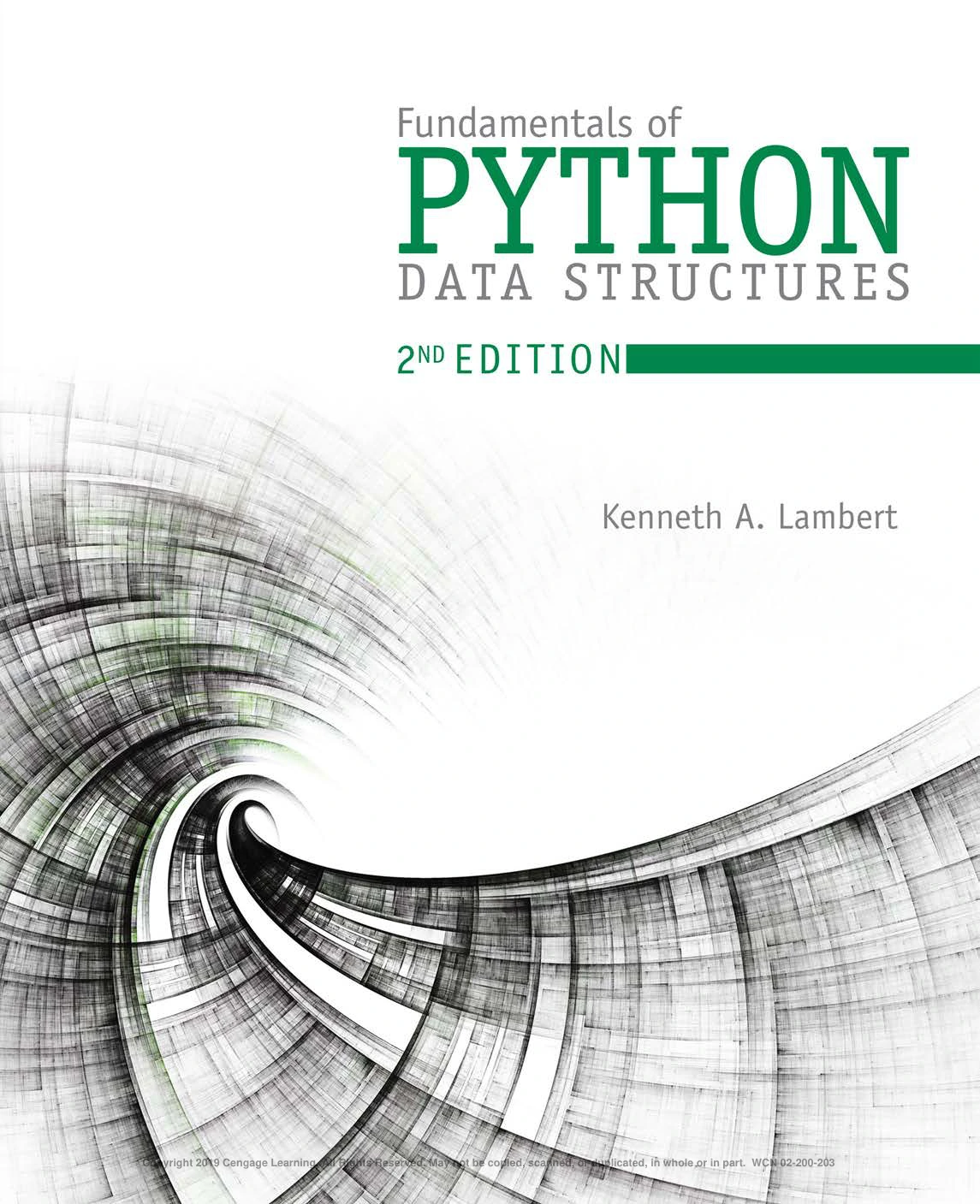
Fundamentals of Python: Data Structures
Readers wanting a focused resource on Python collections, implementations, and complexity.
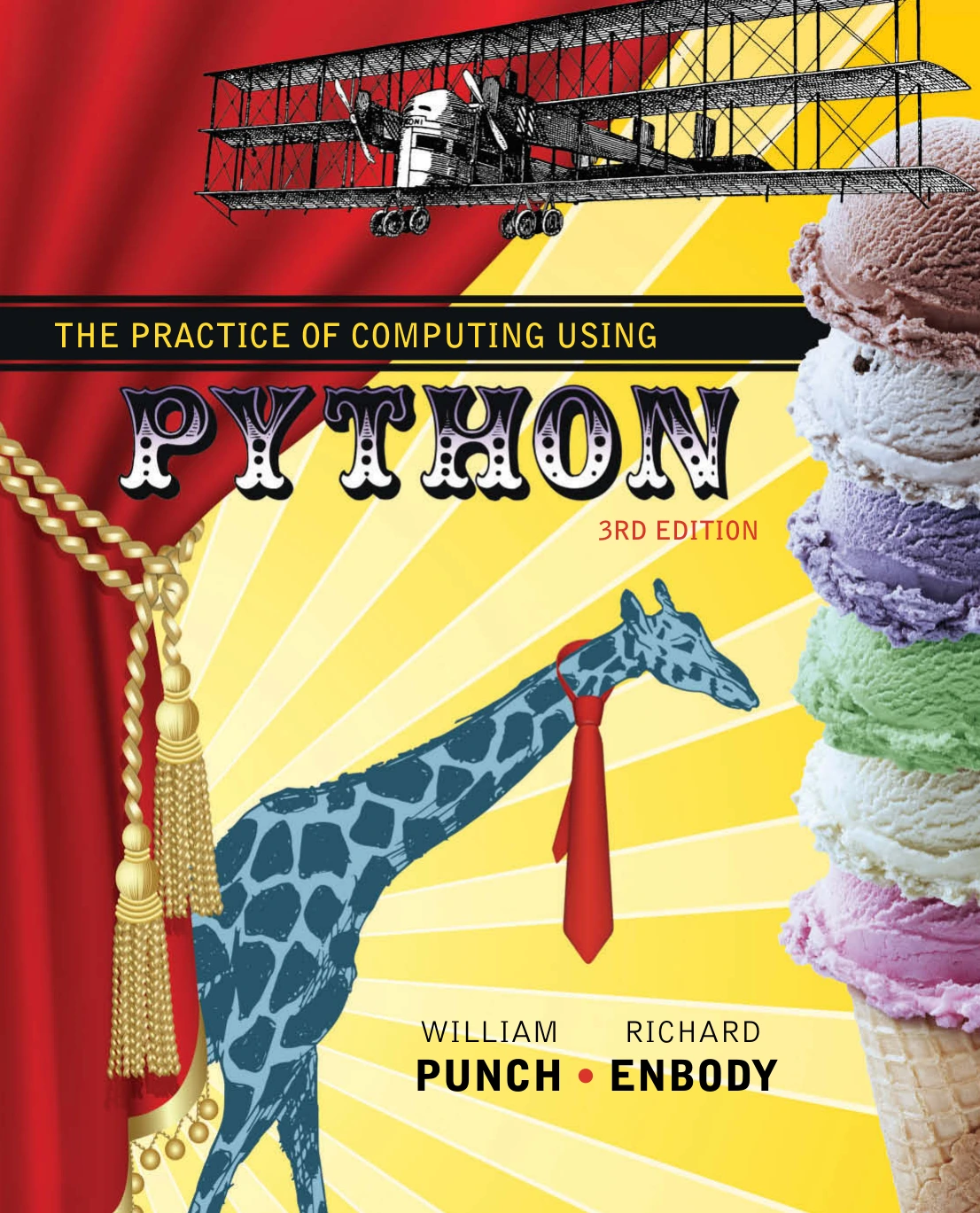
The Practice of Computing Using Python
Learners who want exercises alongside Python and algorithm concepts.
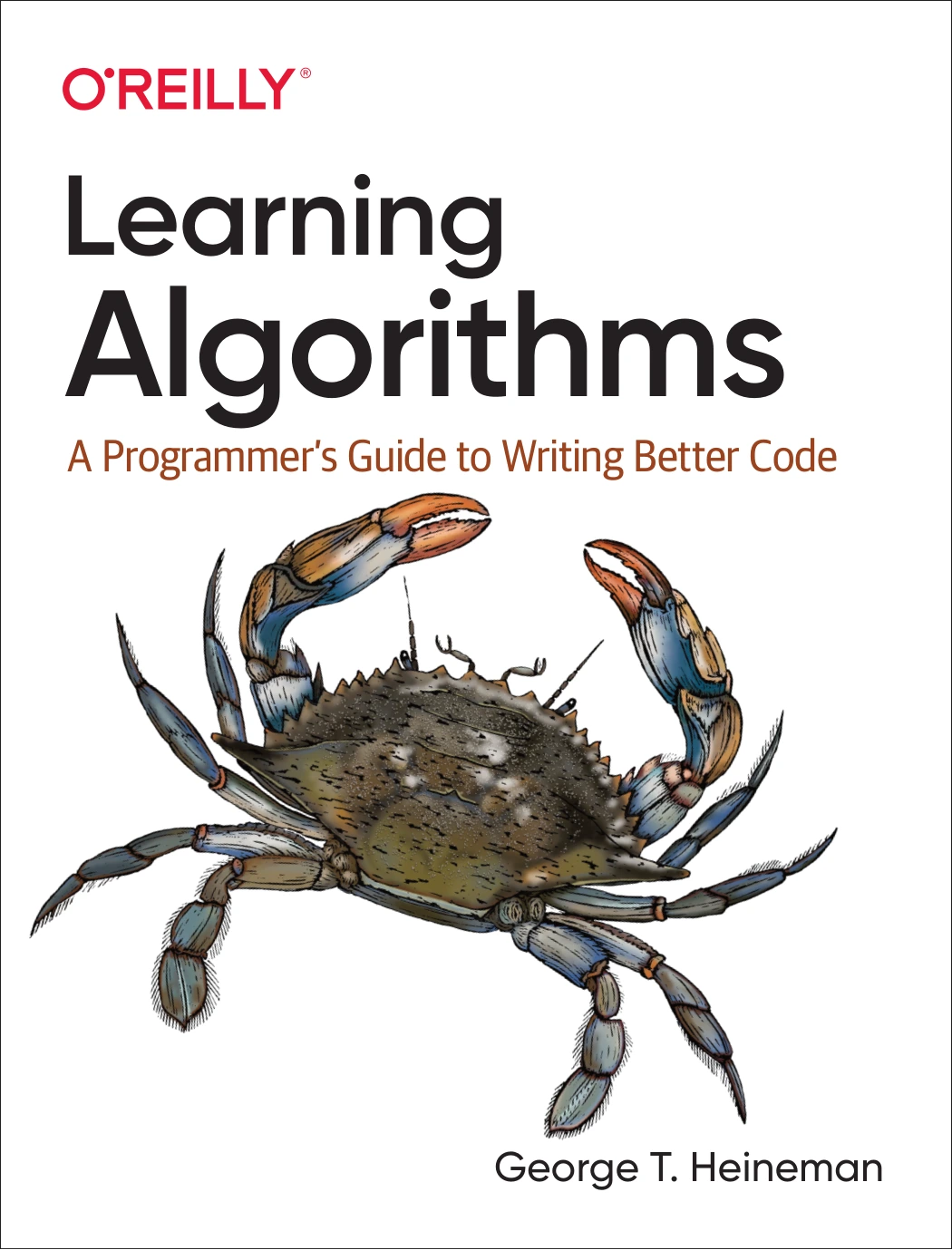
Learning Algorithms: A Programmer’s Guide to Writing Better Code
Python programmers ready to compare algorithm behaviour and performance.
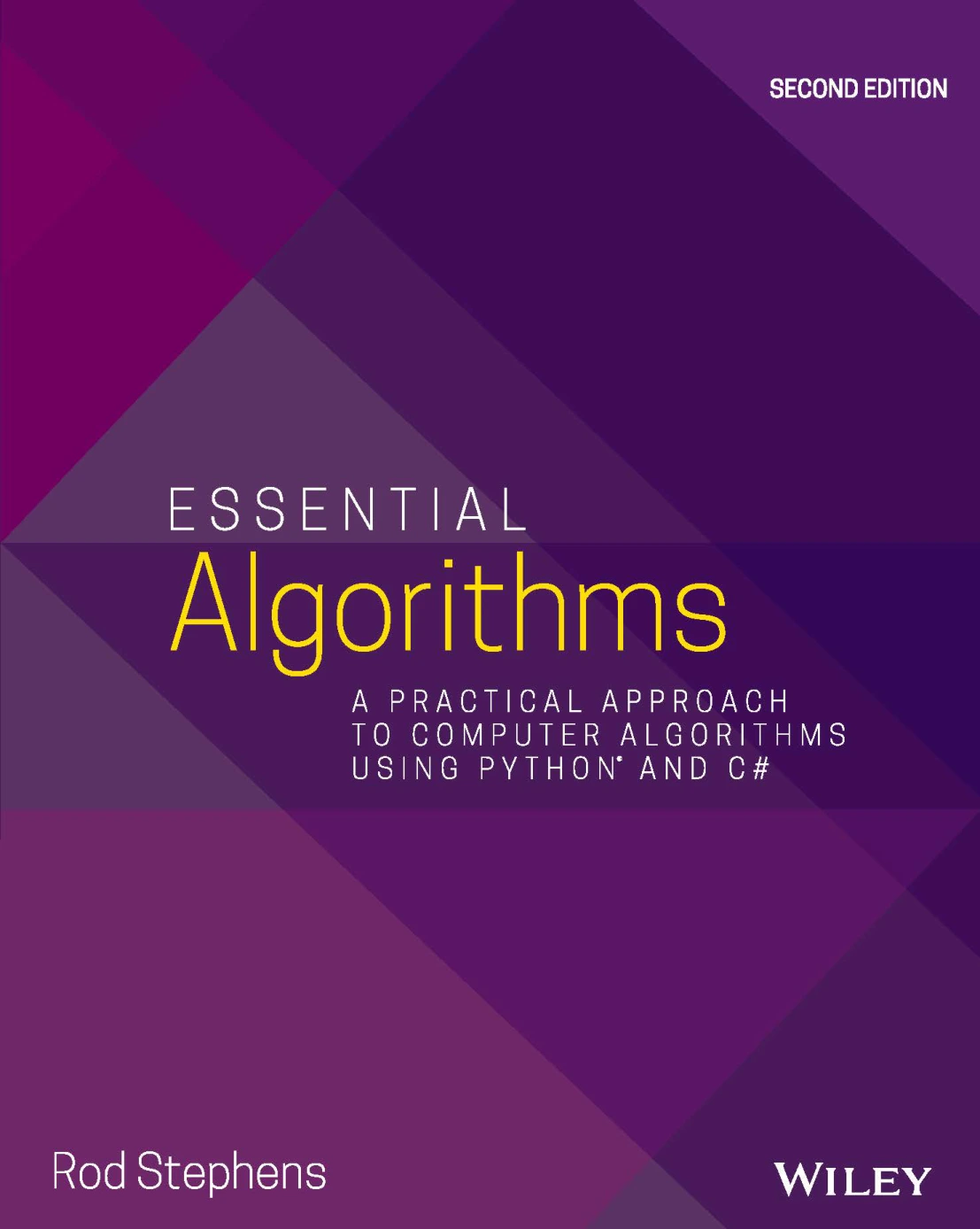
Essential Algorithms: A Practical Approach to Computer Algorithms Using Python® and C#
By Rod Stephens
Readers seeking coverage across a range of computer-algorithm topics.
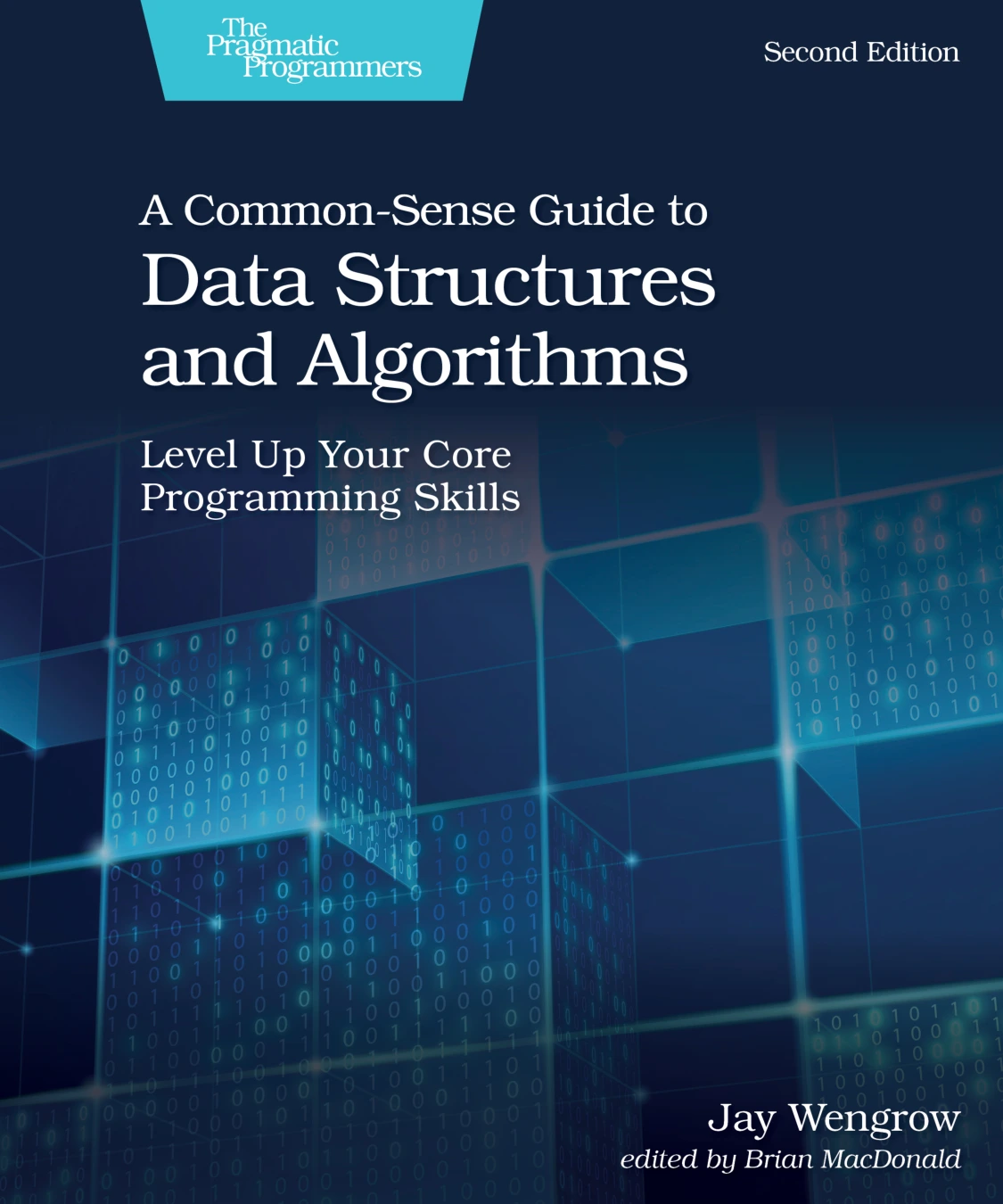
A Common-Sense Guide to Data Structures and Algorithms, Second Edition
By Jay Wengrow
Learners who want a multi-language introduction to core DSA topics.
Free starting point: the official Python tutorial
Use the tutorial to understand how Python’s built-in collections work before studying implementations from scratch. It is a useful language reference and starting point for data structures, but it is not presented as a complete algorithm course or as an introduction to programming itself.
Python-focused foundations: Fundamentals of Python: Data Structures
This catalog-listed resource by Kenneth A. Lambert covers Python collections, their implementations, and algorithm analysis. Its description also includes searching, sorting, and complexity, making it a relevant option if you want a structured connection between Python and data-structure concepts.
Practice and computer science fundamentals: The Practice of Computing Using Python
This third edition combines Python programming with computer science fundamentals and hands-on exercises. Its stated coverage includes control structures, common collection types, functions, recursion, exceptions, and object-oriented programming. It can suit learners who want practice and broader programming context, not only an algorithms reference.
Algorithm-focused study: Learning Algorithms
George T. Heineman’s book uses Python examples and discusses performance analysis alongside algorithms. Its listed topics include sorting, binary search trees, graph traversal, and path-finding. Consider it when you are ready to examine how algorithms behave and compare their costs.
A wider survey: Essential Algorithms
Rod Stephens’s book uses Python and C# examples and ranges across data structures, sorting, searching, trees, graphs, and other algorithm areas. Its breadth may appeal if you want to see related techniques across a wider computer-algorithm landscape rather than focus on Python alone.
A practical overview: A Common-Sense Guide to Data Structures and Algorithms
The second edition uses examples in Python, JavaScript, and Ruby and covers topics such as Big O, recursion, dynamic programming, and trees. It is a reasonable option if you want a practical introduction that is not limited to one language. The catalog description does not establish a Python-only treatment, so pair it with Python-specific practice if that is your priority.
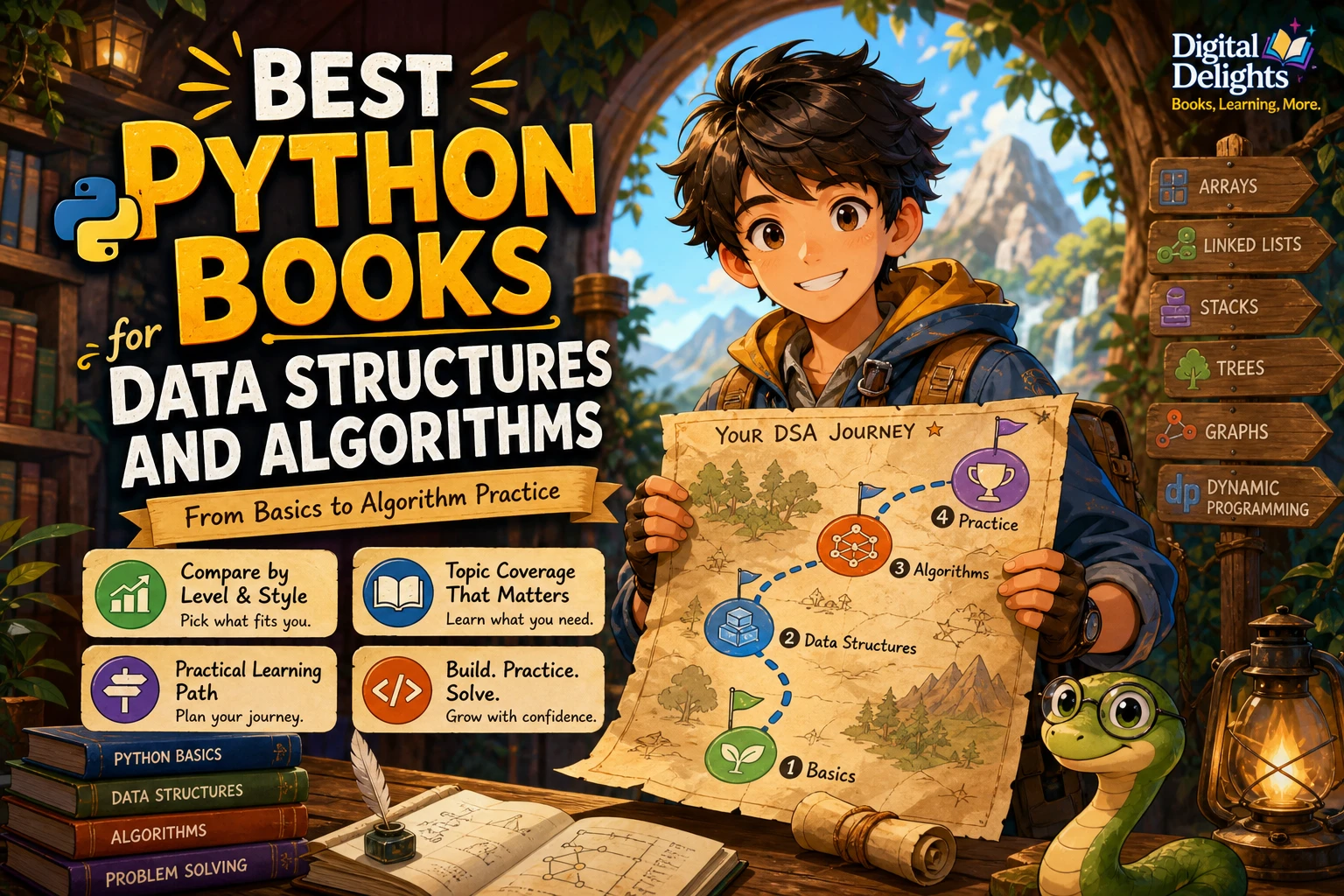
A Practical Study Sequence
- Review basic Python. Be comfortable writing functions, using conditionals and loops, and working with lists and dictionaries.
- Learn the built-in containers. Practise common operations with lists, dictionaries, sets, and queues. Use the official tutorial as a reference for Python’s built-in structures.
- Study complexity through examples. Compare two ways to solve a small problem. Count the operations that change as the input grows, and explain the difference in plain language.
- Work through foundational algorithms. Practise searching, sorting, and recursion before moving to trees and graphs.
- Implement selected structures. Build a simple stack or queue, then compare your implementation with the Python tools available for the same job.
- Test and explain your solutions. Use small examples and edge cases. Write down what the algorithm expects, what it returns, and where its time or memory use may grow.
- Keep a concise reference notebook. Record patterns, mistakes, and examples in your own words rather than collecting code you cannot explain.
For a main book, choose one resource that matches your current level and work through it actively. Use a second title or the official documentation to clarify a topic, rather than trying to read several books cover to cover at once.
How to Choose a Data Structures and Algorithms Book
- Check the assumed background. If you are new to programming, choose a resource that teaches fundamentals before expecting you to analyse algorithms.
- Decide how Python-specific you need the material to be. Some resources focus on Python; others use it alongside additional programming languages.
- Look for the kind of practice you need. Exercises and implementation work help you apply ideas; a broad survey may be more useful for orientation.
- Match the topic depth to your goal. If you need Big O and core structures, a focused introductory resource may be enough. If you want trees, graphs, or more advanced techniques, check that the contents cover them.
- Check code and version guidance. The supplied catalog descriptions do not consistently establish compatibility with current Python releases. Check the book’s stated version and test example code in your own environment.
There is no evidence here for a universal ranking of these titles. Choose based on the topics, examples, and practice style you need, then supplement any gaps with the Python documentation.
Common Pitfalls to Avoid
- Starting with advanced algorithms before learning Python basics. Build enough fluency to read and write the examples first.
- Memorizing Big O without tracing code. Work through an example and identify which operations repeat as the input changes.
- Confusing learning implementations with production choices. Implement structures to understand them, but use appropriate Python tools when your goal is to build an application.
- Reading without coding. Pause to write, run, test, and modify examples. Passive reading alone will not show whether you can apply the idea.
- Trying to study too many books at once. Pick one main resource and use others selectively when you need a different explanation or broader coverage.
Frequently Asked Questions
Do I need to know Python before studying data structures and algorithms?
You do not need to be an advanced Python programmer, but basic fluency helps. You should be able to read simple functions, loops, conditionals, and collection operations. If those are unfamiliar, start with Python fundamentals before tackling algorithm analysis.
Should I use Python’s built-ins or implement data structures myself?
Do both for different reasons. Learn the built-ins for practical Python programming, and implement selected structures as exercises to understand their behaviour and trade-offs. The official tutorial is a useful guide to Python’s native structures.
Is Big O necessary for beginners?
You can begin solving small problems without knowing Big O. It becomes useful when you want to compare approaches and reason about how their resource use changes as the input grows. Learn it alongside concrete examples rather than treating it as a list of formulas to memorize.
How can I practise without a course?
Choose one topic at a time, write small implementations or solutions, test them with normal and edge-case inputs, and explain your reasoning in your own words. A book with exercises can provide structure; the Python tutorial can help clarify built-in collection behaviour.
Conclusion
For data structures and algorithms in Python, begin with Python’s built-in collections, then study searching, sorting, recursion, and complexity. Add hands-on implementations to understand the ideas, and choose one book based on whether you need Python-focused foundations, exercises, or broader algorithm coverage. The best resource for you is the one that fits your current experience and helps you practise consistently.