

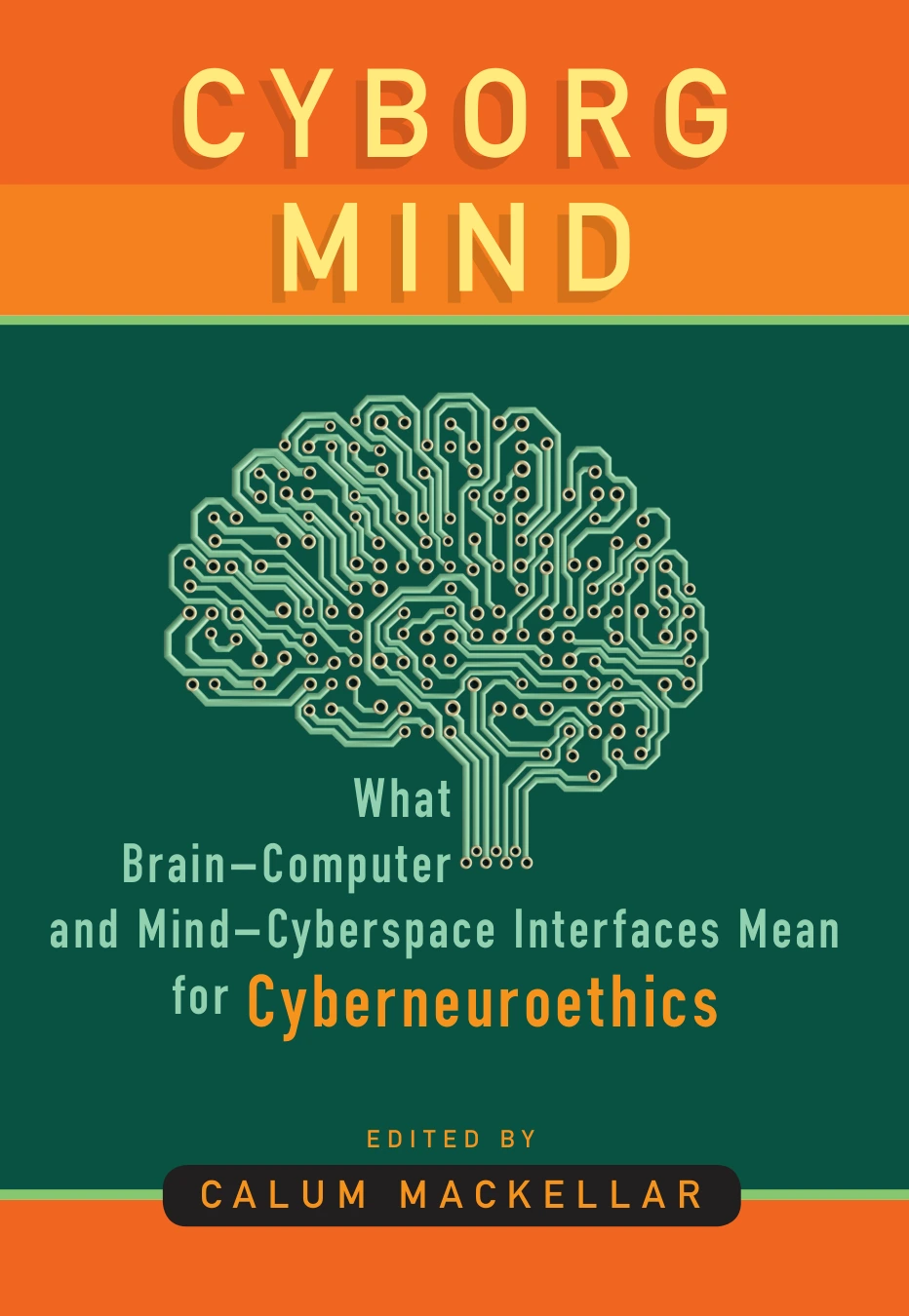
Cyborg Mind: What Brain–Computer and Mind–Cyberspace Interfaces Mean for Cyberneuroethics
Original price was: $5.00.$2.50Current price is: $2.50.

Calum MacKellar
Product Specs:
- File Type: PDF
- File Size: 2.8 MB
- Book Language: English
- Total Page Count: 264
- Instant Download
What happens to privacy, identity, and human autonomy when computers can connect directly with the brain—or when the mind can interact with cyberspace? In Cyborg Mind, Calum MacKellar examines those questions through the developing field he calls cyberneuroethics, bringing ethical reflection to the possibilities and risks of neuronal interfaces.
The discussion moves from the technologies themselves to their wider consequences. Rather than treating brain–computer systems as purely technical innovations, the book asks how they might affect people, society, and our understanding of humanity.
From neuronal interfaces to ethical questions
The early chapters introduce the terminology of cyberneuroethics, outline the brain–mind interface, and describe neuronal interface systems. MacKellar distinguishes systems that read brain or mind activity from those intended to change it, and also considers feedback systems. This grounding gives readers a way to follow the ethical debate alongside the underlying technologies.
What might change when minds connect with machines?
The book then explores potential effects on cognition and consciousness, as well as mood, personality, identity, and privacy. It considers questions such as what it could mean to be “online” through a neuronal interface, whether uploading a mind is a meaningful possibility, and how these developments might challenge familiar ideas about personhood and humanity.
Ethics meets public policy
Beyond individual consequences, Cyborg Mind addresses broader social and policy concerns, including possible new forms of cybercrime. Its concluding discussion returns to human autonomy, the risks associated with neuronal interfaces, and resistance to their development. An appendix presents recommendations from the Scottish Council on Human Bioethics.
A cross-disciplinary perspective
Neurobiology, philosophy, anthropology, and politics all inform the book’s approach. The result is relevant to readers interested in neuroethics, bioethics, technology’s social consequences, and the ethical questions surrounding brain–computer interfaces. A glossary, bibliography, and index support further reading and reference.
The publisher identifies the digital edition as open access under a Creative Commons Attribution-NonCommercial-NoDerivatives 4.0 International licence. This edition offers a considered starting point for thinking about what neuronal interfaces could mean—not only for technology, but for the people and societies that may live with them.
User Reviews
Be the first to review “Cyborg Mind: What Brain–Computer and Mind–Cyberspace Interfaces Mean for Cyberneuroethics”
You must be logged in to post a review.
Original price was: $5.00.$2.50Current price is: $2.50.






There are no reviews yet.