
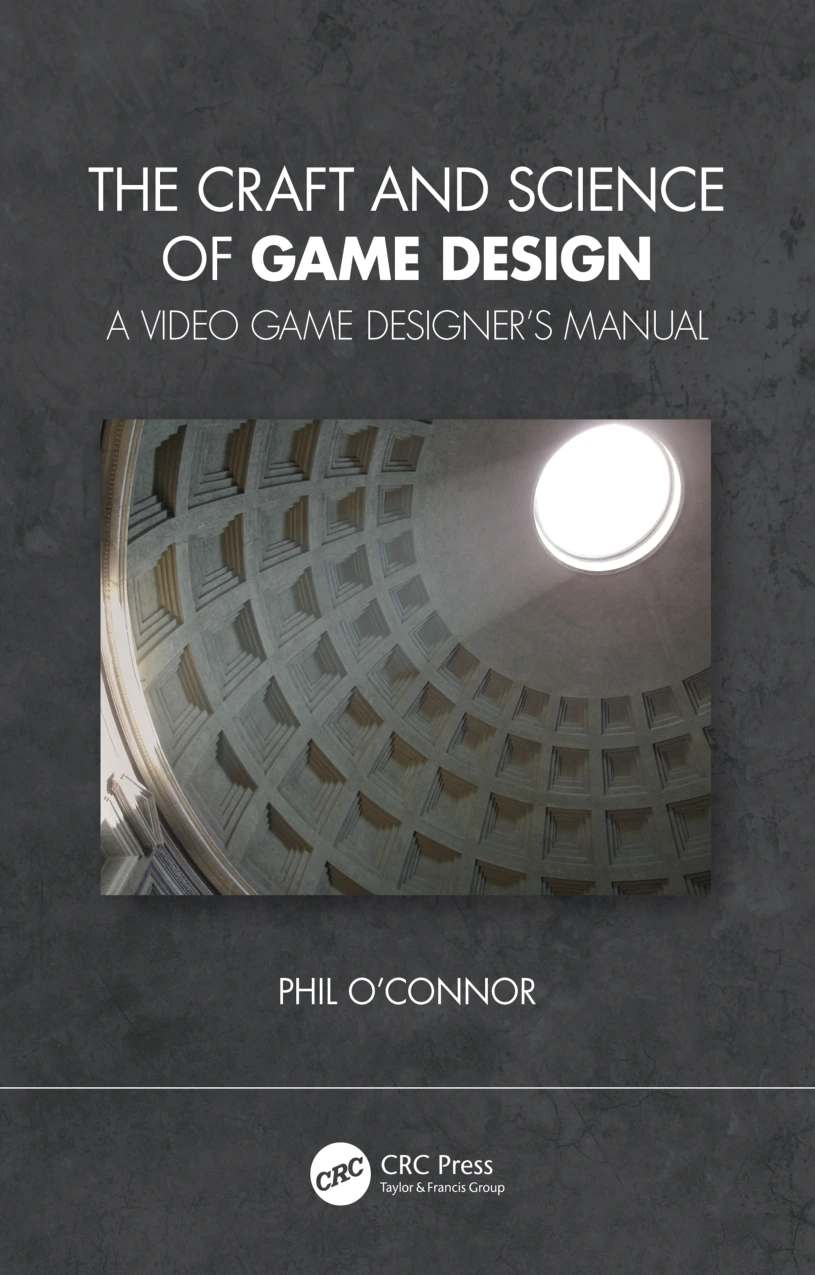
Description
Design Games That Work
Phil O’Connor brings more than two decades of hands-on industry experience to this practical manual for video game designers. Rather than treating game design as a mysterious art, he breaks down the craft into clear specializations, communication practices, and leadership principles that help teams build better games.
Readers will find a grounded, professional view of what designers actually do on a day-to-day basis. The book moves beyond abstract theory and focuses on the real workflows, relationships, and decisions that shape successful development.
Explore the Designer’s Toolkit
O’Connor examines a wide range of design roles, from tech and systems designers to combat, quest, and narrative specialists. Each chapter clarifies the responsibilities, challenges, and contributions of different positions, giving newcomers a realistic map of the field while offering experienced designers a wider perspective on their craft.
Key topics include effective game design, the importance of feedback and objectivity, and the business realities of working within a studio. The author also addresses interdisciplinary collaboration, showing how designers communicate with programmers, artists, sound teams, production, and marketing to keep a project aligned.
Communication as a Core Skill
A significant portion of the book is devoted to communication. O’Connor argues that clear, honest, and structured communication is essential for design leadership. He covers stand-ups, meetings, email, messaging, and face-to-face conversations, and explains how to tailor communication for different disciplines and development stages.
Examples include drafting design documents, providing feature descriptions, and shepherding tasks through preproduction to final approval. These concrete techniques help designers turn ideas into actionable work that the whole team can follow.
Why This Matters
Game design sits at the intersection of creativity, technology, and business. This book respects that complexity without overwhelming the reader. It offers a coherent framework for thinking about design as a discipline that can be studied, practiced, and improved.
Whether you are exploring a career in game development, transitioning into a design role, or looking to sharpen your communication and leadership skills, this manual provides a seasoned professional’s perspective on building games that resonate with players.

Reviews
There are no reviews yet.