

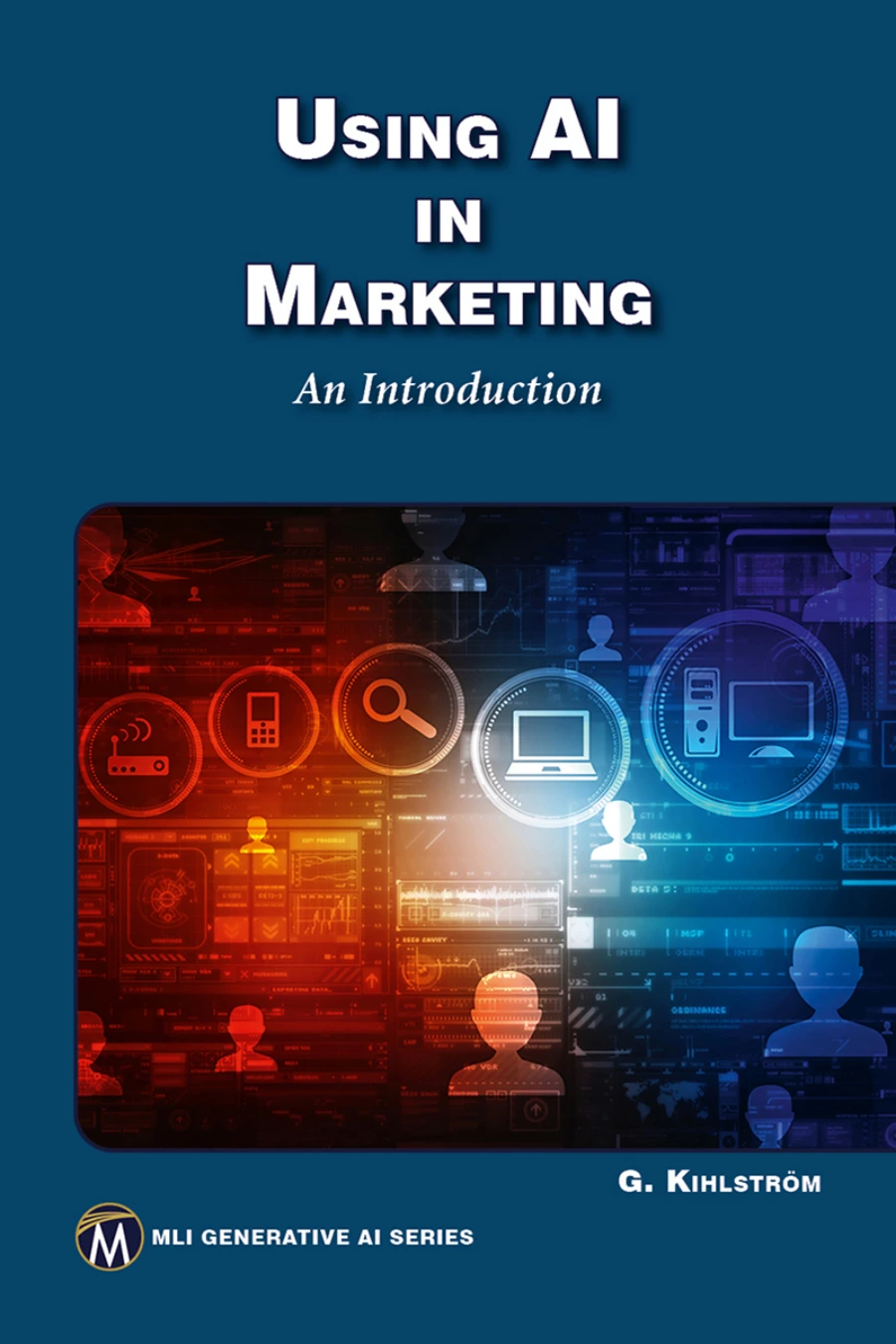
Using AI in Marketing: An Introduction
Original price was: $5.00.$2.50Current price is: $2.50.

Greg Kihlström
Product Specs:
- File Type: PDF
- File Size: 5.0 MB
- Book Language: English
- Total Page Count: 159
- Instant Download
Understanding AI’s Role in Modern Marketing
AI is already embedded in the tools marketers use every day, from search and recommendation engines to platforms that generate text, images, and video. In Using AI in Marketing: An Introduction, Greg Kihlström cuts through the noise and gives readers a structured way to understand what artificial intelligence can and cannot do for marketing teams. Rather than treating AI as a mysterious black box, the book explains it as a practical set of capabilities that can support strategy, creativity, and measurement.
What the Book Covers
- A brief history of AI and clear distinctions between machine learning and artificial intelligence
- Current marketing applications, including search, personalization, recommendations, and workflow automation
- Generative AI across text, image, and video, plus enterprise platforms and marketing assistants
- Personalized customer experience, conversational AI, journey orchestration, and next-best-action thinking
- Team and workflow augmentation, from automated workflows to reporting and analytics
- Data analysis, predictive analytics, audience segment optimization, and propensity modeling
- A practical chapter on improving prompt writing with specific, clear, context-rich instructions
Generative AI and Customer Experience
The book’s middle section moves beyond hype to show how generative AI is being adopted in real marketing environments. Kihlström discusses platforms built for AI, examines how established tools like Adobe, Canva, Salesforce, and HubSpot have added generative capabilities, and considers what these shifts mean for the enterprise. From there, he links generative and conversational AI to personalization and customer journey strategy—showing how marketing teams can use these tools to deliver more relevant offers and experiences without losing sight of the customer.
From Workflow Augmentation to Measurement 📊
A recurring theme is that AI doesn’t replace marketing judgment; it multiplies it. Chapters on team and workflow augmentation highlight automation of repetitive tasks, streamlined reporting, and improvements to customer experience. The data analysis chapter then covers predictive analytics, audience segment optimization, and propensity models, helping readers see how AI can sharpen measurement and optimization. Together, these chapters turn high-level AI interest into concrete opportunities for marketing operations.
Practical Prompt Writing 💡
One of the most immediately useful parts of the book is the practical chapter on prompt writing. Instead of leaving readers with vague advice, Kihlström recommends being specific and clear, using simple language, and providing context. These straightforward techniques help marketers get better results from generative tools—whether they are drafting content, generating creative variations, or exploring new campaign ideas.
Who This Introduction Is For
Because it starts with foundational concepts, this book works well for marketing professionals, team leads, and business owners who want a structured overview of AI in marketing. It is also a strong choice for students and career changers who need to understand marketing technology without wading through dense technical manuals. Readers with more advanced AI experience may still find the organized overview and practical prompt guidance useful for aligning teams or refreshing their framework.
For anyone ready to move past buzzwords and build a working understanding of AI in marketing, Using AI in Marketing: An Introduction provides a solid, example-supported foundation.
User Reviews
Be the first to review “Using AI in Marketing: An Introduction”
You must be logged in to post a review.
Original price was: $5.00.$2.50Current price is: $2.50.



There are no reviews yet.