

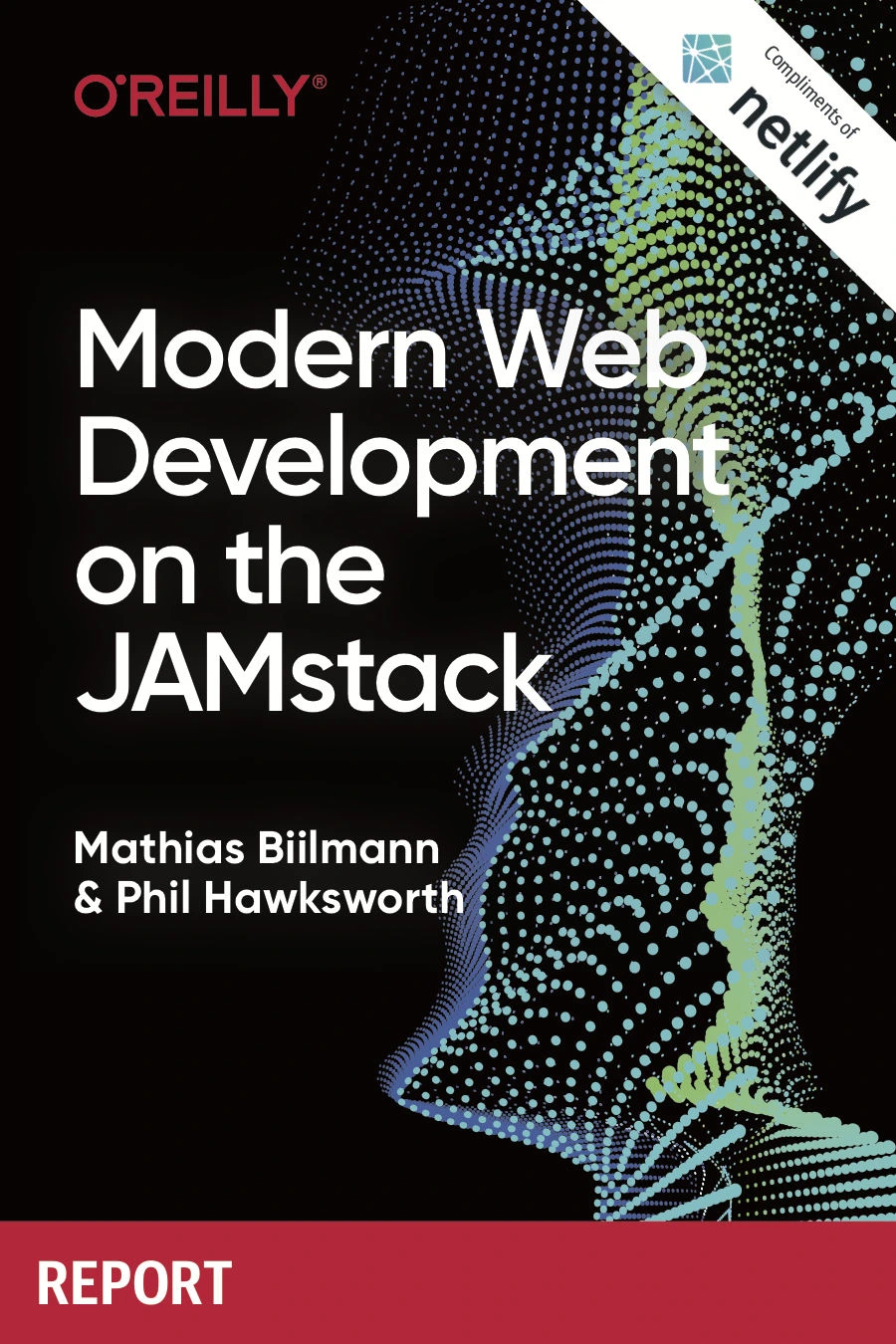
Modern Web Development on the JAMstack: Modern Techniques for Ultra Fast Sites and Web Applications
Original price was: $5.00.$2.50Current price is: $2.50.

Mathias Biilmann
Product Specs:
- File Type: PDF
- File Size: 1.7 MB
- Book Language: English
- Total Page Count: 127
- Instant Download
A Practical Introduction to the JAMstack 💻
Modern Web Development on the JAMstack is O’Reilly’s concise guide to a web architecture that prebuilds pages, serves them from a global CDN, and replaces much of the traditional server layer with APIs and microservices. Written by Mathias Biilmann and Phil Hawksworth, the book explains why this approach emerged and how it changes the day-to-day work of building fast, reliable sites and applications.
The title comes from JavaScript, APIs, and Markup: the three ingredients behind a stack that can deliver highly dynamic experiences without managing a conventional server environment. Rather than treating performance as an afterthought, the JAMstack workflow makes speed, security, and scalability part of the build pipeline.
Why the Architecture Matters ⚙️
The opening chapters look closely at the friction of monolithic systems: hosting overhead, scaling pressure, security exposure, and the caching layers that often grow around database-driven sites. From there, the book lays out the JAMstack alternative in clear terms. Pre-rendered assets are published to a CDN, changes move through a Git-based workflow, and dynamic tasks are handled by APIs and microservices. The result is a model designed to reduce server and network latency while keeping development approachable.
What the Book Covers
- The drawbacks of monolithic architectures and the risk of staying with familiar but fragile setups
- Core JAMstack ideas: JavaScript, APIs, markup, and the main types of JAMstack projects
- Advantages in cost, scale, performance, security, and developer experience
- Planning decisions around project setup, content management, static site generators, automation, CDN selection, and APIs
- A mental model shift built on immutability, atomic deployments, end-to-end version control, functions as a service, and ecosystem choices
- A detailed case study of Smashing Magazine’s move to the JAMstack at scale
A Case Study in Scaling 📈
The Smashing Magazine case study gives the book a practical center of gravity. It follows a large content site through migration, structured content, search, CMS integration, identity and user roles, ecommerce, membership and subscription features, and microservices. These chapters show how JAMstack principles can be applied beyond small static sites when content, transactions, and user workflows enter the picture.
Who May Find It Useful 🧠
Web developers, frontend engineers, technical leads, and architects will find the most value here. The material assumes an interest in modern web tooling and architecture, but it does not require prior JAMstack experience. Readers who have wrestled with deployment complexity, slow pages, or hard-to-scale infrastructure will recognize the problems the book addresses and the workflow it proposes.
A 2019 Snapshot with Lasting Ideas
Published in 2019, the book captures the JAMstack at a formative moment. Some specific tools and services have evolved since then, yet the underlying questions about performance, delivery, security, and developer productivity remain central to modern web work. This is a focused O’Reilly title for readers who want a clear explanation of the JAMstack model and a grounded look at how it plays out in real projects.
User Reviews
Be the first to review “Modern Web Development on the JAMstack: Modern Techniques for Ultra Fast Sites and Web Applications”
You must be logged in to post a review.
Original price was: $5.00.$2.50Current price is: $2.50.






There are no reviews yet.