

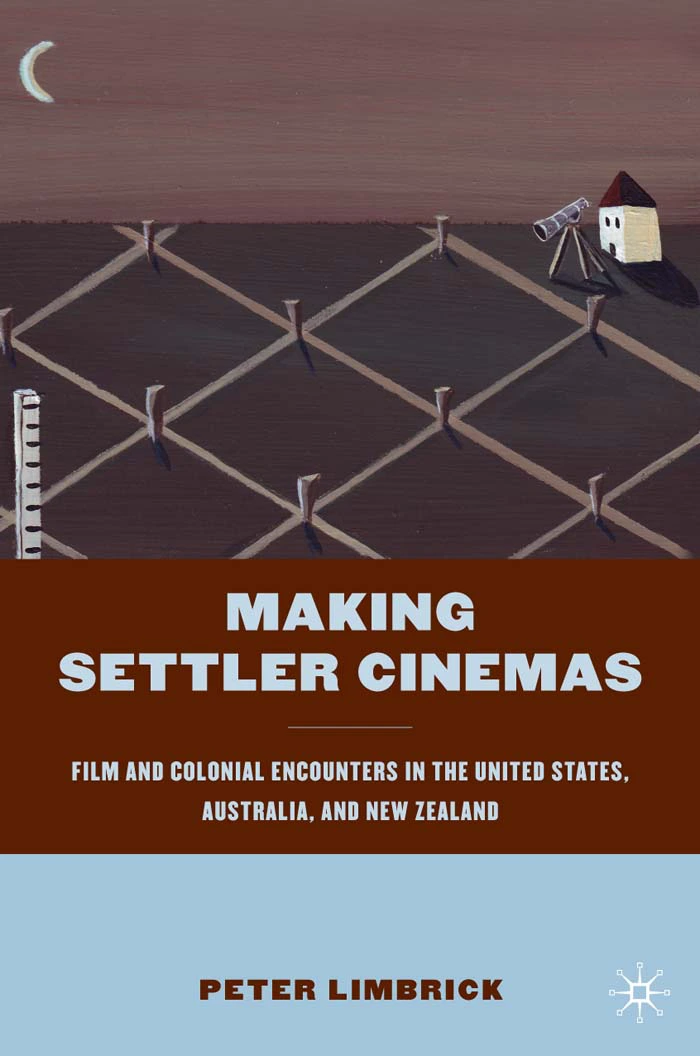
Making Settler Cinemas: Film and Colonial Encounters in the United States, Australia, and New Zealand
Original price was: $5.00.$2.50Current price is: $2.50.

Peter Limbrick
Product Specs:
- File Type: PDF
- File Size: 3.7 MB
- Book Language: English
- Total Page Count: 289
- Instant Download
Film, Settlement, and the Colonial Encounter
Making Settler Cinemas is Peter Limbrick’s comparative study of how cinema helped shape—and contest—settler colonial worlds in the United States, Australia, and Aotearoa/New Zealand. Rather than treating films as simple reflections of empire, Limbrick reads them as active participants in colonial encounters: sites where ideas about land, race, Indigeneity, masculinity, and national belonging were produced, negotiated, and sometimes unsettled.
Published by Palgrave Macmillan in 2010, the book brings together film history, postcolonial theory, and close textual analysis. Its case studies move from Hollywood adventure pictures and Westerns to Australian and New Zealand productions, tracing how settler cinemas imagined their own frontiers and how Indigenous presence was represented, displaced, or withheld.
A Comparative Frame Across Three Settler Societies
The book is organized into three parts, each anchored in a different national context while keeping the others in view. This structure allows Limbrick to show that settler cinema was not a single tradition but a set of related practices shaped by local histories of dispossession, governance, and filmmaking.
Part One: Making a Settler Cinema in the United States
Opening chapters examine The Four Feathers (1929) and the Argosy Westerns. Limbrick considers how adventure, imperial masculinity, and production logistics worked together on screen and behind the camera, including the expeditionary filmmaking practices that linked Hollywood to colonial landscapes.
Part Two: Empire and Settler Cinema in Australia
Ealing’s Australian Westerns become a focal point for questions of empire, national cinema, and the representation of Aboriginal people and space. The section shows how a British studio’s Australian productions negotiated settler colonial mythology and the pressures of the postwar film industry.
Part Three: Film History and Settler Cinema in Aotearoa/New Zealand
Case studies of Hei Tiki (1935) and The Seekers (1954) explore how New Zealand film history has remembered—and sometimes forgotten—encounters between Māori and Pākehā. Limbrick reads these films alongside archival and historical contexts, asking what settler cinema makes visible and what it keeps offscreen.
What the Book Explores
- Cinema’s role in settler colonial projects across three nations
- Representations of Indigeneity, race, and colonial space
- Masculinity, adventure, and imperial production cultures
- Archives, film historiography, and the politics of remembering
- Comparative approaches to national and colonial cinemas
Who May Find It Useful
This is a scholarly monograph suited to readers in film and media studies, postcolonial and settler colonial studies, Indigenous studies, and cultural history. It will be especially useful for students and researchers working on Hollywood’s colonial imaginary, Australian and New Zealand cinema, or the relationship between film form and colonial power. General readers with a strong interest in film history and critical theory will also find a carefully argued, research-rich study.
Why It Remains Relevant
Questions about who gets to represent the past, whose stories become national cinema, and how screen media shape understandings of place and belonging remain urgent. By placing three settler cinemas in conversation, Making Settler Cinemas offers a framework for thinking about film not only as entertainment or art but as part of the ongoing work of colonial history and its unsettled afterlives.
User Reviews
Be the first to review “Making Settler Cinemas: Film and Colonial Encounters in the United States, Australia, and New Zealand”
You must be logged in to post a review.
Original price was: $5.00.$2.50Current price is: $2.50.
There are no reviews yet.