

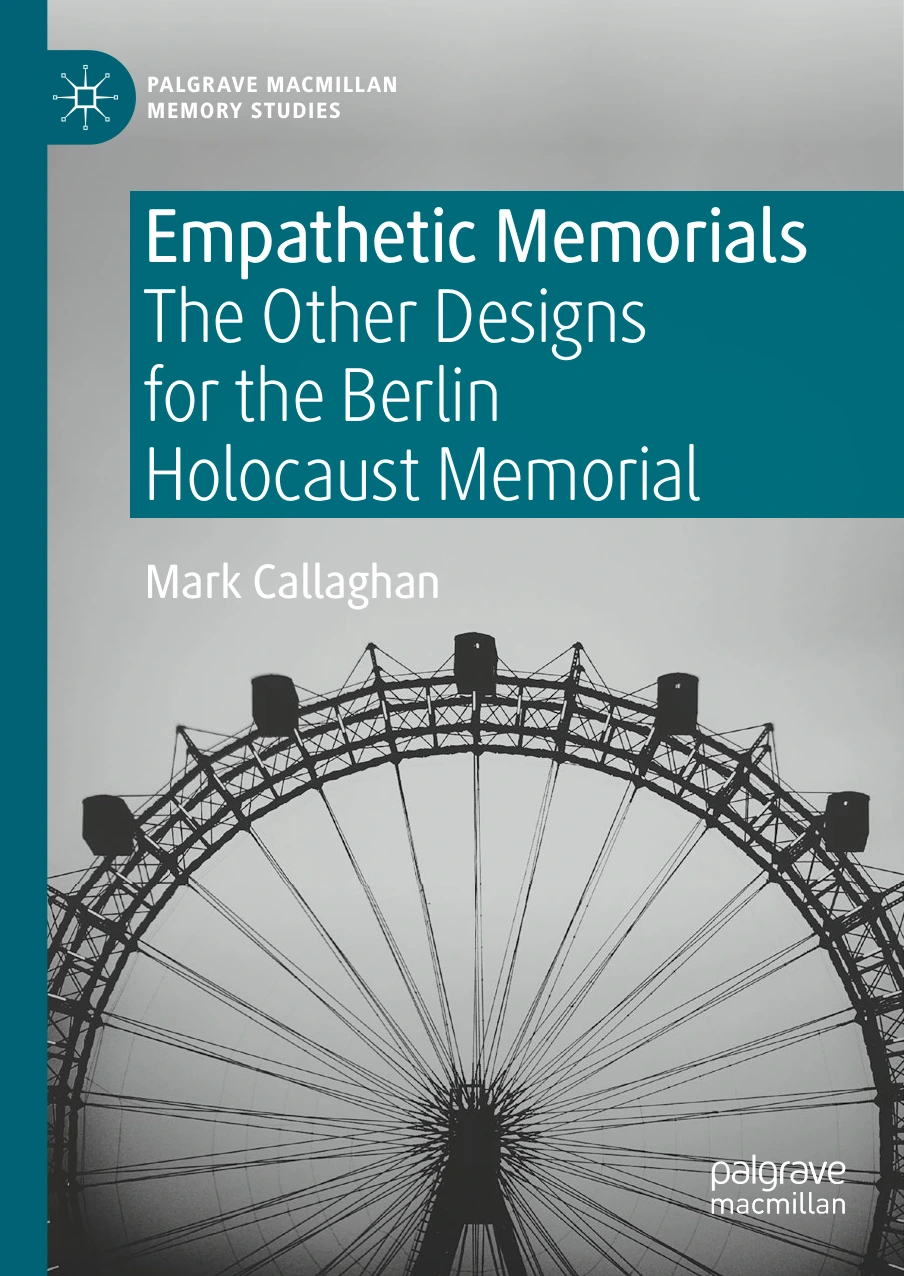
Empathetic Memorials: The Other Designs for the Berlin Holocaust Memorial
Original price was: $109.00.$54.50Current price is: $54.50.

Mark Callaghan
Product Specs:
- File Type: PDF
- File Size: 3.9 MB
- Book Language: English
- Total Page Count: 270
- Instant Download
Berlin’s Holocaust memorial competition produced hundreds of proposals, but only one design became the monument visitors know today. In Empathetic Memorials, Mark Callaghan turns attention to the alternatives: what their forms might have asked of viewers, how they engaged with Germany’s past, and whether a memorial can foster empathy without depicting suffering directly.
This scholarly study connects the design debates to larger questions of cultural memory, representation, and public remembrance. Its focus is not simply what a memorial looks like, but how people encounter it—and what can remain unresolved.
Look beyond the winning design
Callaghan examines the Berlin Holocaust Memorial competitions of the 1990s, considering proposals that took different approaches to commemoration. The discussion places those designs in conversation with the political and historical context of the memorial project, including debate over whom the memorial should remember.
Empathy, absence, and the viewer’s role
A central concern is how memorials might prompt empathetic responses when images of suffering are absent. The book explores secondary witnessing and the use of concentration-camp iconography, while asking how a visitor’s own experience contributes to meaning. This attention to the viewer also informs its treatment of counter-monuments and their challenge to settled, complete accounts of memory.
Remembering individuals—and the limits of representation
Names, photographs, and the void offer different ways to approach the memory of individual victims. By considering these forms alongside broader memorial designs, Callaghan examines the difficult balance between making loss present and acknowledging what representation cannot fully contain.
Memorial, museum, and national memory
The book also considers the relationship between Berlin’s abstract memorial and its information centre. Rather than assuming the centre simply explains the monument, Callaghan asks how the two parts might relate: does contextual information address the memorial’s ambiguity, or work alongside its physical impact? The discussion opens onto wider questions of political and national memory.
For readers of memory studies and Holocaust history
With its attention to art, memorial design, and public debate, Empathetic Memorials is suited to readers exploring Holocaust remembrance, cultural memory, and the contested meanings of monuments. It offers a close look at proposals that did not prevail—and at what their differences reveal about the choices societies make when remembering the past.
User Reviews
Be the first to review “Empathetic Memorials: The Other Designs for the Berlin Holocaust Memorial”
You must be logged in to post a review.
Original price was: $109.00.$54.50Current price is: $54.50.



There are no reviews yet.