
Description
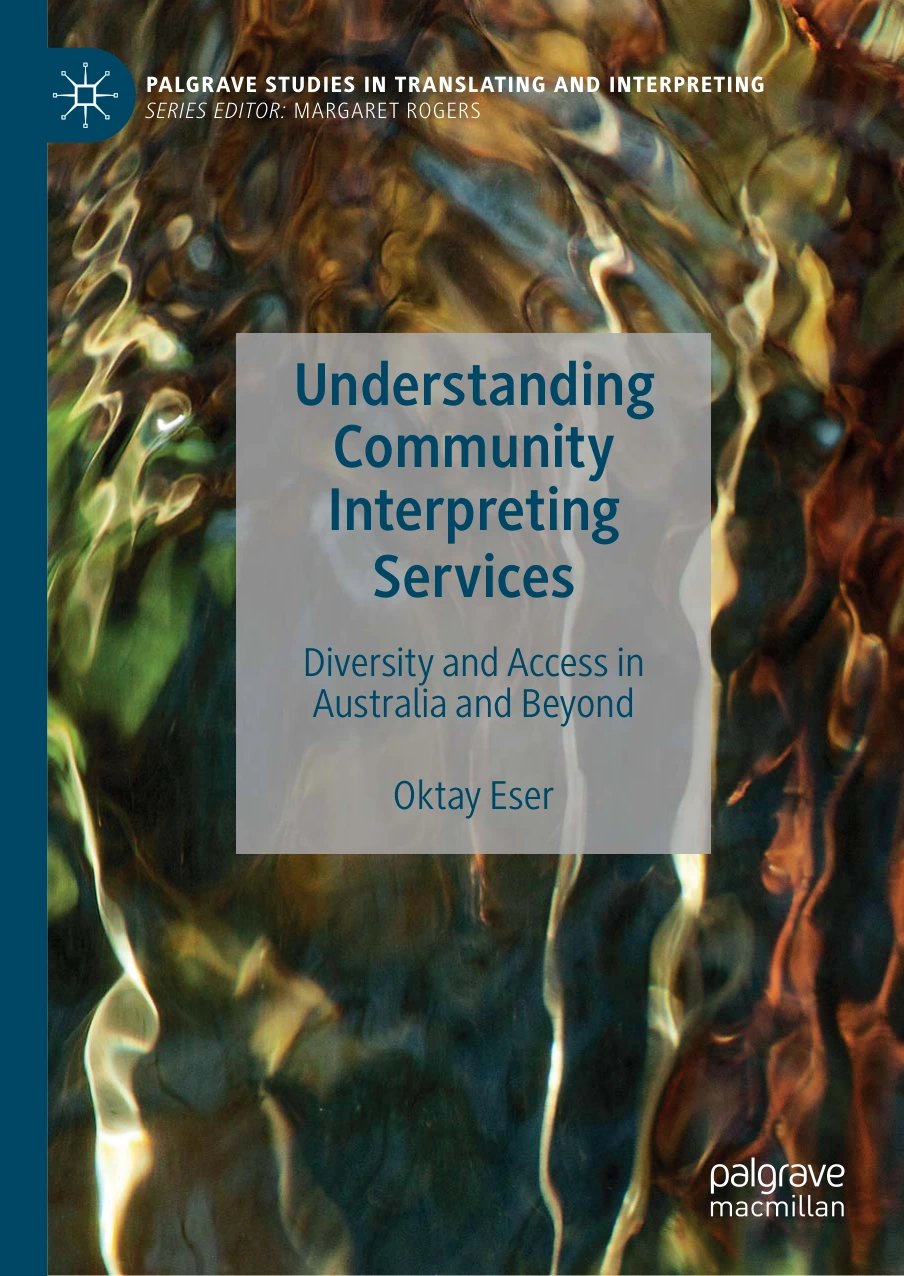
Community interpreting is rarely a simple matter of words. It shapes whether a patient can describe symptoms accurately, whether a defendant understands court proceedings, and whether a refugee family can access essential services. Understanding Community Interpreting Services: Diversity and Access in Australia and Beyond examines these questions through a detailed study of the Australian context, while drawing out lessons relevant well beyond its borders.
Oktay Eser brings both interpreting studies and management studies perspectives to the task. The book maps the community interpreting landscape in Australia, focusing on the state of Victoria as a case study, and engages directly with the stakeholders who keep language services running. Rather than treating interpreting as an isolated linguistic exercise, the book places it inside a complex service ecosystem shaped by policy, funding, training, accreditation, professional bodies, and market pressures.
Why Community Interpreting Matters in Australia
Australia has long been recognized for its structured approach to credentialing translators and interpreters, including the National Accreditation Authority for Translators and Interpreters (NAATI). Yet the book shows that formal frameworks alone do not guarantee access or quality. Eser explores how demand for interpreting in different languages fluctuates, how services are delivered across health and legal settings, and how the working conditions of interpreters influence the sustainability of the profession.
Inside the Research Approach
The study is built around four central research questions:
- Who are the stakeholders that play a major role in community interpreting services as a profession in Australia?
- What are the major challenges faced?
- What are the underlying reasons behind these challenges?
- What strategies are employed to overcome them?
To answer these, Eser analyzes policy documents, population and language data, and interviews with key figures from organizations such as NAATI, Professionals Australia, and Victorian Interpreting and Translating Services. Qualitative data were examined using NVivo 11, allowing recurrent themes to be identified and placed in context.
Challenges, Stakeholders, and Practical Strategies
The book addresses the tensions between demand and supply, the casualization of interpreter work, quality assurance, ethical practice, and the sometimes conflicting expectations of service providers, interpreters, and clients. It distinguishes between the public, high-stakes settings typical of legal interpreting and the more private, informal interactions common in medical interpreting. In doing so, it shows why generic solutions often fail and why targeted strategies are needed for different sectors.
What Readers Can Take Away
For students, researchers, policy makers, language service managers, and practicing interpreters, this title offers a structured, evidence-based view of community interpreting as a profession embedded in social infrastructure. Its Australian focus is enriched by an outsider-insider perspective that makes it valuable for international readers interested in public service interpreting, translation policy, and multicultural language access.
Digital Delights offers this ebook for those who want a thorough, research-driven understanding of a field that quietly protects rights, dignity, and access for linguistically diverse communities.




Reviews
There are no reviews yet.