
Description
Focused Guidance for Pediatric Critical Care Sedation
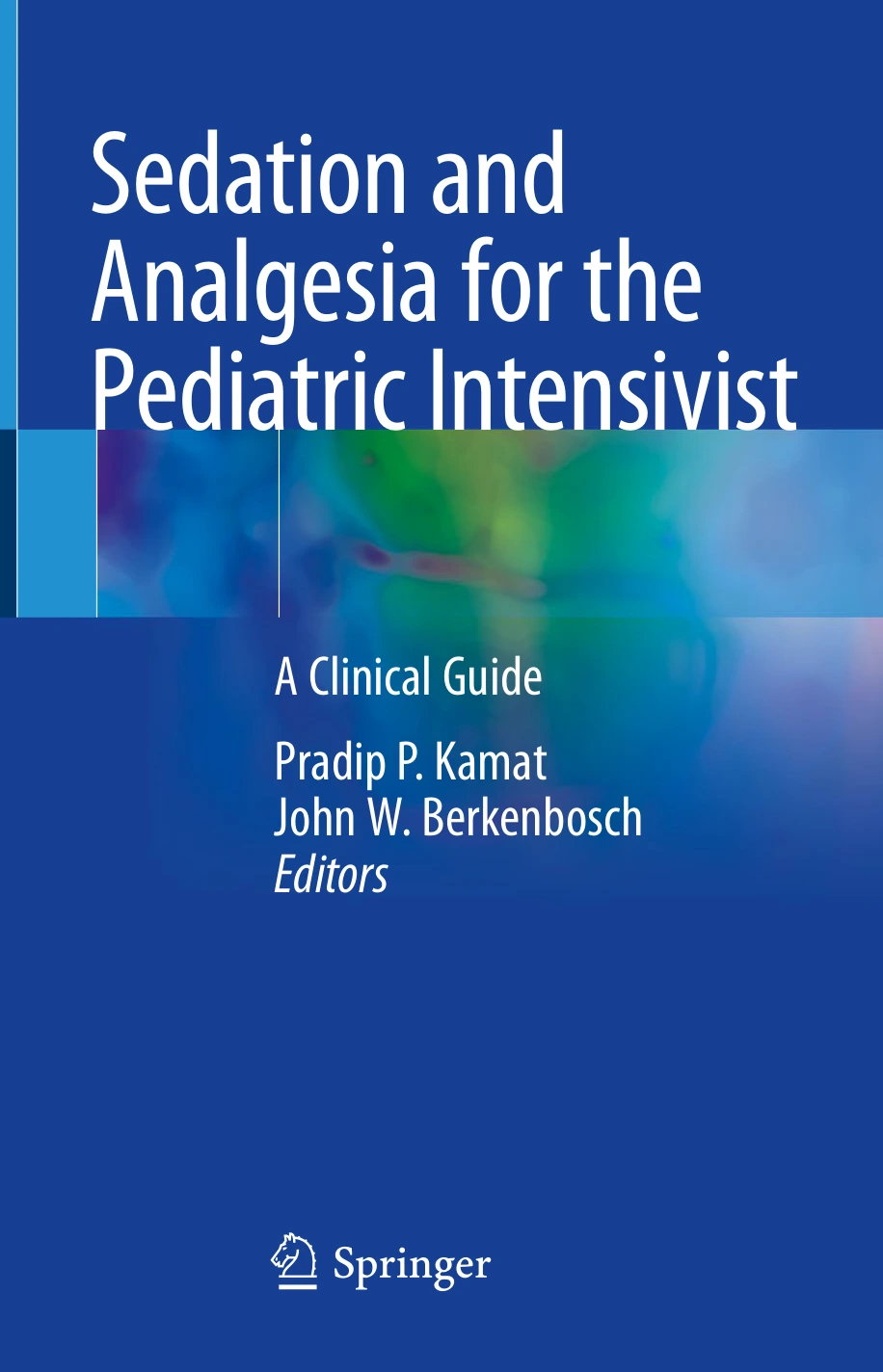
Sedation and analgesia in the pediatric intensive care unit require a careful balance of clinical judgment, safety, and family-centered communication. This clinical guide, edited by Pradip P. Kamat and John W. Berkenbosch, brings together experienced contributors to address the full spectrum of pharmacologic and nonpharmacologic strategies for critically ill children.
The book moves from foundational principles to advanced applications, giving readers a practical framework for managing sedation and pain in both the PICU and procedural sedation settings.
What the Guide Explores
Chapters cover widely used agents including benzodiazepines, alpha-agonists, barbiturates, ketamine, propofol, and inhalational anesthetics. Beyond medication selection, the text examines safety, monitoring, regional analgesia, tolerance and withdrawal, and neuromuscular blockade.
Special Populations and Emerging Topics
Because sedation decisions are rarely one-size-fits-all, dedicated sections focus on children with congenital and acquired heart disease, ECMO support, neonates, and brain injury. Contributors also discuss neurotoxicity in the developing brain, sleep in the PICU, delirium, early mobility, palliative sedation, and the important role of child life specialists.
Written for the Whole Care Team
The editors designed this resource for physicians, advanced practice providers, nurses, respiratory therapists, pharmacists, and students involved in the care of critically ill children. It serves as both a learning tool and a reference for day-to-day clinical practice.
A Balanced Clinical Companion
Rather than a simple drug manual, this guide integrates pharmacology with bedside considerations, helping providers think through dosing, monitoring, and the broader impact of sedation on recovery and family experience.
For anyone caring for children in an intensive care environment, this text provides a thoughtful, evidence-informed foundation for safer, more effective sedation and analgesia practice.
Reviews
There are no reviews yet.