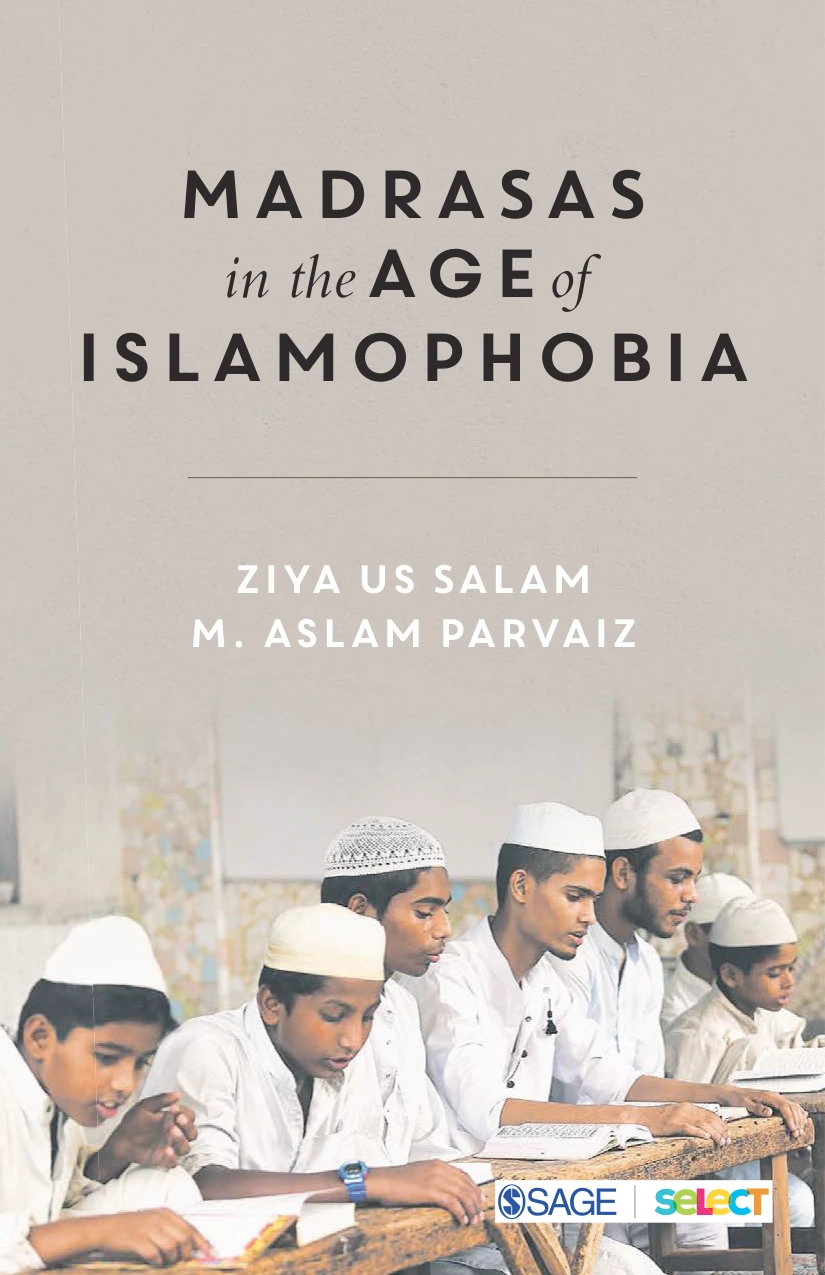
Description
Madrasas, Suspicion, and the Struggle for Relevance
This book enters one of the most charged debates in contemporary India: what madrasas are, what they teach, and why they are so often described as nurseries of extremism. Ziya Us Salam and M. Aslam Parvaiz examine that accusation not with slogans but with historical context, institutional detail, and a clear-eyed look at the pressures facing Islamic education today. The result is a study that takes both the fears surrounding madrasas and the real shortcomings within them seriously.
A Longer History of Islamic Learning
The story does not begin with modern security anxieties. The book traces madrasas back through medieval India and the wider Islamic world, showing how patronage, scholarship, and political legitimacy intertwined. Rulers supported learning as a pious act, and institutions such as Madrasa-i-Rahimiyah in Delhi and Darul Uloom in Deoband became centres of intellectual exchange as well as carriers of particular worldviews. Maulana Azad’s Madrasa-i-Islamia in Ranchi appears as a reminder that these institutions were not always built in isolation from wider Indian society; one of its largest donors was a prominent non-Muslim resident of Ranchi.
From Accusation to Reform
In the late twentieth and early twenty-first centuries, madrasas came under intense scrutiny. The authors argue that this scrutiny has often been politically motivated and blind to the diversity of madrasa life, while also acknowledging that many institutions have struggled with outdated syllabi, limited resources, and a widening gap between their graduates and contemporary fields of knowledge. The book does not settle for a defensive account. It asks how madrasas can preserve their religious purpose while engaging more fully with modern science, technology, and the demands of a changing society.
What the Book Explores
- The historical evolution of madrasas in India and the Islamic world
- The politics of labelling madrasas as centres of radicalisation
- Variations among madrasas in different regions and branches of Islam
- Questions of curriculum, pedagogy, infrastructure, and management
- Madrasa contributions to logic, language, and intellectual life
- Tensions between Islamic law, civil law, and public life
Who Will Find It Useful
Readers interested in Indian Muslim history, education policy, religious studies, and contemporary debates about secularism and minority institutions will find the book especially valuable. It speaks to teachers, students, journalists, policymakers, and anyone trying to move past headlines toward a more informed understanding of madrasa education. The writing is accessible, but the subject is treated with the seriousness it deserves.
Why It Matters
Madrasas in the Age of Islamophobia is not a nostalgia piece. It documents achievements and failures, principled stands and institutional weaknesses. By placing madrasas within a longer history of learning and a shorter history of suspicion, the authors make a case for informed reform rather than blanket condemnation. For readers who want to understand both the accusations and the aspirations surrounding these institutions, this digital edition from Digital Delights offers a substantial, carefully argued starting point.


Reviews
There are no reviews yet.