

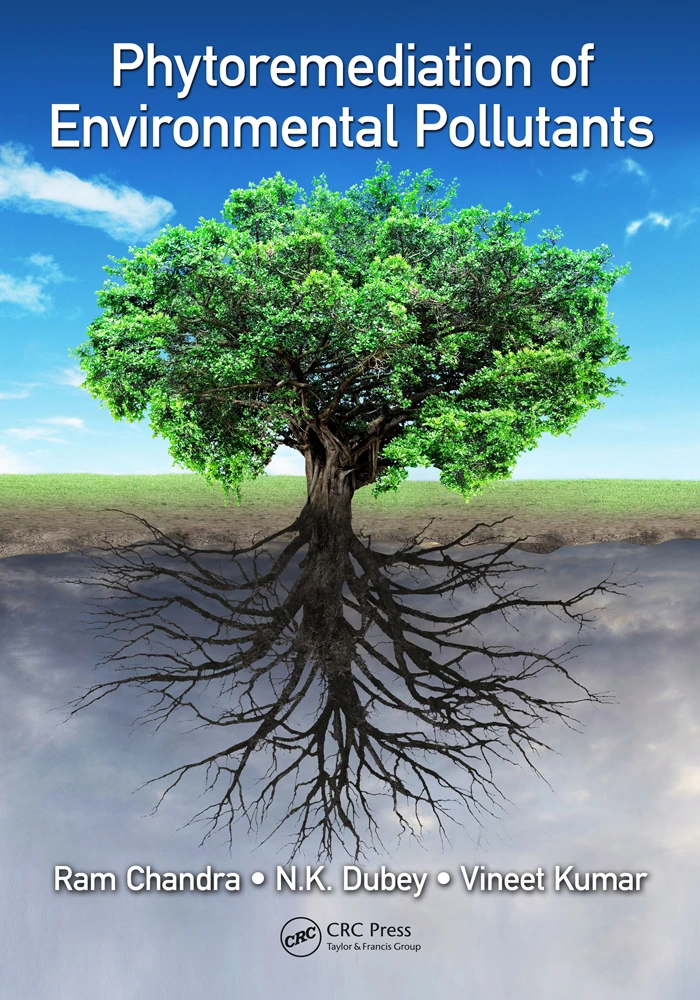
Phytoremediation of Environmental Pollutants
Original price was: $5.00.$2.50Current price is: $2.50.

Ram Chandra
Product Specs:
- File Type: PDF
- File Size: 68.5 MB
- Book Language: English
- Total Page Count: 525
- Instant Download
Cleaning Pollution with Plants—and the Microbes Around Their Roots
Phytoremediation sits at the intersection of plant science, microbiology, and environmental engineering. This 2018 CRC Press edited volume brings together contributions from researchers working on how plants, roots, and their microbial partners can help remediate contaminated soil, water, sediment, and industrial waste. The result is a broad reference that connects molecular mechanisms, ecological interactions, and practical cleanup strategies.
What the Volume Covers
Across 19 chapters, the book examines both fundamental science and field-relevant applications. The opening sections introduce phytoremediation as a green sustainable technology and compare hyperaccumulator with nonhyperaccumulator plants. Later chapters investigate heavy-metal stress, plant internal structure, arsenic tolerance, and the molecular basis of metal hyperaccumulation.
- Plant–microbe interactions: rhizospheric bacteria, mycorrhizal fungi, endophytic bacteria, quorum sensing, siderophore formation, and nutrient availability.
- Contaminant groups: heavy metals, metalloids such as arsenic, organic pollutants, textile dyes, and industrial waste.
- Applied approaches: bacteria-assisted phytoremediation, constructed wetland treatment, phytocapping of landfill sites, vermicomposting of lignocellulosic waste, and life cycle assessment.
- Assessment tools: phytotoxicity as an ecological risk assessment method and the evaluation of remediation performance.
From Mechanisms to Field-Relevant Applications
The contributed chapters move from laboratory and molecular detail toward systems-level thinking. Readers encounter the roles of phosphate-solubilizing bacteria, common weeds for in situ remediation, endophytic diversity in wetland plants, and the biochemical aspects of arsenic tolerance. Several chapters focus on industrial pollutants, including textile dye pollution and complex wastewater, showing how plant-based and microbe-assisted processes can be integrated into treatment and eco-restoration strategies.
Plant–Microbe Partnerships in Focus
A central theme is that phytoremediation is rarely just about plants. The book gives substantial attention to the rhizosphere—the zone around roots where bacteria, fungi, and plants exchange nutrients, signals, and metabolites. Topics such as quorum sensing, siderophore formation, and plant–endophytic bacterial diversity illustrate how microbial communities can influence pollutant detoxification and plant health. This focus makes the volume especially useful for readers interested in the biological mechanisms that support remediation.
Who Will Find It Useful
The preface identifies researchers, students, and industry professionals as the intended audience. Graduate students and early-career researchers can use the book to build a foundation across phytoremediation and environmental microbiology, while established scientists and remediation professionals may value it as a consolidated reference on plant–microbe-assisted detoxification. It is also relevant to readers working in environmental biotechnology, ecological restoration, wastewater treatment, and soil remediation.
Why This Edited Collection Matters
Because the field draws on plant physiology, microbiology, molecular biology, and environmental engineering, no single perspective tells the whole story. This volume’s chapter-based structure allows specialists to address distinct areas while the editorial framework keeps the focus on sustainable remediation. For anyone seeking a detailed overview of how plants and their associated microbes can be used to address environmental pollutants, it offers a substantial, research-oriented resource.
User Reviews
Only logged in customers who have purchased this product may leave a review.
Original price was: $5.00.$2.50Current price is: $2.50.




There are no reviews yet.