

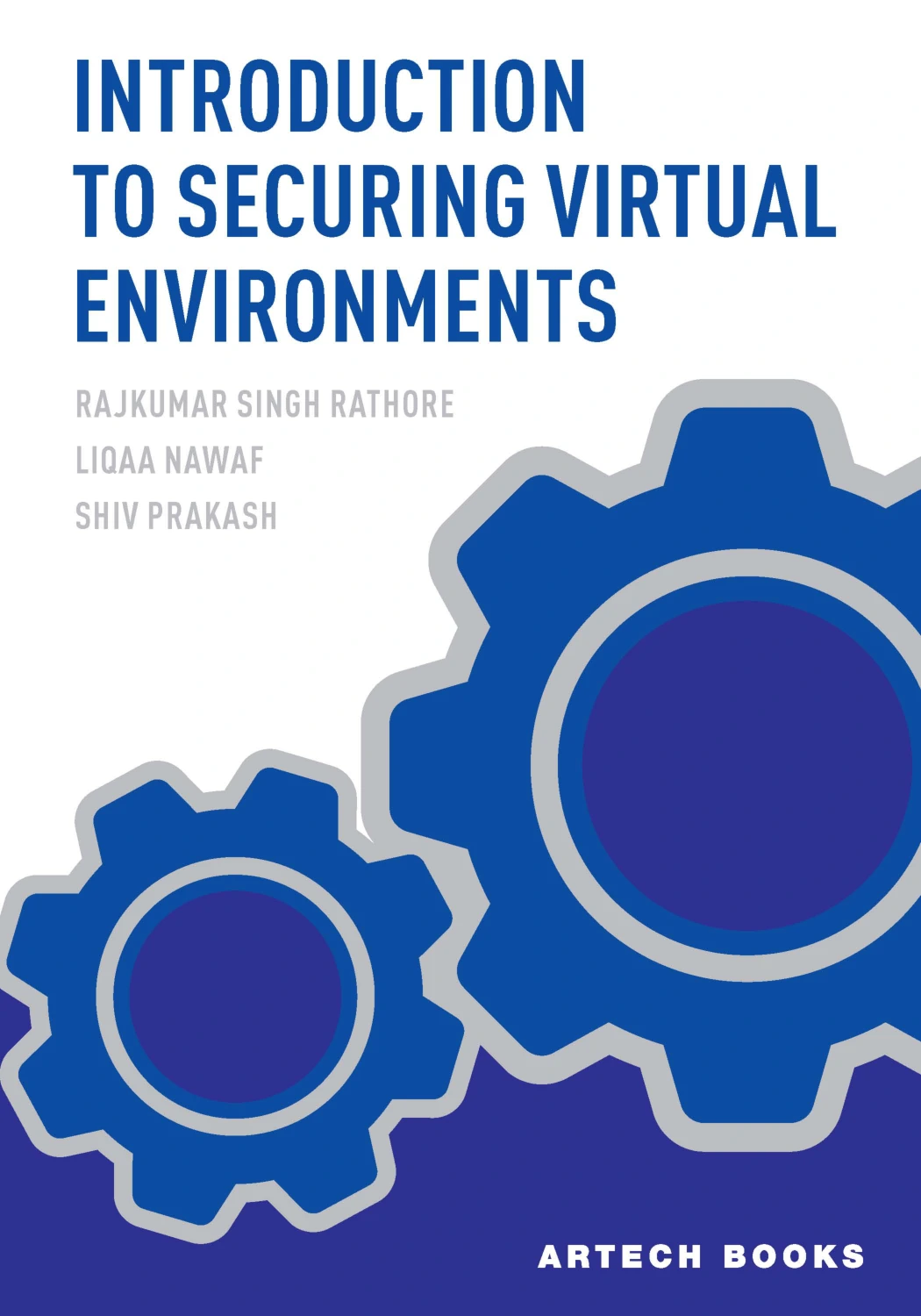
Introduction to Securing Virtual Environments
Original price was: $112.00.$56.00Current price is: $56.00.

Rajkumar Singh Rathore
Product Specs:
- File Type: PDF
- File Size: 3.8 MB
- Book Language: English
- Total Page Count: 284
- Instant Download
Virtualization can make infrastructure more flexible, but it also changes where security risks arise: in hypervisors, guest systems, virtual networks, storage, applications, and the management layer. Introduction to Securing Virtual Environments offers a broad, technically oriented introduction to those concerns and to practices for addressing them.
Across its chapters, the book follows security from the foundations of virtualization through network, virtual machine, storage, cloud, and application environments, then turns to compliance and audit. The result is a useful map of the components defenders need to consider when protecting virtualized systems.
Understand the risks beneath the virtual layer
The opening material explains virtualization concepts and types, then identifies risks such as hypervisor and guest OS attacks, inter-VM threats, network vulnerabilities, and misconfiguration. This context helps readers see why securing a virtual environment involves more than applying controls to individual servers.
Follow security across networks, machines, and storage
Dedicated sections examine virtual switches, firewalls, routers, network segmentation, encryption, access control, and auditing. The book also addresses guest operating system hardening, hypervisor configuration and monitoring, virtualization management servers, virtual disks, storage networks, and storage arrays.
Considering these layers together offers readers a way to connect infrastructure components with the security responsibilities attached to them.
Connect virtualization with cloud and applications
Cloud computing coverage considers different forms of virtualization alongside challenges including security risks, resource contention, complex management, privacy, compliance, performance, licensing, and recovery. Application security chapters turn to virtualized web servers, database servers, and other critical applications.
Make room for governance and audit
The book also explores compliance and audit in virtualized environments, including shared responsibility, containerization and orchestration, cross-border data transfers, automated compliance tools, incident reporting, data life-cycle management, third-party risk, and privacy impact assessments.
Who may find it useful?
Its broad scope may suit cybersecurity practitioners, cloud and systems professionals, auditors, and readers studying information security who want an organized introduction to protecting virtual infrastructure. For anyone responsible for these environments, the chapters provide a framework for thinking across technical controls, operational practices, and compliance.
User Reviews
Be the first to review “Introduction to Securing Virtual Environments”
You must be logged in to post a review.
Original price was: $112.00.$56.00Current price is: $56.00.



There are no reviews yet.