
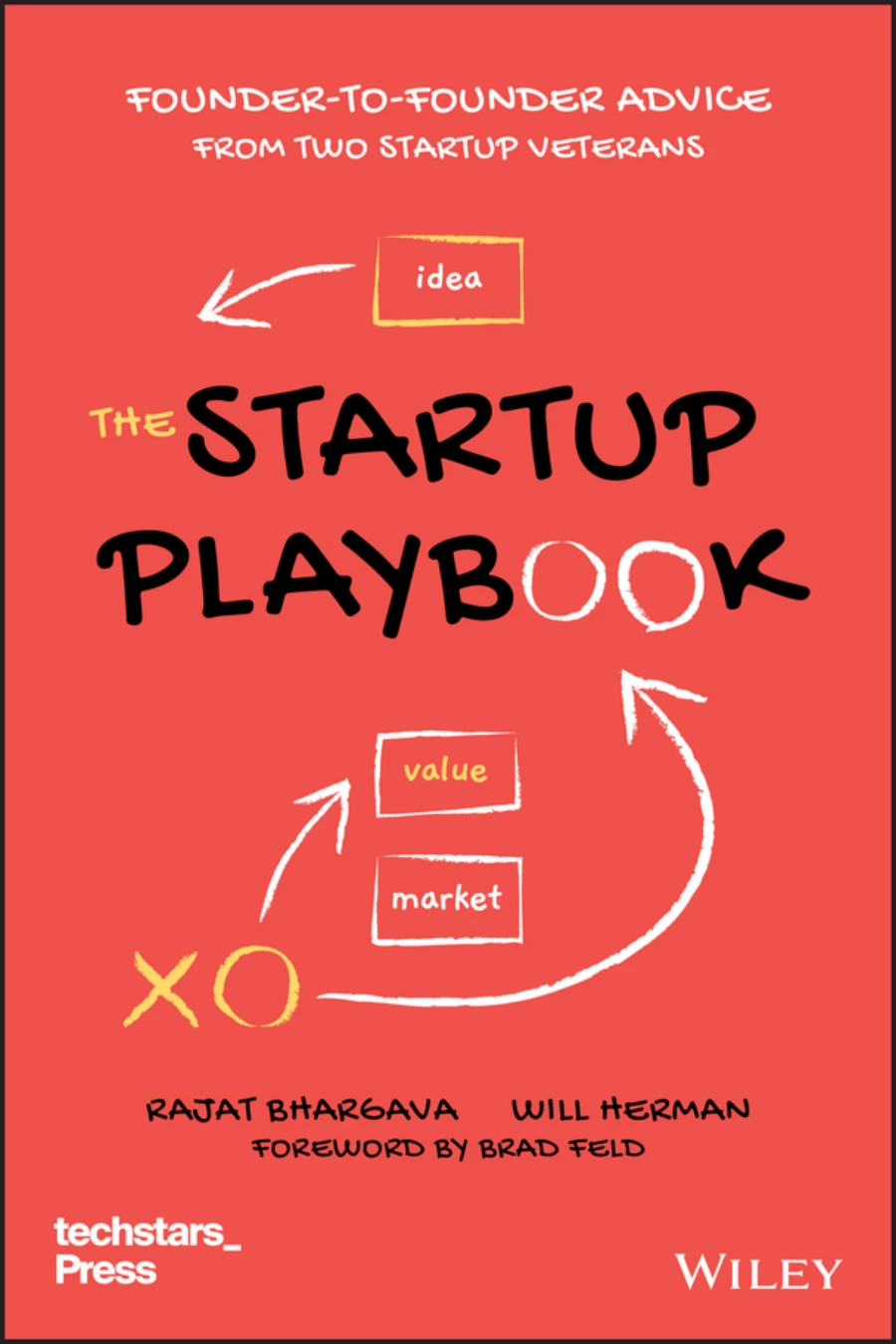
Description
Founder Wisdom That Feels Like a Conversation
Rajat Bhargava and Will Herman have been through startup cycles themselves, and in The Startup Playbook they bring that experience directly to readers. Rather than offering a detached academic view, the book works like a long conversation with founders who have already made the mistakes, asked the hard questions, and learned what actually matters when building a company from scratch.
This is not a collection of abstract business theories. The advice is practical, specific, and rooted in the problems founders face at every stage.
What the Book Covers
Organized into four parts, the book moves from the first spark of wanting to start a company through the complex realities of funding and daily operations.
- Part I: I Want to Start a Company — examines what a startup really is, why people start companies, and the personal qualities that make a strong founder.
- Part II: Getting Off the Ground — covers idea validation, product-market fit, markets, early money, and building the founding team.
- Part III: Funding Your Startup — walks through funding basics, sources of capital, prerequisites for raising, the fundraising process, and first investor meetings.
- Part IV: Running Your Company — focuses on building great products and making customers successful.
Honest, Founder-to-Founder Perspective
The subtitle matters: this is founder-to-founder advice. Bhargava and Herman are not just consultants or observers; they are startup veterans who have operated in the trenches. That perspective shows in the book’s tone, which balances encouragement with necessary reality checks. The chapters are direct, practical, and designed to help readers think through decisions rather than chase a single formula.
Does This Book Fit Your Journey?
If you are actively exploring a startup idea, preparing to raise money, or already building a team and product, the material is particularly relevant. Early-stage founders will find the most direct value because the book doesn’t assume a working company already exists. The sequence from personal readiness to building to fundraising follows the actual startup lifecycle closely.
A Practical Resource Worth Returning To
Because the book is organized around clear stages, it works well as both a read-through guide and a reference to return to when facing specific challenges. Whether you need to think about equity splits, prepare for a first investor meeting, or improve customer success, there is likely a relevant section to revisit.



Reviews
There are no reviews yet.