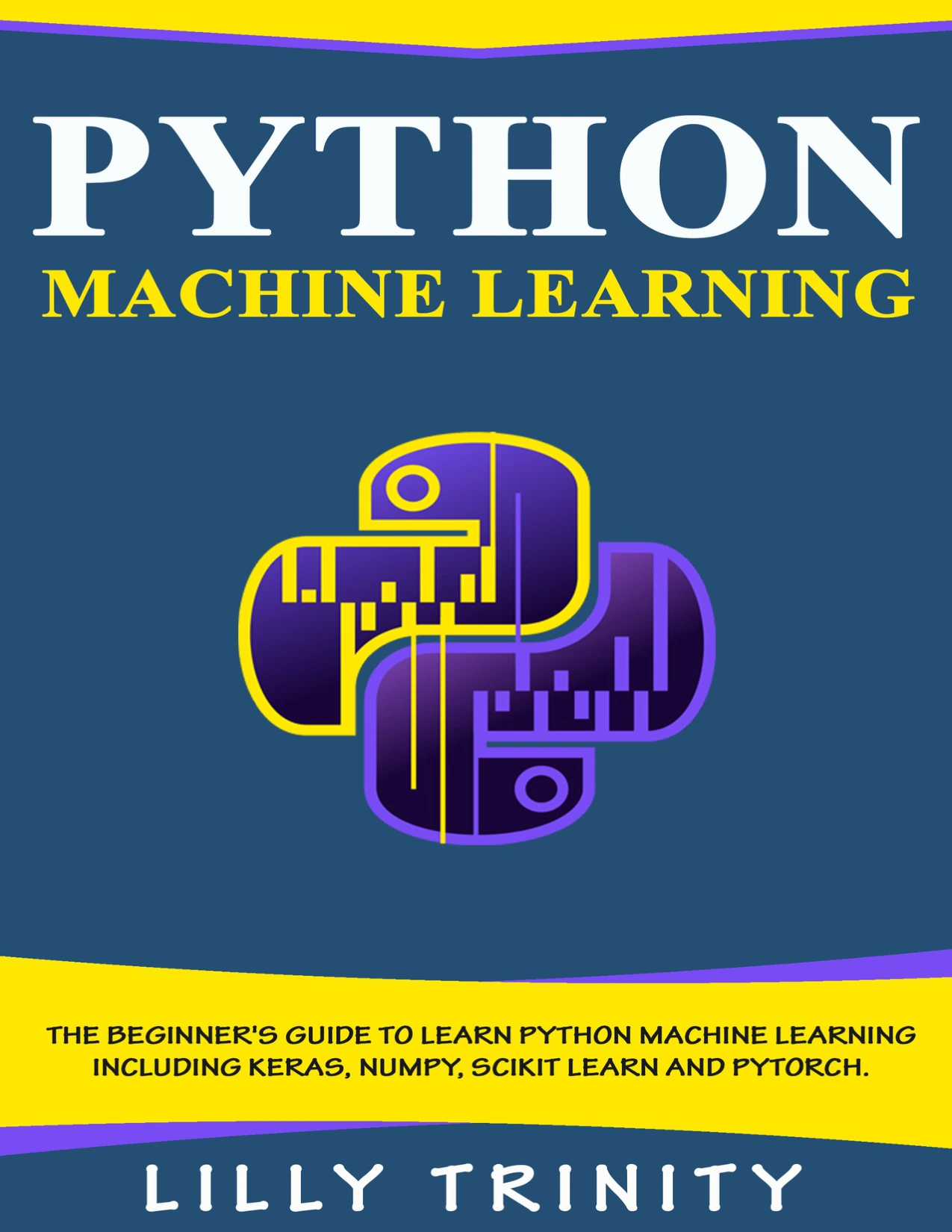
Python Machine Learning: The Beginner’s Guide To Learn Python Machine Learning Including Keras, Numpy, Scikit Learn and PyTorch
Original price was: $5.00.$2.50Current price is: $2.50.

Lilly Trinity
Product Specs:
- File Type: PDF
- File Size: 3.0 MB
- Book Language: English
- Total Page Count: 111
- Instant Download
A Beginner-Friendly Path into Python Machine Learning 💻
If you have been curious about machine learning but are not sure where to begin, this guide starts at the beginning. It introduces Python as the working language for data science and machine learning, explains why it has become a popular choice, and helps readers set up the libraries and datasets needed to follow along.
The book is written for learners who want a clear entry point rather than a dense academic treatment. It builds from core concepts to practical techniques, keeping the focus on understanding what machine learning is doing and how Python can be used to do it.
What the Book Covers
- Why Python is well suited to machine learning and data science
- What machine learning is and how it differs from traditional programming
- Common applications, from recommendations and spam detection to facial recognition and forecasting
- Installing and configuring Python libraries and packages
- Data processing, analysis, and visualization
- Training and test data, model evaluation, and performance
- Core techniques including classification, regression, clustering, and recommendation
From Setup to Working Models ⚙️
Environment configuration is often the first hurdle for new Python users. The book addresses that directly, walking through the libraries and datasets that support machine learning work. From there, it moves into exploratory data analysis, preprocessing, feature extraction, and visualization—the practical steps that turn raw data into something a model can learn from.
Algorithms and Practical Projects 🧠
Readers are introduced to widely used machine learning methods such as linear regression, logistic regression, Naïve Bayes, k-nearest neighbors, k-means, and random forest. The book also describes applied projects that demonstrate how these ideas come together, including sorting news topics, detecting junk email, forecasting online ad clicks, and predicting stock prices.
Its stated scope includes tools such as Keras, NumPy, Scikit-Learn, and PyTorch, making it a useful overview of both foundational concepts and the libraries that support modern machine learning workflows.
Who This Book Is For
This is a suitable starting point for beginners, students, and professionals who want to understand the basics of Python and machine learning before moving on to more specialized work. It may also appeal to readers who prefer a broad, approachable introduction over a mathematics-heavy textbook.
Why Python for Machine Learning? 💡
Python’s readable syntax, free and open tools, and large ecosystem of libraries make it a practical language for learning machine learning. This book explains those advantages and shows how Python can be used to solve real data problems, evaluate models, and begin building applications.
Begin Your Machine Learning Foundation
Python Machine Learning offers a concise, beginner-oriented route into a field that can otherwise feel overwhelming. If you want to understand the landscape, get comfortable with the essential libraries, and start working with machine learning concepts in Python, this guide provides a structured place to begin.
User Reviews
Only logged in customers who have purchased this product may leave a review.
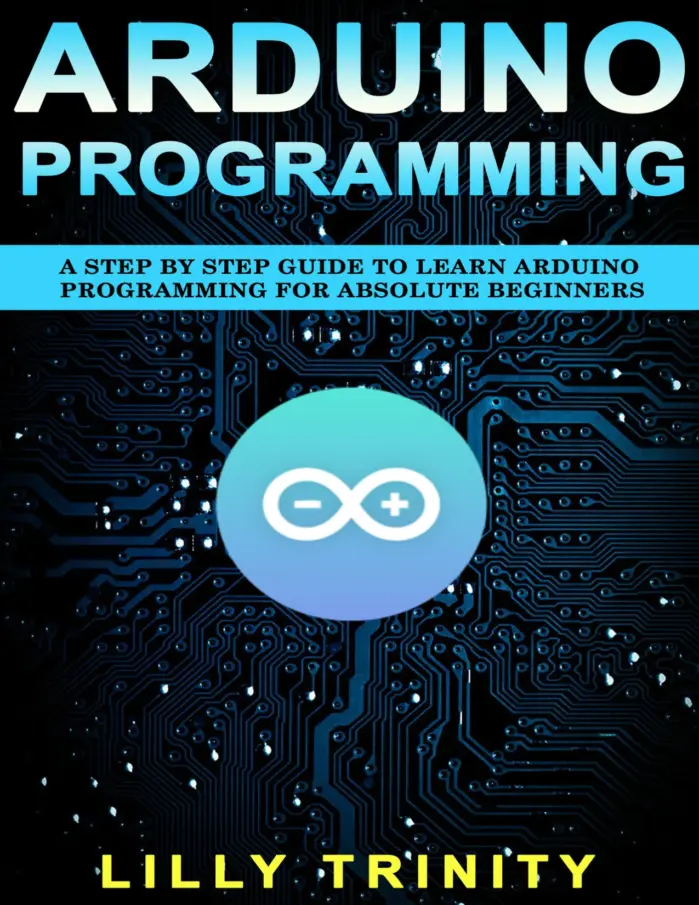
Arduino Programming: A Step by Step Guide to Learn Arduino Programming For Absolute Beginners
Sold by Lilly Trinity Original price was: $5.00.$2.50Current price is: $2.50.

There are no reviews yet.