

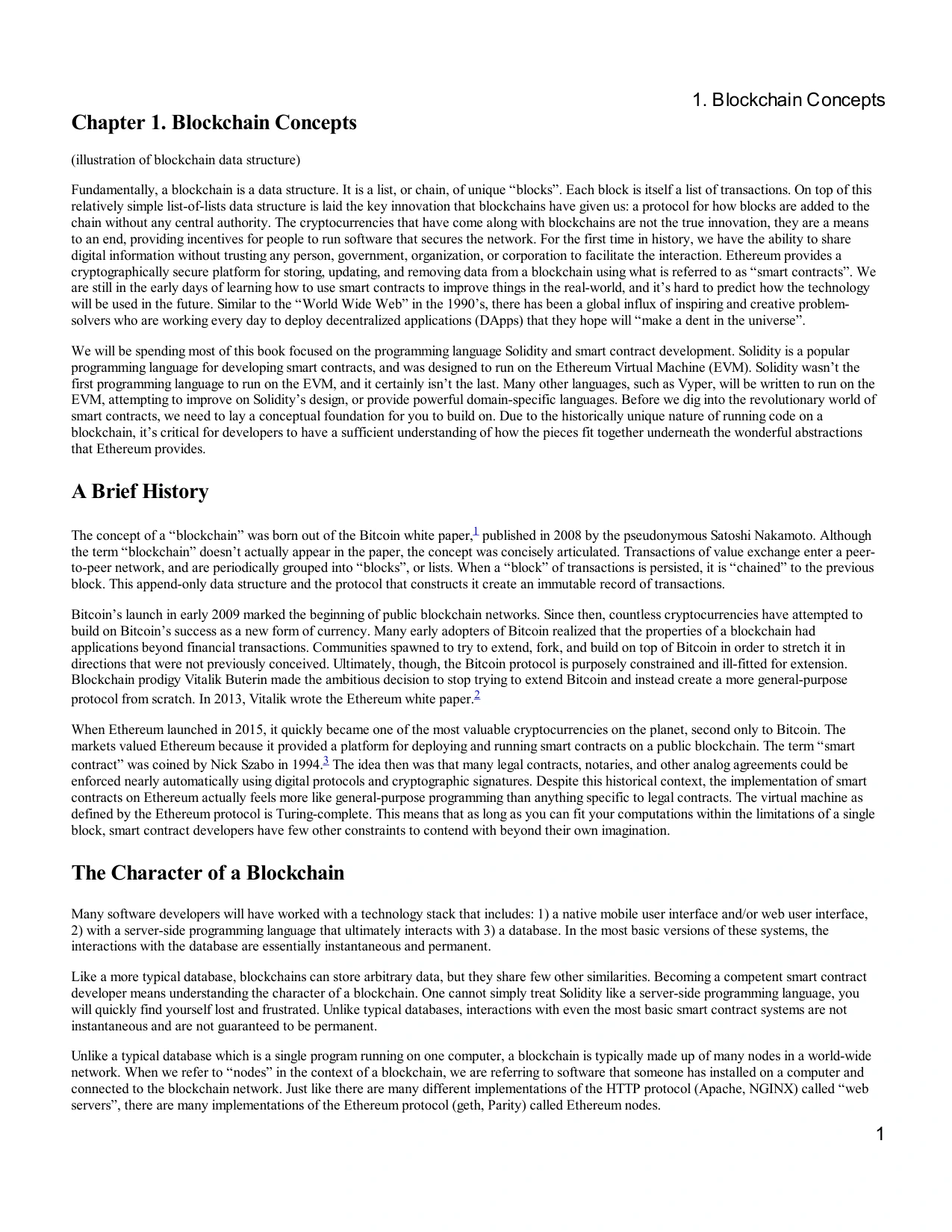
Hands-On Smart Contract Development with Solidity and Ethereum: From Fundamentals to Deployment
Original price was: $56.99.$28.50Current price is: $28.50.

Kevin Solorio
Product Specs:
- File Type: PDF
- File Size: 4.1 MB
- Book Language: English
- Total Page Count: 60
- Instant Download
Smart contracts ask developers to think beyond familiar server-and-database patterns. Hands-On Smart Contract Development with Solidity and Ethereum starts with that shift in perspective, then follows the work through Solidity contracts, testing and deployment, a connected application, and security considerations.
Its beginner-to-intermediate path is organized around building an understanding step by step: first the Ethereum network and its mechanics, then contracts and the tools used to interact with them, and finally the risks that deserve attention before deployment.
Start with how Ethereum works
The opening chapters establish the ideas behind blockchain applications, including decentralized networks, consensus, transaction timing and finality, accounts, gas, and the Ethereum Virtual Machine. That grounding helps explain why smart-contract development behaves differently from programming against a conventional database.
The book also surveys application possibilities such as ERC-20 tokens, NFTs, supply-chain use cases, and permanent records—useful context for thinking about whether blockchain is appropriate for a project.
Build, test, and deploy Solidity contracts
From the fundamentals, the focus turns to Solidity and practical contract development. The progression includes writing an initial contract, testing it, and deploying it with tools such as Truffle and Ganache. A fundraiser example carries ideas like donations, beneficiaries, withdrawals, and contract factories into a more substantial project.
Connect contracts to an application
Smart contracts are only one part of a DApp. Dedicated sections introduce Web3 and show how a user interface can read from and send updates to contracts. Later examples bring together contract functionality and a React-based interface, giving readers a view of how the separate pieces work together.
Keep security in view
The final section examines common smart-contract vulnerabilities, including reentrancy, transaction-ordering dependence, integer overflow and underflow, and gas-limit or timestamp concerns. It also introduces preparation for external audits and further security learning.
A note on the examples
This book was published in 2019, and its tool setup and Ethereum references belong to that period. It is best approached as a structured guide to the concepts and development workflow it presents, with readers checking current documentation when setting up a modern environment.
User Reviews
Only logged in customers who have purchased this product may leave a review.
Original price was: $56.99.$28.50Current price is: $28.50.



There are no reviews yet.